Updated July 16, 2026

Key Takeaways
- Compare liquor liability quotes using the same limits and the same description of your alcohol operations, then read exclusions and defense wording before you choose a policy.
- Ask whether assault and battery is included, limited, or excluded, especially if you operate late hours, use security, host events, or manage crowded service areas.
- Document ID checks, server training, incident logs, and cut-off procedures so your application and your claim file both support how you actually operate.
- Review contracts from landlords, venues, and event partners early so you can match liquor liability limits and certificate requirements before binding coverage.
- Separate host liquor questions from true liquor liability needs if alcohol is only furnished occasionally and not part of your regular business revenue.
Liquor Liability Insurance in Delaware
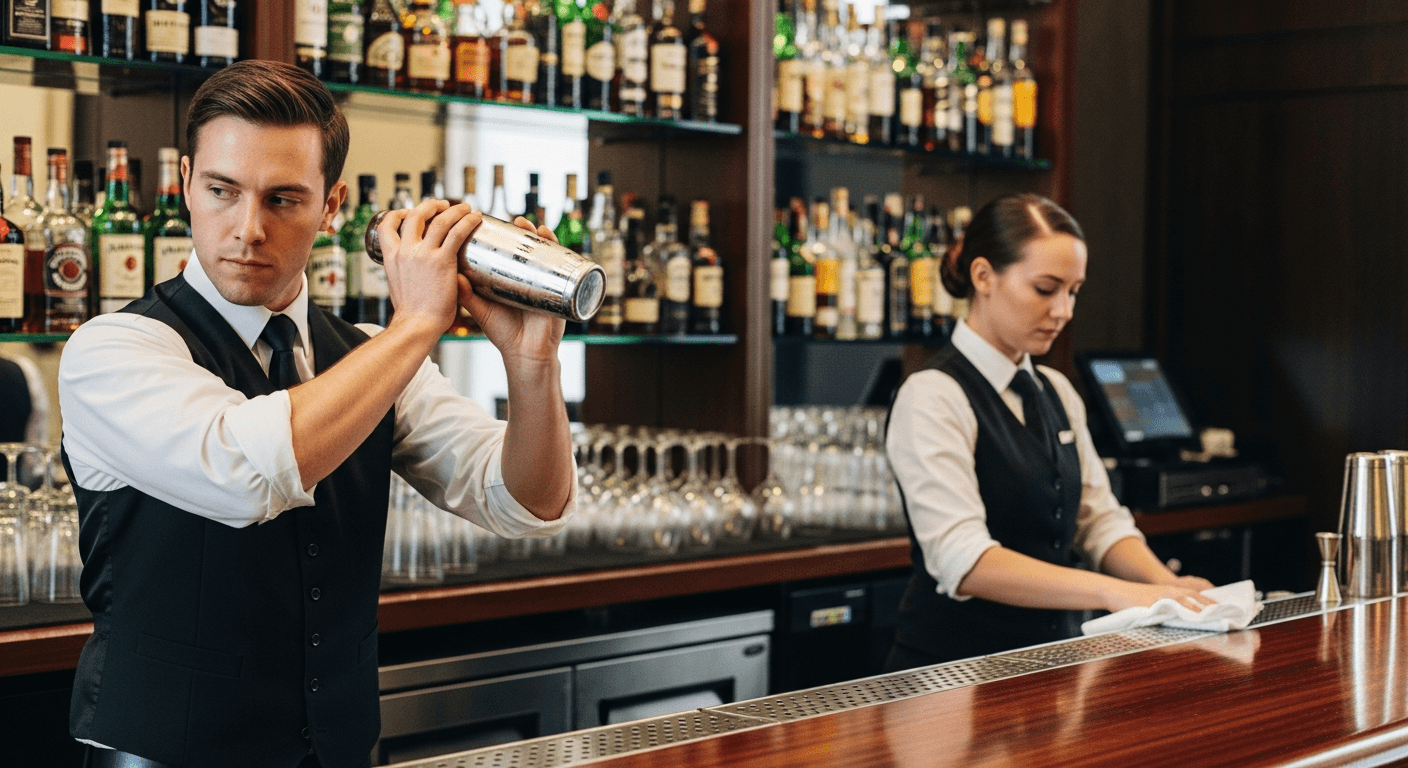
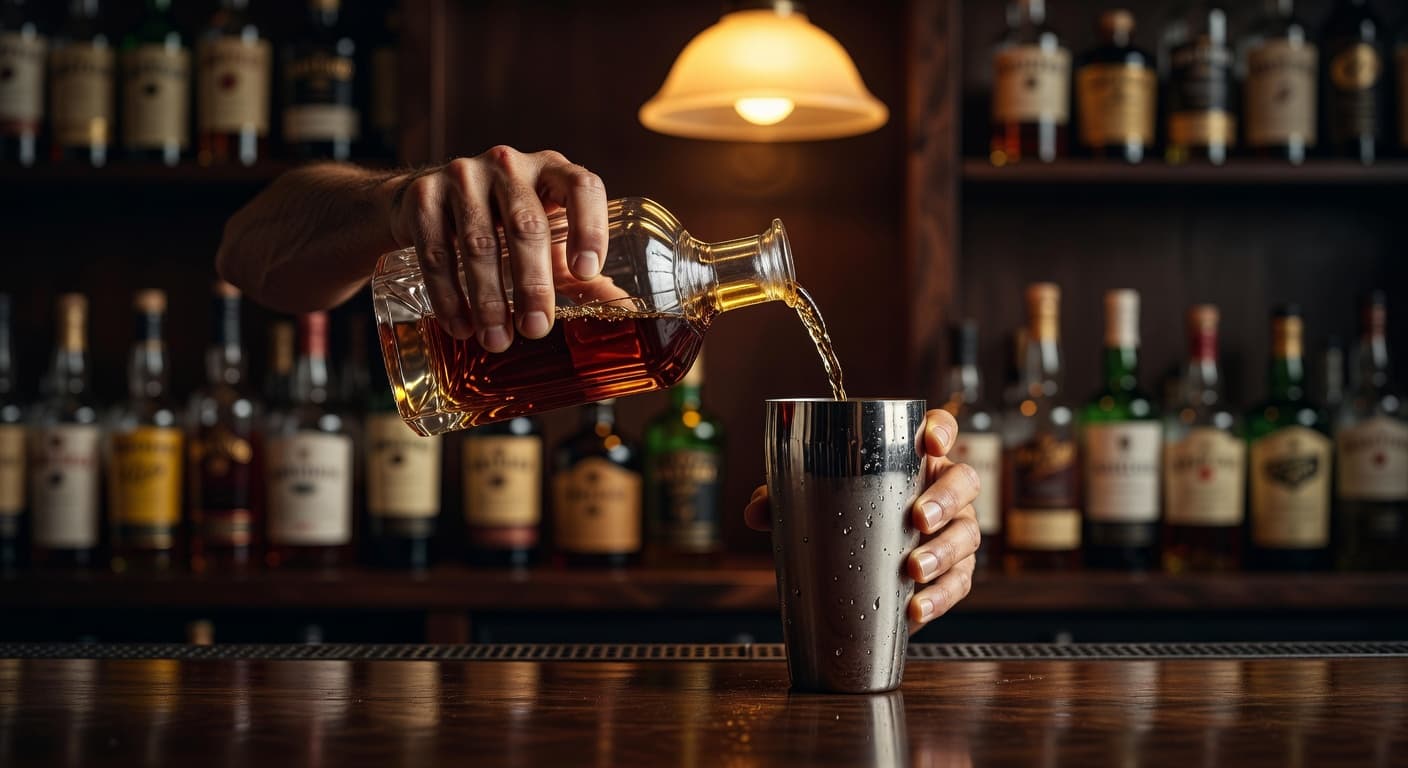
Most business owners start looking for this coverage right before opening day, a license renewal, a new lease, or the moment a distributor or venue asks for proof. That timing matters because your policy works best when it is matched to how alcohol actually moves through your operation before you bind coverage, not after a claim or contract problem exposes a gap. A restaurant, a late-night bar, a brewery, and a caterer do not present the same serving patterns, staff controls, or certificate requests. You want the quote built around who serves, where service happens, whether alcohol sales are primary or incidental, and what contracts require.
Check policy language early so you can compare exclusions, defense handling, and any conditions tied to training, security, or event operations. Before you buy, line up your liquor license details, estimated alcohol receipts, serving schedule, and any lease or vendor insurance requirements so the quote reflects your real exposure.
What Liquor Liability Insurance Covers
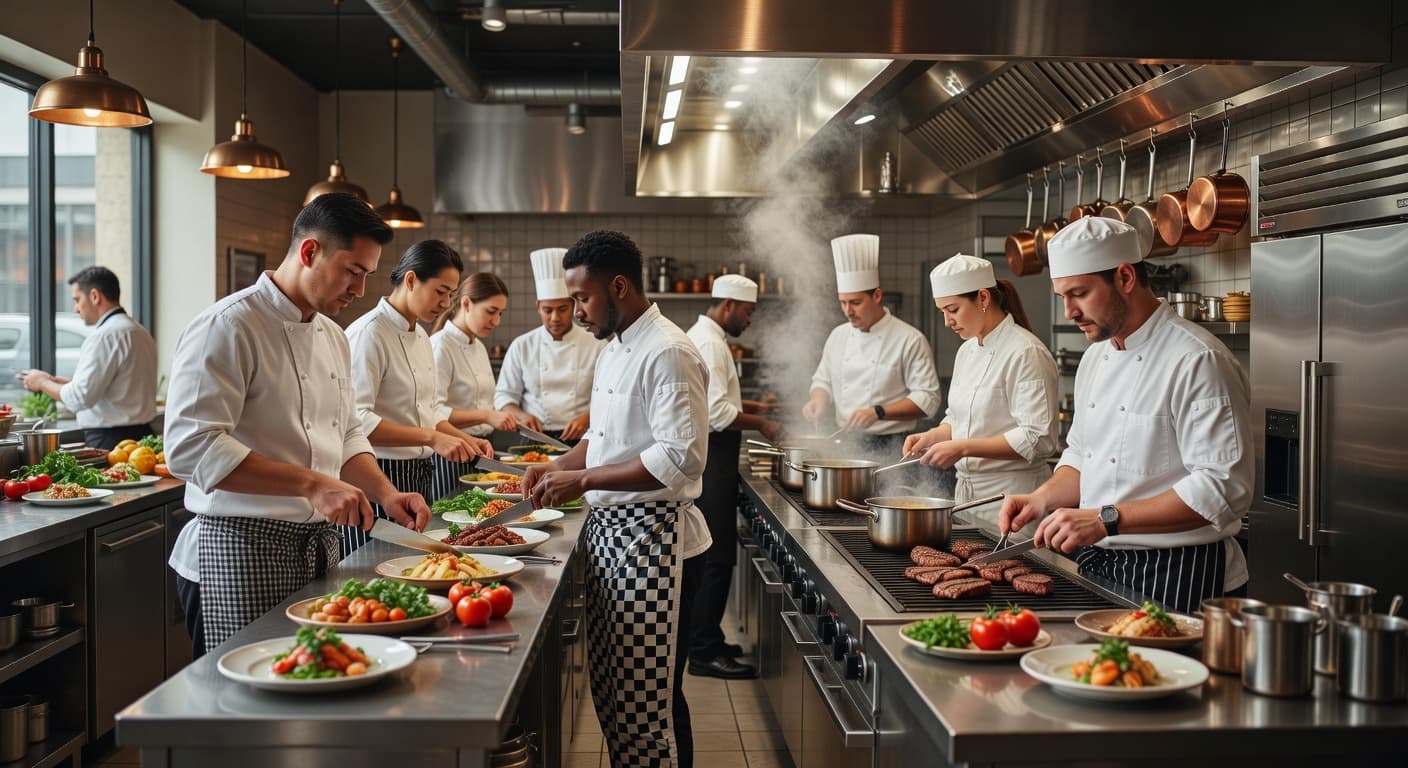
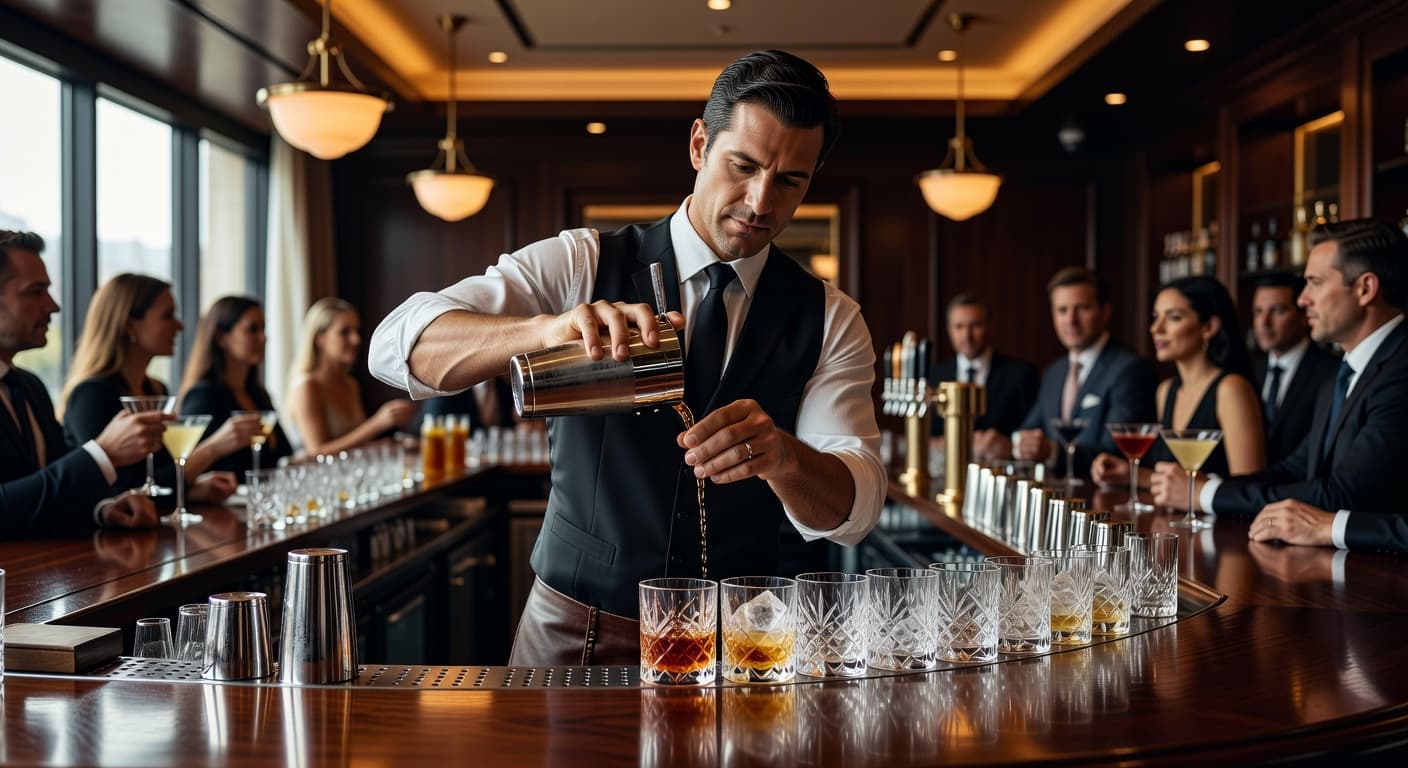
The practical question is where an alcohol-related claim could start in your operation and which policy terms respond. If you run a restaurant, that often means looking at dine-in service, bar tabs, private parties, and any alcohol served by employees who rotate between floor and bar duties. If you operate a tavern, nightclub, or catering business, the review shifts toward service controls, off-premises activity, and whether your policy is written for the way alcohol is sold, poured, delivered, or sampled.
When you compare Delaware quotes, focus on defense costs, settlement structure, assault and battery wording if applicable, employee acts, and whether special events, temporary service areas, or third-party venues create gaps. You should also check how the policy treats independent contractors, security vendors, and promoters, because a certificate request from a landlord or event host can be broader than the coverage you first asked for. If your business hosts tastings, holiday events, wedding receptions, or ticketed functions, ask whether those operations fit the base form or need to be specifically scheduled.
It also helps to compare your policy with the rest of your insurance stack. General liability, commercial property, workers' compensation, and commercial auto can all connect to the same incident, but they do not replace it. Review how claims would be tendered, who has the duty to defend, and whether your limits make sense alongside lease obligations and vendor contracts. That is the point where a quote becomes a buying decision instead of just a price check.

Bodily Injury Liability
Can help cover injuries an intoxicated patron causes to others after your business served or sold them alcohol.

Property Damage Liability
May pay for property damage caused by an intoxicated customer your establishment served, such as a car crash after leaving.
Assault & Battery
Can help cover claims arising from fights or physical altercations involving intoxicated patrons at your bar or restaurant.
Defense Costs
May pay for attorneys, court fees, and related legal expenses when your business is sued over an alcohol-related incident.

Host Liquor Liability
Can help cover alcohol-related claims from events where you host or serve drinks without selling them, like company parties.
Liquor Liability Insurance Requirements in Delaware
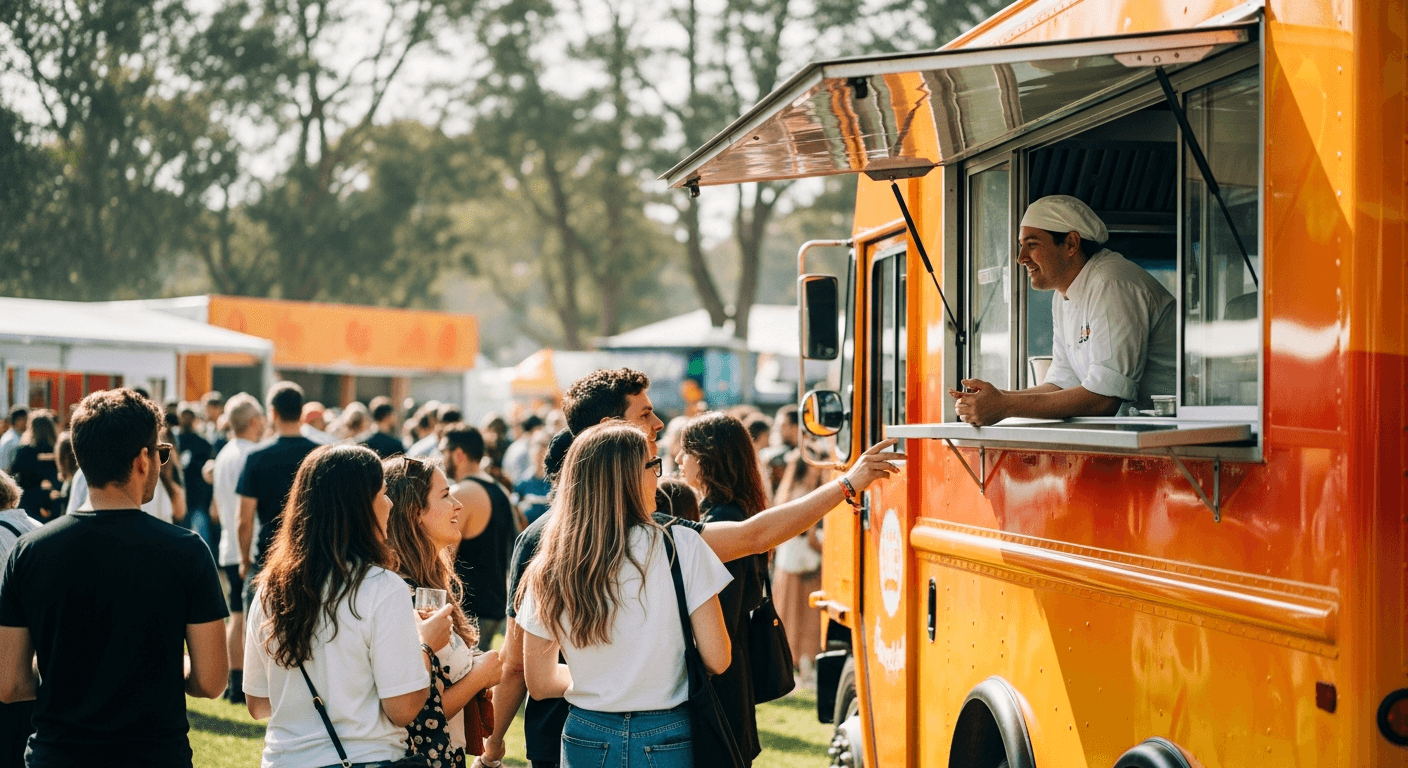
- Delaware businesses that serve alcohol at weddings, festivals, or private venues should confirm off-premises service is contemplated in the quoted policy terms, since a standard form written for on-site dining may not follow your staff to another location.
- If your lease or venue contract requires additional insured status, review certificate wording before binding so the policy setup supports the request.
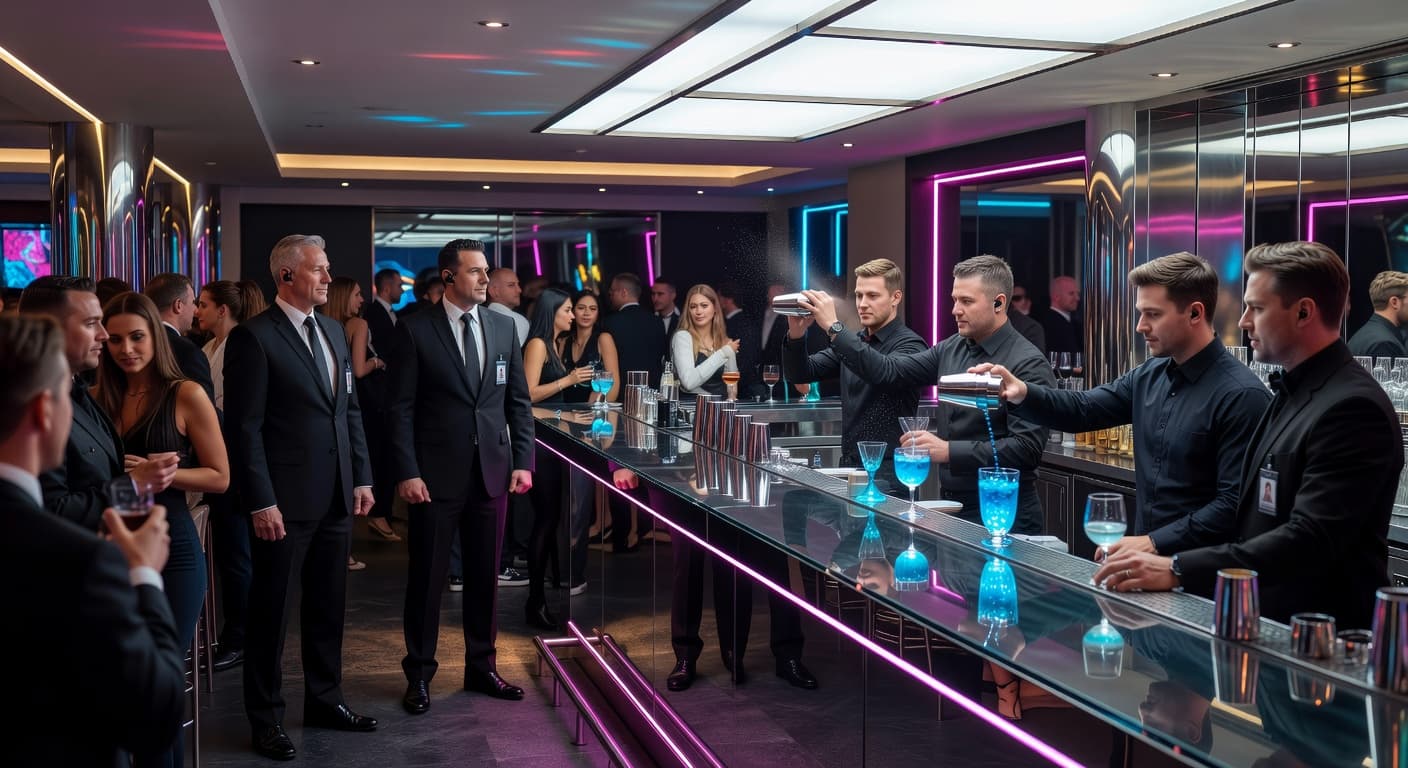
- Operations with entertainment, security staff, or late-night service should disclose those details early because underwriting may treat them differently.
- A Delaware renewal is a good time to recheck alcohol receipts, event frequency, and location schedules if your business model changed during the year.
How Much Does Liquor Liability Insurance Cost in Delaware?
Average Cost in Delaware
$50 - $220
per month
Businesses in Delaware typically see liquor liability insurance premiums of $50 - $220 per month, which tends to run 7% below the national range of $50 - $240 per month.
- Share of sales that comes from alcohol
- Type of venue and how late you serve
- Server training and service procedures
- State dram shop law
- Liquor liability limits selected
- Prior over-service or assault claims
Contact CPK Insurance for a personalized quote.
For Delaware businesses, pricing works best as a factor discussion, not a shortcut. Many businesses see premiums from $50 to $220 per month, meaning a typical operation might spend less than a single busy weekend's bar receipts for a full month of protection, though a package store with no on-site consumption can rate very differently from a late-night bar, and a caterer with occasional weddings can rate differently from a venue with weekly ticketed events. Your final number depends on alcohol receipts, hours of service, prior claims, limits, deductible structure if offered, entertainment exposure, security practices, and whether alcohol is your main revenue source or an add-on to food or events.
Expect questions about annual sales, the share tied to alcohol, closing time, staff training, and incident history. They may also ask about dance floors, live music, happy hour promotions, drink specials, or service at multiple locations. Each answer can move the quote because it changes how often alcohol is served, how long patrons stay, and how difficult it is to control service.
The most useful way to shop is to compare the same limits and operational details across quotes. If one proposal looks much lower, check whether it narrows covered operations, adds restrictive exclusions, or leaves out event activity you actually have. Ask for the quote to show the named insured exactly as your license, lease, and contracts require, then review certificates and additional insured requests before binding. That keeps a low premium from turning into an expensive paperwork problem later.
Prices shown are general estimates, not guaranteed rates or quotes. Your actual premium will depend on the insurer, coverage selected, business details, location, claims history, and other underwriting factors. Learn about our pricing methodology.
Request a Quote Comparison
Enter your ZIP code to compare liquor liability insurance rates from top carriers.
Business insurance starting at $25/mo
Who Needs Liquor Liability Insurance?
In Delaware, this coverage usually belongs on the checklist for any business that manufactures, sells, serves, samples, or furnishes alcohol as part of normal operations. That includes restaurants, bars, breweries, banquet halls, caterers, and retailers whose business model includes alcohol sales. It can also matter for businesses that do not think of themselves as alcohol-first operations, such as entertainment venues, wedding vendors, or hospitality businesses that add drink service to increase revenue.
What matters is whether your operation creates an alcohol-related liability exposure that a landlord, client, distributor, or event organizer expects you to insure. A restaurant with a modest bar program may still need the same careful review of service practices and contract requirements as a dedicated bar. A caterer that serves alcohol only on weekends can still face a certificate request before an event date is confirmed. A brewery that self-distributes or hosts tastings may need policy language that follows both production and hospitality activity.
You should also look closely if you are expanding. Adding a patio, extending hours, or starting private events can all change how underwriters view your risk. The same is true if your lease requires higher limits, your venue agreement shifts indemnity obligations to you, or your staffing model relies on temporary workers. If alcohol is part of how you earn revenue or win bookings, review your policy before the next renewal, contract signing, or event season starts.
Liquor Liability Insurance by City in Delaware
Liquor Liability Insurance rates and coverage options can vary across Delaware. Select your city below for localized information:
How to Buy Liquor Liability Insurance
Start the Delaware buying process by gathering the documents that control the transaction, not just the information needed for a rough estimate. Pull your liquor license details, current insurance policies, loss runs if available, and lease insurance requirements. Add a short operational summary that explains where and how alcohol is sold or served. That gives the quote a factual base and reduces back-and-forth with underwriting.
Next, decide what needs to match across your paperwork. Your legal entity name, trade name, and location schedule should line up with your license and contracts. If a landlord, festival organizer, or client requires additional insured status or specific certificate wording, ask for that review before you bind. It is easier to correct named insured issues, event descriptions, and location details during quoting than after a certificate is rejected.
Then compare proposals on substance. Review covered operations, exclusions, defense treatment, and whether off-site service is included when your staff pours at another venue. Ask how claims are reported, what documentation the carrier expects after an incident, and whether training or security representations are built into the quote. Delaware buyers can also use the Delaware Department of Insurance as the state regulator reference point while reviewing insurer licensing and consumer information. Before you purchase, confirm the policy effective date lines up with your opening date, renewal date, or first scheduled event so there is no gap between contract obligations and actual coverage.
Request a quote through CPK Insurance to compare your options with participating licensed providers.
How to Save on Liquor Liability Insurance
The cleanest way to save in Delaware is to make your submission easier to underwrite and harder to misread, which means a complete application with accurate alcohol receipts, operating hours, and prior loss details often produces a more reliable quote than a rushed form with blanks or estimates. If underwriters have to assume the highest-risk version of your operation, the premium can move the wrong way or the quote can come back with restrictions you did not expect.
You can also save by tightening the parts of the business that directly affect alcohol-related claims. Document age-verification procedures, written service rules, and manager oversight for cutoffs and refusals. If you use security, explain whether staff are in-house or contracted and how they are deployed during busy periods or special events. If your operation changes seasonally, note that clearly so the quote reflects actual exposure instead of peak assumptions all year.
Another practical savings move is to separate what is occasional from what is routine. If private events, tastings, or off-site service happen only a few times a year, describe that frequency accurately rather than letting the application read like those exposures are constant. Review limits carefully as well. Buying more than a lease or contract requires can raise cost, but buying too little can force a rewrite when a landlord or venue rejects your certificate. The goal is not the lowest number on the page. It is a policy that fits your operation closely enough to avoid paying for mismatched assumptions or scrambling to fix terms right before service begins.
Our Recommendation for Delaware
For Delaware buyers, the smartest move is to treat liquor liability as an operations review, not a last-minute certificate request, which means starting with the way alcohol is actually handled in your business. Who serves? Who checks identification? Who has authority to stop service? Does any part of the operation move off premises for weddings, festivals, or private events? Those details often matter more than broad labels like restaurant or bar.
Ask for every quote to be reviewed against your lease, event agreements, and liquor license information before binding. That is where naming issues, location errors, and missing event descriptions usually surface. If your business has entertainment, security staff, or a late-night service model, make sure those facts are disclosed early so the policy terms are built around reality rather than corrected after a claim.
It is also worth comparing renewal terms well before the effective date. If your alcohol program has expanded, if receipts have shifted, or if you added catering or private functions, your old structure may no longer fit. Bring current sales mix, contracts, and incident procedures to the quote review, then ask for side-by-side options on limits and endorsements before you commit.
FAQ
Frequently Asked Questions
Delaware caterers often need the policy reviewed for both premises-based and off-site alcohol service, because a form written for your kitchen or tasting room may not follow your staff to a wedding venue or corporate function. If weddings, corporate functions, or venue rentals are part of your schedule, ask whether those events are included automatically or need to be specifically described.
Delaware restaurant owners should have liquor license details, estimated alcohol receipts, serving hours, prior loss information, and any lease insurance requirements ready. A complete submission helps the quote reflect your actual bar and dining operation instead of broad assumptions.
Delaware landlords and event venues usually want proof that alcohol-related claims are insured before service begins. Review additional insured requests, named insured wording, and event descriptions early so a certificate does not get rejected right before opening or setup.
Delaware breweries with taprooms often need the quote built around both production and on-site service activity. If you host tastings, private events, or guest pours, ask whether those operations fit the base policy language or need separate review.
Delaware bar owners should start before the opening date is locked in. Early shopping gives you time to compare exclusions, confirm contract requirements, and align the effective date with your lease, staffing plan, and first day of alcohol service.
Delaware insurance oversight runs through the Delaware Department of Insurance, which is the state's insurance regulator. Use that as your reference point when you want to verify insurer licensing or review consumer guidance during the buying process.
U.S. businesses that sell, serve, or distribute alcohol should review liquor liability insurance. That usually includes bars, restaurants, breweries, wineries, liquor stores, caterers, hotels, and event venues, especially when alcohol service is part of normal operations rather than an occasional event.
U.S. businesses in the alcohol trade should not assume general liability will handle alcohol-related claims. If alcohol is central to your operations, ask for a separate liquor liability review and compare exclusions, defense wording, and any host liquor language carefully.
Sources
- 1.Delaware Department of Insurance(Delaware insurance oversight runs through the Delaware Department of Insurance, which is the state's insurance regulator.)
Updated July 16, 2026