Updated July 16, 2026

Builders Risk Insurance in Newark
Newark sits in a county where professional, scientific, and technical services lead the business mix at 15.3% of establishments, ahead of retail trade at 11.4% and health care at 11.2%. In practical terms, that mix pushes a lot of construction toward interior tenant work and specialized build-outs rather than ground-up housing alone. Professional and medical projects typically operate on compressed timelines, and when owners supply their own equipment, the handoff from contractor to tenant can create a narrow window where damage or delay becomes a dispute. If your job sits near active commercial corridors or serves a tenant with a planned opening date, it helps to review when coverage attaches, how temporary storage is handled, and whether soft-cost needs belong in the submission. Newark also sits inside a county with roughly 17,672 business establishments. A commercial base that size keeps landlords and lenders in steady deal flow, so they tend to scrutinize contracts and expect specific insurance wording before releasing a site. When you request terms, share the construction value, key delivery milestones, and the insured parties the underwriter needs to see.
Builders Risk Insurance Risk Factors in Newark
Newark's top risk factors include Flooding, Hurricane damage, Coastal storm surge, and Wind damage.
Delaware has a moderate climate risk rating. Top hazards: Hurricane (High), Flooding (High), Coastal Erosion (Moderate), Severe Storm (Moderate). The state's expected annual loss from natural hazards is $180M, which influences builders risk insurance premiums and may affect coverage availability in high-risk areas.
What Builders Risk Insurance Covers
In Delaware, the useful review is not the broad promise of protection during construction. It is the property schedule and the causes of loss that fit your site conditions. Start by checking whether the policy is being written for new construction, an addition, or a renovation where an occupied structure stays in service. That distinction affects how you should review existing building exclusions, partial occupancy language, and responsibility for materials that arrive before installation.
For coastal and low-lying jobs, ask specifically how the form treats wind-driven rain, water intrusion during construction, and damage that follows temporary openings in the building envelope. If your project depends on staged deliveries, confirm how materials are handled while in transit, at temporary storage locations, and once dropped at the job site. Those details matter if cabinets, mechanical equipment, or finish materials sit offsite waiting for the next phase.
You should also review the property that supports the work but is easy to overlook in the application. That can include scaffolding, fencing, construction forms, temporary structures, and debris removal needs after a loss. On renovation work, compare the contract scope against the policy wording so you know whether only new work is contemplated or whether certain existing elements are also scheduled. If your lender or owner requires named parties, line up the insured structure before binding. A quote is easier to trust when the policy matches the contract exhibits, the draw schedule, and the way materials actually move onto the project, because the underwriter is pricing the job you described rather than filling gaps with assumptions.
Coverage Included

Structure Coverage
Covers the building or structure under construction.

Materials on Site
Covers building materials stored at the construction site.

Materials in Transit
Covers materials being transported to the job site.
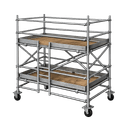
Temporary Structures
Covers scaffolding, fencing, and temporary buildings.

Soft Costs
Covers additional expenses from construction delays due to covered losses.

Equipment Coverage
Covers permanently installed fixtures and equipment.
What Makes Newark Different
Interior tenant work is what shifts the insurance picture here. The exposure is not just the shell or framing package but the timing of interior finishes, mechanicals, specialty fixtures, and owner expectations around opening dates or occupancy milestones. During your policy review, pay attention to where value accumulates during the job, which materials sit off site before installation, and whether partial completion creates a gap between construction and operational property coverage. Residential construction matters too. With a median home value of $357,600, a renovation or custom build can involve enough value that underinsuring the finished project amount creates a real balance-sheet problem if a loss hits late in the schedule. Bring the latest budget, change-order process, and delivery schedule into the quote request so the policy tracks the job as it is actually being built.
Our Recommendation for Newark
Start with the project type, not a generic application. If the work is a clinic fit-out, office renovation, mixed-use tenant improvement, or higher-value home project, ask the agent to review how the form treats materials in transit, temporary storage, theft-sensitive interior components, and testing or startup exposures. If the job involves a lender, landlord, or tenant allowance, compare the insurance requirements in those documents against the insured parties and loss payee structure before binding. For residential construction, it helps to set the finished value carefully and update it when scope changes. Finish selections or custom materials can move the budget enough to leave you short at claim time. For commercial work, flag any owner-furnished items early so there is no confusion about who insures them before installation. A strong submission usually includes the contract value, construction timeline, site security details, major delivery dates, and a clear list of parties that need to be scheduled.
Get Builders Risk Insurance in Newark
Enter your ZIP code to compare builders risk insurance rates from carriers in Newark, DE.
Business insurance starting at $25/mo
FAQ
Frequently Asked Questions
Newark office and clinic projects can benefit from starting with the property details and delivery milestones. Because New Castle County's leading sectors include professional services at 15.3% and health care at 11.2%, tenant improvements often involve specialized interior property that needs to be described clearly.
Newark residential projects can benefit from setting a finished value that reflects the full rebuild or renovation budget, not just materials already on site. With a median home value of $357,600, a late-stage loss on an underinsured project could cost tens of thousands out of pocket.
New Castle County does affect demand because there are 17,672 business establishments in the county. A base that size sustains steady landlord work, tenant improvements, and lender-reviewed projects, so your policy structure can benefit from aligning with the contract parties and project timeline.
Newark sees both, though the local establishment mix leans toward commercial demand. County data shows professional services, retail, and health care as leading sectors, which drives build-outs, renovations, and occupancy-driven construction schedules.
Delaware builders risk insurance is regulated through the Delaware Department of Insurance. That is the place to verify producer licensing, review complaint resources, and confirm you are dealing with a properly regulated insurance transaction before you bind coverage.
Delaware coastal projects often need closer review of water, wind, temporary openings, and material storage conditions. The policy may respond differently depending on the cause of loss and the stage of construction, so site conditions should be explained clearly during quoting.
Delaware renovation projects often require more careful wording review than ground-up jobs because existing structures, occupants, and ongoing operations can create overlapping property exposures. You should confirm exactly what new work is intended to be insured and what stays elsewhere.
Delaware construction lenders often expect evidence that the project is insured before funds continue to move. The practical step is to compare the lender requirements with the contract so insured parties, valuation, and effective dates line up before closing.
Sources
- 1.U.S. Census Bureau, County Business Patterns, New Castle County(Professional, scientific, and technical services lead the business mix in New Castle County at 15.3% of establishments, ahead of retail trade at 11.4% and health care and social assistance at 11.2%.; Newark sits inside a county with 17,672 business establishments.)
- 2.U.S. Census Bureau, ACS 5-Year Estimates, table B25077(Newark has a median home value of $357,600.)
Updated July 16, 2026