







































Updated July 16, 2026

Commercial Truck Insurance in Newark
Space costs change how you set limits long before a truck ever leaves the yard. In a market where Newark median household income is $71,373, local labor and repair rates tend to run higher than in lower-income areas, which means a single claim can drain a thin policy faster than you might expect. That makes commercial truck insurance in Newark less about buying the minimum and more about aligning deductibles and physical damage limits with the equipment you actually run, where you store it, and how much downtime your contracts can absorb. If your trucks serve campus-area deliveries, retail stops, medical offices, or professional clients across the surrounding county, you also need certificates, hired and non-owned auto questions, and cargo expectations handled cleanly before work starts. When you sit down for a quote review, bring your garaging address, unit list, driver roster, and trailer details, then test whether a higher deductible or stronger downtime tolerance makes more sense for your cash flow.
Commercial Truck Insurance Risk Factors in Newark
Newark's top risk factors include Flooding, Hurricane damage, Coastal storm surge, and Wind damage.
Delaware has a moderate climate risk rating. Top hazards: Hurricane (High), Flooding (High), Coastal Erosion (Moderate), Severe Storm (Moderate). The state's expected annual loss from natural hazards is $180M, which influences commercial truck insurance premiums and may affect coverage availability in high-risk areas.
What Commercial Truck Insurance Covers
Trucking coverage is usually built in layers, because the state's commercial auto minimums are not the same thing as trucking liability needs. For freight carriers, motor carrier liability is the core protection, and federal minimums for general freight often sit well above state auto requirements, with higher limits often needed for certain loads. Cargo insurance can protect the freight you are moving if it is stolen, damaged, or lost in transit, but the terms depend on the type of cargo and the policy wording.
Physical damage coverage can help with repair or replacement after a collision, theft, or other covered loss, which is especially relevant for equipment moving through dense traffic and storm-prone areas. Trailer interchange coverage matters if you use non-owned trailers under interchange agreements. Bobtail coverage and non-trucking liability are common for owner-operators, but they apply to different situations, so the policy language should match when the truck is under dispatch versus when it is not. Delaware-specific exclusions and endorsements vary by carrier, so a quote should be reviewed line by line before binding.
Coverage Included

Motor Carrier Liability
Can help cover injuries and property damage your truck causes to others, a coverage federal regulators require most for-hire carriers to maintain.
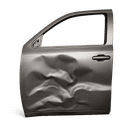
Physical Damage
Can help pay to repair or replace your own truck after an accident, fire, theft, or vandalism.
Cargo Coverage
May pay for damage to or theft of the freight you are hauling while it is in your care.
Trailer Interchange
Can help cover damage to trailers you haul under an interchange agreement but do not own.

Bobtail Coverage
May provide liability protection when you drive your tractor without a trailer attached, such as after dropping off a load.

Non-Trucking Liability
Can help cover accidents that happen when you use your truck for personal errands rather than dispatched work.
Commercial Truck Insurance Cost in Newark
Average Cost in Delaware
$370 - $1,025
per month
Businesses in Delaware typically see commercial truck insurance premiums of $370 - $1,025 per month, which tends to run 9% below the national range of $400 - $1,125 per month.
- Radius of operation
- Commodities hauled and cargo value
- Number and value of power units
- Driver motor vehicle records and CDL experience
- DOT safety record, inspections, and FMCSA scores
- Liability limits and physical damage deductibles
Contact CPK Insurance for a personalized quote.
Prices shown are general estimates, not guaranteed rates or quotes. Your actual premium will depend on the insurer, coverage selected, business details, location, claims history, and other underwriting factors. Learn about our pricing methodology.
Your cost depends on several local factors: coverage limits and deductibles, claims history, location, industry or risk profile, and policy endorsements. Delaware's risk profile matters because the state has high hurricane and flooding exposure, moderate severe storm risk, and a history of major disaster declarations. Those conditions can influence physical damage pricing, especially for fleets that park near coastal or low-lying areas. Traffic and loss trends also affect pricing: Delaware's fatal crash rate is slightly above the national average, which can translate into higher liability premiums because carriers price for the increased risk of severe accidents.
Cargo-heavy operations, long-haul routes, and higher limits for motor carrier liability usually cost more than basic local-haul policies. Your quote can also vary significantly by carrier, vehicle class, and endorsements.
Industries & Insurance Needs in Newark
New Castle County has 17,672 business establishments, so local trucking demand often comes from frequent, shorter commercial runs rather than a single shipper relationship. The county mix also matters: professional, scientific, and technical services account for 15.3% of establishments, retail trade 11.4%, and health care and social assistance 11.2%. That mix usually means more service-sensitive pickups, deliveries, and vendor visits where missed appointment windows can cost you the account even when the load value is modest. For a truck policy review, that changes what you ask for. Check whether your liability limits fit customer contract language, whether cargo terms match the goods you actually move, and whether rental reimbursement or downtime-related options deserve a closer look. If your book of business includes retail restocking, medical-related deliveries, and scheduled commercial stops in the same week, ask for the quote to be built around that route pattern instead of a generic trucking template.
What Makes Newark Different
New Castle County's commercial density creates real opportunities for local hauling and service work, but it also creates more places where a certificate request, lease requirement, or vendor agreement can force a fast insurance decision. A bare-bones policy can become expensive after the fact when a client suddenly asks for higher liability limits, additional insured wording, or proof of physical damage coverage on financed equipment. Rebuilding coverage mid-contract is costly and disruptive. Review who you haul for and where units park overnight, then quote the policy around those operational details, not just the truck value.
Our Recommendation for Newark
Be precise about body type and valuation method, and clarify whether any unit is leased or financed. If your work is mostly short-haul commercial service, ask the agent to review stop frequency and customer class, because repeated loading, backing, and parking exposures can shape your risk profile as much as mileage does. If you serve office, retail, or health care accounts, compare your current liability limit against the insurance requirements in your vendor agreements before renewal. Keep certificates organized, and if employees ever use personal vehicles for business errands, ask whether hired and non-owned auto belongs in your policy. If cash flow is tight, test deductible options carefully instead of cutting core coverage first. A lower premium can look attractive until one physical damage claim or one contract-required limit increase forces you to pay more later. Bring loss runs and sample contracts to the quote request so the policy can be reviewed against real jobs.
Get Commercial Truck Insurance in Newark
Enter your ZIP code to compare commercial truck insurance rates from carriers in Newark, DE.
Business insurance starting at $25/mo
FAQ
Frequently Asked Questions
Newark-area fleets often serve a dense commercial customer base in New Castle County. That usually means more certificates, more scheduled stops, and more contract-driven limit questions. Building your quote around actual customers and routes, rather than generic benchmarks, helps prevent gaps that surface during a contract review.
Newark-area owner-operators often work around a county economy led by professional services, retail, and health care establishments. That mix can change appointment sensitivity, cargo expectations, and vendor paperwork. Reviewing liability limits, cargo terms, and downtime-related options together keeps you from missing a requirement that a vendor agreement might surface at the worst time.
Newark quotes go faster when you arrive with your garaging address, vehicle schedule, driver roster, operating radius, and recent loss runs. If customers require certificates or specific limits, include those contracts. Having everything in hand means the policy gets measured against real obligations instead of assumptions.
Newark household income is $71,373, which means local labor and repair costs tend to run higher than in lower-income markets. That makes thin limits harder to absorb when a truck is sidelined. Choosing deductibles and physical damage limits with your actual cash-flow tolerance in mind, rather than defaulting to the lowest setup, can keep a single claim from becoming a financial crisis.
Your policy can include several layers of protection. Motor carrier liability is the core, and physical damage can help with repairs after a collision or theft. Cargo coverage protects the freight you are hauling. If you use non-owned trailers, trailer interchange applies. Bobtail coverage and non-trucking liability address different situations when the truck is not under dispatch. The right mix depends on whether you run local, regional, or long-haul work.
Delaware commercial auto minimums are $25,000/$50,000/$10,000, but freight carriers may also need to meet federal liability expectations, including at least $750,000 for general freight.
Your final cost depends on limits, deductibles, claims history, location, and endorsements.
Most freight operations need motor carrier liability first, then cargo coverage if they move goods for others, and physical damage coverage if they want help with truck repairs or replacement after a covered loss.
Sources
- 1.U.S. Census Bureau, ACS 5-Year Estimates, table B19013(Newark median household income is $71,373.)
- 2.U.S. Census Bureau, County Business Patterns, New Castle County(New Castle County has 17,672 business establishments.; Leading business sectors in New Castle County by establishment share are professional, scientific, and technical services at 15.3%, retail trade at 11.4%, and health care and social assistance at 11.2%.)
Updated July 16, 2026





