Updated July 16, 2026

Dealer Open Lot Insurance in Newark
Property managers, lenders, and auction partners around Newark usually want proof that your lot coverage matches the way vehicles are actually stored here. Before they release keys, approve a lease, or move units onto your schedule, they expect to see current inventory values, the exact storage address, and whether vehicles sit on your main lot, a secondary fenced area, or another local holding location tied to reconditioning or overflow. Clean documentation, not broad assurances, is what buyers, lenders, and landlords here tend to expect. With a median household income of $71,373, a meaningful share of your buyers finance late-model used vehicles, so your stated values and certificate details need to hold up to lender scrutiny. If your operation uses more than one storage point, review how each address appears on your policy before adding units, moving overflow inventory, or signing a new site agreement.
Dealer Open Lot Insurance Risk Factors in Newark
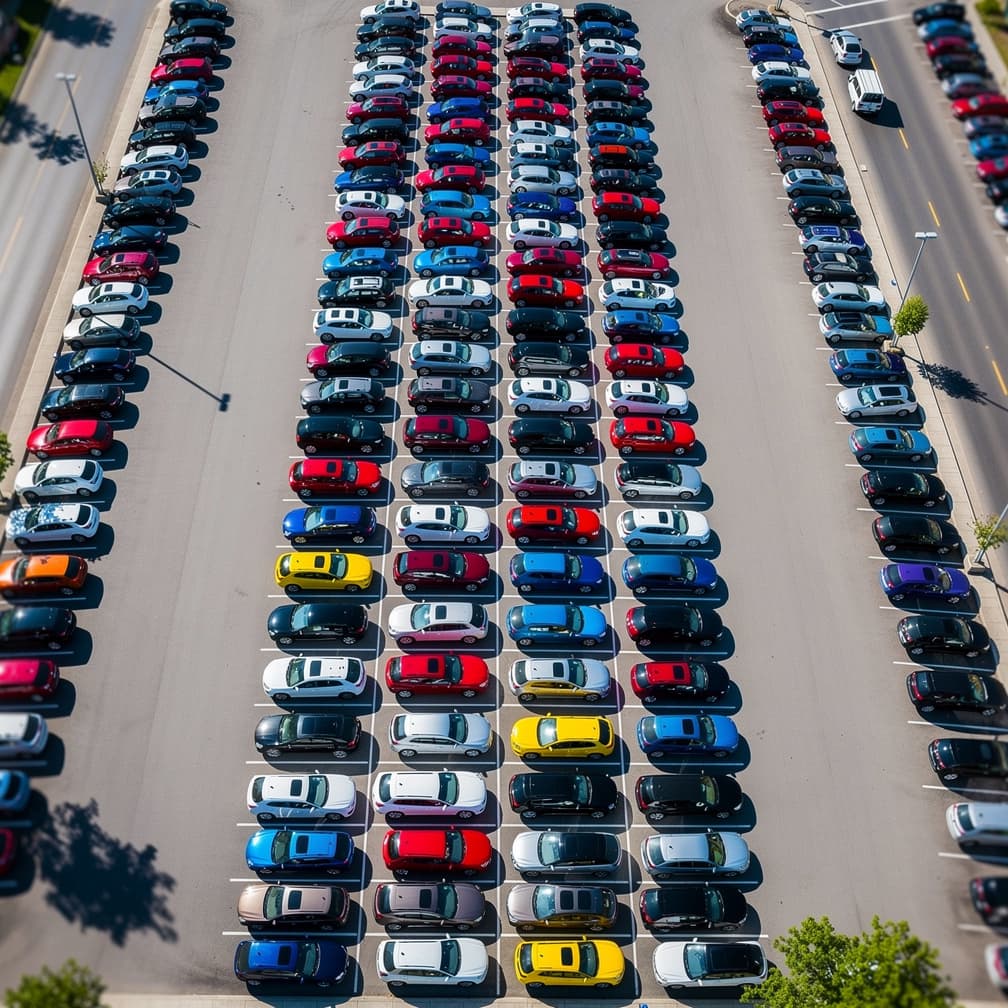
Here, the practical risk issue is **outdoor concentration**. Dealer inventory can sit exposed on open pavement for days or weeks while titles clear, repairs finish, or financing is finalized, so your review should focus on where vehicles are parked overnight, how keys are controlled, and whether overflow units ever move off the primary lot without being reported. Delaware's broader weather hazard profile matters in the background, but the city-level buying decision is less about naming a single peril and more about making sure your schedule reflects every place inventory is actually stored. If you rotate vehicles between a sales frontage, a back lot, and temporary overflow space, ask for confirmation that each location and valuation method is shown correctly before a loss forces that question.
Delaware has a moderate climate risk rating. Top hazards: Hurricane (High), Flooding (High), Coastal Erosion (Moderate), Severe Storm (Moderate). The state's expected annual loss from natural hazards is $180M, which influences dealer open lot insurance premiums and may affect coverage availability in high-risk areas.
What Dealer Open Lot Insurance Covers
A policy review should focus on the way vehicles are stored across your primary lot, any overflow area, service or reconditioning space, and any location used after auction purchases arrive. If a unit spends time somewhere other than the address on the application, ask how that location is treated before you assume it is included.
Weather deserves close attention in this state because lot layout can change the severity of a loss. You should review whether low spots on the property collect water, whether perimeter fencing leaves vehicles exposed to wind-driven debris, and whether high-value units are concentrated in the most vulnerable rows. Those operational details matter because a claim is easier to defend when your storage pattern is documented and consistent with the application. If your records do not match your actual lot setup, the insurer may delay your payout or deny the claim entirely.
If employees regularly reposition vehicles between lots, take units to detail or repair, or stage inventory offsite during crowded buying periods, ask where coverage may stop and where another policy may need to respond. The same applies if your dealership uses temporary storage while making room for new arrivals.
Delaware buyers should also pay attention to documentation. If you need to verify licensing, complaint resources, or consumer guidance while comparing policies, check the state's insurance regulator. Before you bind, ask for the scheduled locations, how losses are valued, and your deductible structure, along with any exclusions tied to unattended vehicles, keys, storm conditions, or off-premises storage in writing.
Coverage Included

Weather Damage
Covers hail, wind, flood, and storm damage to lot inventory.
Theft Protection
Covers vehicles stolen from your lot.
Fire Damage
Covers fire and explosion damage to inventory vehicles.

Vandalism
Covers intentional damage to vehicles on your lot.
Test Drive Coverage
Covers vehicles during customer and employee test drives.
Transit Coverage
Covers vehicles being moved between lot locations.
Industries & Insurance Needs in Newark
County business density is the local commercial backdrop that changes how this coverage gets requested and reviewed. New Castle County has 17,672 business establishments, so dealers here often operate in tighter commercial corridors where landlords, neighboring tenants, service vendors, and finance partners expect organized proof of coverage before inventory is parked, moved, or stored off the main frontage. The county mix also matters: professional, scientific, and technical services account for 15.3% of establishments, retail trade 11.4%, and health care and social assistance 11.2%. That mix supports a customer base that often values convenience, financing, and presentable inventory, so a dealership may carry newer units or faster-turning stock that should be valued carefully. Before you expand storage or add a satellite holding area, line up certificates, addresses, and inventory reporting so your paperwork keeps pace with how the lot actually operates.
What Makes Newark Different
In a market tied closely to a dense county business network, the real question is whether your proof of insurance, listed locations, and reported inventory values match day-to-day operations closely enough for a landlord, lender, or auction partner to accept them without delay. That becomes more important if your dealership uses overflow parking, shared commercial property, or a separate area for vehicles waiting on detail work or mechanical reconditioning. A policy can look adequate until someone asks where specific units were stored on the date of loss. Treat every address change, fencing change, and inventory shift as an insurance update, not just an operations note, so your evidence of coverage stays usable when a deal, lease, or inventory transfer depends on it.
Our Recommendation for Newark
Start with a location audit. List every place vehicles can sit overnight, even temporarily, and compare that list against the addresses and descriptions shown on your policy. Then review how you value inventory, especially if you carry a mix of older trade-ins and newer financed units, because broad estimates can create problems when proof is requested or a claim is reviewed. If you use a back lot, shared parcel, or overflow area during busy periods, ask whether that arrangement should be specifically scheduled rather than assumed. Your procedures for keys, test drives, transport between storage points, and vehicles waiting on service also matter, since those operational details often shape how underwriters view the exposure. Before renewing, request a quote review built around your actual storage pattern, not just your main sales address.
Get Dealer Open Lot Insurance in Newark
Enter your ZIP code to compare dealer open lot insurance rates from carriers in Newark, DE.
Business insurance starting at $25/mo
FAQ
Frequently Asked Questions
Newark landlords usually want a current certificate plus confirmation of the exact lot address where vehicles will be stored. If you use overflow or secondary storage, include those details up front so the lease review does not stall over mismatched locations.
Any address where vehicles sit overnight, even temporarily, should appear specifically on your policy. Unlisted locations may create gaps when a claim involves a unit stored off-site.
New Castle County has 17,672 business establishments, so your neighboring commercial tenants, vendors, and finance partners are accustomed to formal documentation standards. When a landlord or vendor requests proof before inventory is stored or moved, a certificate with the right address and adequate limits keeps the process moving.
If your inventory mix shifts toward higher-value units, underreported limits can leave a gap between what you owe a floor plan lender and what your policy may pay after a loss. Reviewing values quarterly helps prevent that mismatch.
Have your agent or broker review the new address, storage setup, and expected inventory concentration before vehicles are moved. **CPK Insurance is a marketplace that may match your request with participating licensed providers**, so you can compare options rather than working with a single carrier.
Yes, you typically need to list offsite storage lots on your policy. In Delaware, a policy may not extend coverage to secondary locations automatically. If you keep inventory at another address and do not schedule it, a loss there could be denied. Ask for that location to be shown clearly in the quote and final policy.
Delaware regulates insurance through the Delaware Department of Insurance. If you want to verify regulator information while comparing policies, use that agency's consumer resources, then focus your purchase decision on scheduled locations, valuation, deductibles, and exclusions.
Delaware weather can change how you evaluate lot layout, drainage, and where higher-value units are parked. If storm-related water damages vehicles parked in a known low-lying area, an insurer may dispute the claim if you were aware of the drainage issue and did not move the inventory. Ask your agent how storm-related losses, temporary vehicle moves, and storage at multiple addresses are handled.
Sources
- 1.U.S. Census Bureau, ACS 5-Year Estimates, table B19013(Newark households report a median income of $71,373, so dealers often serve customers shopping late-model used vehicles and financed purchases, which makes accurate stated values and lender-ready certificates more important when inventory turns quickly.)
- 2.U.S. Census Bureau, County Business Patterns, New Castle County(New Castle County has 17,672 business establishments, so dealers here often operate in tighter commercial corridors where landlords, neighboring tenants, service vendors, and finance partners expect organized proof of coverage before inventory is parked, moved, or stored off the main frontage.; The county mix also matters: professional, scientific, and technical services account for 15.3% of establishments, retail trade 11.4%, and health care and social assistance 11.2%.)
- 3.Delaware Department of Insurance(If you need a regulator reference, Delaware uses the Delaware Department of Insurance.)
Updated July 16, 2026