Updated July 16, 2026

On-Hook Towing Insurance in Newark
Higher local earning power changes the way you set up deductibles and on-hook limits. Newark's median household income sits at $71,373, which means the vehicles you pick up here may be newer, financed, or simply more expensive to repair after a loading, securement, or transit loss. That matters if you work apartment complexes near the university area, retail parking lots, repair shops, or private-property impounds where late-model SUVs, EVs, and leased vehicles show up in the same week. A lower deductible can make more sense if one claim would otherwise hit cash flow hard, while higher limits deserve a look if your dispatch mix includes vehicles with expensive sensors, cameras, or specialty wheels. Before you request quotes, it can help to pull a recent unit list by vehicle type, note your highest-value routine tow, and separate standard roadside work from police, storage, and private-property assignments so your policy review tracks your real exposure.
On-Hook Towing Insurance Risk Factors in Newark
Newark's top risk factors include Flooding, Hurricane damage, Coastal storm surge, and Wind damage.
Delaware has a moderate climate risk rating. Top hazards: Hurricane (High), Flooding (High), Coastal Erosion (Moderate), Severe Storm (Moderate). The state's expected annual loss from natural hazards is $180M, which influences on-hook towing insurance premiums and may affect coverage availability in high-risk areas.
What On-Hook Towing Insurance Covers
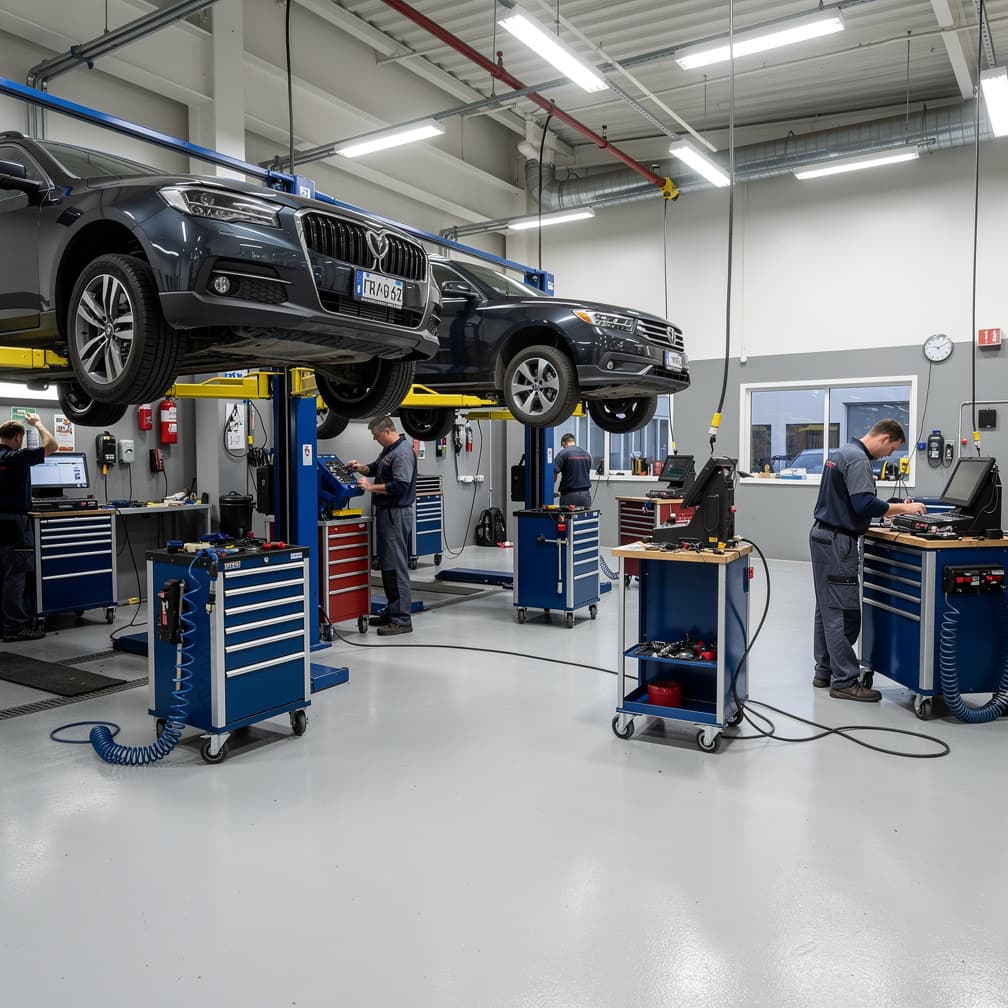
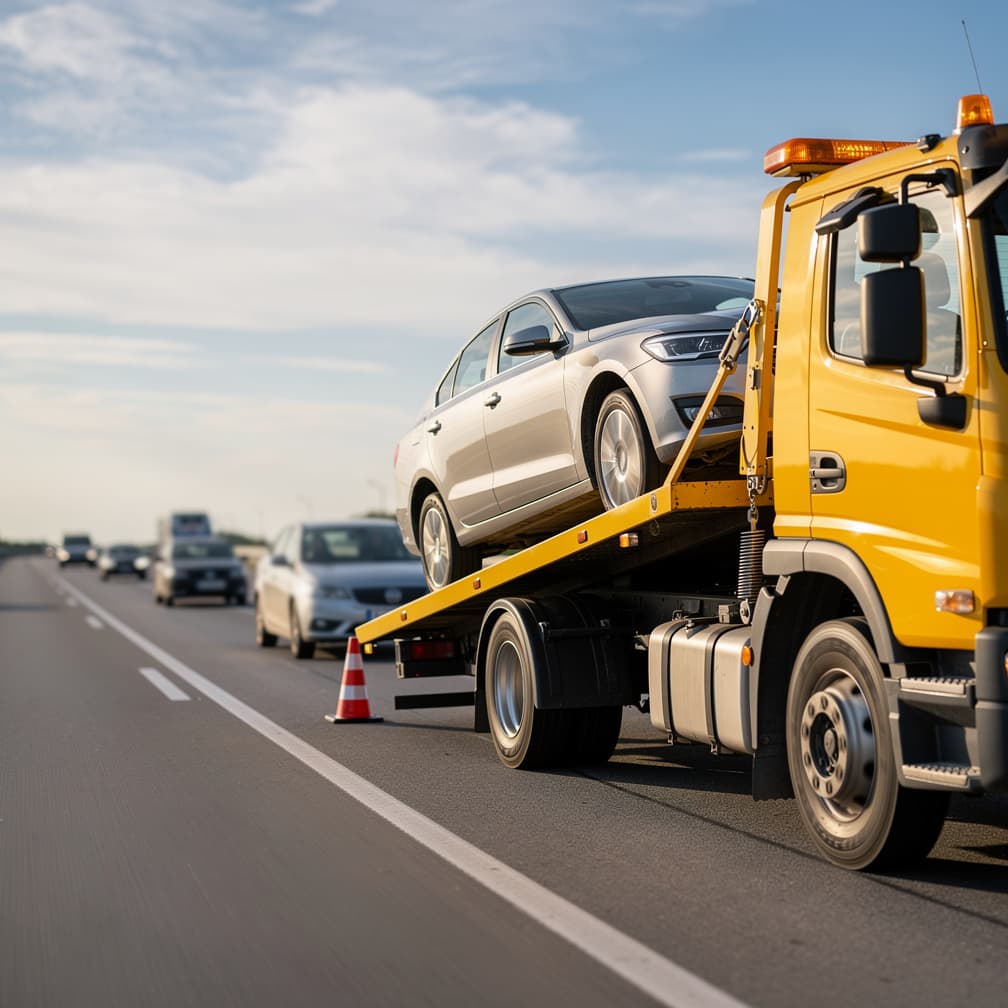
If your work includes roadside pickups on busy suburban corridors, recoveries after heavy rain, dealer transfers, apartment-complex impounds, or moves to body shops and repair facilities, the details of attachment, transport, and release matter. A policy review should focus on where damage allegations are most likely to start. Those points include during hookup, while the vehicle is secured, in transit, at unloading, or when conditions on the shoulder or lot make positioning harder.
That matters here because Delaware Code Title 21 governs towing and recovery operations, which means your compliance with those rules can affect how a claim is investigated and whether a damage dispute expands into a broader liability question. Weather-related hazards can change the loss pattern even on short runs. Wind can affect door swing, debris conditions, and roadside safety. Flooding can complicate access points, increase the chance of hidden water intrusion allegations, and make a customer dispute more expensive if electronics or interiors are involved. Severe storms can also compress call volume into a short period, which raises the odds of rushed documentation or inconsistent securement practices. If your operation works near coastal areas or low-lying routes, ask specifically how the policy responds when a damaged vehicle is moved after storm conditions and whether any exclusions or sublimits may affect the claim.
You should also review how your on-hook limit fits the most expensive vehicle you are willing to accept, not just the average call. If one truck handles routine breakdowns most days but occasionally moves newer SUVs, work vans, or specialty vehicles, your limit decision should reflect that peak exposure. Ask for sample claim scenarios tied to your actual services, then compare those against your dispatch records and tow tickets.
Coverage Included

Collision on Hook
Covers damage to towed vehicles from collisions during transport.
Comprehensive on Hook
Covers theft, fire, and weather damage to vehicles being towed.
Loading & Unloading
Covers damage during the process of loading and unloading vehicles.
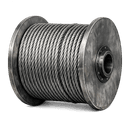
Winching Coverage
Covers damage to vehicles during winching and recovery operations.
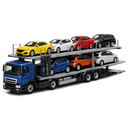
Multiple Vehicle
Covers all vehicles on multi-car carriers and rollback flatbeds.
Industries & Insurance Needs in Newark
County business density is the local demand signal that matters most. New Castle County has 17,672 business establishments, so a tow operator working around Newark often deals with commercial parking enforcement, customer vehicles left at service locations, employee lots, delivery areas, and retail centers where damage allegations can start fast after a hookup. The county mix also matters: professional, scientific, and technical services account for 15.3% of establishments, retail trade 11.4%, and health care and social assistance 11.2%. That points to office parks, shopping destinations, and care facilities where newer personal vehicles and time-sensitive removals are common. For your insurance review, that means matching on-hook limits to the most expensive vehicle you are likely to move from those properties, and checking whether your procedures for photos, condition reports, key control, and release documentation are strong enough to defend a claim after a disputed tow.
What Makes Newark Different
The practical issue is not just how many tows you run but what sits on your wheel lift or rollback when something goes wrong. A scraped bumper on an older sedan is one claim. A loading loss involving a newer crossover with driver-assist sensors, specialty lighting, or financed equipment is a different severity conversation. That is why a local buyer may benefit from spending less time chasing the lowest deductible or limit combination and more time pressure-testing the maximum value of the vehicles routinely handled. If your book includes apartment enforcement, campus-adjacent calls, repair-shop pickups, or retail lot removals, the right deductible choice can protect cash flow when a dispute arises. One bad tow should not become a balance-sheet problem.
Our Recommendation for Newark
Start with your dispatch records, not assumptions. Sort your last few months of calls into categories like private-property impounds, roadside recoveries, shop-to-shop moves, dealer or fleet work, and higher-value specialty tows. That gives you a cleaner way to judge whether your current on-hook limit fits the vehicles you actually touch around Newark. Next, review how your operators document condition before hookup. Solid documentation practices like time-stamped photos, wheel and tire closeups, notes on pre-existing damage, and a consistent securement checklist can matter as much as the policy form when a customer disputes a scratch, bent component, or sensor issue. If you tow newer vehicles regularly, it may help to compare side-by-side options with different deductibles rather than focusing on one number. Also confirm whether your storage, release, and subcontracting practices create handoff points that can be discussed during underwriting. Bring your unit schedule, driver list, service radius, and a sample of recent tow types when you request a free, no-obligation quote.
Get On-Hook Towing Insurance in Newark
Enter your ZIP code to compare on-hook towing insurance rates from carriers in Newark, DE.
Business insurance starting at $25/mo
FAQ
Frequently Asked Questions
Newark operators may want to base the limit on the most expensive vehicle they routinely tow, not the average call. Because local earning power tends to bring newer or financed vehicles into your rotation, one loading or transit loss can become more expensive quickly.
New Castle County does affect exposure because it has 17,672 business establishments. That volume translates into more commercial lots and parking disputes to manage, which can increase the frequency of private-property and business-related tows in your rotation.
Newark-area towing often touches office, retail, and care-related properties because New Castle County's leading sectors include professional services at 15.3%, retail at 11.4%, and health care at 11.2%. Those property types tend to have newer employee and customer vehicles on site, which can mean faster-moving damage disputes.
Newark buyers should compare deductible options against cash flow and the value of vehicles they handle. If one disputed tow would be hard to absorb out of pocket, a lower deductible may be worth pricing alongside higher-deductible options before renewal.
The Delaware Department of Insurance regulates insurance in the state, which means it licenses the providers and agents who sell policies, reviews rate filings, and takes consumer complaints. If you have a dispute with a carrier over a claim, you can file a complaint with the department, and it can help investigate whether the carrier handled your claim properly under Delaware law.
Delaware roadside operators should review on-hook coverage any time customer vehicles are attached to the truck and moved. Short local tows can still produce expensive disputes, especially when weather conditions, pre-existing damage questions, or difficult unloading situations are involved.
Delaware weather conditions can change the risk on an otherwise routine tow. Severe storms, wind, and coastal flooding can complicate access, loading, securement, and unloading, so your quote should reflect whether those calls are part of your normal dispatch mix.
Delaware tow operators should usually review limits against the most expensive vehicle they are willing to accept. If dispatch can send a truck to move a higher-value unit, your on-hook limit should be tested against that peak exposure.
Sources
- 1.U.S. Census Bureau, ACS 5-Year Estimates, table B19013(Newark median household income is $71,373.)
- 2.U.S. Census Bureau, County Business Patterns, New Castle County(New Castle County has 17,672 business establishments.; New Castle County's leading sectors by establishment share are professional, scientific, and technical services at 15.3%, retail trade at 11.4%, and health care and social assistance at 11.2%.)
Updated July 16, 2026