







































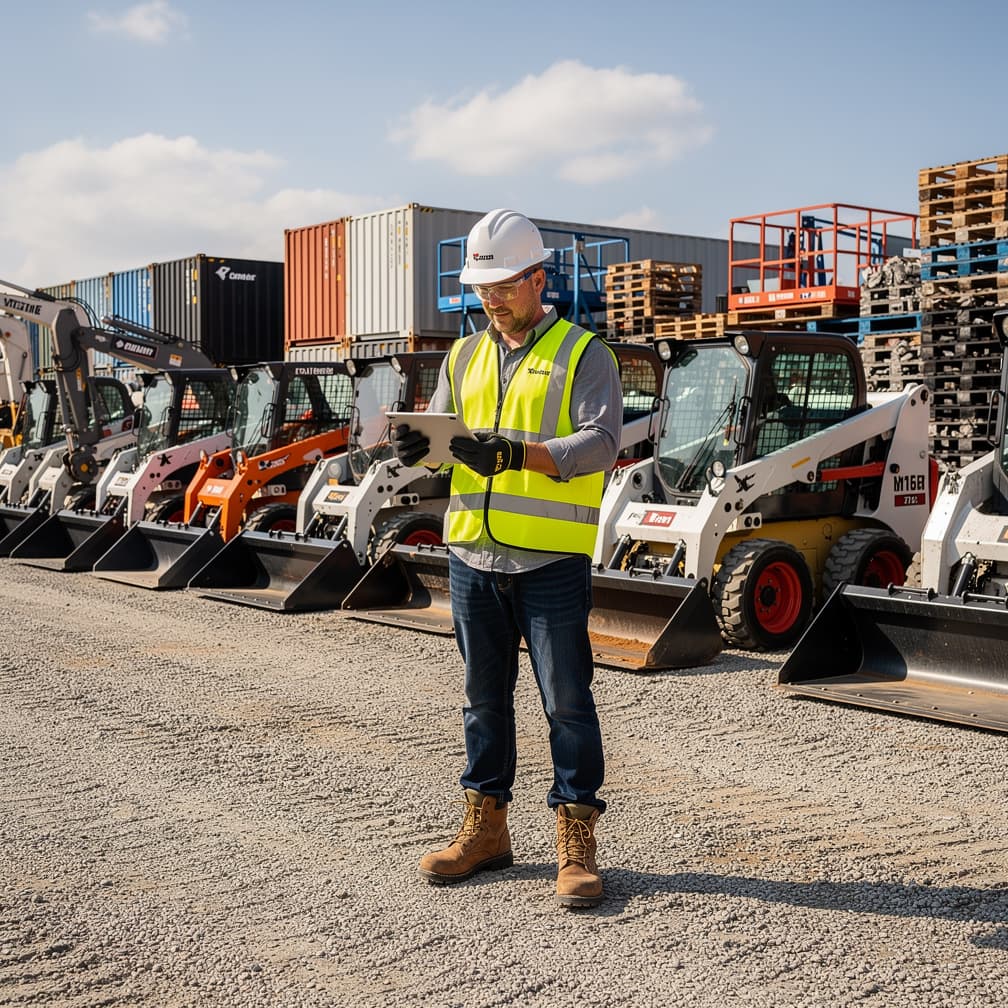

A skid steer comes back through the gate with a cracked hydraulic hose, and the contractor who rented it says the damage was already there at pickup. That argument is where construction equipment rental insurance in Wilmington stops being paperwork and starts being money. The machine sits in the shop instead of on a job, the repair invoice needs an owner, and your rental agreement is the first document anyone reads. Whether a policy picks up any of it depends on the form you bought, the deductible you chose, and how the loss gets classified. Damage found at return is not the same thing as a machine that wore out under normal use. That distinction can decide the whole claim. The sections below break down which lines these disputes actually reach, and what carriers in Delaware ask before they quote one.
What Makes Wilmington Different
Seasons control this trade more than pricing does, and the shoulder months are where the plan gets made. A shortened working season compresses revenue into fewer weeks while the premium keeps running twelve months. That math pushes owners to cut coverage in slow stretches, which is when a quiet yard is easiest to walk into. Machines parked and idle are still worth stealing, and an unused unit is not a cheaper unit to insure. Suspending or reducing a policy midyear can also complicate the certificates already on file with customers. Those obligations do not pause because your work did, and a lapse can breach a contract you forgot. If the season is the problem, address it through deductibles and the schedule instead of through gaps. Talk it through before the quiet stretch in Wilmington, and compare what carriers in Delaware will allow.
Local Risk Factors in Wilmington
Before a named storm is on the map, decide what comes home. A recall plan that pulls high-value units back to the yard is the least expensive storm protection available, and it belongs in the rental agreement rather than in a rushed phone call. Once a storm is named, carriers commonly stop binding new coverage or changes in the affected area, so the decision has to be made early or not at all. Inland Marine wording on unattended and stored equipment is what governs the machines you cannot recover, and it varies more than owners expect. Check that language for New Castle County work now. A yard in Wilmington that reads it during the quiet months is not reading it by flashlight.
What Coverage Does a Construction Equipment Rental in Wilmington Need?
General Liability
Contractors, landlords, and public project offices all demand proof of this one before a machine reaches the site. It is generally the line that answers third-party injury and property damage tied to your equipment, your delivery crew, and your yard. It typically does not address damage to the machines themselves, and the additional-insured wording a contract insists on lives here.
Example: A scissor lift your driver positions rolls slightly and gouges a finished stairwell. The contractor bills the repair to your company, and General Liability could pick up the property damage claim, deductible aside.
Commercial Property
The building, the shop, the parts room, the racking, and the office where your rental agreements live all sit under this form. It may respond to fire, wind, and other named perils at your address, subject to the deductible. Machines that leave the yard usually belong on an equipment form instead, and flood is typically excluded.
Example: A fire starts near the wash bay and takes the parts room and half the racking with it. Commercial Property might cover rebuilding the space and replacing what burned, depending on the cause of loss.
Tools & Equipment (Inland Marine)
Wear, mechanical breakdown, and a machine that simply aged out are not what this form exists for. What it can address is sudden, accidental loss to the units on your schedule: theft from a jobsite, damage in transit on a trailer, a unit tipped or crushed. Scheduling and storage terms decide most claims, so the list has to be right.
Example: A mini excavator disappears overnight from a job your driver delivered to at noon. If the unit was scheduled and the storage terms were met, that theft is the sort of loss an equipment form is meant to answer.
Commercial Auto
Unlike the equipment form, this one follows the vehicles: the trucks, trailers, and lowboys hauling iron out to jobs. Pricing runs off driver records, radius, and what you carry, and it can respond to liability and physical damage involving those vehicles. Where the machine on the trailer sits is a separate question, so ask how the two forms meet.
Example: Your lowboy rear-ends a car on the way to a delivery and the other driver claims an injury. Bodily injury and the wrecked vehicle typically fall to the auto policy rather than to the equipment form.
Commercial Umbrella
A contract demanding a combined limit your underlying policies cannot reach is usually why a rental company buys this. It sits above General Liability and commonly above the auto policy, extending limits rather than widening the form underneath. Minimum underlying limits are required, and a gap the base policy excludes generally stays a gap.
Example: A jobsite injury verdict runs past the liability limit your contract demanded, and the excess has to come from somewhere. That is where an umbrella would sit above the underlying limit, subject to its own terms.
How Much Does Construction Equipment Rental Insurance Cost in Wilmington?
Construction Equipment Rental Insurance is a bundle of separate policies, priced separately. The ranges below are typical figures for Wilmington for each line; a quote prices each one against your own operations.
| Coverage | Typical range | What moves your price |
|---|---|---|
| General Liability Insurance | $240 - $850 per month | Industry and risk classification, annual revenue, number of employees |
| Commercial Property Insurance | $170 - $625 per month | Building value and construction type, roof age and condition, fire protection class |
| Inland Marine Insurance | $420 - $1,625 per month | Total insured value of the scheduled property, type and age of the equipment, where it is stored and how far it travels |
| Commercial Auto Insurance | $340 - $1,025 per month | Fleet size and vehicle types, driver records and experience, coverage limits and deductibles |
| Commercial Umbrella Insurance | $120 - $480 per month | Umbrella limit requested, limits carried on the underlying policies, loss history on those underlying policies |
Prices shown are general estimates, not guaranteed rates or quotes. Your actual premium will depend on the insurer, coverage selected, business details, location, claims history, and other underwriting factors. Learn about our pricing methodology.
What Are the Insurance Requirements for a Construction Equipment Rental in Wilmington?
Workers' comp is generally required once you have your first employee. Delaware generally requires employers to carry workers' compensation at that point. Common exemptions include sole proprietors, partners, and LLC members. Confirm current thresholds with your state's workers' compensation agency before you hire.
State auto liability minimums apply to business vehicles. Delaware's minimum auto liability limits are $25,000/$50,000/$10,000 (bodily injury per person / per accident / property damage). Contracts and lenders often require more than the state floor.
Flood damage is typically excluded from standard policies. Standard commercial property and builders-risk-type policies typically exclude flood damage. Flood exposure varies address by address, so check your premises in FEMA's Flood Map Service Center before deciding; if you sit in a mapped flood zone, a separate policy through the National Flood Insurance Program is the usual starting point.
Where to verify licensing and coverage rules. The Delaware Department of Insurance publishes consumer guidance and current insurance requirements for Delaware businesses. When a contract or lease demands specific wording, the Delaware Department of Insurance's guidance is the authoritative place to check.
Get Your Construction Equipment Rental Quote in Wilmington
Compare rates from multiple carriers. Free quotes, no obligation.
Operating in Wilmington
- Jobs pull equipment across New Castle County lines and back again, so a machine spends more of its working life standing on somebody else's ground than it ever spends on yours.
- Attachments disappear before machines do. A bucket, a breaker, or a set of forks lifts into a pickup in a minute and is nearly impossible to identify once it is gone.
- Your driver is the last person to touch a unit before it becomes the customer's problem, which makes the delivery photos the most useful documentation your business owns.
- A landlord behind your Wilmington yard can require proof naming them before a single machine parks overnight, and lease clauses about fuel tanks and wash bays tend to outlive the lease itself.
How to Buy: Advice for Wilmington Owners
Ask what happens to a machine that is not yours. Yards rent in extra units during busy stretches, and equipment leased in from another dealer sits in an awkward spot on your policy. Inland Marine forms treat borrowed or leased-in units differently, sometimes with a separate sublimit, sometimes not at all. Get the answer in writing before the unit arrives, because the dealer's contract already made you responsible for it. The same question applies to attachments moved between machines and to customer property left in your yard. None of it is exotic, and all of it is easy to miss on an application. The Delaware Department of Insurance publishes consumer guidance on reading commercial policy forms in Delaware. Comparing participating carriers on those sublimits matters more than comparing them on the headline premium.
FAQ
Construction Equipment Rental Insurance in Wilmington: FAQ
The two forms answer different questions. Commercial Property generally addresses the building, the shop, the racking, parts inventory, and office contents at your address. Machines that leave the yard usually sit on an equipment form instead. Owners who buy one and assume it swallows the other find the seam during a claim. Ask each carrier which policy responds to a unit parked in the yard versus a unit out on a job.
Standard property and equipment forms typically exclude flood, so rising water is usually priced separately through a flood policy. Rain falling into an open cab is a different question than a waterway reaching your lot, and forms treat the two differently. If low ground is part of your operation in Wilmington, ask about flood coverage before the wet season, because it cannot be added once water is forecast.
Injury claims tied to equipment you rented out generally land on General Liability, and a suit filed in New Castle County can name you even when your driver left hours earlier. Fault gets argued later; defense spending starts right away. Your inspection records, your setup practice, and whether the renter signed off on the machine's condition at pickup all matter. So do the limits your contracts already committed you to.
Usually, because the dealer's contract already made you responsible for the unit while it sits in your possession. Leased-in or borrowed equipment occupies an awkward spot: some forms include it with a separate sublimit, some exclude it, and some stay silent until a claim forces the reading. Confirm the wording in writing before the machine arrives rather than after somebody damages it.
A few levers exist and they are unglamorous. Raising the deductible so small damage-on-return disputes never reach a carrier tends to help, and so does removing dead units from your equipment schedule. Cleaning up driver records moves Commercial Auto more than anything else on the file. Loss history is the lever you already pulled, and it takes years to work back. Trimming the schedule to trim the bill is a deferred loss rather than a saving.
Ask, because it is not automatic. Equipment forms can carry territorial wording, and a job that pulls a unit outside Delaware may sit outside what you actually bought. The same question applies to the truck hauling it and to any hired driver behind the wheel. If a customer routinely takes machines beyond New Castle County, get the territory confirmed in writing before the trailer leaves your gate.
Sources
- 1.Delaware Department of Insurance(Delaware Department of Insurance publishes consumer guidance for insurance buyers.)
- 2.FEMA / FloodSmart(Flood coverage is typically purchased separately; FEMA administers the National Flood Insurance Program.)


