







































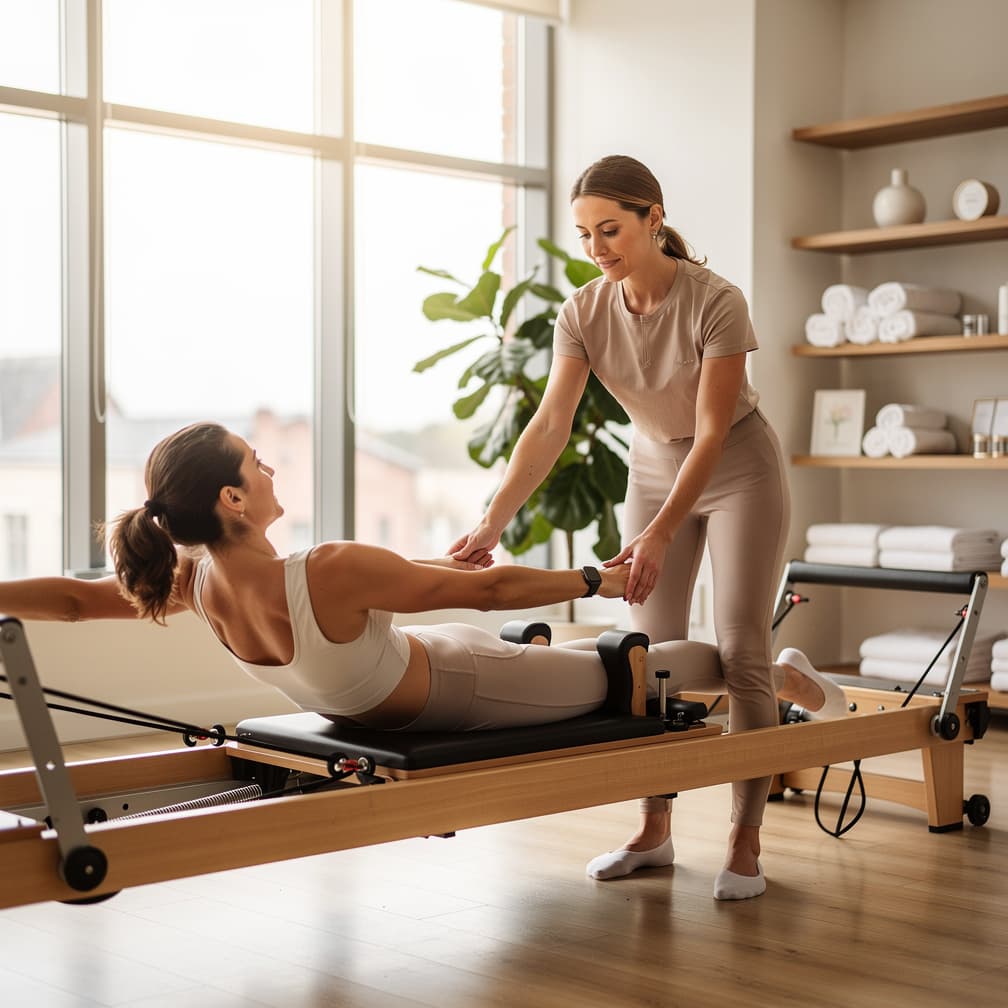

General liability for a small studio typically runs $35 to $130 a month, which is less than one canceled week of classes costs you. That figure moves with floor area, class volume, whether you host teacher training, and how many claims sit behind you. Pilates studio insurance in Wilmington is priced off those inputs, so two studios on one street can pull different numbers from the same participating carriers in Delaware. Thin limits look fine until a single fall claim eats the aggregate and there is nothing left for the rest of the policy year. Ask what a quote assumes about your headcount and your session mix before you set it beside another one. The sections ahead break down each line, its published range, and the paperwork your lease is likely to demand.
What Makes Wilmington Different
Opening day has a paperwork gate, and it is rarely the one owners plan for. A buildout inspection, a fire sign-off, and a request for proof of liability coverage can all land in the same week. Rules vary by state and by city, so the safest move is to ask your own permit office early. The Delaware Department of Insurance publishes the current requirements for the commercial policies sold in Delaware, which beats a forum thread. Meanwhile your instructors are booked, your launch class is posted, and your reformers are already bolted to the floor. Ten days between the certificate request and the certificate itself is ten days of refunds. Get a quote moving before the buildout finishes rather than while an inspector waits. Nothing about opening a studio in Wilmington rewards leaving that to the last week.
Local Risk Factors in Wilmington
Before the season turns, decide what you would do with sixty springs, a dozen carriages, and a wall of mirrors if a storm were three days out. Write it down: who moves what, where the retail stock goes, who calls the clients. That plan is also an underwriting story, because a carrier in Delaware pricing a coastal risk is pricing what you do as well as where you sit. Bundled forms that hold property and liability together for a smaller studio still ration wind coverage by deductible and by wording, so read the wording. A studio in Wilmington that knows its named-storm deductible in advance is not negotiating with itself during a warning.
What Coverage Does a Pilates Studio in Wilmington Need?
General Liability
A student crossing the floor to a reformer slips and lands hard: that third-party injury is the claim General Liability is meant for. It can also help with damage you do to the space you rent, and with the legal defense that follows a suit. What it typically leaves alone is any argument about your instruction itself.
Example: A client hurries toward the changing room, catches a mat edge near the water station, and breaks a wrist; the medical bills and the suit behind them are what this line is meant to answer.
Professional Liability
Instruction is the product, and Professional Liability is the line written for claims about it: a cue, a hands-on correction, a spring setting, a program built for someone returning from injury. It generally responds to allegations that your teaching caused harm, subject to the terms, and it usually has nothing to say about a wet floor.
Example: A client back from physical therapy follows the progression you built and blames the added load for a re-injury weeks later; defending that argument is where this coverage typically earns its place.
Commercial Property
Flood is excluded on the standard form, and wear on springs and straps counts as maintenance, so start from what Commercial Property is not. What it is: reformers, towers, mirrors, the sound system, retail stock, and the buildout you paid for, against causes like fire, theft, storm damage, and vandalism, subject to your limit and deductible.
Example: Fire in the unit next door pushes smoke through a studio in Wilmington, and every strap, mat, and cushion has to go; a property claim is generally how the room gets refitted.
Business Owners Policy
Two forms in one envelope. A Business Owners Policy bundles the property side and the liability side, which suits a single-room studio with a landlord to satisfy and apparatus to insure. It often prices below the parts bought separately, and it commonly leaves instruction claims outside, so read the exclusions before treating it as the whole answer.
Example: A pipe lets go over a weekend and a student falls the week after in Wilmington; one form, one deductible schedule, and one carrier fielding both calls is the practical draw, subject to the limits inside it.
How Much Does Pilates Studio Insurance Cost in Wilmington?
Pilates Studio Insurance is a bundle of separate policies, priced separately. The ranges below are typical figures for Wilmington for each line; a quote prices each one against your own operations.
| Coverage | Typical range | What moves your price |
|---|---|---|
| General Liability Insurance | $55 - $170 per month | Industry and risk classification, annual revenue, number of employees |
| Professional Liability Insurance | $45 - $150 per month | The services you actually perform, annual revenue or billed fees, limit and retention selected |
| Commercial Property Insurance | $65 - $220 per month | Building value and construction type, roof age and condition, fire protection class |
| Business Owners Policy Insurance | $90 - $270 per month | Annual revenue and industry class, building and contents values, square footage and building age |
Prices shown are general estimates, not guaranteed rates or quotes. Your actual premium will depend on the insurer, coverage selected, business details, location, claims history, and other underwriting factors. Learn about our pricing methodology.
What Are the Insurance Requirements for a Pilates Studio in Wilmington?
Workers' comp is generally required once you have your first employee. Delaware generally requires employers to carry workers' compensation at that point. Common exemptions include sole proprietors, partners, and LLC members. Confirm current thresholds with your state's workers' compensation agency before you hire.
Flood damage is typically excluded from standard policies. Standard commercial property and builders-risk-type policies typically exclude flood damage. Flood exposure varies address by address, so check your premises in FEMA's Flood Map Service Center before deciding; if you sit in a mapped flood zone, a separate policy through the National Flood Insurance Program is the usual starting point.
Where to verify licensing and coverage rules. The Delaware Department of Insurance publishes consumer guidance and current insurance requirements for Delaware businesses. When a contract or lease demands specific wording, the Delaware Department of Insurance's guidance is the authoritative place to check.
Get Your Pilates Studio Quote in Wilmington
Compare rates from multiple carriers. Free quotes, no obligation.
Operating in Wilmington
- Springs and straps wear out on a schedule, and wear is maintenance rather than a claim. Log the inspections anyway, because the log is what shows a spring failure was not neglect.
- Bare feet and grip socks on a sprung floor leave no margin for a wet patch near the water station, and a client in Wilmington who falls there is a liability claim with witnesses in the room.
- Clients arrive straight out of physical therapy carrying an injury history they may or may not volunteer. The intake note you take before programming anything is the first document anyone asks for later.
- Waivers signed on a tablet are useful only if you can retrieve one three years later. Store them where a claim can reach them, not only inside an app you may stop paying for.
How to Buy: Advice for Wilmington Owners
Ask everyone who teaches in your room for their own certificate. A guest instructor, a visiting teacher trainer, a physio renting the space between classes: if their client gets hurt, your name is still on the building. Get named on their policy the way your landlord is named on yours, and keep the certificates where you can find them in a hurry. Where instructors are contractors rather than staff, the classification matters to a quote, and the honest answer belongs on the application. General Liability may respond to some of that and not all of it, which is exactly why the paperwork exists. A Business Owners Policy usually carries the same liability alongside your property limits and asks the same questions. Requirements vary, and the Delaware Department of Insurance publishes consumer guidance on commercial coverage for small businesses in Delaware. Once the arrangements are written down, put the same picture in front of participating carriers through CPK and compare what comes back for your Wilmington studio.
FAQ
Pilates Studio Insurance in Wilmington: FAQ
Expect questions on square footage, class schedule and caps, instructor count, whether instruction happens away from the studio, an apparatus list with values, the improvements you installed, and any incidents from the last few years. Have the insurance exhibit from your Wilmington lease ready too, since it sets the limits you actually need. A complete file leaves fewer assumptions to price, and assumptions rarely get priced in your favor.
Do not assume it. A policy is written around the addresses you disclosed, and instruction somewhere else can fall outside what the form contemplates. Some carriers extend it, some want the location added first, and some decline. The venue or the parks office may also want a certificate naming them. Ask before you post the class in Wilmington, because adding a location beforehand is routine and arguing about it after an injury is not.
Usually you do, even though you cannot take them with you. Building owners generally insure the shell, and tenant improvements land on the tenant's side of the line unless the lease says otherwise. Read the lease, then set a property limit that reflects a real replacement cost for the buildout and the machines in your Wilmington room. A limit carried over from opening day is the one that falls short after a fire.
It is a sensible starting point, since a Business Owners Policy typically packages property and liability on one form at limits a landlord can accept. What it usually leaves out is the instruction claim, which is where Professional Liability comes in. Read the exclusions before you take the convenience, and check that the property limit inside the bundle reflects the apparatus you actually own rather than a default figure.
Wear and tear on springs, straps, and upholstery is maintenance, and maintenance generally sits outside a property form. Flood is normally excluded and priced separately. Damage you cause on purpose is never covered anywhere. Money lost because a class was canceled with no physical damage behind it usually falls outside the form as well. Ask what the form treats as a covered cause of loss before you assume.
Directly, and often unhappily. A single carriage repair or one mirror replacement is real money and still small next to a fire, so a high deductible can swallow the entire claim. That is the trade you are making: a lower monthly figure in exchange for carrying small losses yourself. Run the deductible against the losses you are most likely to have rather than the one you are least likely to have.
Sources
- 1.Delaware Department of Insurance(Delaware Department of Insurance publishes consumer guidance for insurance buyers.)
- 2.FEMA / FloodSmart(Flood coverage is typically purchased separately; FEMA administers the National Flood Insurance Program.)


