







































Updated July 10, 2026

Tailors Insurance in District of Columbia
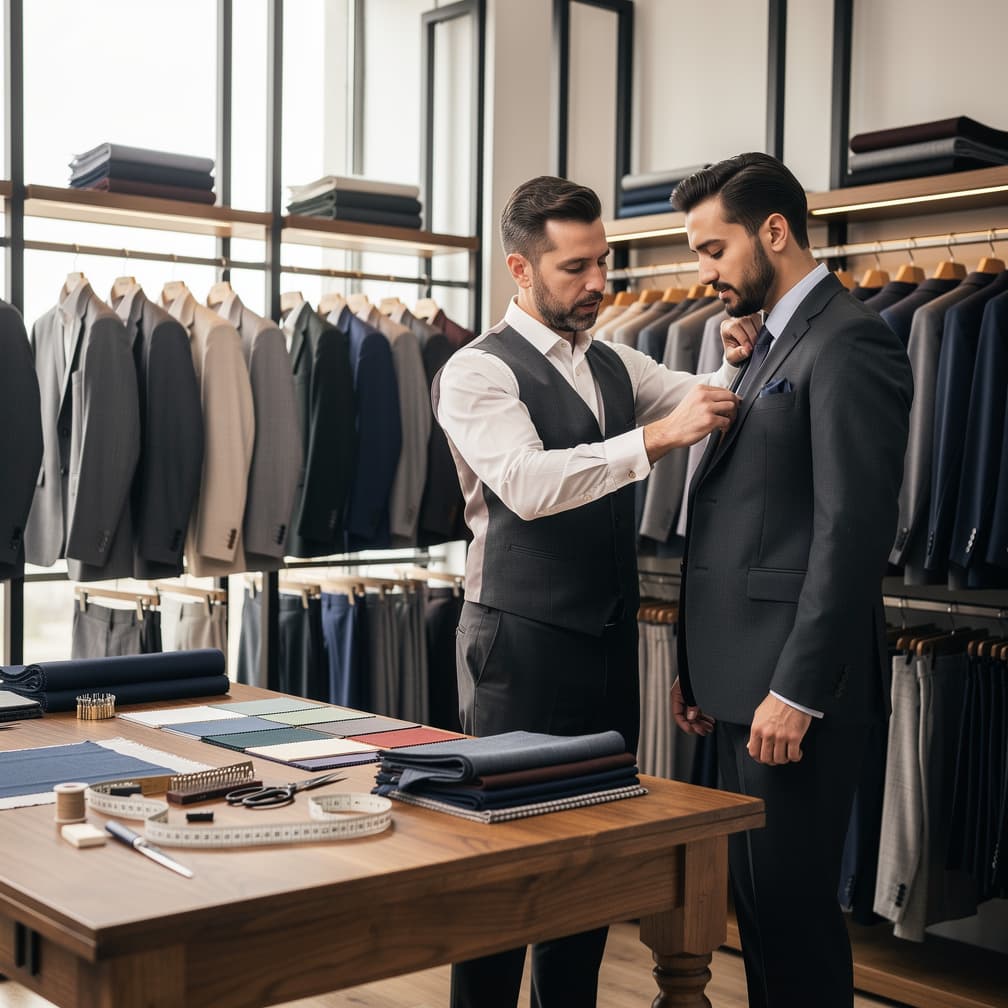
A tailors insurance quote in District of Columbia should reflect how your shop really operates: walk-in fittings, customer garments on site, sewing equipment in use, and a lease that may require proof of liability coverage. In Washington and nearby neighborhoods, a small tailoring or alteration business can have more to think about than a simple storefront policy. Busy entrances in a downtown or shopping district setting can raise slip and fall exposure, while customer property stays in your care during alterations, pressing, and pickup. If your shop is in a retail corridor, mall kiosk, or strip mall, your coverage should also account for building damage, fire risk, theft, storm damage, and business interruption that can slow revenue when the shop has to close. District of Columbia’s insurance market, lease expectations, and workers’ compensation rules for businesses with employees all shape what a quote should include. The goal is not just to buy a policy, but to match coverage to the way a tailoring business handles garments, equipment, and daily customer traffic.
Climate Risk Profile
Natural Disaster Risk in District of Columbia
Understanding climate-related risks helps determine appropriate insurance coverage levels.
Flooding
High
Hurricane
Moderate
Extreme Heat
Moderate
Winter Storm
Moderate
Expected Annual Loss from Natural Hazards
$95M
estimated economic loss per year across District of Columbia
Source: FEMA National Risk Index
Risk Factors for Tailors Businesses in District of Columbia
- District of Columbia storefronts in downtown, shopping district, and retail corridor locations can face customer slip and fall exposure when foot traffic is heavy and entryways stay busy.
- Tailors in District of Columbia may need liability coverage for third-party claims involving customer property, including garments left for alterations or fitting appointments.
- Flooding in District of Columbia can affect building damage, equipment, inventory, and business interruption for a tailoring shop that relies on steady walk-in traffic.
- Storm damage and winter storm conditions in District of Columbia can create property damage risks for a small business with displays, machines, and finished garments on site.
- Fire risk, vandalism, and theft can disrupt a tailor shop in a business district or near Washington city center, especially when equipment and inventory are kept on premises.
How District of Columbia compares with the national baseline
Property crime per 100,000 residents
4,120 vs 2,200 baseline
Property crime in District of Columbia runs above the national average, at 4,120 vs 2,200 incidents per 100,000 residents.
Blue bar: District of Columbia. Gray line: national baseline.
How Much Does Tailors Insurance Cost in District of Columbia?
Tailors Insurance is a bundle of separate policies, priced separately. The ranges below are typical figures for District of Columbia for each line, except workers compensation, which is rated per $100 of payroll; a quote prices each one against your own operations.
| Coverage | Typical range | What moves your price |
|---|---|---|
| General Liability Insurance | $50 - $130 per month | Industry and risk classification, annual revenue, number of employees |
| Commercial Property Insurance | $70 - $210 per month | Building value and construction type, roof age and condition, fire protection class |
| Business Owners Policy Insurance | $75 - $210 per month | Annual revenue and industry class, building and contents values, square footage and building age |
| Workers Compensation Insurance | $0.75 - $2.74 per $100 of payroll | Employee classification codes, total annual payroll, experience modification rate |
Prices shown are general estimates, not guaranteed rates or quotes. Your actual premium will depend on the insurer, coverage selected, business details, location, claims history, and other underwriting factors. Learn about our pricing methodology.
What District of Columbia Requires for Tailors Insurance
Non-compliance can result in fines, loss of contracts, and personal liability:
- Workers' compensation is required in District of Columbia for businesses with 1 or more employees; sole proprietors may be exempt.
- District of Columbia businesses often need proof of general liability coverage for commercial leases, so a tailor shop may need to show coverage before signing or renewing space.
- Commercial auto minimum liability in District of Columbia is $25,000/$50,000/$10,000 if a business vehicle is used for deliveries or errands.
- Coverage choices should be reviewed with the DC Department of Insurance, Securities and Banking, which regulates the market and oversees insurance compliance.
- A tailoring business should confirm that its policy limits and certificates satisfy landlord or lease requirements for liability coverage before opening in a mall kiosk, strip mall, or main street location.
| Requirement | What District of Columbia law says |
|---|---|
| Auto liability minimums | $25,000/$50,000/$10,000 (bodily injury per person / per accident / property damage). These floors apply to personal and business vehicles alike; lenders and contracts often require more. |
| Workers compensation | Generally required once you have your first employee. Some roles are exempt, so confirm current thresholds before you hire. |
| Where to verify | DC Department of Insurance, Securities and Banking publishes current requirements, consumer guides, and license lookups. |
Get Your Tailors Insurance Quote in District of Columbia
Compare rates from multiple carriers. Free quotes, no obligation.
Common Claims for Tailors Businesses in District of Columbia
A customer slips near the fitting area in a Washington tailor shop and the business needs liability coverage for bodily injury and legal defense.
A storm or flooding event in District of Columbia damages sewing equipment and finished garments, creating a property damage and business interruption claim.
A customer’s suit or dress is damaged during alterations, leading to a third-party property claim tied to customer property liability coverage for tailors.
Preparing for Your Tailors Insurance Quote in District of Columbia
Your business address and location type, such as downtown, shopping district, mall kiosk, strip mall, main street, or retail corridor.
A list of services you offer, including alterations, custom clothing work, pressing, fitting, or repair-related garment handling.
Information on equipment, inventory, and the value of customer garments kept on site.
Details about employees, lease requirements, and whether you need workers' compensation insurance or a business owners policy.
Coverage Considerations in District of Columbia
- General liability insurance for bodily injury, property damage, slip and fall, and other third-party claims that can happen in a retail tailoring space.
- Commercial property insurance for building damage, equipment, inventory, fire risk, theft, storm damage, and vandalism.
- A business owners policy for small business owners who want bundled coverage that combines liability coverage and property coverage in one quote.
- Workers' compensation insurance if the tailoring business has 1 or more employees in District of Columbia, to help address workplace injury, medical costs, lost wages, and rehabilitation.
What Happens Without Proper Coverage?
The reason to carry insurance for a tailor shop is simple: your business handles other people's property while promising skilled work on a deadline. That combination creates claims that can be expensive even when your shop is small. A customer may not care that the alteration charge was modest if the garment itself is difficult to replace, needed for a wedding, interview, performance, or business event, or carries sentimental value. One damaged item can trigger a demand for replacement cost, refund of services, and a dispute over missed use.
Custody time is the multiplier. A garment that goes home the same afternoon carries a few hours of exposure; a gown staying through three fittings carries weeks of it, through pressing, steaming, storage, and every hand that moves it between stations. Event deadlines make it worse, because a mishap two days before a wedding is not a rework conversation, it is a missed use dispute. Intake notes on pre existing wear, clear tagging, and a controlled release process at pickup settle more of these arguments than any policy wording.
The other exposures ride along quietly until they do not. A burn from a pressing station, a fall on the fitting platform, a small fire near the workroom: each is survivable alone, but any of them lands on a shop where orders are already promised against dates. Losing a steamer for a week means remakes and refunds, not just a repair bill, which is why the property and liability pieces need to be sized against your production calendar rather than your square footage.
Insurance also helps with business relationships. Landlords, event venues, and commercial clients may ask for proof of coverage before you move into a space, take on uniform work, or participate in an onsite fitting arrangement. Bring a current list of services, equipment, employees, and garment handling procedures to your quote request so the policy can be reviewed against the way you actually operate.
Recommended Coverage for Tailors Businesses
Based on the risks and requirements above, tailors businesses need these coverage types in District of Columbia:

General Liability
Essential coverage for every business, protect against third-party bodily injury, property damage, and advertising claims.

Commercial Property
Safeguard your business property, equipment, and inventory against damage and loss.

Business Owners Policy
Bundle property and liability coverage into one convenient, cost-effective policy for small businesses.

Workers Compensation
Help cover your employees' medical expenses and lost wages for work-related injuries and illnesses.
Tailors Insurance by City in District of Columbia
Insurance needs and pricing for tailors businesses can vary across District of Columbia. Find coverage information for your city:
Insurance Tips for Tailors Owners
Review customer property handling from intake through pickup, because tagging errors, mixed storage, and undocumented pre existing damage drive the hardest garment disputes.
Ask whether your quote clearly reflects alterations, repairs, custom work, and pressing, since each service changes how workmanship and custody exposures should be evaluated.
Match commercial property limits to the equipment and buildout you rely on every day, including sewing stations, steamers, pressing equipment, racks, counters, and fitting area improvements.
Separate employee duties by front counter, fitting, sewing, and pressing when discussing workers compensation, because payroll and job tasks affect how the exposure is classified.
If you keep garments overnight or for multiple fittings, explain your storage method in detail so the policy review addresses custody exposure realistically.
Compare a business owners policy against separate liability and property policies if your shop mixes retail traffic, alteration work, and higher value customer garments.
Document garment condition at drop off, especially for delicate fabrics, visible wear, stains, or rushed event work, because claim disagreements often start before the first stitch.
Disclose it in your quote request if you use subcontractors or send garments to outside specialists, since responsibility can shift while items are in transit or another party's care.
FAQ
Frequently Asked Questions About Tailors Insurance in District of Columbia
Most tailoring businesses start by comparing general liability insurance, commercial property insurance, a business owners policy, and workers' compensation if they have 1 or more employees. Those coverages help address customer injury, customer property, building damage, equipment, inventory, and workplace injury exposures.
It can, depending on the policy and endorsements selected. A tailoring or alteration shop should ask specifically about customer property liability coverage for garments in its care and about how the policy treats garment damage liability insurance concerns.
Pricing can vary based on location, lease requirements, business size, employee count, services offered, customer traffic, equipment value, inventory, and whether the shop needs bundled coverage or separate policies. District of Columbia market conditions can also affect the quote.
You usually need your business address, service details, employee count, property values, and any lease or certificate requirements. If you have employees, workers' compensation is required in District of Columbia; sole proprietors may be exempt.
Compare limits, deductibles, covered property, liability coverage, and whether the policy includes support for legal defense and settlements. Also check whether the quote fits a small business lease, covers your equipment and inventory, and matches the way your shop handles customer garments.
General liability, commercial property, a business owners policy, and workers compensation form the usual mix. Which way you lean depends on your storefront setup, employee duties, equipment, and how much customer clothing stays in your care between fittings and pickup.
Customer property liability coverage is the part built for that, and it deserves the closest reading in any tailors quote. Before you bind, ask how garments in your care are valued, what documentation supports a claim, and whether storage or tagging conditions apply under the terms.
Yes. An alterations only shop still takes custody of customer garments, runs pressing equipment, and invites people in for fittings and pickup. A smaller operation may need fewer policy features, but the core exposures do not shrink with the service menu.
Updated March 31, 2026