Updated July 16, 2026

Key Takeaways
- List every way customer vehicles enter, move through, and stay on your premises before you request a garage keepers quote.
- Compare collision losses against theft, fire, vandalism, and weather losses so your quote matches your actual custody exposure.
- Ask how customer vehicles are valued after a loss, especially if you handle newer, specialty, or recently upgraded vehicles.
- Review key control, intake photos, lot security, and employee driving rules before renewal to improve both pricing and claim defensibility.
- Request side-by-side quotes with the same limits, deductibles, and storage assumptions so you can spot real coverage differences.
Garage Keepers Insurance in District of Columbia
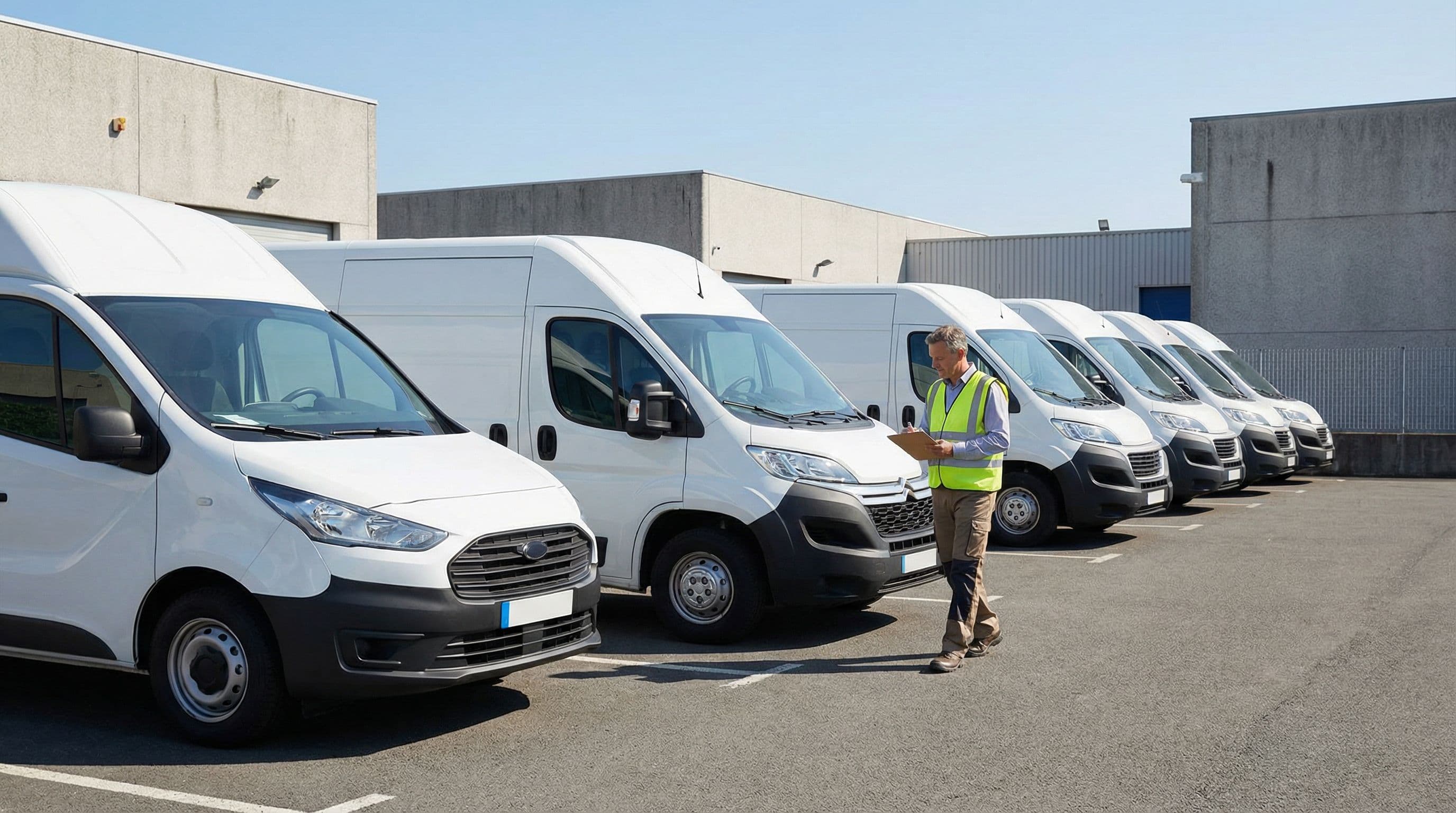
Landlords, commercial clients, and lenders in the District often want to see proof that your policy matches how customer vehicles are handled on site. They are not just checking for a certificate. They want to know whether cars are left overnight, whether keys stay in the building, and whether your limits make sense for the mix of sedans, SUVs, and higher value units you touch. In a dense market like the District, a small storage area, shared alley access, and frequent after-hours drop offs can change the loss picture fast. You need a quote built around your actual custody practices, not a generic repair shop template. List where customer vehicles are parked at each stage of the job, who can move them, and what happens when a vehicle stays on the premises longer than planned. That map helps an underwriter see your real exposure and can affect both the coverage basis and the premium you are offered.
What Garage Keepers Insurance Covers
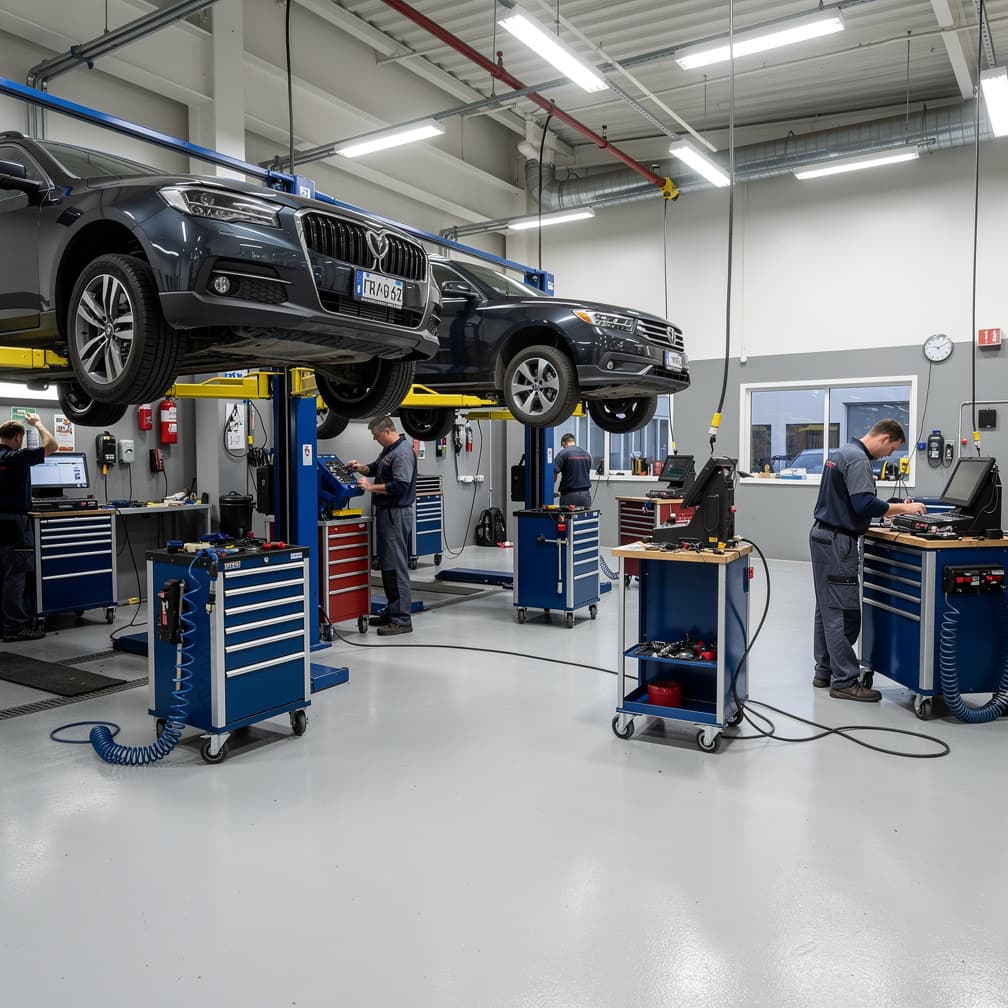
The handoff points where responsibility becomes blurry unless your policy language and procedures line up. Think about the real sequence: a customer leaves a vehicle before opening, a porter repositions it to keep an alley clear, a technician moves it again for service, then it sits outside waiting on parts or pickup. Each transfer creates a documentation and control issue that should match the way your coverage is written and the way your staff actually works.
For many District operations, the biggest questions come from space constraints. You may use a narrow lot, shared parking, basement access, stacked parking arrangements, or curbside intake near mixed residential and commercial buildings. That makes it important to review where vehicles are stored, whether they are ever left with windows down or keys accessible, and whether your procedures change after business hours. If your operation takes in higher value vehicles from office workers, apartment residents, or nearby fleets, ask for limits that reflect the highest concentration of customer vehicles you could have at one time, not just your average day.
Review how your policy responds to vehicles waiting for approval, parts, or payment. In the District, delays can leave customer cars on site longer than expected, which changes your exposure even if no wrench is turning. Ask your agent to compare your intake, storage, movement, and release procedures against your chosen coverage basis, deductible, and limit structure before you bind.

Collision Coverage
Covers damage to customers' vehicles from collisions while in your care.

Comprehensive Coverage
Covers theft, vandalism, fire, and weather damage to customers' vehicles.

Specified Perils
Covers only specifically named perils at a lower premium.

Legal Liability
Covers damage you or your employees directly cause to a customer's vehicle.

Direct Primary
Pays regardless of fault, the broadest garage keepers coverage available.
Garage Keepers Insurance Requirements in District of Columbia
- District locations with limited lot space should review how outdoor staging, stacked parking, and repeated vehicle repositioning affect the way coverage is requested.
- If your business accepts after-hours drop offs in the District, document where keys go, who has access, and when the vehicle enters your formal intake process.
- Mixed-use commercial buildings in the District may create shared access points, so your application should explain exactly which parking and storage areas are under your control.
- Businesses that hold customer vehicles for extended periods should review whether longer on-site time changes their limit and deductible choices.
How Much Does Garage Keepers Insurance Cost in District of Columbia?
For a District business, pricing usually turns on concentration and control. Underwriters want to know how many customer vehicles can be in your custody at once, where they are kept, how often employees move them, and how exposed they are during the workday and overnight. A compact urban footprint can increase the importance of vehicle stacking, tight maneuvering space, and temporary outdoor storage, so your quote should reflect those operating details instead of assuming a suburban lot with extra room.
Your cost can also change based on the type of work you do. A shop that keeps vehicles for several days while waiting on parts presents a different profile than a quick-turn operation that moves cars in and out the same day. Road testing vehicles, using tow equipment, accepting after-hours drop offs, or holding keys on site each add their own exposure. If you service luxury imports, commercial vans, or late-model SUVs common in dense mixed-use neighborhoods, the value of vehicles in your care can push limit decisions higher.
Deductible choice matters too. A higher deductible may lower premium, but it also changes what you absorb after a loss, so it needs to fit your cash flow. Claims history, employee driving controls, camera coverage, fencing, lighting, and written key-management procedures can all affect how an underwriter views your account. Request quote options with more than one deductible and limit combination, then compare the tradeoff against your busiest storage days and the highest total vehicle value you could be holding overnight.
Request a Quote Comparison
Enter your ZIP code to compare garage keepers insurance rates from top carriers.
Business insurance starting at $25/mo
Who Needs Garage Keepers Insurance?
In the District, this coverage matters for any business that takes possession of customer vehicles in a way that creates a real custody exposure, even if vehicle repair is only part of the operation. Traditional repair shops need it, but so do body and paint operations, tire and brake shops, detailers, hand wash businesses, valet operators, parking facilities, towing companies, and mixed-use service businesses that hold vehicles while waiting on customer approval or pickup.
The District adds a few practical reasons to review it carefully. Many businesses operate in tighter footprints, with limited indoor storage and frequent vehicle movement just to keep traffic flowing on the property. If your staff parks customer cars off to the side, rotates them through a shared lot, or leaves them overnight because pickup is delayed, you should treat that as a core underwriting fact, not a minor detail. The same applies if customers leave vehicles after hours, if keys are stored in lockboxes, or if porters and technicians both move vehicles during the day.
You may also need this review if your contracts create expectations before a loss ever happens. Landlords often want to understand your insurance setup before signing or renewing a lease, and commercial clients may ask for proof of coverage before sending fleet vehicles to your location. Lenders can ask similar questions if financing depends on stable operations and documented risk controls. If your business touches customer vehicles at any point between drop off and release, gather your lease, intake form, storage map, and employee vehicle-handling rules before requesting a quote.
Garage Keepers Insurance by City in District of Columbia
Garage Keepers Insurance rates and coverage options can vary across District of Columbia. Select your city below for localized information:
How to Buy Garage Keepers Insurance
Buying the right policy in the District starts with a site-specific vehicle flow review. Draw the path a customer vehicle takes from arrival to release. Note where after-hours drop offs happen, where keys are stored, which employees can move vehicles, where cars wait for estimates or parts, and whether any units are parked outside overnight. That map gives an underwriter a much clearer picture than a generic description like auto service or valet.
Next, match your insurance request to your actual premises. If your business uses a rear alley, shared lot access, basement parking, or multiple storage points, say so up front. If vehicles are sometimes held longer because customers delay pickup or approvals take time, include that too. A clean submission usually includes your business description, estimated number of customer vehicles in custody at peak times, the highest total value you might hold, your security controls, prior claims information, and any contracts that require proof of coverage.
You should also ask who regulates insurance questions in the District so you know where to verify licensing and consumer information. The District's insurance regulator is the DC Department of Insurance, Securities and Banking, so if you need to confirm producer credentials or understand local insurance oversight, that is the place to check before you finalize coverage. Ask for quote options with different deductibles and limits, compare how each option fits your lease and client requirements, and bind only after the storage, key control, and vehicle movement details are accurately reflected.
How to Save on Garage Keepers Insurance
Saving money on this coverage in the District usually comes from reducing avoidable uncertainty in your operation. Underwriters look for clean controls they can understand and defend after a claim. If your intake process is inconsistent, keys move around informally, or nobody can show where a vehicle was parked at a given time, you look harder to price.
Start with written intake and release procedures, recording the condition of each vehicle when it arrives, noting where it is parked, documenting who moves it, and updating the file if it stays longer than expected. In a compact District location, even a small change in where vehicles are staged can affect loss potential, so your records should show the difference between short-term staging, overnight storage, and vehicles waiting on customer approval. Camera coverage, controlled key access, lighting, and a rule that only authorized employees move customer vehicles give underwriters concrete details they can price with confidence.
You can also save by aligning limits and deductibles with your real exposure instead of guessing. If your peak overnight count is much higher than your average daytime count, ask for guidance on structuring limits around that concentration. If your cash reserves can handle a higher deductible, compare that option carefully against premium savings. Finally, bundle your submission materials before shopping. A complete package with your lease requirements, security details, claims history, and vehicle-handling procedures often produces cleaner quotes than a rushed application built from rough estimates.
Our Recommendation for District of Columbia
For District buyers, the most useful move is to underwrite your premises the way a carrier will. Walk the property during business hours and again after closing. Note every place a customer vehicle can sit, every point where keys are stored, and every employee role that can move a vehicle. If your lot arrangement changes during the day to handle deliveries, alley access, or customer pickup traffic, include that in your quote request.
Next, review your peak accumulation problem. Many shops think about the average number of vehicles on site, but a serious loss often hits when the lot is fullest, not when it is typical. Build your limit discussion around the busiest overnight scenario and the highest value mix you could reasonably be holding.
Then line up your paperwork. Compare your lease, fleet service agreements, valet contracts, and intake forms so they do not create promises your insurance setup does not support. If a landlord or client asks for proof of coverage, you want the certificate request to match the way your operation actually stores and moves vehicles. Before binding, ask for a final readback of storage practices, key control, employee access, and deductible choice so there is no gap between the application and the way your business runs.
FAQ
Frequently Asked Questions
Insurance oversight runs through the DC Department of Insurance, Securities and Banking. If you want to verify licensing, review consumer resources, or understand local insurance oversight before buying, start there and then compare quotes against your actual vehicle-handling procedures.
Landlords often ask for proof of coverage when your lease involves customer vehicles on site. Be ready to show how cars are stored, whether they stay overnight, and whether your limits fit the highest number of vehicles you could hold at once.
Quotes go smoother when you submit a vehicle-flow summary, storage details, key-control procedures, and peak vehicle counts. That gives underwriters a usable picture of your custody exposure instead of a vague description of your shop.
Detail shops should consider it if customers leave vehicles in your possession, even for short periods. The key issue is not shop size. It is whether you control where the vehicle is parked, stored, or moved before release.
Valet and parking operators should explain where vehicles are queued, who can access keys, whether cars are ever left off site, and how overnight storage works. Those operating details usually matter more than a generic business label.
Businesses can often request coverage for outdoor storage, but the quote needs accurate details about where vehicles sit, how long they remain there, and what security controls are in place. Do not leave outdoor staging out of the application.
Buyers should gather their lease, client contract requirements, claims history, intake forms, storage map, and written key procedures. That package helps you compare deductible and limit options against the way customer vehicles actually move through your business.
Garage keepers insurance may cover damage to customers' vehicles while they are in your care, custody, or control. That may include collision, theft, fire, vandalism, hail, and other covered causes of loss, depending on your policy terms and how your business handles vehicles.
Sources
- 1.DC Department of Insurance, Securities and Banking(The District's insurance regulator is the DC Department of Insurance, Securities and Banking.)
Updated July 16, 2026