Updated July 16, 2026

Key Takeaways
- List every towing and transport service you perform before requesting quotes, so loading, unloading, winching, and recovery exposures are reviewed correctly.
- Compare the on-hook limit, deductible, valuation method, and exclusions side by side instead of choosing a policy on premium alone.
- Ask in writing whether your policy addresses the specific vehicles you tow most often, especially specialty, modified, low-clearance, or higher-value units.
- Use pre-tow photos, condition notes, and signed release procedures on every job to reduce disputes and support claims handling.
- Review on-hook coverage together with auto liability and any garagekeepers coverage before renewal to catch gaps between transport and storage.
On-Hook Towing Insurance in District of Columbia
The decision usually comes up right before you add another truck, sign a police rotation or property management contract, or start taking more impounds and recovery calls across the District. That timing matters because your policy needs to match the vehicles you actually move and the conditions where you pick them up. If you are shopping for on-hook towing insurance in the District of Columbia, review your operation before you ask for quotes. Look at wheel-lift versus flatbed work, underground parking access, after-hours releases, storage handoffs, and whether you handle government, commercial, or residential calls. District buyers also need to pay attention to how policy language, complaints, and carrier oversight are handled locally, so you know where consumer rules are administered. Before you bind coverage, line up your tow tickets, driver procedures, photo documentation steps, and the highest-value vehicles you are willing to accept. Then ask for terms built around that real workflow.
What On-Hook Towing Insurance Covers
In the District, the useful review is not the basic definition of on-hook coverage. It is the handoff points where claims start. A tow in dense city traffic can involve curbside loading, low-clearance garage exits, apartment or condo retrievals, police-directed relocation, and delivery into a repair facility or storage lot with little room for error. Your policy review should focus on those operating conditions and on whether the way you dispatch work matches the way the insurer classifies it.
Ask specifically how the policy treats vehicles picked up from underground parking, narrow service alleys, mixed-use buildings, and restricted-access commercial sites. Those jobs can create different damage allegations than a straightforward roadside tow. A buyer may claim bumper, wheel, undercarriage, mirror, or drivetrain damage. The dispute often turns on your pre-tow photos, tow ticket notes, and whether the driver documented existing damage before hookup.
You should also review whether your operation mixes routine towing with impounds, recovery, dealer transfers, repossessions, or municipal work. Even if the parent policy can accommodate several service types, the underwriting file needs to describe them clearly so there is less room for argument after a loss. In the District of Columbia, that matters because short urban trips do not always mean low claim severity. A small mistake in a garage, loading zone, or crowded corridor can still produce an expensive vehicle damage claim. Before you buy, ask the agent to walk through your most difficult recent tow from dispatch to drop-off.

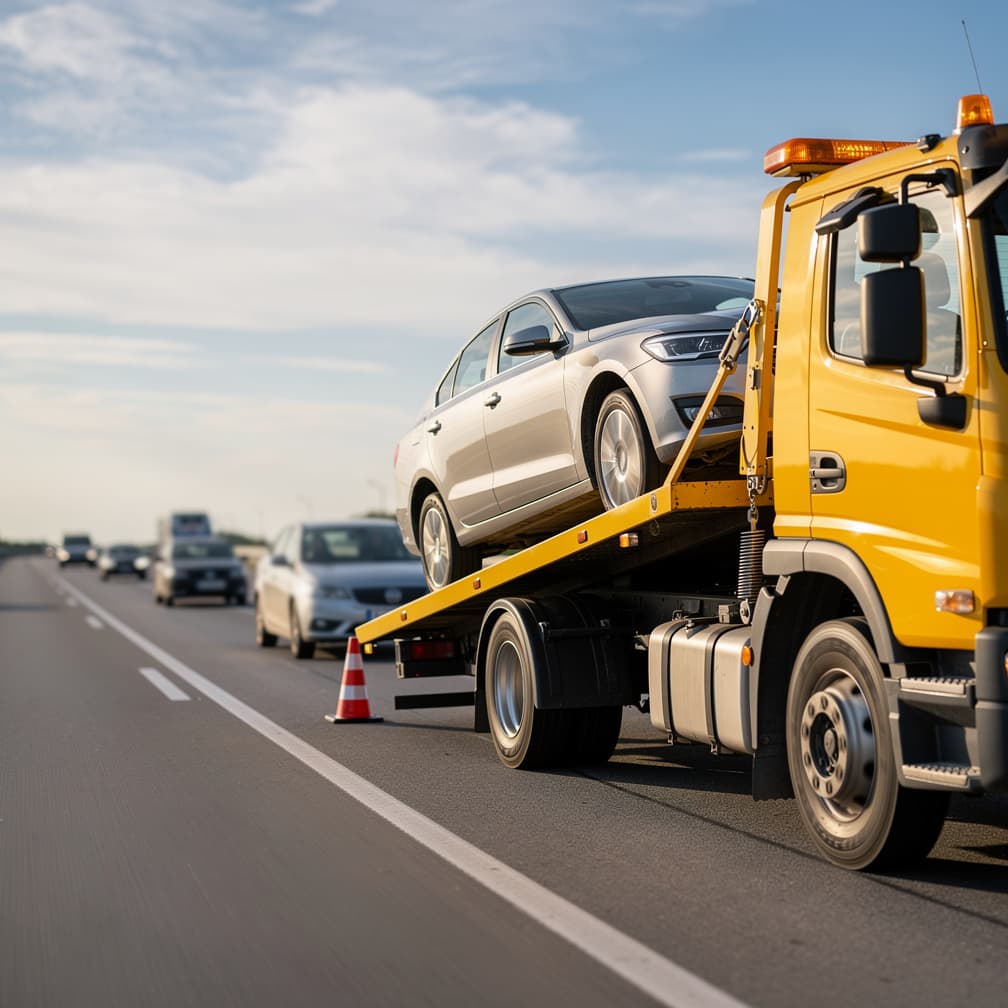
Collision on Hook
Covers damage to towed vehicles from collisions during transport.
Comprehensive on Hook
Covers theft, fire, and weather damage to vehicles being towed.
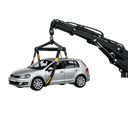
Loading & Unloading
Covers damage during the process of loading and unloading vehicles.
Winching Coverage
Covers damage to vehicles during winching and recovery operations.
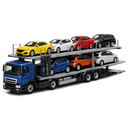
Multiple Vehicle
Covers all vehicles on multi-car carriers and rollback flatbeds.
On-Hook Towing Insurance Requirements in District of Columbia
- District towing claims often hinge on condition disputes, so photo and ticket procedures need to be consistent on every job.
- If your operation handles private property impounds in mixed-use buildings or apartment communities, review how those assignments are described in the underwriting submission.
- A policy review is stronger when it follows the full District workflow, from dispatch instructions and hookup method to storage handoff and final release documentation.
How Much Does On-Hook Towing Insurance Cost in District of Columbia?
For District operators, cost usually turns on claim potential, not just mileage. A short tow through downtown can be harder to underwrite than a longer suburban run if your drivers regularly load in traffic, enter parking structures, or move higher-value vehicles from hotels, offices, apartments, and government-adjacent properties. That is why a useful quote starts with operating detail instead of a quick vehicle count.
Expect underwriters to look closely at the kinds of vehicles you tow, how often you use wheel-lift versus flatbed equipment, whether you handle after-hours impounds, and how often drivers work in tight-access locations. They may also price around your chosen limits, deductibles, claims history, driver experience, service radius, storage arrangements, and whether you have a documented photo process before and after each tow. If you accept jobs that involve low-clearance garages or difficult recoveries, say so up front. Hiding that detail can lead to a quote that looks workable until a claim exposes the mismatch.
District buyers should also pay attention to administrative clarity. Policy forms, complaint channels, and insurer conduct sit within the local regulatory framework. In plain terms, that means the District requires insurers to follow specific rules about how policies are written, how complaints are handled, and how claims are processed. If a dispute arises over a tow claim, you have a formal channel to raise concerns beyond the insurer itself. That does not set your premium by itself, but it gives you a reason to review endorsements, exclusions, and claim reporting instructions carefully before binding. The practical way to shop is to submit the same operational summary to each quote request. Include truck types, services performed, maximum vehicle values, dispatch territory, storage setup, and driver controls. Comparable submissions produce more comparable pricing, and they make it easier to see whether a lower quote is truly better or simply narrower.
Request a Quote Comparison
Enter your ZIP code to compare on-hook towing insurance rates from top carriers.
Business insurance starting at $25/mo
Who Needs On-Hook Towing Insurance?
In the District, this coverage deserves attention from more than a traditional roadside towing company. You should review it any time your business takes custody of someone else's vehicle and moves it by tow truck through city conditions where loading, transport, and unloading can trigger a damage allegation. That includes operators working apartment complexes, office buildings, retail garages, private property enforcement, accident scenes, dealer transfers, and specialty transport within the city.
Private property impound work is one obvious example. If your drivers remove vehicles from residential communities, mixed-use developments, or commercial lots, the claim risk is not limited to the tow itself. Disputes often start with hurried pickups, blocked access, low visibility, or tense interactions at the scene. They then continue after the owner inspects the vehicle at release. The same is true for contract towing tied to parking management companies, repair shops, body shops, and fleet accounts.
You may also need a closer review if your company advertises transport, recovery, roadside assistance, or vehicle relocation rather than using the word towing in every service description. Underwriters care about the actual movement of customer vehicles, not just the label on your website. If a driver hooks, winches, lifts, carries, or unloads a customer vehicle as part of your paid service, your exposure should be evaluated in that context. District operations with newer trucks, experienced drivers, and disciplined documentation still need to review this coverage if they handle premium vehicles, electric vehicles, low-clearance entries, or frequent garage work. Those jobs can raise the stakes quickly. A good test is simple: if one disputed tow could materially hurt your cash flow, ask for a quote built around that exposure.
On-Hook Towing Insurance by City in District of Columbia
On-Hook Towing Insurance rates and coverage options can vary across District of Columbia. Select your city below for localized information:
How to Buy On-Hook Towing Insurance
Start with a written operating profile that reflects how your District business actually runs this month, not how it looked when you first opened. List each truck, each service type, your normal dispatch area, whether you enter parking garages, whether you perform impounds or recovery work, and the highest-value vehicles you are willing to accept. Include who stores vehicles after a tow and where responsibility changes hands.
Next, gather the documents that make underwriting easier. Pull recent loss runs if available, driver lists, motor vehicle records if requested, sample tow tickets, dispatch procedures, and your photo documentation process. If you require drivers to photograph all sides of a vehicle before hookup and again at drop-off, say that clearly. If you do not have a consistent process yet, build one before you shop.
Then ask each quoting source the same operational questions. How is garage access treated? Are impounds and private property work included? How are high-value vehicles handled? What exclusions apply to certain service types or driver situations? What deductible applies when a claim involves alleged damage discovered after delivery? Consistent questions help you compare terms instead of just comparing premiums. Keep a copy of the policy forms, endorsements, and claim reporting instructions you receive. Review them before binding, not after a loss. Request a quote through CPK Insurance to compare your options with participating licensed providers.
How to Save on On-Hook Towing Insurance
The most reliable savings move in the District is to reduce uncertainty for the underwriter and reduce dispute leverage for the claimant. Start with documentation that holds up on a crowded city tow. Time-stamped photos before hookup, close shots of existing damage, notes on wheel condition and body panels, and a clear drop-off record signed or acknowledged when possible can strengthen your position significantly. If a claim later turns on whether damage was pre-existing, that file often matters more than a small premium difference.
You can also save by tightening your service profile. If you rarely perform recovery work, do not describe your operation as if every truck handles complex recoveries. If you avoid certain high-risk jobs, say so. If you use flatbeds for specific vehicle types and reserve wheel-lift work for others, document that practice. Underwriters price cleaner, narrower operations more confidently than vague ones.
Driver controls are another practical lever. Written hookup procedures, garage-clearance rules, mirror and camera checks, and a requirement to decline unsafe pickups can all support a better underwriting conversation. The same goes for maintenance logs on winches, straps, dollies, and bed equipment. A District operation that can show disciplined equipment checks and consistent driver training is easier to place than one relying on verbal habits. Finally, shop with a standardized submission. Send the same vehicle schedule, service list, claims information, and documentation procedures to every quote request. That helps you spot whether one option is truly more efficient or simply omits part of your exposure. The strongest savings usually come from presenting a better risk, not from buying thinner terms.
Our Recommendation for District of Columbia
For District towing businesses, the smartest buying move is to underwrite your own operation before the carrier does. Map where claims are most likely to start: underground garages, alley pickups, private property impounds, after-hours apartment calls, and handoffs to storage or repair facilities. Then test your policy against those exact moments.
You should review three things first. One, your maximum accepted vehicle value, because city towing can involve luxury vehicles and newer technology that make even minor damage expensive. Two, your documentation chain, because disputed condition at pickup is often the issue that decides whether a claim is defensible. Three, your service mix, because a quote built for routine towing may not fit impounds, recovery, or contract relocation work. Before renewing, pull several recent tow files and ask a simple question: would an adjuster understand what happened from your records alone? If the answer is no, fix that process before you ask for new quotes.
FAQ
Frequently Asked Questions
District insurance is regulated by the DC Department of Insurance, Securities and Banking. If you are reviewing policy forms, complaint options, or insurer conduct in the District, that is the agency to verify first.
Operators should disclose garage access, alley work, and other tight-location towing because those jobs can change claim severity and underwriting assumptions. A quote is more dependable when it reflects where your drivers actually load and unload vehicles.
Impound work should be described clearly in your submission because the claim pattern can differ from routine roadside towing. If your company handles apartment, retail, or mixed-use property removals, ask for terms reviewed around that workflow.
Towing in the District often happens in dense traffic, garages, and restricted-access areas, so a short trip does not always mean a small exposure. A vehicle loaded carelessly or moved without documentation at each handoff can generate a claim that reaches five figures, even if the tow covered just three blocks. That kind of loss can threaten a small operation, especially when the tow itself was routine.
Buyers should prepare a service list, truck schedule, driver information, claims history, tow ticket samples, and photo procedures. That package gives underwriters a clearer picture of your operation and makes quote comparisons more useful.
Towing businesses should set a clear maximum vehicle value before shopping because city assignments can involve premium vehicles and expensive damage allegations. That limit helps shape a quote around the losses your business could realistically face.
Quote comparisons work best when every insurer receives the same operational summary. Use the same truck list, service mix, documentation process, and claims information, then compare exclusions, deductibles, and service assumptions line by line.
On-hook towing insurance may cover damage to a customer vehicle while it is being loaded, attached, carried, winched, or unloaded by your tow truck, depending on the policy terms. Buyers should review collision, fire, theft, weather, and loading-related damage carefully.
Sources
- 1.DC Department of Insurance, Securities and Banking(District of Columbia insurance is regulated by the DC Department of Insurance, Securities and Banking.)
Updated July 16, 2026