







































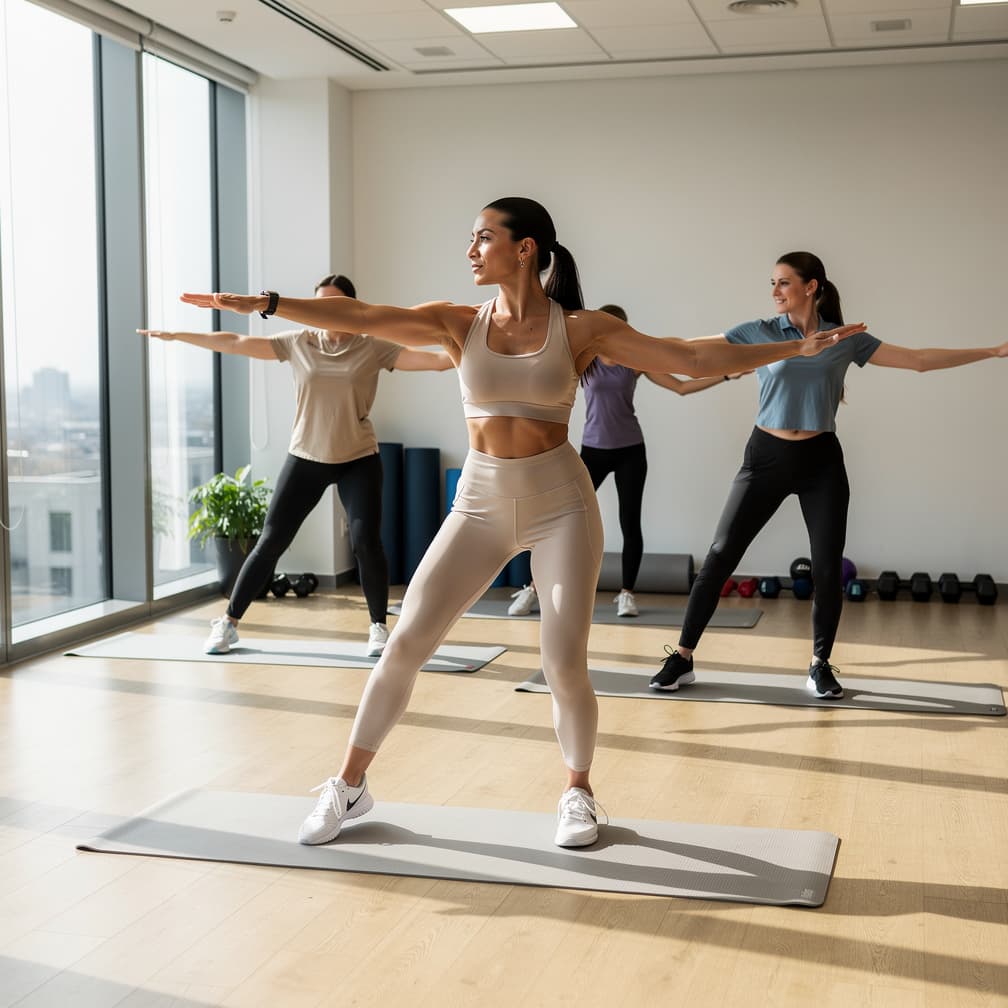

A participant lands wrong coming out of a fast transition and says your cue caused it. Aerobics instructor insurance in Washington exists for the hour after that, when a signed waiver turns out to be an argument rather than an ending. The exposures in this trade are physical and portable: a slick spot on the floor, a phone crushed in a crowded row, a speaker that disappears from a rented room between sessions. Studios and gyms hold the schedule until proof of coverage sits in their office, so the paperwork usually arrives before the first class does. What matters more than the certificate is whether the limits behind it match what a venue in Washington actually asks for. Below, the coverage cards, the published ranges, and the District of Columbia paperwork questions land in the order you meet them.
What Makes Washington Different
Contracts rarely mention weather, and that silence is exactly why a canceled class costs the instructor. A venue that closes for a storm owes you nothing beyond what the booking agreement already says. Read the cancellation terms alongside the insurance clause, because the two answer different halves of a bad week. A policy generally responds to damage and to claims, not to a schedule that simply did not happen. That distinction is where instructors expect coverage and find none, usually at the least convenient moment. Your own gear is the piece with an actual answer, if the policy names where it lives. Speakers and mats parked at a shut venue in Washington are still yours to replace if nothing else applies. Ask a District of Columbia quote where property away from your address stands, and get the answer before the season.
Local Risk Factors in Washington
Flooding closes a studio floor faster than any other weather event, and a room with standing water cannot host a class for weeks. Your gear is often what suffers, since bags of mats and a speaker cart usually sit at ground level in a back closet. Commercial Property might respond when water comes from a burst pipe inside the building, but standard wording typically excludes flood, so rising water gets priced as its own decision. That distinction surprises instructors in Washington who assumed one property line answered for anything wet. Ask where the water answer stops before a wet season starts, and ask what the venue holding your equipment in District of Columbia carries for its own building.
What Coverage Does an Aerobics Instructor in Washington Need?
General Liability
A participant goes down during class and says the injury was your doing. That third-party bodily injury claim, and the defense that arrives with it, is what this line generally exists for, and it is the line a studio asks to see on your certificate. It can also reach damage you cause to somebody else's property. Injuries to you sit elsewhere.
Example: A student's shoe catches a riser during a fast transition and a wrist takes the landing; general liability might respond to the injury claim and the defense that follows it.
Professional Liability
Allegations about your judgment are the point here. A client says the cueing, the modification, or the progression you programmed caused a strain, and no wet floor is anywhere in the story. General Liability answers the slip; this line is meant for the argument about your instruction itself. It typically does not respond to damage to your gear.
Example: Weeks after a class, a member says the knee modification you suggested made things worse and sends a demand letter; professional liability could pick up the defense from there.
Business Owners Policy
Two contracts or one: that is the practical choice this package offers an instructor who owns real gear, since it puts liability and property on a single renewal date. It commonly suits someone teaching steadily with speakers, mats, and props worth insuring. It is not automatically cheaper, and the property wording still decides where your equipment counts as insured.
Example: An instructor in Washington loses a sound system to a break-in and faces a slip claim the same season; one bundled policy might handle both without running two separate files.
Commercial Property
Wear and tear is not a claim, and neither is a speaker that simply reached the end of its life. This line is aimed at sudden damage or theft hitting the equipment you own. Coverage usually attaches to a described location, so gear riding between rooms or parked at a venue overnight depends on how the policy is written. Flood sits outside standard wording.
Example: A cart of mats, risers, and a microphone rig vanishes from a rented hall in Washington between the morning and evening sessions; the replacement cost may fall inside the policy, subject to your deductible.
How Much Does Aerobics Instructor Insurance Cost in Washington?
Aerobics Instructor Insurance is a bundle of separate policies, priced separately. The ranges below are typical figures for Washington for each line; a quote prices each one against your own operations.
| Coverage | Typical range | What moves your price |
|---|---|---|
| General Liability Insurance | $50 - $150 per month | Industry and risk classification, annual revenue, number of employees |
| Professional Liability Insurance | $35 - $120 per month | The services you actually perform, annual revenue or billed fees, limit and retention selected |
| Business Owners Policy Insurance | $60 - $200 per month | Annual revenue and industry class, building and contents values, square footage and building age |
| Commercial Property Insurance | $40 - $130 per month | Building value and construction type, roof age and condition, fire protection class |
Prices shown are general estimates, not guaranteed rates or quotes. Your actual premium will depend on the insurer, coverage selected, business details, location, claims history, and other underwriting factors. Learn about our pricing methodology.
What Are the Insurance Requirements for an Aerobics Instructor in Washington?
Workers' comp is generally required once you have your first employee. District of Columbia generally requires employers to carry workers' compensation at that point. Common exemptions include sole proprietors. Confirm current thresholds with your state's workers' compensation agency before you hire.
Flood damage is typically excluded from standard policies. Standard commercial property and builders-risk-type policies typically exclude flood damage. Flood exposure varies address by address, so check your premises in FEMA's Flood Map Service Center before deciding; if you sit in a mapped flood zone, a separate policy through the National Flood Insurance Program is the usual starting point.
Where to verify licensing and coverage rules. The DC Department of Insurance, Securities and Banking publishes consumer guidance and current insurance requirements for District of Columbia businesses. When a contract or lease demands specific wording, the DC Department of Insurance, Securities and Banking's guidance is the authoritative place to check.
Get Your Aerobics Instructor Quote in Washington
Compare rates from multiple carriers. Free quotes, no obligation.
Operating in Washington
- A gym in Washington rebooks its group schedule on a fixed cycle, and the compliance file gets audited on that same cycle rather than when it happens to suit you.
- A crowded class puts phones, watches, and water bottles inside the movement space, which is how a property damage argument starts with somebody you actually like.
- Corporate wellness bookings arrive with procurement paperwork attached, and the limit a company office demands usually runs higher than what a studio asks for.
- An instructor teaching across District of Columbia may hold contracts with three different limit requirements, and only the strictest of them matters when you buy.
How to Buy: Advice for Washington Owners
Decide early whether you want one policy or two, since the answer shapes everything after it. A Business Owners Policy can put liability and property on one contract with a single renewal date, which suits an instructor who owns real gear and teaches steadily. Standalone General Liability suits someone whose kit is a mat and a phone. Neither choice is automatically cheaper, and the wording differences matter more than the structure does. Ask what the property side treats as a covered location, then ask again about gear in transit. Check the DC Department of Insurance, Securities and Banking's guidance before deciding which shape fits the way you teach in Washington. Then put both shapes in front of participating carriers and compare the terms instead of the totals.
FAQ
Aerobics Instructor Insurance in Washington: FAQ
No. A waiver can discourage a claim and can help at the margins once one is filed, but it does not stop a participant from alleging that a fall or a strain was your fault. Defense costs start the moment the allegation does, whatever the paperwork says. Waivers and policies do different jobs: one sets expectations, the other funds the argument. Keep the waivers, and keep them alongside coverage rather than instead of it.
That is the classic General Liability scenario. A third-party bodily injury claim from someone in your class, plus the defense that rides with it, is what the line is generally built around. Limits matter more than instructors expect, because a fall involving a wrist, a knee, or a head rarely stays small. The building owner's policy answers for the building owner and is not standing behind you. Check what a booking contract in Washington requires before you settle on a limit.
That allegation belongs to Professional Liability rather than to the slip-and-fall side. When someone says your instruction, your modification, or your programming caused a strain, the argument is about professional judgment and not about the floor. The two lines answer different questions, and an instructor carrying only one tends to discover it after a demand letter arrives. Ask each quote in plain words which of them responds to a complaint about cueing.
Yes, and plenty do. The request is called additional insured status, and it usually needs an endorsement rather than a line typed onto a certificate. The venue wants a claim out of your class to reach your limits before it reaches its own. Insurers treat the request as a real change, so some add it routinely, some price it, and a few decline particular wordings. A venue in Washington that sends a clause is asking an underwriting question, so forward the exact wording instead of paraphrasing it.
Not automatically. Property wording usually attaches to a described location, so speakers, mats, and props sitting at a venue overnight or riding between rooms can fall outside what you assumed. Commercial Property can be arranged to reach gear away from your address, though that depends on how the policy is written and what you listed on it. Ask in plain terms where your equipment stands when it is not at home, and get the answer in writing.
One is per claim, the other is per policy year. A single participant injury tests the per-occurrence limit, while a season of smaller claims can drain the aggregate sitting above it. Venue contracts often name both numbers, and a policy that satisfies one while missing the other still fails the compliance file. Ask what erodes the aggregate as well, since defense costs count against it depending on how the wording runs.
Sources
- 1.DC Department of Insurance, Securities and Banking(DC Department of Insurance, Securities and Banking publishes consumer guidance for insurance buyers.)
- 2.FEMA / FloodSmart(Flood coverage is typically purchased separately; FEMA administers the National Flood Insurance Program.)


