







































Updated July 16, 2026

Commercial Truck Insurance in Washington
Property managers, loading dock supervisors, and prime contractors in the capital often ask for current certificates before a truck enters a service lane or backs into an alley dock. For many operators, commercial truck insurance in Washington is less about a generic filing and more about showing the right insured name, vehicle schedule, and liability limits fast enough to keep a job moving. That matters if you run box trucks into hotel and restaurant corridors, make supply runs to office buildings, or handle event and maintenance deliveries where access is controlled and paperwork is checked closely. The local buying decision usually turns on how often your trucks work tight curb space, whether you use hired or non-owned vehicles, and how often a customer contract asks for additional insured or waiver language. Before you request quotes, line up your vehicle list, garaging address, driver roster, and the certificate requirements you see most often. That gives you a cleaner comparison and helps you spot whether a policy is built for your actual delivery pattern here.
Commercial Truck Insurance Risk Factors in Washington
Washington's top risk factors include Severe weather, Property crime, Flooding, and Vehicle accidents.
District of Columbia has a moderate climate risk rating. Top hazards: Flooding (High), Hurricane (Moderate), Extreme Heat (Moderate), Winter Storm (Moderate). The state's expected annual loss from natural hazards is $95M, which influences commercial truck insurance premiums and may affect coverage availability in high-risk areas.
What Commercial Truck Insurance Covers
Your policy can include motor carrier liability, physical damage, cargo coverage, trailer interchange, bobtail coverage, and non-trucking liability insurance, but the mix you need depends on whether you run long haul, local hauling, or mixed regional routes. Coverage requirements may vary by industry and business size, and the District is overseen by the DC Department of Insurance, Securities and Banking. For many trucking operations, truck liability insurance is the base layer, while motor carrier liability coverage becomes important when your operation is moving freight under a carrier arrangement. Physical damage coverage helps address repair or replacement issues after collision or other covered loss, and cargo insurance is typically a separate section that applies to goods in transit rather than the truck itself. Trailer interchange can matter if you use non-owned trailers under contract, while bobtail coverage and non-trucking liability insurance are often considered for owner-operators when the truck is being used outside dispatch. In DC, flooding risk and severe storm history make it especially important to ask how water-related losses, parking exposure, and downtown operating conditions are handled in the policy wording.
Coverage Included

Motor Carrier Liability
Can help cover injuries and property damage your truck causes to others, a coverage federal regulators require most for-hire carriers to maintain.
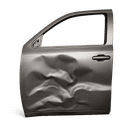
Physical Damage
Can help pay to repair or replace your own truck after an accident, fire, theft, or vandalism.
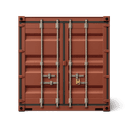
Cargo Coverage
May pay for damage to or theft of the freight you are hauling while it is in your care.
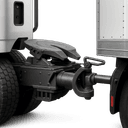
Trailer Interchange
Can help cover damage to trailers you haul under an interchange agreement but do not own.

Bobtail Coverage
May provide liability protection when you drive your tractor without a trailer attached, such as after dropping off a load.

Non-Trucking Liability
Can help cover accidents that happen when you use your truck for personal errands rather than dispatched work.
Commercial Truck Insurance Cost in Washington
Average Cost in District of Columbia
$430 - $1,150
per month
Businesses in District of Columbia typically see commercial truck insurance premiums of $430 - $1,150 per month, which tends to run 4% above the national range of $400 - $1,125 per month.
- Radius of operation
- Commodities hauled and cargo value
- Number and value of power units
- Driver motor vehicle records and CDL experience
- DOT safety record, inspections, and FMCSA scores
- Liability limits and physical damage deductibles
Contact CPK Insurance for a personalized quote.
Prices shown are general estimates, not guaranteed rates or quotes. Your actual premium will depend on the insurer, coverage selected, business details, location, claims history, and other underwriting factors. Learn about our pricing methodology.
Coverage limits and deductibles are a major driver, but claims history, location, industry or risk profile, and policy endorsements also affect what a carrier will charge. Roughly 15.6 percent of DC drivers are uninsured, which means carriers expect more uninsured-motorist exposure and price accordingly for trucks that spend time in congested traffic or make frequent stops. Crime conditions also matter, especially motor vehicle theft, which was trending upward in 2023, so parking and garaging locations can move your premium. Weather exposure is another factor. High flooding risk, moderate winter storm risk, and recent disaster declarations for nor'easters, flash flooding, and severe thunderstorms can influence how carriers view physical damage and cargo exposure. If your operation is small, the District's 98.6 percent small-business share means most local policies are written for operations like yours, so carriers are familiar with lean fleets, but pricing can still move quickly with higher limits, lower deductibles, or extra endorsements.
Industries & Insurance Needs in Washington
The county containing Washington has 23,874 business establishments, so a truck policy here often supports repeated certificate requests, vendor onboarding, and deliveries into buildings that have their own insurance language before access is granted. The mix matters too: professional, scientific, and technical services account for 23.9% of establishments, other services 17.9%, and accommodation and food services 11.6%. That points to a dense customer base for office supply runs, equipment moves, maintenance vendors, linen and food deliveries, and scheduled service calls with narrow time windows. If that resembles your book of business, ask for quotes that account for frequent stops, urban parking exposure, and contract-driven proof of coverage needs. It is also worth reviewing whether your policy setup matches how often you send drivers to client premises versus loading from your own yard.
What Makes Washington Different
Certificate-driven access is what changes the calculus here. In many markets, the main question is simply whether your truck can be insured for the route and cargo. In Washington, the practical issue is often whether your paperwork clears building management, event operations, or a contractor's compliance review before the truck arrives. That pushes you to buy with operations in mind, not just minimum filings. Washington's median household income is $106,287, which means your clients are accustomed to professional vendor management and quick turnaround on compliance documents. If your trucks serve offices, hospitality accounts, or recurring commercial clients, review your certificate turnaround process, named insured details, and any recurring additional insured requests before renewal. A policy that fits your dispatch pattern is useful, but a policy your customers can verify quickly is often what keeps work from stalling.
Our Recommendation for Washington
Start with the contracts and certificates you already see, then build the insurance review around them. When one customer wants higher liability limits, another asks for additional insured status, and a third requires hired and non-owned auto, gather those documents up front so your quote reflects all three obligations at once. For local operators, it also helps to separate occasional interstate work from dense city routing, because underwriters may look differently at a truck that spends most of its week on short commercial stops versus one that runs longer lanes. Ask each quote to show the covered autos basis, physical damage deductible, and any endorsements that affect leased, rented, or employee-used vehicles. If you use dispatchers or office staff to issue certificates, confirm how changes are handled and how quickly updated proof can be produced. That is often the difference between a policy that looks acceptable on paper and one that actually supports day-to-day work.
Get Commercial Truck Insurance in Washington
Enter your ZIP code to compare commercial truck insurance rates from carriers in Washington, DC.
Business insurance starting at $25/mo
FAQ
Frequently Asked Questions
Washington building managers often want a current certificate that matches the named insured, vehicle use, and requested liability terms before dock or alley access is approved. If your customers also ask for additional insured wording, make sure your policy can issue that endorsement without a long turnaround.
Washington often involves controlled-access buildings, scheduled loading windows, and vendor compliance checks, so certificate speed matters. The county has roughly 23,874 business establishments, meaning a single missed certificate can cost you a recurring route if a competitor's paperwork arrives first.
It does, because the county's establishment mix leans heavily toward professional and technical services, other services, and accommodation and food service. Those sectors tend to run tight delivery windows and strict vendor rules, so your policy needs to back up frequent stops with fast, accurate certificates.
Operators should mention hired or non-owned vehicle use whenever dispatch relies on rentals, borrowed units, or employee vehicles for errands. Leaving it out can leave a gap when a customer contract demands proof that extends beyond your owned trucks.
They can, because clients in higher-income markets tend to expect formal documentation and quick issue resolution. If you serve office, hospitality, or event accounts, review limits, deductibles, and certificate handling before you renew.
It can be built around motor carrier liability, physical damage, cargo coverage, trailer interchange, bobtail coverage, and non-trucking liability insurance. In DC, the exact mix depends on whether you run local deliveries, regional routes, or long haul, and whether your trucks are garaged or parked in higher-risk areas.
The District minimum commercial auto limits are listed at $25,000/$50,000/$10,000, and the DC Department of Insurance, Securities and Banking regulates the market. Your freight contracts, cargo type, and route pattern may require higher limits than the minimum.
The average range is $430 to $1,150 per month per truck. Your price can move based on coverage limits, deductibles, claims history, location, industry risk, and endorsements.
Sources
- 1.U.S. Census Bureau, County Business Patterns, District of Columbia(The county containing Washington has 23,874 business establishments.; The county containing Washington's leading sectors by establishment share are professional, scientific, and technical services 23.9%, other services 17.9%, and accommodation and food services 11.6%.)
- 2.U.S. Census Bureau, ACS 5-Year Estimates, table B19013(Washington median household income is $106,287.)
Updated July 16, 2026





