Updated July 16, 2026

Dealer Open Lot Insurance in Washington
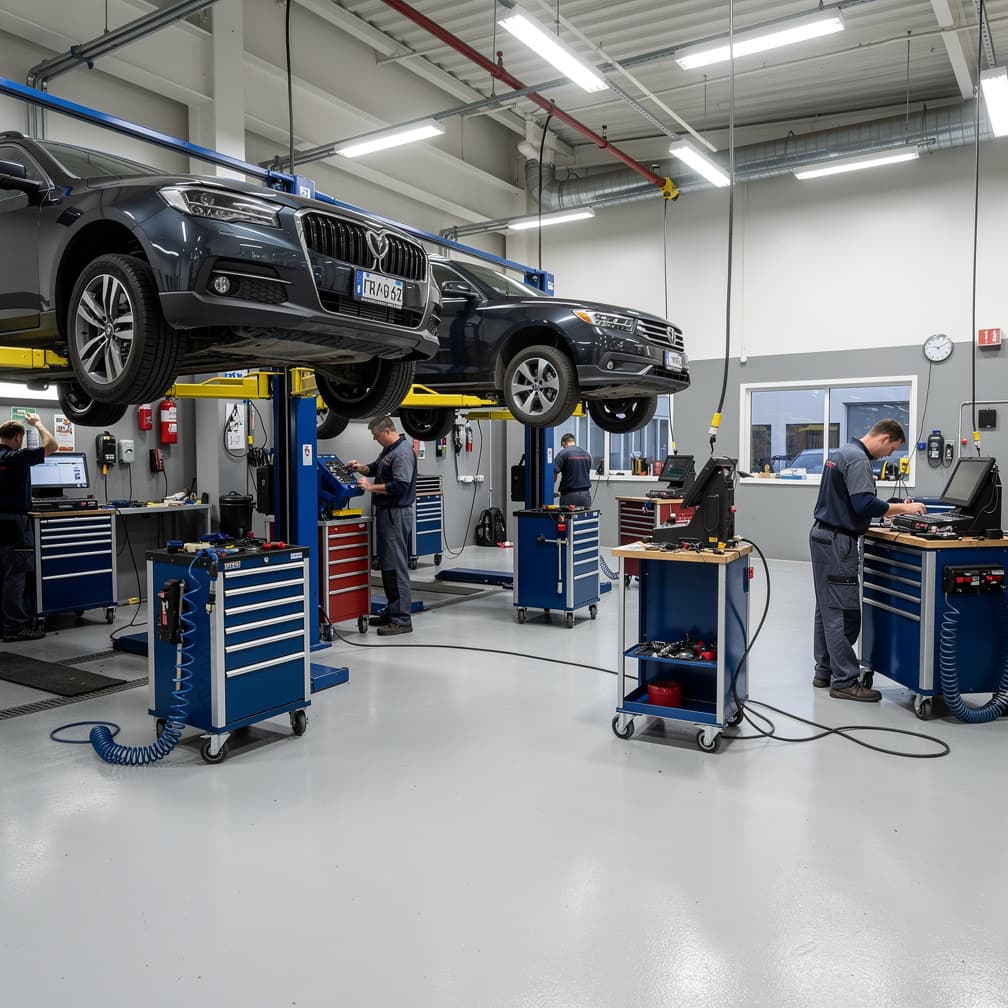
Operating a dealership in the District asks more of you than a standard lot application tends to capture. Your inventory here sits in tighter urban space, on mixed-use blocks, under closer scrutiny from landlords and neighbors than a sprawling suburban pad would draw. A dealer may work from compact frontage near a commercial corridor, rely on structured or shared parking, or rotate units between a display line and a separate holding area with different access controls.
You should be ready to show exactly where vehicles park after hours. Be prepared to explain how keys are controlled across sales and service staff, whether any units sit off the main premises, and how often cars move for cleaning, fueling, photography, or customer appointments. If your operation relies on more than one parking arrangement, ask for each location and use pattern to be scheduled and reviewed together so the quote reflects your actual setup.
Dealer Open Lot Insurance Risk Factors in Washington
Washington's local risk issue is **concentration**. Vehicles are often stored closer to sidewalks, adjoining businesses, apartment buildings, alleys, and shared access points than they would be on a larger suburban lot, so small differences in fencing, lighting, camera coverage, and key custody can matter more during underwriting. If you use stacked parking, a garage level, or a rear holding area that is not visible from the sales office, document that layout clearly before you request terms. The same goes for any routine vehicle movement through narrow entrances or around delivery zones. A carrier reviewing dealer open lot exposure here will usually need a cleaner picture of where inventory sits, who can move it, and how you separate customer traffic from staff-only areas. The practical step is simple: map every storage spot, note overnight controls, and ask that the quote be built around those exact conditions rather than a single lot description.
District of Columbia has a moderate climate risk rating. Top hazards: Flooding (High), Hurricane (Moderate), Extreme Heat (Moderate), Winter Storm (Moderate). The state's expected annual loss from natural hazards is $95M, which influences dealer open lot insurance premiums and may affect coverage availability in high-risk areas.
What Dealer Open Lot Insurance Covers
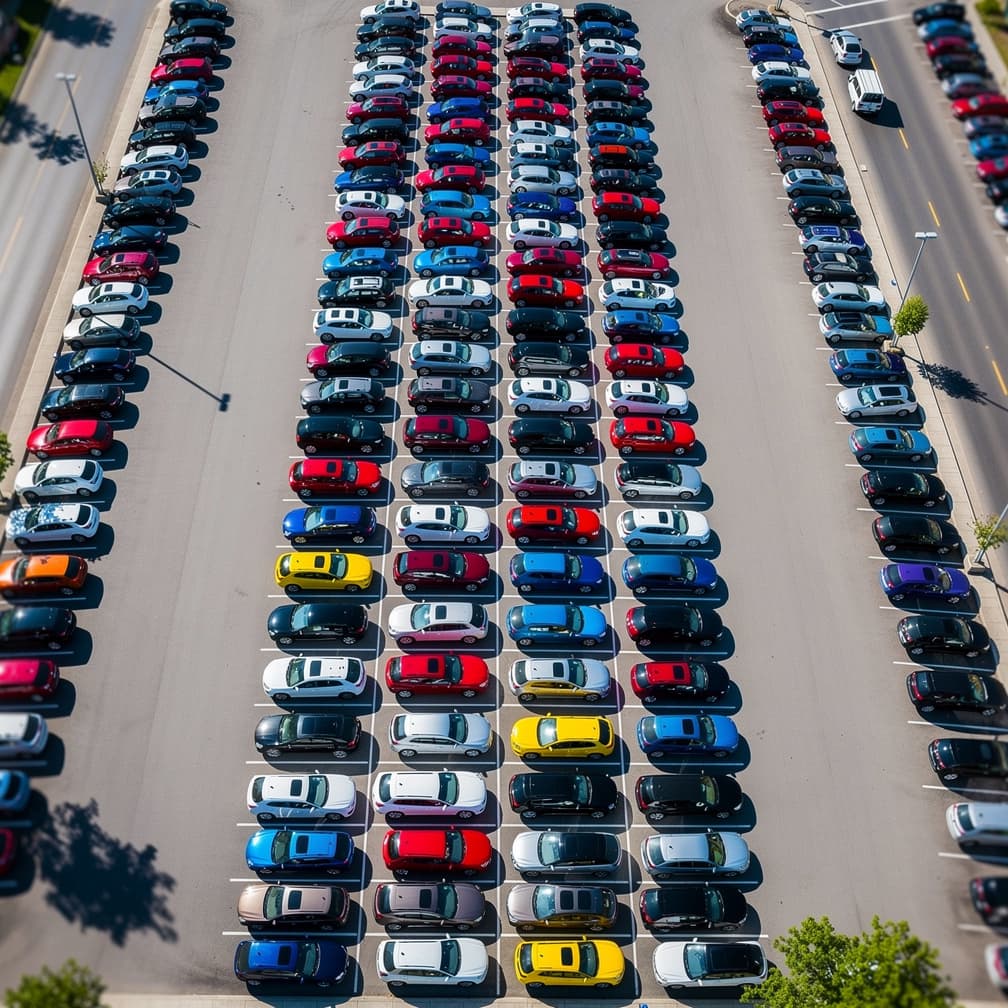
Where your inventory sits during a normal week drives most of the coverage conversation. A dealership with a single fenced lot raises one set of underwriting questions. One that splits vehicles between the sales lot, a nearby garage, a service area, and temporary overflow parking raises another. Your policy review should track each place inventory is kept, including locations used only during busy sales periods or while pavement, lighting, or signage work is underway.
You should also review how vehicles move through your operation in a dense urban setting. If staff regularly reposition units to make room for deliveries, move cars offsite for reconditioning, or park inventory in stacked or tightly spaced rows, ask how those handling patterns are treated. The same applies if customer test drives begin on crowded streets, if keys are accessible to several employees, or if units are left in areas visible from public sidewalks after hours.
Pay close attention to how the policy treats off-premises storage, transit between scheduled locations, and any conditions tied to theft prevention or protective safeguards. If your lease requires specific insurance wording, match that requirement against the policy before binding, not after a loss. The District's insurance regulator is the DC Department of Insurance, Securities and Banking, so if you need to verify licensing or consumer guidance while comparing options, use that source before you sign.
Coverage Included

Weather Damage
Covers hail, wind, flood, and storm damage to lot inventory.
Theft Protection
Covers vehicles stolen from your lot.
Fire Damage
Covers fire and explosion damage to inventory vehicles.

Vandalism
Covers intentional damage to vehicles on your lot.
Test Drive Coverage
Covers vehicles during customer and employee test drives.
Transit Coverage
Covers vehicles being moved between lot locations.
Industries & Insurance Needs in Washington
The county containing Washington has 23,874 business establishments, and its leading sectors by establishment share are professional, scientific, and technical services at 23.9%, other services except public administration at 17.9%, and accommodation and food services at 11.6%, so many local dealerships operate near offices, service businesses, restaurants, and hospitality uses rather than in a purely auto retail cluster. That matters because neighboring uses can affect parking arrangements, delivery timing, customer traffic patterns, and lease requirements for where inventory may sit. If your lot depends on adjacent parking, valet-style movement, or shared ingress with another commercial tenant, bring that into the application early. A cleaner submission here usually includes a site diagram, hours of operation, after-hours access rules, and a clear distinction between display inventory and overflow units.
What Makes Washington Different
Dealer open lot decisions in Washington are less about how large the lot looks from the street and more about how precisely you control inventory inside a constrained urban footprint. A smaller operation can still present meaningful exposure if vehicles are split between a front line, a rear pad, and a nearby overflow area with different lighting, barriers, or access routines.
Local buyers tend to expect a polished, ready-to-show inventory, which can mean more frequent repositioning, detailing, and short-distance movement of units before sale. The useful move is to treat your quote request like a site review. Document every storage location, routine movement, and party with access to keys or vehicles, then ask for terms built around that picture.
Our Recommendation for Washington
Before you touch the application, walk the lot the way an underwriter would. That means photographing each storage zone, noting where keys live overnight, and documenting which staff members can move vehicles after hours. If any inventory is kept in a garage, on a side street pad, behind the building, or at a separate overflow address, have each area listed with its security features and normal use. Next, tighten your key-control story. Underwriters will want to understand who can release, move, or road-test vehicles, especially if sales, detailing, and service functions overlap.
Washington's median household income is $106,287, one of the highest among major U.S. cities. Buyers with that kind of purchasing power tend to expect a polished, ready-to-show inventory, which can mean more frequent repositioning and short-distance movement of units before sale. More frequent movement means more chances for damage or theft, so your policy should account for that activity level. It does not automatically change pricing, but it does make operational accuracy more important during the quote review. Before binding, confirm that the terms reflect your actual overnight storage, off-hours movement, and any off-premises holding arrangement.
Get Dealer Open Lot Insurance in Washington
Enter your ZIP code to compare dealer open lot insurance rates from carriers in Washington, DC.
Business insurance starting at $25/mo
FAQ
Frequently Asked Questions
Washington dealers often do. Compact sites, shared parking, and off-hours vehicle movement can make underwriters ask for a clearer layout, storage schedule, and key-control process before they finalize terms.
Washington operations should disclose every place inventory is stored, even if it is used only part of the week. Leaving a storage area off the application is the most common reason a claim gets challenged later.
Dealerships in Washington often operate beside offices, restaurants, and service businesses. Shared driveways and overlapping foot traffic can raise theft and vandalism exposure, which underwriters factor into your premium.
Mixed-use surroundings are common here, so site diagrams and access details matter. A restaurant next door may mean late-night traffic past your inventory, while an office neighbor may mean empty streets after 6 p.m. Each pattern changes how an underwriter views your risk.
Washington buyers should prepare a full storage map, overnight security details, key-control procedures, and a list of every routine vehicle movement. A submission that mirrors your day-to-day operation gives the underwriter something concrete to price.
Space is tight in the District, so dealerships often rely on overflow or nearby storage that should be disclosed during quoting. If a storage address is missing from the underwriting file, ask how that affects coverage treatment before binding.
Landlords often want proof of coverage before occupancy, which can force an early insurance review during lease negotiations. Compare the lease language to the policy's named insured, address schedule, and certificate requirements before you sign.
The DC Department of Insurance, Securities and Banking handles insurance oversight in the District. Use that source to verify licensing or review consumer guidance while you compare policy options and documentation requirements.
Sources
- 1.U.S. Census Bureau, County Business Patterns, District of Columbia(The county containing Washington has 23,874 business establishments.; The leading sectors in the county containing Washington by establishment share are professional, scientific, and technical services 23.9%, other services except public administration 17.9%, and accommodation and food services 11.6%.)
- 2.U.S. Census Bureau, ACS 5-Year Estimates, table B19013(Washington's median household income is $106,287.)
Updated July 16, 2026