







































Updated July 16, 2026

Inland Marine Insurance in Washington
Crews and vendors across Shaw, Capitol Hill, Georgetown, and K Street often work out of compact leased suites, shared workspaces, or curbside loading zones. They move laptops, cameras, diagnostic gear, tools, and client property across the city in a single day. A useful quote starts with a current equipment schedule and a realistic picture of how your property moves during a normal week. The county containing Washington has 23,874 business establishments, so the sheer volume of neighboring businesses means your gear is constantly entering spaces you do not control. If your business serves offices, restaurants, hotels, associations, or event spaces, ask your provider to walk through item classes, transit terms, temporary location language, and any limits for property in the open or in unattended vehicles so the wording matches your actual routes.
Inland Marine Insurance Risk Factors in Washington
Washington's top risk factors include Severe weather, Property crime, Flooding, and Vehicle accidents.
District of Columbia has a moderate climate risk rating. Top hazards: Flooding (High), Hurricane (Moderate), Extreme Heat (Moderate), Winter Storm (Moderate). The state's expected annual loss from natural hazards is $95M, which influences inland marine insurance premiums and may affect coverage availability in high-risk areas.
What Inland Marine Insurance Covers
In District of Columbia, inland marine insurance is commonly used to protect business property that moves between fixed locations, is stored offsite, or is installed away from your main premises. That includes tools, goods in transit, contractor gear, installation exposures, mobile property, and valuable papers when they are part of a covered schedule. The policy generally follows the property across Washington job sites, loading areas, temporary storage spaces, and customer locations rather than limiting protection to one office or warehouse.
Coverage is regulated by the DC Department of Insurance, Securities and Banking, so the policy form, endorsements, and limits should be reviewed with the carrier or agent before binding. Because requirements can vary by industry and business size, District of Columbia businesses should review terms from several carriers. That is important in a market with 340 active insurance companies and a premium environment above the national average. The number of carriers gives you options, but it also means pricing and conditions can differ meaningfully from one insurer to the next.
For a District contractor, the most relevant distinction is whether the schedule includes tools and equipment left on-site overnight, whether contractors equipment is covered while being moved through the District, and whether installation floater coverage applies while materials are waiting to be set in place. For businesses handling materials near flood-prone areas or in temporary storage after a severe storm, the policy needs to be checked for location, storage, and endorsement details because local risk conditions can affect how the coverage is written.
Coverage Included
Tools & Equipment
Can help repair or replace hand tools, power tools, and gear that are stolen or damaged on the job or in transit.

Goods in Transit
May cover products, materials, and merchandise while they are being shipped or hauled between locations in your care.
Contractors Equipment
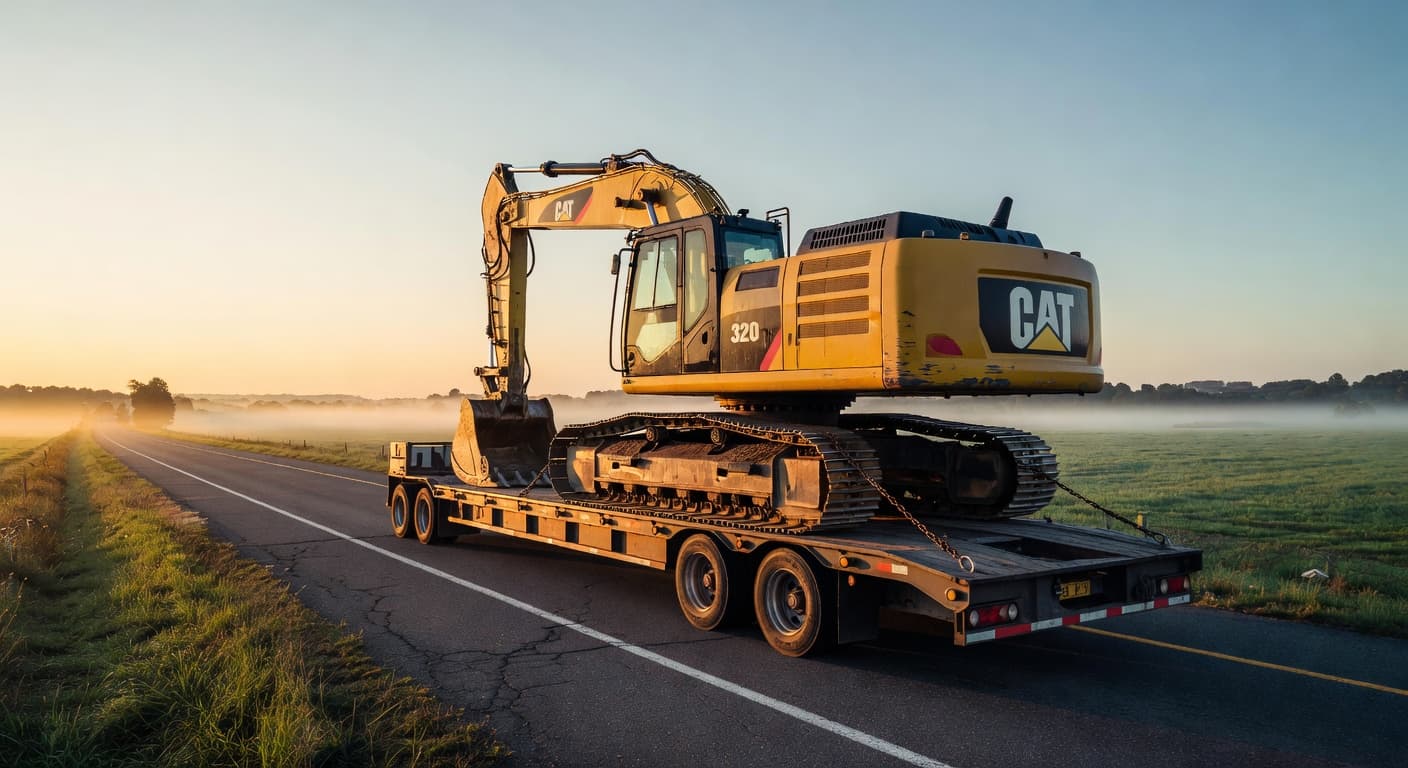
Typically covers heavy machinery like excavators, loaders, and generators against theft or damage at job sites and between them.

Installation Floater
Can help cover materials and fixtures from the moment you buy them until they are installed and accepted at a project.

Builders Risk
May cover a structure under construction, along with materials on site, against damage from fire, wind, theft, and vandalism.
Inland Marine Insurance Cost in Washington
Average Cost in District of Columbia
$25 - $110
per month
Businesses in District of Columbia typically see inland marine insurance premiums of $25 - $110 per month, which tends to run 13% above the national range of $20 - $100 per month.
- Total insured value of the scheduled property
- Type and age of the equipment
- Where it is stored and how far it travels
- Jobsite security and theft prevention
- Per-item limits and deductibles
- Prior theft and in-transit losses
Contact CPK Insurance for a personalized quote.
Prices shown are general estimates, not guaranteed rates or quotes. Your actual premium will depend on the insurer, coverage selected, business details, location, claims history, and other underwriting factors. Learn about our pricing methodology.
Inland marine insurance cost in District of Columbia depends on coverage limits, deductibles, claims history, location, industry or risk profile, and policy endorsements. The District's premium index of 142 signals a more expensive insurance environment overall, which means baseline rates here tend to run higher than in many neighboring markets.
Local conditions can push pricing in either direction. A business that stages equipment near high-property-crime areas or moves property through dense corridors may face more scrutiny than one with limited offsite exposure. The District's property crime rate of 4,120 per 100,000 residents is relevant when the property being insured is portable, left in vehicles, or stored temporarily between jobs, because insurers see a higher likelihood of theft claims in those situations. That rate is well above the national average, so it is worth asking whether higher limits or secure-storage endorsements make sense for your operation. Weather also matters here, since flooding is the top hazard in the climate profile and the District has recent disaster history that includes flash flooding, severe thunderstorms, and a Nor'easter, all of which can damage property in transit or staged at temporary locations.
If your account includes multiple coverages, the quote may change based on whether inland marine is written alone or alongside other commercial policies. Bundling it with other business policies may create multi-policy savings, so ask about package pricing if you also buy commercial property or general liability.
Industries & Insurance Needs in Washington
The county business mix is the part that matters here. Professional, scientific, and technical services account for 23.9% of establishments in the county containing Washington, other services account for 17.9%, and accommodation and food services account for 11.6%, so a lot of local buyers are not hauling bulk stock. They are moving higher-value portable property such as laptops, testing equipment, cameras, rented event gear, specialized tools, and customer items between offices, venues, and short-term work locations. That changes the buying conversation. Instead of asking only whether property is in transit, ask how your policy treats scheduled equipment, borrowed equipment, installation exposures, and property that spends part of the day inside someone else's premises. If your operation supports meetings, hospitality, field service, consulting, or creative work, your inventory list should separate commodity items from specialized gear so limits and deductibles can be matched to the property that would actually hurt your cash flow if it were stolen or damaged.
What Makes Washington Different
Density is what changes the calculus here. Mobile property often moves through buildings with security desks, freight elevators, alley deliveries, and short loading windows, then sits briefly in a vehicle or temporary room before the next stop. The exposure is less about long-haul transit and more about repeated handling, short-term staging, and unclear custody during a busy workday.
The city also has a median household income of $106,287, so your clients tend to expect polished presentations and professional-grade tools, which raises the replacement value of what you carry into their offices. If your operation depends on presentation technology, diagnostic devices, production gear, or trade tools, a low blanket limit can leave a gap even when you already carry property coverage elsewhere. The wording in your policy matters most when a loss happens during loading, while property is off premises for the day, or while it is left with a subcontractor, venue, or employee.
Our Recommendation for Washington
Start with a route-and-custody review rather than a property list alone. Map where equipment begins the day, who transports it, where it is parked or staged, and when it is left unattended. Then compare that workflow against any sublimits for theft from vehicles, unnamed locations, rented premises, and property in the care of others.
If you use freelancers, event staff, technicians, or rotating crews, ask whether scheduled items should be tied to serial numbers and whether newly acquired property language is broad enough for how often gear changes hands. Installations, demonstrations, repairs, and temporary client storage each carry their own custody questions. Ask your provider to review those situations separately rather than assuming one form handles all of them. Before you request a quote, pull together a current equipment schedule, replacement values, photos for unusual items, and a short description of your weekly movement pattern. That groundwork helps the reviewing provider price your real exposure instead of defaulting to averages.
Get Inland Marine Insurance in Washington
Enter your ZIP code to compare inland marine insurance rates from carriers in Washington, DC.
Business insurance starting at $25/mo
FAQ
Frequently Asked Questions
Businesses using shared offices often move property in and out instead of leaving it at one fixed address. That makes it worth reviewing inland marine terms for transit, temporary locations, and unattended vehicles, especially when laptops, cameras, tools, or client property travel daily.
Buyers should usually schedule the items that would be hardest to replace quickly, such as specialized AV gear, diagnostic equipment, rented event equipment, or trade tools. The county's business mix includes accommodation and food services at 11.6%, so if you serve that sector, your gear may be set down in a different venue every night and face higher theft risk.
Professional services firms often carry portable property to client sites, hearings, inspections, and presentations. Professional, scientific, and technical services make up 23.9% of county establishments, so if you operate in that sector, your laptops and field equipment probably leave the office daily and need coverage that follows them.
You get a better quote when you provide a current equipment schedule, replacement values, serial numbers for higher-value items, and a simple map of where property travels in a normal week. That gives the reviewing provider a concrete picture of your transit and staging patterns instead of a guess.
Yes, because higher-value markets mean the gear you bring to client sites may cost more to replace than a standard property form anticipates. If replacement cost would strain cash flow, ask for limits and deductibles to be checked item by item.
It is commonly used for property that travels between work sites and storage rather than staying at one fixed address.
The policy is designed to follow covered property while it is away from your main business location, so offsite staging and temporary storage can be included if the schedule and endorsements are set up that way.
Contractors, electricians, plumbers, landscapers, photographers, caterers, IT service providers, and other businesses that move valuable property regularly are common buyers in the District.
Sources
- 1.U.S. Census Bureau, County Business Patterns, District of Columbia(The county containing Washington has 23,874 business establishments, so property is handed off, staged, and transported in a dense commercial environment where a simple address list rarely tells the whole exposure.; Professional, scientific, and technical services account for 23.9% of establishments in the county containing Washington, other services account for 17.9%, and accommodation and food services account for 11.6%.)
- 2.U.S. Census Bureau, ACS 5-Year Estimates, table B19013(The city has a median household income of $106,287, so many businesses serve clients and workplaces where the equipment in use is more specialized and more expensive to replace.)
Updated July 16, 2026





