Updated July 16, 2026

Key Takeaways
- List every way customer vehicles enter, move through, and stay on your premises before you request a garage keepers quote.
- Compare collision losses against theft, fire, vandalism, and weather losses so your quote matches your actual custody exposure.
- Ask how customer vehicles are valued after a loss, especially if you handle newer, specialty, or recently upgraded vehicles.
- Review key control, intake photos, lot security, and employee driving rules before renewal to improve both pricing and claim defensibility.
- Request side-by-side quotes with the same limits, deductibles, and storage assumptions so you can spot real coverage differences.
Garage Keepers Insurance in Florida
You are about to sign a lease for a service bay, or a property manager is asking for proof of coverage before handing over the keys. That moment usually forces a more practical review than a generic insurance checklist. You need to look at where customer cars sit overnight, who moves them, whether keys stay on site, and how quickly a weather event can turn a routine workday into a custody loss. Your policy deserves that kind of operational review because storage conditions, storm planning, and lot procedures can change the claim you end up filing. If you run a repair shop, detail operation, dealer service lane, valet account, or towing yard, the state difference is not abstract. Start by gathering your address list, maximum vehicle count, indoor versus outdoor storage details, and your written procedures for moving, locking, and documenting customer vehicles.
What Garage Keepers Insurance Covers
In Florida, the coverage review usually starts with weather exposure and storage practice, not with a textbook definition. If customer vehicles stay outside, even for part of the day, you should ask how your policy terms respond to losses that happen while units are waiting for parts, queued for pickup, or staged behind the building after service. That is especially important if your operation regularly holds vehicles overnight or through a weekend, when a single storm or security lapse can affect multiple units at once.
You should also review how the policy fits the way your staff actually handles vehicles. A shop that moves cars only from the front apron to a service bay presents a different custody pattern than a business that repositions vehicles several times a day, stores keys on site, or keeps overflow inventory at a secondary lot. If you use tow equipment, shuttle vehicles between addresses, or leave completed units in an unfenced area, bring that into the quote conversation early so the policy can be reviewed around real handling conditions.
Florida buyers should pay close attention to where losses are most likely to start. Wind driven debris, water intrusion, lot flooding, falling objects, theft after a rushed evacuation, or damage that occurs while employees are relocating customer vehicles before a storm all matter. Ask for a proposal that separates indoor storage, outdoor storage, key control, and catastrophe procedures, then compare that against your busiest weeks rather than your slowest month.

Collision Coverage
Covers damage to customers' vehicles from collisions while in your care.

Comprehensive Coverage
Covers theft, vandalism, fire, and weather damage to customers' vehicles.

Specified Perils
Covers only specifically named perils at a lower premium.

Legal Liability
Covers damage you or your employees directly cause to a customer's vehicle.

Direct Primary
Pays regardless of fault, the broadest garage keepers coverage available.
Garage Keepers Insurance Requirements in Florida
- Florida weather planning should be part of the coverage review if customer vehicles remain on your lot overnight or through a weekend, and the same applies if you use a secondary storage area or overflow lot.
- Include that address in the quote instead of assuming the main location is enough.
- Outdoor vehicle staging can change the risk profile materially, so ask for policy terms to be reviewed around where cars actually wait for service or pickup.
- A written procedure for moving customer vehicles before a storm can matter as much as fencing or cameras when an underwriter evaluates your operation.
How Much Does Garage Keepers Insurance Cost in Florida?
Garage keepers pricing in Florida is usually shaped by concentration of vehicles, storage layout, and catastrophe planning. A carrier is trying to understand how many customer vehicles could be exposed in one event, how quickly you can move them, and whether your procedures reduce avoidable losses. That means your quote often changes if you keep more vehicles overnight during peak season, use an unfenced overflow area, or rely on employees to relocate units with little written documentation.
You can expect underwriters to focus on operational details that matter more in this state. Indoor storage may be viewed differently from open lot storage, and a paved, well drained lot may be viewed differently from an area that tends to hold water after heavy rain. A business with a written storm checklist, photo documentation, and a clear key inventory process gives the carrier more confidence than a business that handles those steps informally.
The practical move is to request more than one quote structure and compare the tradeoff between premium, deductible, and the maximum number and value of customer vehicles you hold at one time. You should review policy forms and quote assumptions carefully and ask for any unclear exclusions or conditions to be explained before you commit to a policy.
Request a Quote Comparison
Enter your ZIP code to compare garage keepers insurance rates from top carriers.
Business insurance starting at $25/mo
Who Needs Garage Keepers Insurance?
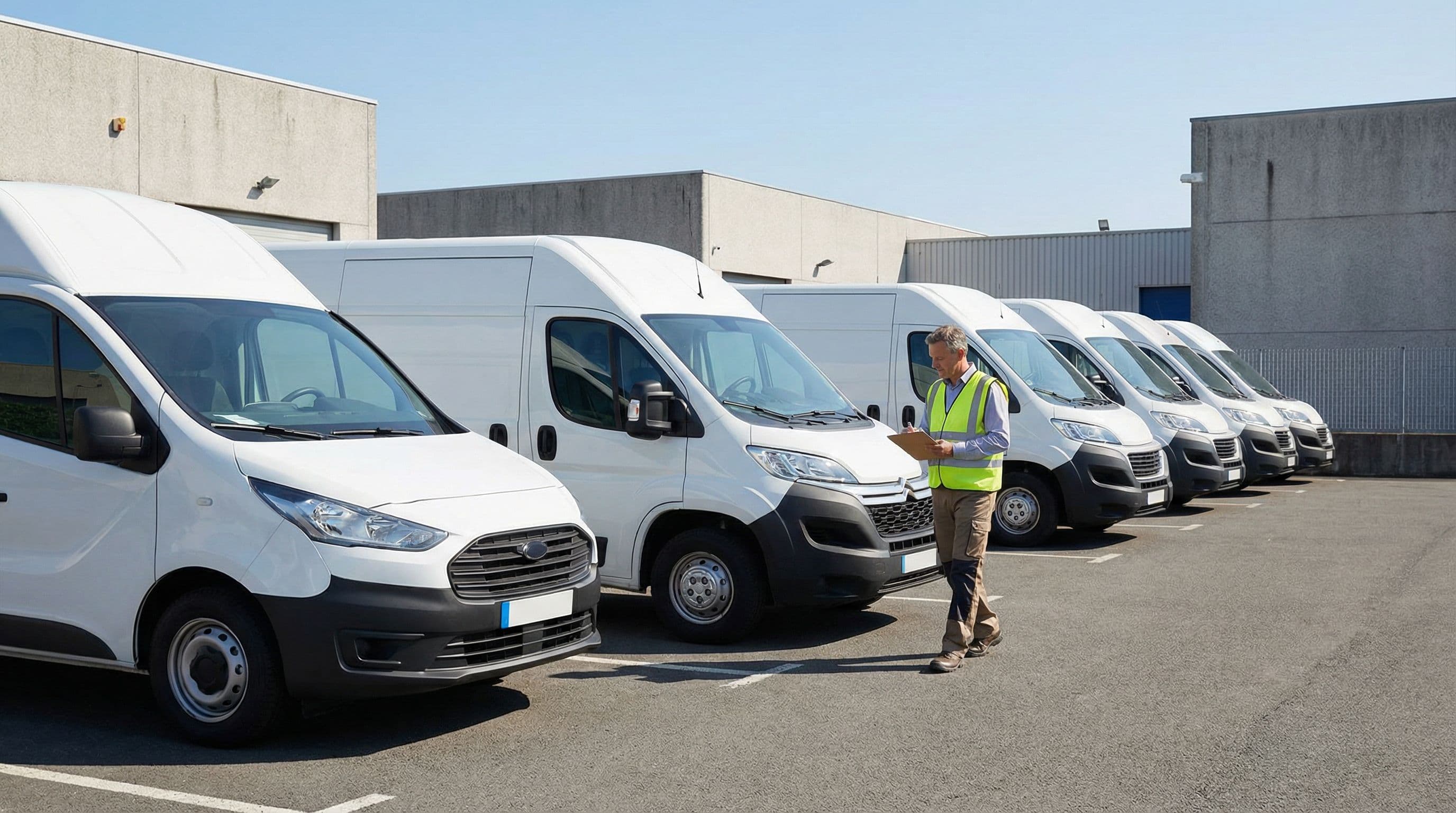
Florida businesses need a closer review any time customer vehicles stay on the premises long enough for weather, theft, or handling mistakes to become a real custody issue. That includes repair shops and body shops, but it also reaches businesses that do not always think of themselves as high exposure operations. A detailer with an outdoor staging area, a tire shop that keeps vehicles overnight, or a dealer service department with rows of customer units waiting for pickup can all face the same basic problem. Several vehicles under their control at the same location means a single event can trigger multiple claims at once.
This matters even more if your operation has seasonal surges, after hours drop off, or limited indoor space. A business that normally turns vehicles quickly may still need the coverage if delays leave customer cars on site for longer than planned. Parts backorders, weekend closures, or storm preparation can all increase the number of vehicles in your custody at one time.
You should also consider it if your business model involves moving vehicles between locations or storing them before and after work is completed. Towing operators, impound lots, valet services, parking operations, and restoration shops often have a different risk profile from a standard repair garage. Vehicles may be parked densely, moved by multiple employees, or left in open areas. If a landlord, lender, fleet customer, or commercial account asks for proof of coverage, treat that request as a signal to review your actual custody exposure, not just to produce a certificate.
Garage Keepers Insurance by City in Florida
Garage Keepers Insurance rates and coverage options can vary across Florida. Select your city below for localized information:
How to Buy Garage Keepers Insurance
To buy the right policy in Florida, start with a location by location vehicle map. List every address where customer vehicles are parked, serviced, washed, detailed, or stored, including overflow lots and fenced side yards, and note the maximum number of customer vehicles at each location. Record whether they are kept inside or outside, who has access to keys, and whether employees move vehicles after hours or before severe weather.
Next, prepare the underwriting details that usually decide whether a quote is accurate. Include your hours of operation, whether customers use night drop, whether road testing occurs, how vehicles are documented at intake, and what security measures are in place. If you have cameras, gate controls, written storm procedures, or a formal key log, say so. Those details help an underwriter understand that your operation is organized and that losses can be investigated clearly.
Then ask for the quote to be reviewed against state specific scenarios. Do not stop at a single premium figure. Ask how the policy treats outdoor storage, temporary relocation of customer vehicles, secondary premises, and losses that happen while vehicles are being moved to reduce storm exposure. If any part of your operation changes by season, mention that before you commit. Compare the proposal against your busiest custody days. Review limits, deductibles, exclusions, and any conditions tied to storage or security. If a term is vague, ask for clarification in writing so you know how the policy is intended to respond before the next weather alert or overnight accumulation of customer vehicles.
Request a quote through CPK Insurance to compare your options with participating licensed providers.
How to Save on Garage Keepers Insurance
The most effective way to lower garage keepers costs in Florida is to reduce uncertainty around vehicle concentration and catastrophe response. Carriers worry about one event damaging multiple customer vehicles at once, so your savings strategy should start with how you park, document, secure, and relocate vehicles. If you can show a disciplined process, you give the underwriter a reason to view the account more favorably.
Begin with storage controls. Separate completed vehicles from units awaiting work, avoid overcrowding, and document where each customer vehicle is parked at the end of the day. If you use an overflow lot, make sure it is included in the quote and managed with the same procedures as your main location. A business that can account for every key and every vehicle position is easier to underwrite than one relying on memory.
Next, tighten your storm plan. Written procedures for moving vehicles, protecting keys, photographing lot conditions, and assigning employee responsibilities can help prevent losses and support a cleaner claim file. The goal is not paperwork for its own sake. The goal is to show that your business can act quickly before a weather event and reconstruct what happened afterward. You can also save by choosing deductibles deliberately instead of defaulting to the lowest option. Compare a few structures and decide what your cash flow can absorb after a smaller loss. Finally, keep your intake forms, damage photos, and pickup records consistent. Good documentation does not just help after a claim. It can make your operation look more predictable at renewal, which is often where better pricing decisions are made.
Our Recommendation for Florida
The smartest buying move is to match your limit review to your peak custody count, not your average day. If a storm warning, parts delay, or holiday weekend can leave more customer vehicles on site than usual, build your quote around that higher exposure. Ask specifically how the policy is intended to respond when vehicles are stored outdoors, moved to another area for protection, or left on the premises after work is complete. Those are ordinary operating conditions in this state, and they should be discussed before you bind coverage, not after a loss.
You should also treat key control as a coverage issue, not just an internal procedure. If multiple employees can access keys, if keys stay on site overnight, or if vehicles are parked at more than one address, document that process and have it reviewed with the quote. Clear procedures can help both underwriting and claims handling. Finally, review the proposal with your manager or owner on the same day you walk the lot. Count vehicles, confirm storage areas, and compare the policy assumptions against what is actually happening on the ground. That is usually the fastest way to catch a limit problem, an omitted location, or a security gap before it becomes an uncovered dispute.
FAQ
Frequently Asked Questions
Florida businesses should still review the exposure if customer vehicles remain overnight even occasionally. A single weather event or security lapse can affect multiple units at once, so your quote should reflect where those vehicles are parked, how keys are controlled, and how often overnight storage happens.
Florida outdoor storage can change the coverage conversation because weather and lot conditions become more important. If customer vehicles wait outside for parts, pickup, or scheduling, ask for the quote to be reviewed around that exact storage pattern rather than an assumed indoor setup.
The Florida Office of Insurance Regulation oversees carrier filings and rate approvals, which affects how you review quote assumptions and policy conditions. If any exclusion, deductible, or storage condition is unclear, ask for a written explanation while you are still comparing options.
Florida towing and impound operators often need a close review because customer vehicles may be stored densely, moved by staff, and held for longer periods. That combination makes location details, fencing, key control, and maximum vehicle count important parts of the quote.
Florida buyers usually get a better quote by bringing organized underwriting details to the application. List each storage address, your peak vehicle count, indoor versus outdoor parking, key procedures, and any written storm plan so the carrier can price the account with less uncertainty.
Florida operations should disclose every place customer vehicles are stored, even if a second lot is used only during busy periods. Leaving out an overflow location can create a mismatch between how your business actually operates and how the policy was underwritten.
Florida repair shops should review peak vehicle count, outdoor versus indoor storage, after hours drop off, key security, and storm relocation procedures. Those details often matter more than a generic application because they show how customer vehicles are actually handled on your premises.
Garage keepers insurance may cover damage to customers' vehicles while they are in your care, custody, or control. That may include collision, theft, fire, vandalism, hail, and other covered causes of loss, depending on your policy terms and how your business handles vehicles.
Sources
- 1.iii.org
Updated July 16, 2026