Updated July 16, 2026

Dealer Open Lot Insurance in Jacksonville
A smaller local market changes how you shop this coverage. You may see fewer carriers willing to quote unusual inventory setups, and underwriters often want cleaner location details before they release terms. Comparing options here means documenting exactly where units sit, how often they move, and who controls each storage area before you ask for pricing. This matters even more if your operation relies on overflow parking, shared commercial parcels, or off-site reconditioning that is common in a spread-out metro area.
Duval County has 28,051 business establishments, which means landlords, lenders, and service vendors routinely expect current certificates and clear schedules before they hand over space or start work. That volume of competing businesses means you will lose the lot to someone who already has their paperwork ready. You are usually better served by preparing a current inventory maximum, every storage address, fence and lighting details, and any seasonal changes in where vehicles are kept. Organized records help you submit cleanly and request terms that match how your inventory actually moves.
Dealer Open Lot Insurance Risk Factors in Jacksonville
Jacksonville's top risk factors include Flooding, Hurricane damage, Coastal storm surge, and Wind damage.
Florida has a very high climate risk rating. Top hazards: Hurricane (Very High), Flooding (Very High), Severe Storm (High), Sinkhole (Moderate). The state's expected annual loss from natural hazards is $8.2B, which influences dealer open lot insurance premiums and may affect coverage availability in high-risk areas.
What Dealer Open Lot Insurance Covers
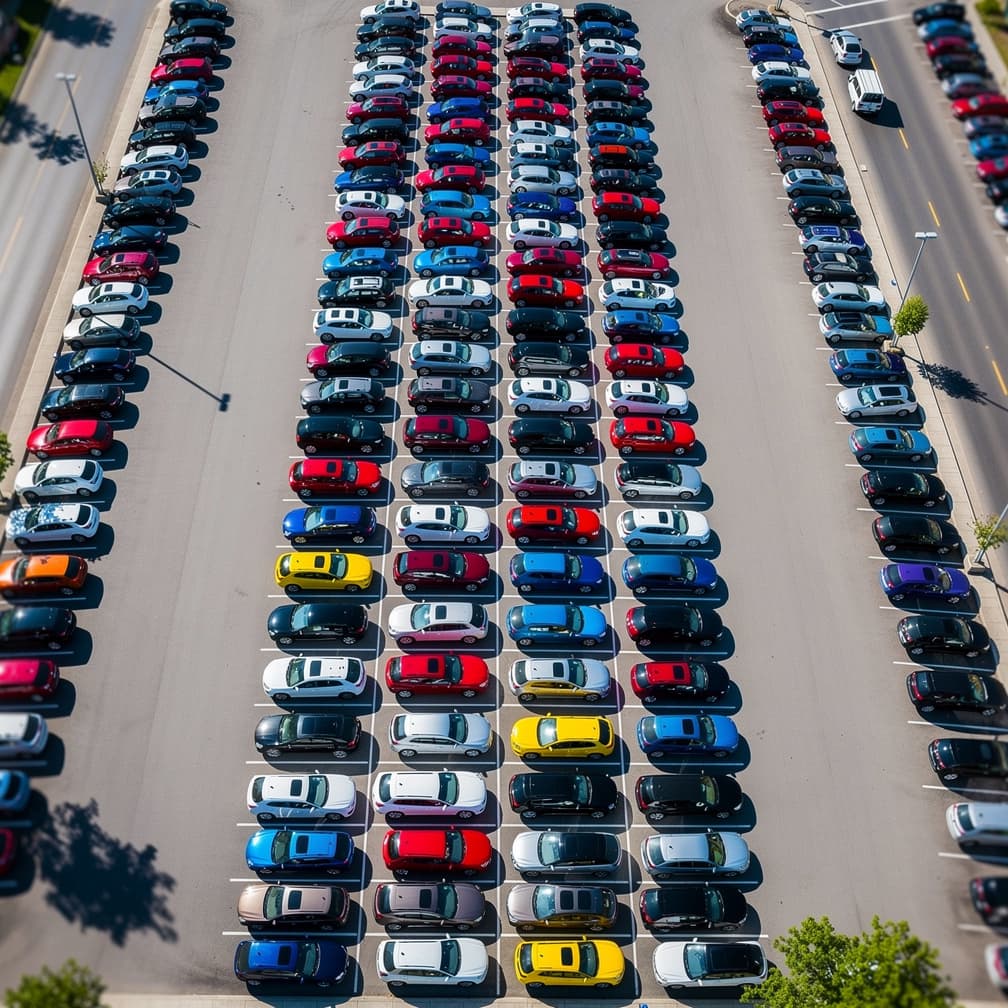
Where your inventory sits, how often it moves, and what happens when weather or theft affects more than one unit at the same time. If your operation uses a main frontage lot for sales and a separate back lot for overflow, you should ask whether each location is scheduled correctly and whether any unsold units ever stay at a repair shop, detail area, auction site, or temporary storage address.
You should also press for clear wording around named drivers, customer access, key procedures, and the difference between vehicles held for sale and vehicles used in business operations. Dealers sometimes blur those lines during reconditioning, fueling, transport between lots, or short demonstration use. That is where claim disputes can start if the file does not show who had the unit, why it moved, and where it was supposed to be.
Florida conditions make weather planning part of coverage review, not a separate operations issue. Ask how your deductible applies after a storm loss, whether limits are adequate for peak inventory periods, and how newly acquired units are treated before they are added to your schedule or reporting process. If you buy aggressively at auction or take trade-ins in batches, that timing matters. Compare your declarations, storage addresses, and maximum inventory values against your busiest month, not your average week.
Coverage Included

Weather Damage
Covers hail, wind, flood, and storm damage to lot inventory.

Theft Protection
Covers vehicles stolen from your lot.

Fire Damage
Covers fire and explosion damage to inventory vehicles.

Vandalism
Covers intentional damage to vehicles on your lot.

Test Drive Coverage
Covers vehicles during customer and employee test drives.

Transit Coverage
Covers vehicles being moved between lot locations.
What Makes Jacksonville Different
Spread-out storage is the main thing that changes the buying calculus here. Many local dealers do not operate from one compact rooftop. Inventory may rotate between the main lot, a nearby overflow parcel, a detail shop, a mechanic, or temporary space tied to a landlord or vendor relationship. The underwriter needs to know which addresses hold sale units, who has care or control, and whether values spike at certain points of the month, because a missing address can turn into a denied claim before it becomes a paperwork fix.
Duval County's leading sectors include professional and technical services at 12.4%, retail trade at 12.1%, and health care and social assistance at 11.4%. That mix means your overflow lot likely shares a parcel with a clinic or law office whose lease terms and traffic patterns limit how much room you actually have. If vehicles ever sit anywhere other than the main lot, ask for each location to be evaluated on its own facts instead of assuming one address tells the whole story.
Our Recommendation for Jacksonville
Begin with a location map, not a price request. List every place where sale units can sit, even briefly, and note whether the site is owned, leased, shared, or controlled by a vendor, then match each address to its peak inventory value rather than the average day count. A single gap in that schedule can leave inventory unprotected at the worst possible moment, so the quote that fits your operation depends on getting these details right before you ask for terms.
Jacksonville buyers should also review proof expectations early. Many retail buyers are payment-sensitive, so delays that keep front-line inventory off the lot can affect turnover and cash flow faster than owners expect. Ask how newly acquired units are handled, how off-site storage should be reported, and what documentation the carrier wants after a move. Any change to your addresses, fencing, lighting, or storage practices since the last renewal belongs in the file before you bind or grow inventory.
Get Dealer Open Lot Insurance in Jacksonville
Enter your ZIP code to compare dealer open lot insurance rates from carriers in Jacksonville, FL.
Business insurance starting at $25/mo
FAQ
Frequently Asked Questions
Review every address where sale units are kept, even temporary overflow or vendor locations. A spread-out operation changes how underwriters view the exposure, and a cleaner address schedule helps you request terms that match actual inventory movement.
Submissions often get more scrutiny because overflow parking changes where inventory is exposed and who controls the site. Underwriters commonly want the address, peak values, security details, and whether the space is leased, shared, or vendor-controlled.
Duval County has 28,051 business establishments, so dealers often work with landlords, vendors, and service partners that want current certificates and clear location details before space is used. Having your documentation ready keeps you from losing a space while you wait on paperwork.
Review peak values by location, not just a single total for the whole operation. If units shift between the main lot, overflow space, and service vendors, the highest concentration at each address matters.
Policies are regulated at the state level in Florida. If you are comparing forms or carrier requirements, keep the focus on how each one treats your addresses, inventory values, and off-site storage practices.
Yes. Disclose every place sale vehicles are stored, even if an overflow lot is used only during busy periods. A quote is more reliable when each address and storage use is reviewed up front.
Storm season makes deductible, location, and inventory concentration questions more urgent. Ask how weather losses are handled, whether peak inventory values are adequate, and what documentation the carrier expects after a loss.
Dealerships often move units through service or detail before sale, but that storage pattern should be disclosed up front. If a vehicle sits away from the main lot, confirm the address and use are reflected in the quote.
Sources
- 1.U.S. Census Bureau, County Business Patterns, Duval County(Duval County has 28,051 business establishments, so landlords, lenders, auction partners, and service vendors often expect current certificates and clear schedules before they hand over space or start work.; Duval County's leading sectors include professional, scientific, and technical services at 12.4%, retail trade at 12.1%, and health care and social assistance at 11.4%, so commercial property here is used by a wide mix of tenants with different parking, lease, and access rules.)
Updated July 16, 2026