








































Updated July 16, 2026

Inland Marine Insurance in Jacksonville
Port and corridor logistics shape how you should think about property that rarely sits still. In Jacksonville, your equipment may move through terminals, warehouses, client premises, and job sites across a large county footprint before it returns. That changes how you review transit, temporary storage, and scheduled equipment details before you bind inland marine insurance. A contractor with tools staged near a bridge project, a technician carrying diagnostic gear to multiple appointments, and a retailer moving display property between locations can all face the same problem. Your property is away from your main premises when a loss happens, which is exactly when a standard property form may fall short. Duval County has 28,051 business establishments, which means more handoffs among subcontractors and clients than you would see in a smaller market. That volume raises the odds of a gap in custody, so your quote should be built around how property actually travels, who has custody at each handoff, and whether high-value items are blanket covered or individually scheduled. Before you request terms, list what leaves your premises, where it sits during the day, and which jobs or clients create the largest concentration of value.
Inland Marine Insurance Risk Factors in Jacksonville
Jacksonville's top risk factors include Flooding, Hurricane damage, Coastal storm surge, and Wind damage.
Florida has a very high climate risk rating. Top hazards: Hurricane (Very High), Flooding (Very High), Severe Storm (High), Sinkhole (Moderate). The state's expected annual loss from natural hazards is $8.2B, which influences inland marine insurance premiums and may affect coverage availability in high-risk areas.
What Inland Marine Insurance Covers
In Florida, inland marine insurance is designed for business property that leaves a fixed location, including tools, equipment, materials, and goods in transit over land. It can also apply to property at job sites, customer locations, or temporary storage, which is important in a state where hurricanes, flooding, and severe storms can disrupt deliveries and project timelines. The core coverages in this product include tools and equipment, goods in transit, contractors equipment, installation floater, and builders risk. Those coverages are useful for businesses that move materials between coastal and inland job sites or store items offsite while waiting for access after storm damage.
Florida does not set a statewide minimum inland marine limit or a mandated form, so the policy is shaped by carrier underwriting and the specific property being insured. The Florida Office of Insurance Regulation oversees the market, and coverage requirements may vary by industry and business size. That means the policy wording, scheduled items, deductibles, and any endorsements can differ from one carrier to another. Businesses should pay close attention to whether the policy may cover theft, damage, vandalism, and other covered perils while property is away from the primary premises.
Because Florida has elevated property crime and a high overall climate risk rating, a standard commercial property policy often leaves a gap for mobile business property. Inland marine insurance fills that gap by following the property instead of the building. For businesses handling valuable papers, tools, or installation materials, the exact covered items and storage conditions should be reviewed carefully before binding.
Coverage Included
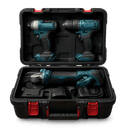
Tools & Equipment
Can help repair or replace hand tools, power tools, and gear that are stolen or damaged on the job or in transit.

Goods in Transit
May cover products, materials, and merchandise while they are being shipped or hauled between locations in your care.
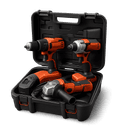
Contractors Equipment
Typically covers heavy machinery like excavators, loaders, and generators against theft or damage at job sites and between them.

Installation Floater
Can help cover materials and fixtures from the moment you buy them until they are installed and accepted at a project.
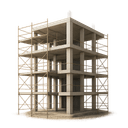
Builders Risk
May cover a structure under construction, along with materials on site, against damage from fire, wind, theft, and vandalism.
Inland Marine Insurance Cost in Jacksonville
Average Cost in Florida
$25 - $130
per month
Businesses in Florida typically see inland marine insurance premiums of $25 - $130 per month, which tends to run 29% above the national range of $20 - $100 per month.
- Total insured value of the scheduled property
- Type and age of the equipment
- Where it is stored and how far it travels
- Jobsite security and theft prevention
- Per-item limits and deductibles
- Prior theft and in-transit losses
Contact CPK Insurance for a personalized quote.
Prices shown are general estimates, not guaranteed rates or quotes. Your actual premium will depend on the insurer, coverage selected, business details, location, claims history, and other underwriting factors. Learn about our pricing methodology.
In Florida, inland marine insurance cost is influenced by the state's above-average premium environment, hurricane exposure, and the type of property moved. Pricing can vary by carrier, class of business, and how much equipment is scheduled. Florida's insurance premium index is 138, which signals a market that generally prices above the national baseline of 100. That means a Florida business often pays more for the same coverage than a comparable operation in a lower-risk state, so shopping carefully matters.
Several Florida factors can push premiums up or down. A business operating near coastal counties, in hurricane-prone areas, or in locations with higher theft exposure may see higher pricing than a business with lower-risk routes and secure storage. Coverage limits and deductibles are major rating factors, and claims history, location, industry or risk profile, and policy endorsements also affect the quote. That matters in a state with severe hurricane and flooding risks, 312 disaster declarations on record, and recent major events such as Hurricane Ian, Idalia, Milton, and Michael. That history means carriers price mobile property with storm disruption in mind.
Florida has a large and active insurance market, so a contractor in Orlando with secured tools and modest limits may receive a different result than a builder in coastal Florida with higher-value materials, installation exposures, or temporary storage needs. The most accurate quote can help reflect the property schedule, travel patterns, storage practices, and the endorsements selected.
Industries & Insurance Needs in Jacksonville
Service-heavy operations are a practical reason this coverage comes up more often here than buyers expect. In Duval County, the leading sectors by establishment share are professional, scientific, and technical services at 12.4%, retail trade at 12.1%, and health care and social assistance at 11.4%. That mix matters because inland marine is not only for contractors hauling large tools. It can also fit survey gear, testing equipment, mobile diagnostic devices, leased equipment, installation materials, and customer property in your care away from the main location. If your business serves clients on site, rotates equipment between branches, or keeps property in a vehicle before the next appointment, ask your agent to map coverage to those movements instead of assuming a standard property policy follows the item everywhere. The right review starts with an equipment list, typical destinations, and the highest-value property that regularly leaves the premises.
What Makes Jacksonville Different
In many markets, this is mainly a contractor conversation. In Jacksonville, it often reaches further because property moves through a broader chain of custody, from warehouse to vehicle, from vehicle to client site, and sometimes into temporary holding between stops. That creates more moments where you should define exactly when coverage applies and whose property is involved. When crews share equipment across tight delivery schedules or carry it to third-party locations, lease and contract language can quickly determine who is responsible for a loss. For you, the practical takeaway is to treat this as a movement-and-custody decision, not just an inventory list. Ask where losses are most plausible, whether in transit, while loading, at a temporary site, or while property sits in an employee's vehicle. Then match limits and item scheduling to those real handoffs.
Our Recommendation for Jacksonville
Begin with the property that would halt your work fastest if it disappeared from a job site or vehicle. For one business, that is a set of specialized tools. For another, it is mobile electronics, installation materials, or customer property you carry to a site. Build your quote around those items first. Next, separate property you own from property you borrow, lease, install, or hold for others, because those categories can call for different wording or sublimits depending on policy terms. If your team makes multiple stops in a day, ask how the policy treats unattended vehicles, temporary storage, and property left at a job site overnight. If contracts require evidence of coverage, review those requirements before binding so the form and limits line up with the work you actually accept. A strong quote request includes an equipment schedule, largest single item values, normal travel radius, and the places where property is most often loaded, unloaded, or stored between jobs.
Get Inland Marine Insurance in Jacksonville
Enter your ZIP code to compare inland marine insurance rates from carriers in Jacksonville, FL.
Business insurance starting at $25/mo
FAQ
Frequently Asked Questions
The right policy can help cover property in transit, at a client site, or in temporary storage, depending on its terms.
Professional, scientific, and technical services make up 12.4% of county establishments, which means roughly one in eight local businesses fits a profile where portable gear travels daily. If your firm falls in that group, your equipment probably sees enough road time to justify a closer look.
If items travel to pop-ups, kiosks, or temporary setups, ask whether those movements are specifically contemplated in the quote.
In a county with a dense business network, job coordination and subcontract handoffs are common, which means custody details can determine who pays when something goes missing.
You can verify a carrier there before you compare quotes and policy terms.
It may cover tools, equipment, materials, and goods while they are in transit, at job sites, at customer locations, or in temporary storage. In Florida, that matters because property can be exposed to theft, damage, or storm-related disruption away from the fixed business location.
The policy is built to follow covered property as it moves between Florida job sites, warehouses, or temporary storage areas. That is useful when a commercial property policy only protects the main premises and your equipment spends time in the field.
Sources
- 1.U.S. Census Bureau, County Business Patterns, Duval County(Duval County has 28,051 business establishments.; In Duval County, the leading sectors by establishment share are professional, scientific, and technical services at 12.4%, retail trade at 12.1%, and health care and social assistance at 11.4%.)
- 2.Florida Office of Insurance Regulation(Florida insurance oversight runs through the Florida Office of Insurance Regulation.)
Updated July 16, 2026





