







































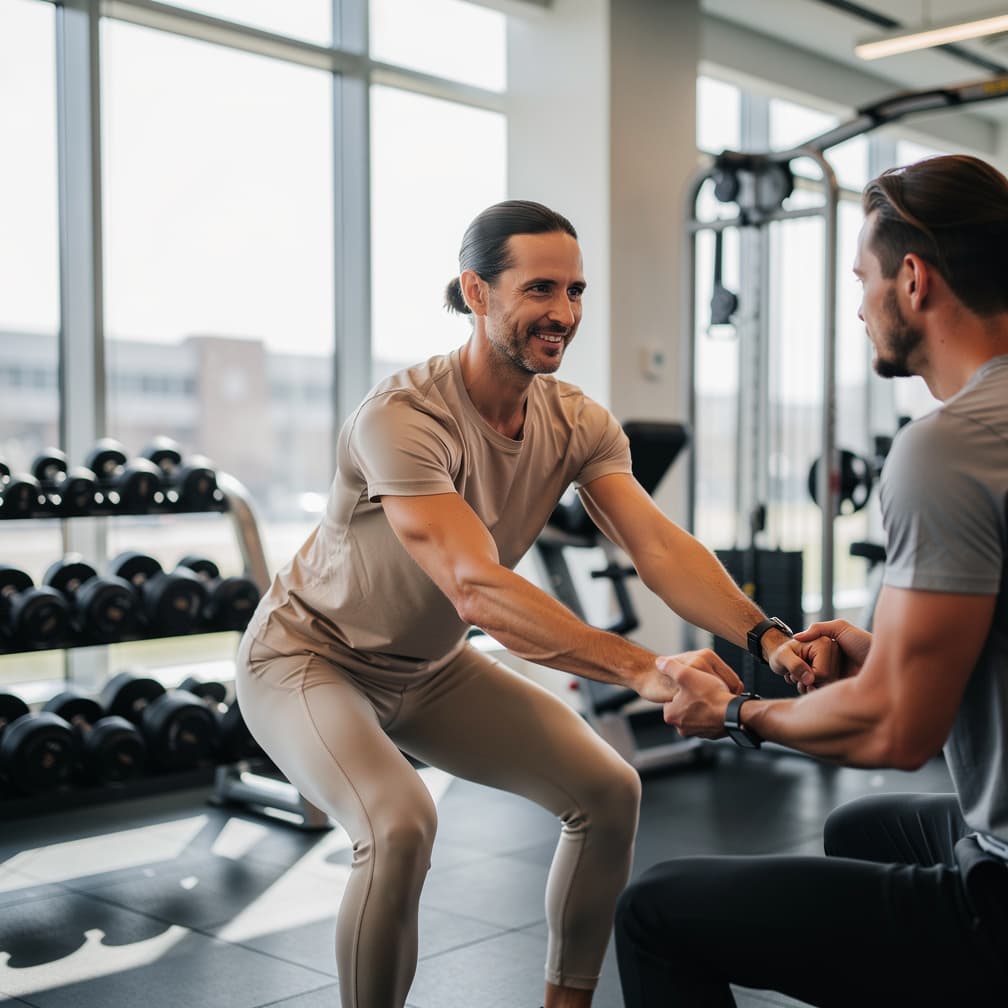

A client tweaks a shoulder halfway through a circuit and calls three weeks later about a physiotherapy bill. That phone call is where fitness instructor insurance in Lakeland turns from paperwork into a decision. Bodily injury claims out of group classes and private sessions are the core exposure in this trade, and a signed waiver does not stop anyone from filing. The hurt person need not even be your client: a partner waiting at the edge of the mat counts. General Liability is the line a venue looks for on your certificate, and the per-occurrence limit is the number a claim actually tests. Ask any Lakeland venue for its paperwork before you pick that limit, because the contract usually sets the floor. The rest of this page sets out what moves your price and where the gaps sit.
What Makes Lakeland Different
Waivers and certificates do different jobs, and venues want the second one even when you collect the first. A signed release can shape a lawsuit, but it does not put a defense lawyer in the room. That is what the venue is checking for when it asks who your carrier is. The building wants to know a claim from your class has somewhere to go besides its own policy. If a Lakeland landlord asks to be named as additional insured, that is the same instinct in writing. It costs you an endorsement and costs them nothing, which is why the request is standard. Trainers who treat the request as an insult lose bookings to trainers who treat it as admin. Keep a current certificate saved on your phone and the whole conversation in Lakeland takes one minute.
Local Risk Factors in Lakeland
Decide now which pieces of equipment you would move if a warning went up, because you will not decide well later. A trainer's kit is portable, and portability is the whole advantage in a storm zone. Whatever stays behind sits in a room whose insurance is not yours, and a venue's policy is built around the venue's property rather than your bands and racks. Cover for equipment away from your own address depends on wording that varies between forms, so ask that question in plain language before you sign. A Business Owners Policy can bundle the property and liability pieces for a trainer with a fixed space in Lakeland, though the wind deductible still applies. The Florida Office of Insurance Regulation publishes consumer guidance on storm deductibles, and it is worth reading before the Florida season starts.
What Coverage Does a Fitness Instructor in Lakeland Need?
General Liability
A client who trips over a bench you set out, or a spectator who slips near the dumbbell rack, is the claim this line exists for. Venues and landlords ask about it by name before handing over a key. It typically answers third-party bodily injury and property damage, and it generally leaves out arguments about the quality of your coaching.
Example: A parent watching a class steps on a resistance band left on the floor and fractures a wrist. The claim names you and the venue, and General Liability may pick up the defense and the settlement, subject to your limit.
Professional Liability
What the general form leaves out is the argument about your judgment: the progression you wrote, the cue you missed, the weight you added too soon. Professional Liability is built for allegations that your instruction caused a client's injury, and it can help cover defense costs even where a complaint goes nowhere. Intentional acts typically sit outside it.
Example: A client follows a twelve week plan you wrote, aggravates a disc, and says you ignored the intake form. Defense begins before anyone decides who is right, and this line is generally where those costs land.
Business Owners Policy
Two policies, one bill, and one renewal date: a Business Owners Policy packages liability with property for an instructor who has a dedicated room rather than a rented hour. It commonly suits a small studio with equipment, fixtures, and a lease behind it. With no fixed space, the property half is usually doing nothing for you.
Example: A fire in the unit next door leaves your studio with smoke damage and a shut door for a fortnight. The equipment loss and the liability side both sit under one policy here, which can simplify everything that follows.
Commercial Property
Racks, mirrors, mats, bikes, and the sound system are the property a trainer accumulates once a room becomes permanent. This line is meant for physical loss to those items and to the space you fitted out, commonly from fire, theft, or storm. Flood is typically excluded and priced as its own policy, and gear away from the listed address may fall outside as well.
Example: Someone forces the back door of your Lakeland studio overnight and the kettlebells, the speaker, and the tablet are gone by morning. A property policy could answer the replacement cost, less your deductible.
How Much Does Fitness Instructor Insurance Cost in Lakeland?
Fitness Instructor Insurance is a bundle of separate policies, priced separately. The ranges below are typical figures for Lakeland for each line; a quote prices each one against your own operations.
| Coverage | Typical range | What moves your price |
|---|---|---|
| General Liability Insurance | $65 - $200 per month | Industry and risk classification, annual revenue, number of employees |
| Professional Liability Insurance | $50 - $150 per month | The services you actually perform, annual revenue or billed fees, limit and retention selected |
| Business Owners Policy Insurance | $110 - $310 per month | Annual revenue and industry class, building and contents values, square footage and building age |
| Commercial Property Insurance | $65 - $250 per month | Building value and construction type, roof age and condition, fire protection class |
Prices shown are general estimates, not guaranteed rates or quotes. Your actual premium will depend on the insurer, coverage selected, business details, location, claims history, and other underwriting factors. Learn about our pricing methodology.
What Are the Insurance Requirements for a Fitness Instructor in Lakeland?
Workers' comp is generally required once you have 4 or more employees. Florida generally requires employers to carry workers' compensation at that point. Common exemptions include sole proprietors, partners, and corporate officers (up to 4). Confirm current thresholds with your state's workers' compensation agency before you hire.
Flood damage is typically excluded from standard policies. Standard commercial property and builders-risk-type policies typically exclude flood damage. Flood exposure varies address by address, so check your premises in FEMA's Flood Map Service Center before deciding; if you sit in a mapped flood zone, a separate policy through the National Flood Insurance Program is the usual starting point.
Where to verify licensing and coverage rules. The Florida Office of Insurance Regulation publishes consumer guidance and current insurance requirements for Florida businesses. When a contract or lease demands specific wording, the Florida Office of Insurance Regulation's guidance is the authoritative place to check.
Get Your Fitness Instructor Quote in Lakeland
Compare rates from multiple carriers. Free quotes, no obligation.
Operating in Lakeland
- Equipment moves between a trunk, a closet, and a rented corner every week, while property forms are written around fixed addresses. That mismatch is where a trainer's gear claim usually fails.
- A Lakeland studio filling a class slot wants your certificate the same week, and a trainer who has to buy a policy first loses the slot to one who already holds it.
- Additional insured requests cost you an endorsement and cost the venue nothing, which is why the request is standard paperwork rather than a comment on you.
- A landlord in Lakeland can withhold keys to a studio until the certificate names the building owner correctly, and correctly means their spelling of it rather than yours.
How to Buy: Advice for Lakeland Owners
Match the policy to the way you actually teach, and be honest about it on the application. A trainer running boot camp style sessions with novices in a park is a different risk from one coaching technique with two clients an hour, and the form you fill in is where that gets decided. Understating class sizes to shave a few dollars is how a claim gets denied at the worst possible moment. General Liability is the base, Professional Liability answers the coaching allegation, and neither is worth much if the underwriter was told about a business you do not run. Describe the Lakeland work you have and the work you are about to take, then let several participating carriers in Florida price the same honest picture.
FAQ
Fitness Instructor Insurance in Lakeland: FAQ
Class format and size do most of the work: loaded lifting with beginners prices differently from a mat class. Equipment handling, whether you hold a fixed space, and your claims history matter too. Where you teach matters less than what you teach, though a Lakeland contract demanding a high limit will show up in the number. Time in business moves it far less than people expect.
It depends on the allegation. If the client tripped over equipment or slipped on the floor, General Liability is generally the form in play, subject to who controlled the space. If the claim is that your programming or supervision caused the injury, it points at Professional Liability instead. One session can produce both allegations, which is why trainers often carry the two together.
That is an allegation about your judgment, and Professional Liability is the line built for it. Defense costs typically begin the moment a demand letter arrives, well before anyone decides who is right. Your intake forms, session notes, and documented progressions become the evidence. Coverage does not turn on you being wrong; it turns on the claim being made and on the policy wording.
Home sessions remove the venue and keep the exposure. A dropped weight on a hardwood floor is property damage, and a client hurt in their own living room can still claim your instruction caused it. A homeowner's policy is written for the homeowner, not for the business running in their kitchen. Ask what a policy says about work at a Lakeland address you do not control.
The endorsement can pull the venue under your policy for claims arising out of your class, so the venue's own limits stay untouched. That is why the request is standard rather than suspicious. It usually needs an endorsement, and the wording matters: primary and non-contributory language decides whose policy answers first. A certificate promising it without the endorsement behind it is worth nothing.
Per-occurrence is the ceiling on one claim, say the shoulder a single client says you wrecked. The aggregate is the ceiling on the whole policy year, added up across every class and every claimant. Contracts usually name the first and stay quiet about the second, which is backwards for a trainer teaching many classes a week. Ask whether defense costs come out of the aggregate, because if they do, a long argument spends money meant for the claim.
Sources
- 1.Florida Office of Insurance Regulation(Florida Office of Insurance Regulation publishes consumer guidance for insurance buyers.)
- 2.FEMA / FloodSmart(Flood coverage is typically purchased separately; FEMA administers the National Flood Insurance Program.)


