







































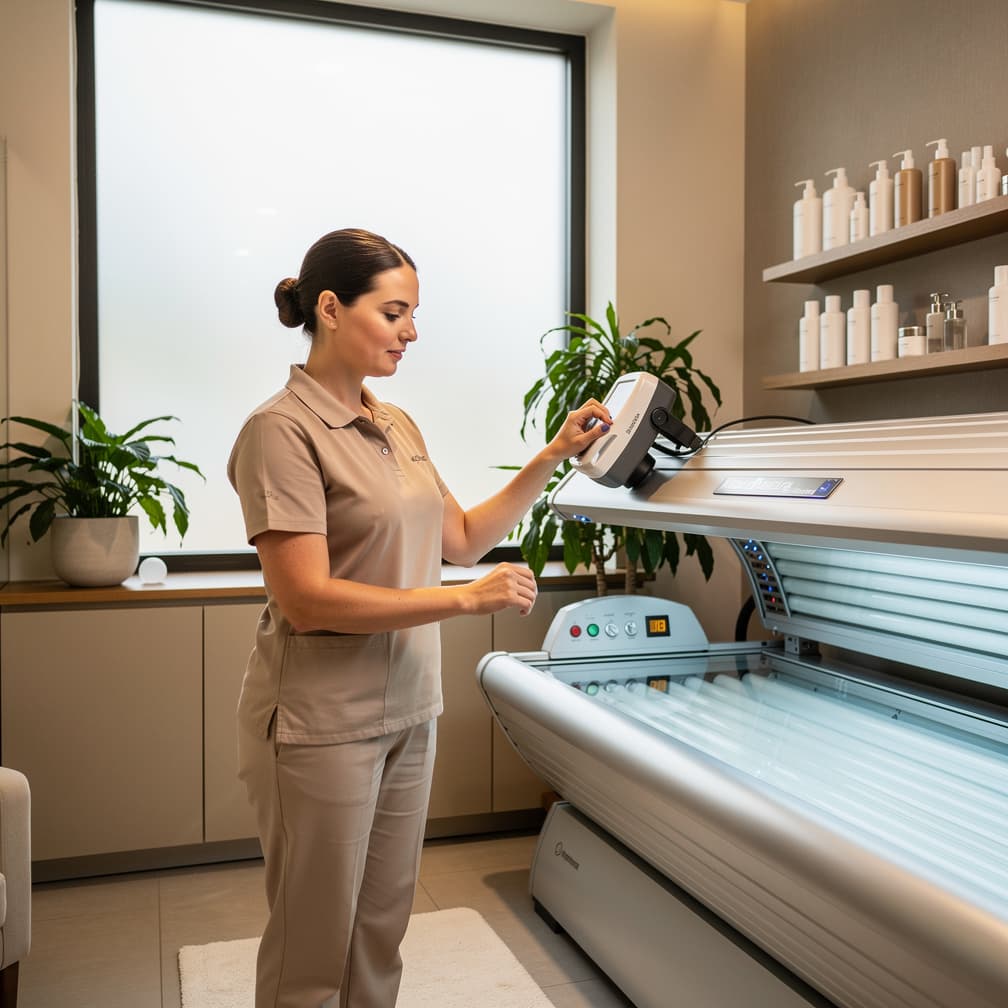

A client walks out of a tanning session, feels burned two days later, and calls asking who is going to pay for it. Tanning salon insurance in Lakeland starts at that phone call, not at the lease signing. The quieter openings matter just as much: a lobby floor still wet from the last cleaning pass, a booth timer that sticks, a fixture left in pieces after a break-in. Each one arrives with a different question about which policy answers and which deductible comes off your side. Salons rarely fail on the dramatic fire; they get worn down by the injury claim nobody documented and the week of sessions lost while a room sits dark. What follows lays out what salons commonly carry, what pushes the price, and where Florida rules touch the decision.
What Makes Lakeland Different
Limits get chosen once, at signing, by a landlord who has never walked your Lakeland floor. That number becomes your floor forever, or until someone renegotiates it, which nobody ever does. The floor is rarely the right ceiling for a business with clients lying inside machines. A single bodily injury allegation can run past a limit that looked generous on paper. General Liability limits are cheap to raise at purchase and impossible to raise after a claim. That asymmetry is the whole argument for deciding the number yourself rather than inheriting it. Price the higher limit in Lakeland before you assume it is out of reach for you. The difference between two limits is often smaller than the retail lotion order you place monthly.
Local Risk Factors in Lakeland
Before the season turns, photograph the salon: every bed, every booth, the retail shelf, and the fixtures you paid to install. A claim after a storm is an argument about what existed and what it was worth, and photographs end that argument quickly. Adjusters in Florida handle many files at once after a landfall, and the clean file tends to settle first. Ask now what your policy expects of you during a storm: boarding, moving stock, documenting. Failing to do those things can reduce what a policy may pay later. Then ask what happens to income while a room in Lakeland sits closed, since that is a separate part of the conversation.
What Coverage Does a Tanning Salon in Lakeland Need?
General Liability
A client falls in the lobby, or alleges a burn days after a session: those are the claims this line is built around, including the defense costs that arrive long before fault is settled. Landlords name it in lease clauses and ask to be added to it. It typically does not reach injuries to your own staff, and it does not answer for equipment that simply fails.
Example: A client slips on a hallway floor still damp between sessions and reports a wrist injury that evening; general liability can help cover the medical claim and the defense that follows.
Commercial Property
Flood sits outside a standard property form, and so does a bed that quietly wears out; what this line is built around is sudden damage to the things you own. Beds, booths, timers, fixtures, retail stock, and the improvements you paid to install all belong on the schedule. A lender financing equipment often demands it before the beds are delivered.
Example: An overnight break-in empties the retail shelf and cracks a booth panel in Lakeland; commercial property may respond to the stolen stock and the damaged fixture, with your deductible coming off the total.
Professional Liability
Where general liability answers for a physical hazard, this line is meant for the complaint about judgment: a session booked wrong, a skin type advised badly, instructions rushed at the desk. No broken glass, no wet floor, just an allegation that your staff got something wrong and a client was harmed by it.
Example: Staff misread an intake form and book a client for a longer session than their history supports, and a complaint follows; professional liability is designed to answer allegations of that kind.
Workers Compensation
State rules rather than your landlord drive this one, and the thresholds turn on headcount and vary widely from place to place. It is meant for employee injuries: a cleaner's back, a slip in the same hallway your clients use, a burn during equipment setup. Price follows payroll and your own record, so classification errors get expensive at audit.
Example: A staff member wiping down a bed between clients slips on the wet floor and misses three weeks in Lakeland; workers compensation is intended to pick up medical bills and lost wages.
How Much Does Tanning Salon Insurance Cost in Lakeland?
Tanning Salon Insurance is a bundle of separate policies, priced separately. The ranges below are typical figures for Lakeland for each line, except workers compensation, which is rated per $100 of payroll; a quote prices each one against your own operations.
| Coverage | Typical range | What moves your price |
|---|---|---|
| General Liability Insurance | $90 - $270 per month | Industry and risk classification, annual revenue, number of employees |
| Commercial Property Insurance | $110 - $420 per month | Building value and construction type, roof age and condition, fire protection class |
| Professional Liability Insurance | $60 - $220 per month | The services you actually perform, annual revenue or billed fees, limit and retention selected |
| Workers Compensation Insurance | $0.75 - $2.74 per $100 of payroll | Employee classification codes, total annual payroll, experience modification rate |
Prices shown are general estimates, not guaranteed rates or quotes. Your actual premium will depend on the insurer, coverage selected, business details, location, claims history, and other underwriting factors. Learn about our pricing methodology.
What Are the Insurance Requirements for a Tanning Salon in Lakeland?
Workers' comp is generally required once you have 4 or more employees. Florida generally requires employers to carry workers' compensation at that point. Common exemptions include sole proprietors, partners, and corporate officers (up to 4). Confirm current thresholds with your state's workers' compensation agency before you hire.
Flood damage is typically excluded from standard policies. Standard commercial property and builders-risk-type policies typically exclude flood damage. Flood exposure varies address by address, so check your premises in FEMA's Flood Map Service Center before deciding; if you sit in a mapped flood zone, a separate policy through the National Flood Insurance Program is the usual starting point.
Where to verify licensing and coverage rules. The Florida Office of Insurance Regulation publishes consumer guidance and current insurance requirements for Florida businesses. When a contract or lease demands specific wording, the Florida Office of Insurance Regulation's guidance is the authoritative place to check.
Get Your Tanning Salon Quote in Lakeland
Compare rates from multiple carriers. Free quotes, no obligation.
Operating in Lakeland
- An equipment lender financing your beds can demand to be listed on the policy, and it will keep asking at every renewal until the loan is finally closed.
- Timers are the smallest part of a salon and the most common thing to fail, and a failure that overruns a session is the exact scene an injury allegation gets built from.
- A break-in often takes the retail shelf and the register rather than the beds, which is why owners in Lakeland underinsure contents by counting only their equipment.
- Cleaning between sessions runs on a schedule nobody writes down until an underwriter in Florida asks for it, and by then you are reconstructing habits from memory.
How to Buy: Advice for Lakeland Owners
Financing beds changes your paperwork before it changes your risk. A lender wants the equipment insured and wants its own name on the policy, which means Commercial Property with an endorsement rather than a bare certificate. Ask what happens if a financed bed is destroyed and the loan outlives the repair, since that gap is why lenders ask in the first place. Meanwhile the client lying in that bed is a General Liability question, and the two lines answer to completely different events. Keep them separate in your head and the quotes stop looking confusing. The Florida Office of Insurance Regulation publishes the current requirements for tanning facilities, so read that before you sign a finance agreement in Lakeland. Comparing participating carriers on the same equipment values is the only comparison worth making.
FAQ
Tanning Salon Insurance in Lakeland: FAQ
Mechanical breakdown and ordinary wear usually sit outside a property form, which is built around sudden events like fire, theft, or storm damage. Equipment breakdown protection is a separate conversation and often a separate endorsement. Ask specifically what happens when a bed simply fails, because the answer differs by carrier and failure is the loss owners actually meet most often.
Payroll first, because staffing is the biggest moving input. Contents come next: beds, booths, fixtures, and retail stock decide what a fire or a break-in could take from you. Claims history multiplies both. The limits your lease demands matter too, since a higher required limit means a higher premium. Your address moves the number far less than any of that, whatever a landing page implies.
Yes, and that is the normal case. The clause is a floor you agreed to, written to protect the landlord's interest rather than to size your exposure. You can always buy above it. Raising a General Liability limit at purchase usually costs less than owners expect, and raising it after a claim has arrived is not an option anyone offers.
The per-occurrence limit is the most that one incident can draw. The aggregate is the most the entire policy term can draw across every incident combined. A salon with steady foot traffic can chip away at the aggregate through small slip settlements and then find the pool thin when a serious injury claim lands. Nobody notifies you while it erodes, so ask how yours applies.
That usually turns on whether physical damage caused the closure. A week of rough weather that keeps clients home is rarely a trigger by itself, while a fire that closes the doors often is. Where a policy does respond, there is normally a waiting period and a cap on how long it runs. Ask a carrier in Florida what triggers it and what limits it.
Retail sales put you into product territory, which is a different exposure from a tanning session. General Liability often includes products and completed operations, but the wording varies and nobody at a carrier assumes you sell anything unless you say so. Tell them what you stock and roughly how much of it moves, then ask them to point at the products language in the form.
Sources
- 1.Florida Office of Insurance Regulation(Florida Office of Insurance Regulation publishes consumer guidance for insurance buyers.)
- 2.FEMA / FloodSmart(Flood coverage is typically purchased separately; FEMA administers the National Flood Insurance Program.)


