







































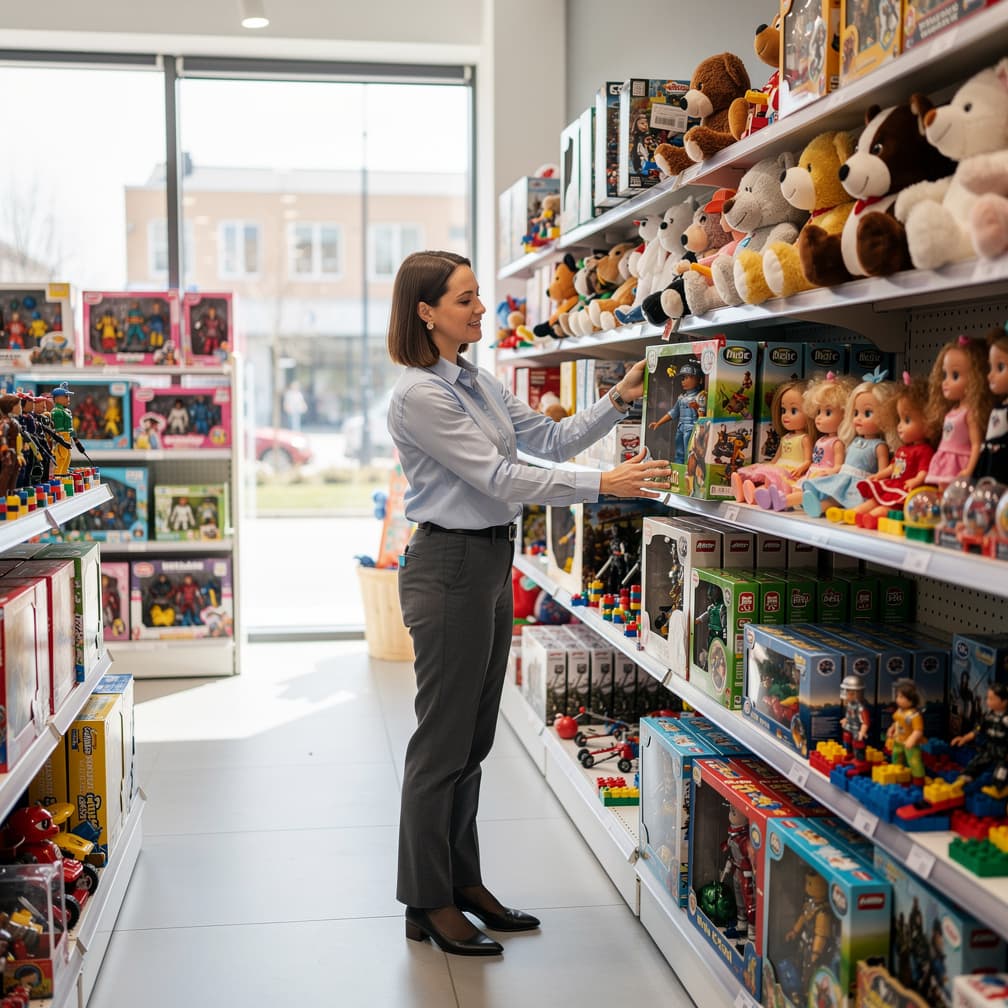

General Liability for a small retail shop typically starts around $35 a month, which is less than most owners guess and far less than one aisle injury costs. Low does not mean settled: the number that matters is the limit behind it, and the certificate your Lakeland landlord wants names that limit in writing. Toy store insurance in Lakeland gets priced off floor traffic, inventory value, and whether you assemble or demonstrate anything on site. Demo tables and ride-on samples raise the injury question, because a moving child is a different risk than a shelf of board games. Claims history moves the number harder than square footage ever will. If you have never filed, say so early; it is one of the few inputs working in your favor. The sections below break a quote into the parts you actually control.
What Makes Lakeland Different
Consignment stock belongs to somebody else and sits on your shelf, under your roof, on your watch. A maker in Lakeland leaving handmade puzzles with you can ask what happens if the store burns down. Property forms are usually written around property you own, and property of others sits under a separate limit. That limit is often small by default, and default is where consignment agreements quietly go to die. Ask for the personal property of others figure, since participating carriers in Florida set that default at different levels. If a maker wants proof, a certificate naming the arrangement is what settles the question for both of you. Write down what you are holding, what it is worth, and who owns each piece of it. Inventory belonging to other people stays invisible to a policy until you tell somebody it is there.
Local Risk Factors in Lakeland
Decide what the plan is before a warning is issued, because a claim starts with whatever you did in the last two days. Move stock off the floor, photograph the backroom, and keep the receipts for plywood and labor, since reasonable steps to protect property are commonly reimbursed under the property section. Keep your policy number and certificate file somewhere that is not the store. Then think about reopening: a queue of shops in Polk County will be calling the same roofers and glaziers you need, and your interruption period runs while you wait in it. Ask a carrier in Florida how long that period lasts and whether it can be extended before you sign anything.
What Coverage Does a Toy Store in Lakeland Need?
General Liability
A landlord, a mall office, or an event host asking for proof of coverage is asking about this line. It is the one most likely to answer when a customer is hurt on your floor, or when a toy you sold injures somebody weeks later, subject to your limit and the form's exclusions. Damage to your own stock lives elsewhere.
Example: A four-year-old pulls a stacked display of board games down on herself while her father is at the register, and a demand letter with clinic bills follows six weeks later. That claim could fall to your per occurrence limit.
Commercial Property
Flood and slow wear typically sit outside it, and so does stock that simply is not there at count time. What it is built around is sudden damage to the space you occupy, your fixtures, and the inventory inside: fire, storm, a burst pipe, a break-in through the front door. Lost income is often attached to the same form.
Example: Wind lifts a corner of the roof overnight and rain reaches four pallets of boxed stock before anyone opens up. The ruined inventory and the ceiling repair might both land inside this form, after the deductible.
Workers Compensation
Payroll is the rating base, and staff are the reason to carry it. A clerk who falls off a ladder reaching for a top shelf, or strains a back unloading a pallet, travels this road rather than the liability one. Whether a sole owner is included is a choice made when the policy is written. It has nothing to say about a customer's injury.
Example: A seasonal hire steps off a stool holding a boxed playset, twists an ankle, and misses three weeks of shifts. Medical bills and a share of the lost wages are what this line is meant to handle.
Business Owners Policy
Buying the liability and property pieces separately works. For a small shop, this bundles them into one form, one bill, and one renewal date, commonly with lost income attached. Sublimits are the catch: property of others, signage, and equipment breakdown can each be smaller than an owner assumed, so read those numbers before the price.
Example: A fire in a Lakeland storefront takes the fixtures, the backroom stock, and six weeks of trading. One form can be written to answer for the property and the lost income together, subject to its limits.
How Much Does Toy Store Insurance Cost in Lakeland?
Toy Store Insurance is a bundle of separate policies, priced separately. The ranges below are typical figures for Lakeland for each line, except workers compensation, which is rated per $100 of payroll; a quote prices each one against your own operations.
| Coverage | Typical range | What moves your price |
|---|---|---|
| General Liability Insurance | $65 - $200 per month | Industry and risk classification, annual revenue, number of employees |
| Commercial Property Insurance | $110 - $350 per month | Building value and construction type, roof age and condition, fire protection class |
| Workers Compensation Insurance | $0.75 - $2.74 per $100 of payroll | Employee classification codes, total annual payroll, experience modification rate |
| Business Owners Policy Insurance | $110 - $310 per month | Annual revenue and industry class, building and contents values, square footage and building age |
Prices shown are general estimates, not guaranteed rates or quotes. Your actual premium will depend on the insurer, coverage selected, business details, location, claims history, and other underwriting factors. Learn about our pricing methodology.
What Are the Insurance Requirements for a Toy Store in Lakeland?
Workers' comp is generally required once you have 4 or more employees. Florida generally requires employers to carry workers' compensation at that point. Common exemptions include sole proprietors, partners, and corporate officers (up to 4). Confirm current thresholds with your state's workers' compensation agency before you hire.
Flood damage is typically excluded from standard policies. Standard commercial property and builders-risk-type policies typically exclude flood damage. Flood exposure varies address by address, so check your premises in FEMA's Flood Map Service Center before deciding; if you sit in a mapped flood zone, a separate policy through the National Flood Insurance Program is the usual starting point.
Where to verify licensing and coverage rules. The Florida Office of Insurance Regulation publishes consumer guidance and current insurance requirements for Florida businesses. When a contract or lease demands specific wording, the Florida Office of Insurance Regulation's guidance is the authoritative place to check.
Get Your Toy Store Quote in Lakeland
Compare rates from multiple carriers. Free quotes, no obligation.
Operating in Lakeland
- The owner on a ladder after closing is the injury nobody plans for, and whether Workers' Compensation includes a sole proprietor is a choice made when the policy is written rather than after the fall.
- Restock boxes left in an aisle are the trip hazard a Lakeland store creates for itself, and the incident note you write within the hour is what an adjuster reads a year later.
- A landlord in Lakeland can withhold keys until a certificate naming the right legal entity reaches their inbox, so a misspelled entity on that form is a delayed opening rather than a clerical detail.
- Children pull on shelving to reach what they want, and a tall fixture that was never anchored to the wall is a bodily injury claim waiting for its moment.
How to Buy: Advice for Lakeland Owners
Before you open, three documents decide your first policy: the lease exhibit, the inventory schedule, and the payroll estimate. None of them exist yet when you first ask for a price, which is why early quotes move so much. Build a real estimate instead of a guess, and say plainly that the store is new, because a carrier prices a new venture differently than a five-year book. Ask what happens at the first audit if actual revenue and payroll land above your estimate. Ask what General Liability limit the landlord in Lakeland demanded, and whether a Business Owners Policy meets it in one form. Requirements differ by state, and the Florida Office of Insurance Regulation publishes the current requirements for new businesses. Then use CPK to send one clean submission to several participating carriers instead of telling the story four times.
FAQ
Toy Store Insurance in Lakeland: FAQ
It bundles the common pieces, usually liability and property in one form, and for a small shop that is often the practical structure. Bundled is not complete. Employee injuries sit outside it, flood generally sits outside it, and equipment breakdown is commonly an add-on rather than a given. Ask a participating carrier in Florida which sublimits apply, since property of others, signage, and stock away from the premises can each carry a smaller number than you assumed.
For the peak, not the average. Stock climbs weeks ahead of your busiest weeks, and a limit set during a quiet stretch describes a backroom that no longer exists once the pallets arrive. Ask whether the form carries a seasonal increase provision, and how it values stock: replacement cost is meant to rebuy the shelf, while actual cash value can pay only what a depreciated box was worth. Count once for real, keep the invoices, and revisit the figure yearly.
Revenue, payroll by role, the peak value of your stock, the square footage of the sales floor, your loss history, and a plain description of what you sell. That description does more work than owners expect: games and plush read differently than ride-ons, batteries, and anything a child climbs on. Say whether you assemble bikes or run a demo table. A submission from Lakeland that answers in detail gets priced on detail instead of on assumption.
Generally no. Standard property forms typically exclude flood, and rising water is the classic case: a storm drain backs up, water crosses the threshold, and every carton on the bottom shelf is gone. Separate flood coverage exists and is priced on its own. Water from a burst pipe overhead is a different question and may be handled inside the form. Ask whoever quotes you in Florida which kind of water the wording actually means, because both look identical on a ruined box.
Usually yes, through an additional insured endorsement, and a certificate on its own does not do it. A landlord in Lakeland can also ask for a waiver of subrogation, which stops your carrier from pursuing them after a loss they may have contributed to. Carriers commonly charge for these. Take the lease exhibit's exact wording, ask whether each quote includes the endorsement or bills it on top, and keep a copy of the endorsement itself on file.
That is normal, and it is why the paperwork you did at the time matters more than your memory of it. Report the incident when it happens rather than when the letter arrives, because late notice can put an otherwise covered claim at risk. Keep an incident book, photograph the aisle and the fixture, and note who was working and what the floor looked like. An adjuster arriving late works from whatever you wrote down.
Sources
- 1.Florida Office of Insurance Regulation(Florida Office of Insurance Regulation publishes consumer guidance for insurance buyers.)
- 2.FEMA / FloodSmart(Flood coverage is typically purchased separately; FEMA administers the National Flood Insurance Program.)


