Updated July 16, 2026

Builders Risk Insurance in Miami
Building in Miami means navigating a smaller local market where carrier appetite, lender expectations, and contractor relationships can narrow quickly once a project falls outside a clean profile. Whether you are constructing a custom home, gutting an older property, or taking a mixed-use build from shell to finish, you need terms that match your draw schedule, stored materials, and phase-by-phase responsibility. Proof of coverage often matters early here because owners, private lenders, and upstream partners want to see the structure and key materials scheduled correctly before money keeps moving.
Miami's median home value sits at $475,200, so even a modest residential renovation can represent enough replacement cost to justify careful limit setting and close attention to valuation language. When your job includes owner-supplied finishes, long-lead items, or partial occupancy during later phases, those valuation details matter even more. When you request a quote, bring the construction budget, site address, target completion date, security details, and the contract language assigning risk of loss so the form can be built around your actual exposure.
A single fire, water loss, or theft event on a residential build can be expensive enough that small wording differences drive the outcome. If your form values the project too narrowly, excludes certain stored materials, or leaves temporary structures unclear, a mid-project claim can become a funding problem instead of just a repair problem.
That is why local buyers usually need more than a quick certificate. You should line up the completed value, the construction contract, and any lender requirements before binding coverage. If the owner is furnishing appliances, stone, millwork, or imported fixtures, ask where those items are covered before installation and who bears the loss if they are damaged off site or in transit. On larger residential work, check whether your policy structure fits phased completion and any period where the property is secured but not yet finished.
Builders Risk Insurance Risk Factors in Miami
Miami's top risk factors include Flooding, Hurricane damage, Coastal storm surge, and Wind damage.
Florida has a very high climate risk rating. Top hazards: Hurricane (Very High), Flooding (Very High), Severe Storm (High), Sinkhole (Moderate). The state's expected annual loss from natural hazards is $8.2B, which influences builders risk insurance premiums and may affect coverage availability in high-risk areas.
What Builders Risk Insurance Covers
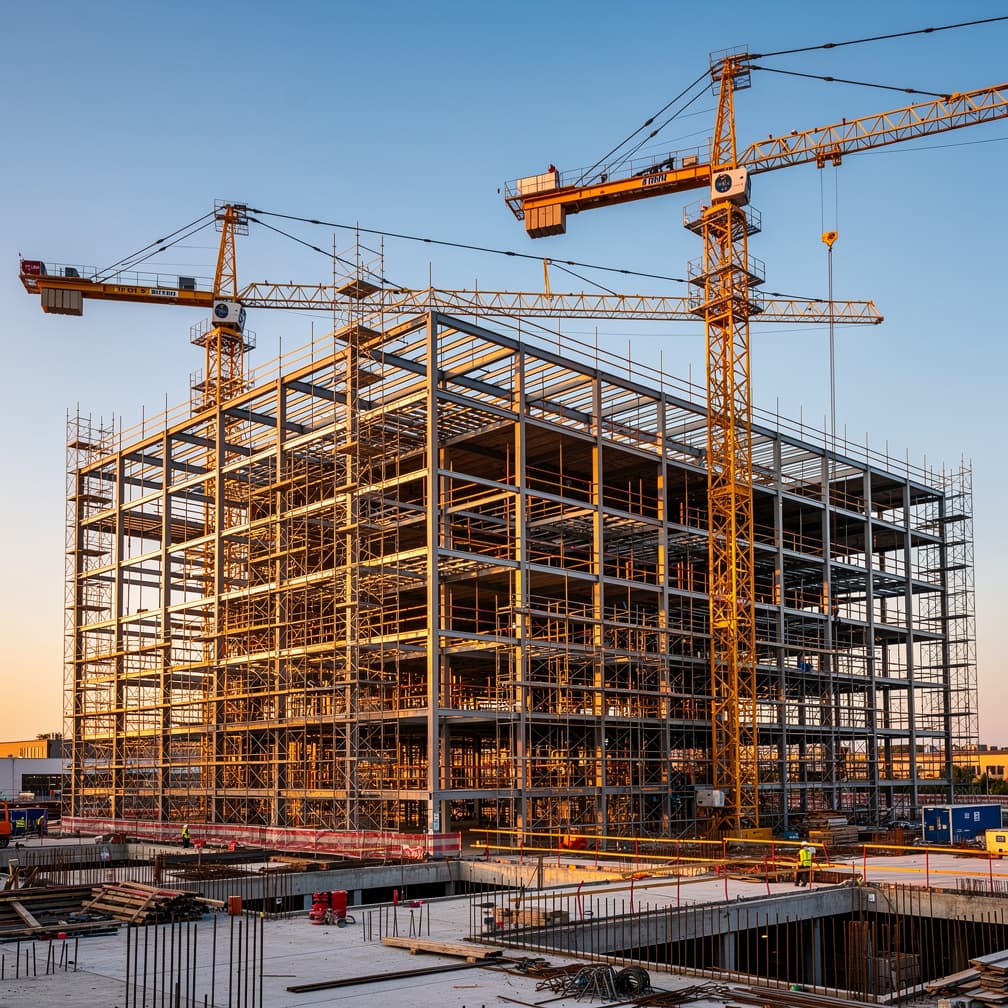
In Florida, the useful review starts with the parts of the job that are most exposed before completion. The highest vulnerability is during framing, dry-in, window installation, roofing, interior rough-in, and while high-value materials are staged for the next trade. That is where you want the quote to match the sequence of construction, not just the address and completed value.
For coastal and inland Florida work alike, ask how the policy treats property in transit, items stored on site, and materials that arrive early because of lead times. If cabinets, mechanical equipment, windows, or finish materials sit in a container, garage, or partially enclosed structure, you want those details reviewed before a loss, not argued after one. The same goes for temporary structures, fencing, and soft cost options if your contract or financing arrangement makes delay expensive.
Renovation work deserves extra attention because the line between existing property and new work can get blurry fast. If you are improving an occupied building, ask where the builders risk policy may end and where the property policy for the existing structure begins. That matters when water enters through an opening created by the work, when materials are stolen before installation, or when a partial loss affects both old and new components.
Florida also has a named regulator, the Florida Office of Insurance Regulation. What that means for you is practical: insurers must file their policy language and endorsements with the state. So if you are comparing forms, keep your review tied to that filed language rather than assumptions from another state. The practical next step is to mark up the site plan and schedule so the coverage review follows the project phase by phase.
Coverage Included

Structure Coverage
Covers the building or structure under construction.

Materials on Site
Covers building materials stored at the construction site.

Materials in Transit
Covers materials being transported to the job site.

Temporary Structures
Covers scaffolding, fencing, and temporary buildings.

Soft Costs
Covers additional expenses from construction delays due to covered losses.

Equipment Coverage
Covers permanently installed fixtures and equipment.
What Makes Miami Different
Start with the contract, not the application. On a local project, the fastest way to avoid a mismatch is to confirm who must insure the work in place, who carries materials before installation, and whether the lender wants its interest shown a certain way. Then match the policy term to the real build calendar, including permit delays, inspections, and finish-item lead times.
Our Recommendation for Miami
If you are renovating a higher-value home, review the completed value carefully instead of defaulting to a rough construction budget. Ask where owner-furnished materials are covered, how theft-sensitive items are handled on site, and whether testing or commissioning creates any gap near completion. When multiple parties have money at risk, request sample wording for named insureds and loss payee treatment before you bind. Comparing quotes here is less about speed and more about whether the form follows the way your project is actually being built, so push for specifics on each of those points before you commit.
Get Builders Risk Insurance in Miami
Enter your ZIP code to compare builders risk insurance rates from carriers in Miami, FL.
Business insurance starting at $25/mo
FAQ
Frequently Asked Questions
Miami projects should start with completed value and contract responsibility. Even a residential renovation can justify close review of limits, owner-furnished materials, and who carries the risk of loss during each phase.
Miami owners and lenders usually want evidence that the structure under construction, major materials, and their financial interest are scheduled correctly before funds continue. Bring the construction contract, draw schedule, site address, and target completion date into the quote process early.
Miami-Dade County has 95,916 business establishments, which means you are likely working alongside multiple parties who each have a financial stake in the outcome. That density of overlapping interests is exactly why named insured wording, loss payee treatment, and responsibility for materials before installation deserve close attention.
Miami custom work often includes long-lead finishes and owner-selected materials, so you should ask where property is covered before installation. Confirm whether the form addresses off-site storage, transit, and theft-sensitive items instead of assuming they are included.
Miami-Dade County's leading sectors include professional, scientific, and technical services at 17.9%, health care and social assistance at 11.5%, and retail trade at 11.2%. That mix means many local projects involve tenant build-outs, clinic fit-outs, or storefront work in occupied buildings, which makes phased completion and occupancy details worth extra review.
In Florida, the buyer is usually the party the contract makes responsible for insuring the work, often the owner, developer, or general contractor. Review the construction agreement and lender requirements together before binding so the named insureds and project responsibilities line up.
Florida projects often need a close review of wind-related terms because storm exposure can change by location, construction phase, and policy wording. Ask specifically about deductibles, protective conditions, and whether materials on site are treated differently before installation.
Florida renovations are often worth reviewing because the exposure is not just the new work, it is also how that work interacts with the existing building. Clarify where builders risk ends, where the property policy begins, and how occupied areas are protected.
Sources
- 1.U.S. Census Bureau, ACS 5-Year Estimates, table B25077(Miami's median home value is $475,200)
- 2.U.S. Census Bureau, County Business Patterns, Miami-Dade County(Miami-Dade County has 95,916 business establishments; Miami-Dade County's leading sectors include professional, scientific, and technical services at 17.9%, health care and social assistance at 11.5%, and retail trade at 11.2%)
Updated July 16, 2026