








































Updated July 5, 2026

Commercial Truck Insurance in Miami
Property managers, lenders, port-adjacent tenants, and general contractors often ask for current certificates before a truck enters a yard, starts a delivery schedule, or pulls onto a job site here. Satisfying them usually means matching the named insured, vehicle schedule, and liability limits to the contract you are signing, then getting certificates out fast enough that dispatch does not stall. That is where commercial truck insurance in Miami becomes a documentation and operations issue, not just a box to check. If you run dump trucks into redevelopment zones, box trucks to retail corridors, or refrigerated units serving restaurants and health care accounts, your policy review should follow those routes and handoffs. Miami-Dade County has 95,916 business establishments, so there are a lot of counterparties that may ask for proof of coverage before freight is accepted, a dock appointment is confirmed, or a subcontract starts. Bring your lease terms, shipper requirements, driver list, garaging address, and any trailer interchange or hired and non-owned auto needs into the quote conversation. You want a policy built around how your trucks are actually dispatched, parked, loaded, and documented locally.
Commercial Truck Insurance Risk Factors in Miami
Miami trucking risk turns on congestion, tight delivery windows, and where your units sit when they are not moving. A truck that spends mornings backing into alleys near older commercial blocks, afternoons on retail delivery runs, and nights parked in an unfenced lot presents a different underwriting picture than a tractor assigned to scheduled terminal work. Here, it helps to review **radius, commodity, overnight garaging**, and whether drivers cross causeways, serve dense hospitality zones, or enter controlled properties that require additional insured wording. Physical damage and cargo terms deserve a close read if your operation depends on quick turnaround after a loss, because **downtime can cost you contracts** even before repairs are finished. Ask for certificates procedures, rental reimbursement options if available, and clear reporting steps for incidents involving loading areas, gate access, or third-party yards. The goal is to align the policy with how your trucks actually move and where they are exposed between jobs.
Florida has a very high climate risk rating. Top hazards: Hurricane (Very High), Flooding (Very High), Severe Storm (High), Sinkhole (Moderate). The state's expected annual loss from natural hazards is $8.2B, which influences commercial truck insurance premiums and may affect coverage availability in high-risk areas.
What Commercial Truck Insurance Covers
Your policy is built around how your truck operates on Florida roads, not just around the vehicle type. Motor carrier liability is the core layer for many trucking businesses. Physical damage coverage can help pay for repair or replacement costs after a covered collision or other covered loss. Cargo insurance may protect freight in transit, and trailer interchange coverage may matter if you haul non-owned trailers under agreement. Bobtail coverage and non-trucking liability are often considered by owner-operators whose truck may be used off-dispatch or without a trailer.
Florida does not provide a special trucking-only minimum. Commercial auto minimums are listed at $10,000 personal injury protection and $10,000 property damage liability, which is Florida's no-fault structure, and bodily injury liability can be required after certain violations. Federal freight-hauling requirements may also apply depending on your operation, and many shippers and brokers ask for higher limits than the minimums. The Florida Office of Insurance Regulation oversees policy forms, endorsements, and carrier availability, which means those details can vary by insurer. Because hurricane, flooding, and severe-storm exposure are elevated, endorsements and deductibles can matter as much as the base policy. This is especially true for trucks parked near coastal routes, depots, or terminals in low-lying areas.
Coverage Included

Motor Carrier Liability
Can help cover injuries and property damage your truck causes to others, a coverage federal regulators require most for-hire carriers to maintain.

Physical Damage
Can help pay to repair or replace your own truck after an accident, fire, theft, or vandalism.
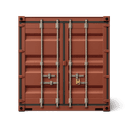
Cargo Coverage
May pay for damage to or theft of the freight you are hauling while it is in your care.
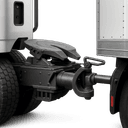
Trailer Interchange
Can help cover damage to trailers you haul under an interchange agreement but do not own.

Bobtail Coverage
May provide liability protection when you drive your tractor without a trailer attached, such as after dropping off a load.

Non-Trucking Liability
Can help cover accidents that happen when you use your truck for personal errands rather than dispatched work.
Commercial Truck Insurance Cost in Miami
Average Cost in Florida
$460 - $1,475
per month
Businesses in Florida typically see commercial truck insurance premiums of $460 - $1,475 per month, which tends to run 27% above the national range of $400 - $1,125 per month.
- Radius of operation
- Commodities hauled and cargo value
- Number and value of power units
- Driver motor vehicle records and CDL experience
- DOT safety record, inspections, and FMCSA scores
- Liability limits and physical damage deductibles
Contact CPK Insurance for a personalized quote.
Prices shown are general estimates, not guaranteed rates or quotes. Your actual premium will depend on the insurer, coverage selected, business details, location, claims history, and other underwriting factors. Learn about our pricing methodology.
Cost depends on limits, deductibles, claims history, location, industry risk, and endorsements. That premium pattern fits a state where severe storm exposure and a large volume of roadway incidents compound carrier risk. Florida logged 401,000 crashes in 2023, which means carriers see frequent accident claims on the state's highways and push pricing up accordingly. With the average claim cost reaching $21,700, even a single at-fault incident can hit your renewal hard. That is why carriers price conservatively when a truck operates in dense traffic corridors or storm-prone regions. Coastal freight lanes, hurricane evacuation routes, and flood-prone parking areas can change how a carrier views the account.
Coverage limits and deductibles have a direct effect on price, as do endorsements for cargo, trailer interchange, bobtail coverage, and non-trucking liability. A local delivery van, a dump truck, and a long-haul tractor-trailer may not be priced the same way. Florida's large insurance market creates more shopping options, but they do not remove the need to compare terms carefully. A quote should be reviewed against the exact routes, freight type, and operating radius you use today, because those details can move pricing up or down.
Industries & Insurance Needs in Miami
County industry mix is the practical demand signal here. In Miami-Dade County, the leading sectors by establishment share are professional, scientific, and technical services at 17.9%, health care and social assistance at 11.5%, and retail trade at 11.2%, so many local trucking accounts are not long-haul fleets. They are service-driven delivery, supply, and support operations that need vehicles to reach offices, clinics, stores, and mixed-use properties on tight schedules. That changes what you should review in a quote. If your trucks support retail replenishment, medical deliveries, mobile equipment transport, or contractor supply runs, ask whether your liability limits, cargo description, and driver classifications fit that work instead of a generic freight template. It also helps to map your busiest customer types before renewal. A fleet serving clinics and retailers may need stronger certificate handling and less tolerance for downtime than an operation with fewer, larger stops.
What Makes Miami Different
Documentation speed is the difference-maker here. In many markets, the main question is simply whether you carry the right coverage. Around Miami, the practical issue is whether your insurance paperwork keeps up with how fast jobs, deliveries, and site access change. A lender may want updated evidence before funding closes, a contractor may require specific certificate wording before a truck enters the project, and a property operator may reject a vendor whose insured name or vehicle information does not match the contract. That makes administrative accuracy part of risk management. If your business uses multiple DBAs, rotates temporary vehicles, adds trailers, or shifts between subcontracted and direct work, small paperwork gaps can delay revenue even when the policy itself is sound. Review named insured structure, scheduled autos, waiver and additional insured requests where applicable, and who in your office can request certificates quickly. The better your policy matches your real operating setup, the less likely a preventable documentation issue interrupts dispatch.
Our Recommendation for Miami
Start with the contracts that actually control your week. Pull a recent shipper agreement, job contract, lease, or vendor packet and compare it against your current declarations, endorsements, and certificate process. If the insured name on the contract does not match the policy, fix that before the next renewal conversation drifts into price only. Next, separate your vehicles by use. A dump truck serving construction sites, a refrigerated van on timed delivery routes, and a box truck handling retail drops should not be described with the same shorthand if their exposure is different. Then review where units are garaged and who drives them, including any seasonal or newly hired operators. If your customers expect fast proof of coverage, ask how certificate requests are handled and what information is needed to turn them around without back-and-forth. Missed work from a preventable insurance mismatch can hit cash flow quickly for many owner-led operations. A focused quote review should help you protect revenue continuity, not just satisfy a legal minimum.
Get Commercial Truck Insurance in Miami
Enter your ZIP code to compare commercial truck insurance rates from carriers in Miami, FL.
Business insurance starting at $25/mo
FAQ
Frequently Asked Questions
Miami buyers usually ask for a current certificate that matches the contract, including the correct named insured and scheduled vehicles. If your trucks enter managed properties or active job sites, review certificate wording and turnaround procedures before work is scheduled.
Miami-Dade County has 95,916 business establishments, so many trucking accounts deal with frequent vendor onboarding and proof-of-coverage requests. That makes certificate handling, insured-name accuracy, and vehicle scheduling worth reviewing alongside liability limits.
Miami delivery operations often need a quote built around stop frequency, parking, loading locations, and customer requirements, not just mileage. If you serve retail, clinics, or managed properties, describe those routes and handoffs clearly during underwriting.
Miami-Dade County is led by professional, scientific, and technical services at 17.9%, health care and social assistance at 11.5%, and retail trade at 11.2%. That points many local fleets toward service, supply, and delivery work rather than a one-size-fits-all freight profile.
Miami owner-operators should bring driver information, vehicle details, garaging address, loss history, and any contracts that require proof of coverage. If you use trailers, subcontracted work, or multiple business names, include that upfront so the quote matches operations.
In Florida, the policy can be built around motor carrier liability, physical damage, cargo coverage, and other endorsements depending on how the truck is used.
Florida commercial auto minimums apply, while federal freight-hauling requirements may also apply. Check your contracts before assuming the state minimum is enough.
Cost depends on limits, deductibles, claims history, location, industry risk, and endorsements. The quoted range in the state runs from $460 to $1,475 per truck per month, reflecting the spread between local delivery and long-haul operations.
Sources
- 1.U.S. Census Bureau, County Business Patterns, Miami-Dade County(Miami-Dade County has 95,916 business establishments, so there are a lot of counterparties that may ask for proof of coverage before freight is accepted, a dock appointment is confirmed, or a subcontract starts.; In Miami-Dade County, the leading sectors by establishment share are professional, scientific, and technical services at 17.9%, health care and social assistance at 11.5%, and retail trade at 11.2%, so many local trucking accounts are not long-haul fleets.)
Updated July 5, 2026





