








































Updated July 5, 2026

Builders Risk Insurance in Orlando
Space value is the first thing to pin down here. With a median home value of $359,000 in the city, builders risk insurance in Orlando often needs tighter attention on completed value, soft-cost assumptions, and the deductible you can actually absorb if materials are damaged before closeout. That matters on infill single-family work, higher-end remodels in established neighborhoods, and small commercial renovations where a lender, owner, or GC is trying to keep draws moving without a valuation gap. If your budget is built off older purchase numbers or a stripped-down construction contract, your limit can lag the real replacement target before the project is even dried in. A practical review starts with the current contract sum, change-order process, owner-furnished materials, and any temporary storage away from the site. Then compare that against the loss amount your cash flow could handle without slowing payroll, inspections, or the next material release. If the project economics are already tight, it is usually worth stress-testing the deductible before binding, not after a claim.
Builders Risk Insurance Risk Factors in Orlando
Local risk is less about inventing a new hazard profile and more about how long partially completed work and stored materials stay exposed while schedules move. On a framed addition or shell renovation, the weak point is often the period between delivery and installation, especially if windows, mechanical equipment, or finish materials arrive before the site is fully secured. That makes site controls part of the insurance conversation here: fencing, lighting, lockable storage, water shutoff planning, and who checks the property after weather or weekend downtime. If your project includes owner-supplied fixtures or long-lead items stored off site, ask whether those values are scheduled clearly enough to avoid a dispute after a loss. The goal is not broader language for its own sake. It is matching the policy to the way this job is actually staged, stored, and handed off so a property loss does not become a contract fight.
Florida has a very high climate risk rating. Top hazards: Hurricane (Very High), Flooding (Very High), Severe Storm (High), Sinkhole (Moderate). The state's expected annual loss from natural hazards is $8.2B, which influences builders risk insurance premiums and may affect coverage availability in high-risk areas.
What Builders Risk Insurance Covers
In Florida, the useful review starts with the parts of the job that are most exposed before completion. The highest vulnerability is during framing, dry-in, window installation, roofing, interior rough-in, and while high-value materials are staged for the next trade. That is where you want the quote to match the sequence of construction, not just the address and completed value.
For coastal and inland Florida work alike, ask how the policy treats property in transit, items stored on site, and materials that arrive early because of lead times. If cabinets, mechanical equipment, windows, or finish materials sit in a container, garage, or partially enclosed structure, you want those details reviewed before a loss, not argued after one. The same goes for temporary structures, fencing, and soft cost options if your contract or financing arrangement makes delay expensive.
Renovation work deserves extra attention because the line between existing property and new work can get blurry fast. If you are improving an occupied building, ask where the builders risk policy may end and where the property policy for the existing structure begins. That matters when water enters through an opening created by the work, when materials are stolen before installation, or when a partial loss affects both old and new components.
Florida also has a named regulator, the Florida Office of Insurance Regulation. What that means for you is practical: insurers must file their policy language and endorsements with the state. So if you are comparing forms, keep your review tied to that filed language rather than assumptions from another state. The practical next step is to mark up the site plan and schedule so the coverage review follows the project phase by phase.
Coverage Included

Structure Coverage
Covers the building or structure under construction.

Materials on Site
Covers building materials stored at the construction site.

Materials in Transit
Covers materials being transported to the job site.
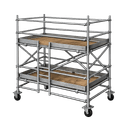
Temporary Structures
Covers scaffolding, fencing, and temporary buildings.

Soft Costs
Covers additional expenses from construction delays due to covered losses.

Equipment Coverage
Covers permanently installed fixtures and equipment.
Industries & Insurance Needs in Orlando
Orange County business density changes the builders risk conversation because projects here often involve tenant improvements, office build-outs, medical space updates, and retail rework with multiple stakeholders watching the schedule. The county has 44,612 business establishments, and its largest establishment shares are professional, scientific, and technical services at 15.1%, retail trade at 11.5%, and health care and social assistance at 9.7%, so many jobs are tied to leases, opening dates, equipment delivery, and lender or landlord documentation. That usually means your policy review should go beyond the structure alone. Check who must be named, whether temporary works and stored materials are described accurately, and whether the completed value reflects specialized interior build-out rather than just base construction cost. On occupied-site renovations, confirm how the project is separated from the existing premises so a mid-job loss does not stall turnover or create a dispute over which property is insured where.
What Makes Orlando Different
Property value discipline is what changes the calculus here. In a market where local home values and household budgets can make a mid-project loss harder to absorb, a deductible or limit that looks manageable on paper can still strain owner cash flow before completion. That is especially important on custom homes, substantial remodels, and smaller investor projects where one damaged delivery or water event can force a choice between funding the overage or delaying the job. The practical issue is not abstract market data. It is whether your completed value, debris assumptions, and deductible line up with what the owner, builder, or lender can actually carry during a disruption. If the project depends on tight draws or a narrow contingency, ask for a quote built around the real contract value and current material commitments, then test how the claim would be funded if the site took a partial loss halfway through the schedule.
Our Recommendation for Orlando
Start with the statement of values, not the certificate request. For a local build, confirm the completed value includes approved change orders, owner-furnished materials, and any equipment or finishes that will sit in temporary storage before installation. If the job is a renovation, separate the new work from the existing structure clearly enough that everyone understands what property the builders risk form is intended to insure. On commercial tenant work, review the lease and lender requirements early so named insureds, loss payees, and any documentation requests are handled before the first draw. Deductible selection deserves the same attention as the limit. Choose an amount your project can absorb without stopping labor or delaying replacement orders. Before you bind, walk through one realistic claim scenario, who reports it, where materials are stored, and what records you would need to support the loss.
Get Builders Risk Insurance in Orlando
Enter your ZIP code to compare builders risk insurance rates from carriers in Orlando, FL.
Business insurance starting at $25/mo
FAQ
Frequently Asked Questions
Orlando projects should start with the current contract amount, then add approved change orders, owner-furnished materials, and any major items in storage. Undervaluing the job can leave a meaningful gap if a loss hits mid-project.
Orlando higher-value residential work often has less room for a valuation mistake because finishes, custom materials, and schedule delays add up quickly. It is smart to review completed value and deductible together, not separately.
Orange County has 44,612 business establishments, so many projects are tied to tenant openings, landlord requirements, and financing milestones. That makes it important to confirm named insureds, loss payees, and property values before work starts, especially on office, retail, and medical interiors.
Orange County's leading establishment sectors include professional services at 15.1%, retail at 11.5%, and health care at 9.7%. Those occupancies often involve specialized interior work, equipment timing, and opening deadlines, so policy details should match the actual build-out scope.
Orlando owners should pick a deductible the project can absorb without interrupting labor, inspections, or replacement orders. It is worth testing whether the out-of-pocket amount is realistic for the owner or investor behind the job.
In Florida, the buyer is usually the party the contract makes responsible for insuring the work, often the owner, developer, or general contractor. Review the construction agreement and lender requirements together before binding so the named insureds and project responsibilities line up.
Florida projects often need a close review of wind-related terms because storm exposure can change by location, construction phase, and policy wording. Ask specifically about deductibles, protective conditions, and whether materials on site are treated differently before installation.
Florida renovations are often worth reviewing because the exposure is not just the new work, it is also how that work interacts with the existing building. Clarify where builders risk ends, where the property policy begins, and how occupied areas are protected.
Sources
- 1.U.S. Census Bureau, ACS 5-Year Estimates, table B25077(With a median home value of $359,000 in the city, builders risk insurance in Orlando often needs tighter attention on completed value, soft-cost assumptions, and the deductible you can actually absorb if materials are damaged before closeout.)
- 2.U.S. Census Bureau, County Business Patterns, Orange County(Orange County has 44,612 business establishments, and its largest establishment shares are professional, scientific, and technical services at 15.1%, retail trade at 11.5%, and health care and social assistance at 9.7%, so many jobs are tied to leases, opening dates, equipment delivery, and lender or landlord documentation.)
Updated July 5, 2026





