








































Updated July 5, 2026

Commercial Truck Insurance in Orlando
Do you need a different truck policy just because your operation is based in Orlando? Usually yes, because the local insurance question is less about Florida-wide rules and more about how often your trucks serve dense commercial stops, retail deliveries, and service accounts across a large county business base. Commercial truck insurance in Orlando should be quoted around your actual route pattern, unit type, radius, garaging, and whether you handle scheduled deliveries, contractor hauling, or time-sensitive service work.
Orange County has 44,612 business establishments, so many trucking risks here are tied to frequent pickups, vendor drop-offs, and repeat customer locations rather than long uninterrupted highway miles. That changes what you should review on a quote: hired and non-owned auto for mixed vehicle use, loading and unloading exposure, trailer interchange if you swap equipment, and downtime planning if one truck is sidelined. If your book of business includes retailers, medical offices, or professional clients with strict delivery windows, ask for a quote built from dispatch reality, not a generic Florida trucking template.
Commercial Truck Insurance Risk Factors in Orlando
Orlando's top risk factors include Flooding, Hurricane damage, Coastal storm surge, and Wind damage.
Florida has a very high climate risk rating. Top hazards: Hurricane (Very High), Flooding (Very High), Severe Storm (High), Sinkhole (Moderate). The state's expected annual loss from natural hazards is $8.2B, which influences commercial truck insurance premiums and may affect coverage availability in high-risk areas.
What Commercial Truck Insurance Covers
Your policy is built around how your truck operates on Florida roads, not just around the vehicle type. Motor carrier liability is the core layer for many trucking businesses. Physical damage coverage can help pay for repair or replacement costs after a covered collision or other covered loss. Cargo insurance may protect freight in transit, and trailer interchange coverage may matter if you haul non-owned trailers under agreement. Bobtail coverage and non-trucking liability are often considered by owner-operators whose truck may be used off-dispatch or without a trailer.
Florida does not provide a special trucking-only minimum. Commercial auto minimums are listed at $10,000 personal injury protection and $10,000 property damage liability, which is Florida's no-fault structure, and bodily injury liability can be required after certain violations. Federal freight-hauling requirements may also apply depending on your operation, and many shippers and brokers ask for higher limits than the minimums. The Florida Office of Insurance Regulation oversees policy forms, endorsements, and carrier availability, which means those details can vary by insurer. Because hurricane, flooding, and severe-storm exposure are elevated, endorsements and deductibles can matter as much as the base policy. This is especially true for trucks parked near coastal routes, depots, or terminals in low-lying areas.
Coverage Included

Motor Carrier Liability
Can help cover injuries and property damage your truck causes to others, a coverage federal regulators require most for-hire carriers to maintain.

Physical Damage
Can help pay to repair or replace your own truck after an accident, fire, theft, or vandalism.
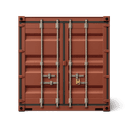
Cargo Coverage
May pay for damage to or theft of the freight you are hauling while it is in your care.
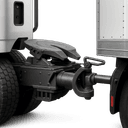
Trailer Interchange
Can help cover damage to trailers you haul under an interchange agreement but do not own.

Bobtail Coverage
May provide liability protection when you drive your tractor without a trailer attached, such as after dropping off a load.

Non-Trucking Liability
Can help cover accidents that happen when you use your truck for personal errands rather than dispatched work.
Commercial Truck Insurance Cost in Orlando
Average Cost in Florida
$460 - $1,475
per month
Businesses in Florida typically see commercial truck insurance premiums of $460 - $1,475 per month, which tends to run 27% above the national range of $400 - $1,125 per month.
- Radius of operation
- Commodities hauled and cargo value
- Number and value of power units
- Driver motor vehicle records and CDL experience
- DOT safety record, inspections, and FMCSA scores
- Liability limits and physical damage deductibles
Contact CPK Insurance for a personalized quote.
Prices shown are general estimates, not guaranteed rates or quotes. Your actual premium will depend on the insurer, coverage selected, business details, location, claims history, and other underwriting factors. Learn about our pricing methodology.
Cost depends on limits, deductibles, claims history, location, industry risk, and endorsements. That premium pattern fits a state where severe storm exposure and a large volume of roadway incidents compound carrier risk. Florida logged 401,000 crashes in 2023, which means carriers see frequent accident claims on the state's highways and push pricing up accordingly. With the average claim cost reaching $21,700, even a single at-fault incident can hit your renewal hard. That is why carriers price conservatively when a truck operates in dense traffic corridors or storm-prone regions. Coastal freight lanes, hurricane evacuation routes, and flood-prone parking areas can change how a carrier views the account.
Coverage limits and deductibles have a direct effect on price, as do endorsements for cargo, trailer interchange, bobtail coverage, and non-trucking liability. A local delivery van, a dump truck, and a long-haul tractor-trailer may not be priced the same way. Florida's large insurance market creates more shopping options, but they do not remove the need to compare terms carefully. A quote should be reviewed against the exact routes, freight type, and operating radius you use today, because those details can move pricing up or down.
Industries & Insurance Needs in Orlando
Orange County's business mix matters because it points to the kinds of customers local trucks often serve. Professional, scientific, and technical services account for 15.1% of county establishments, retail trade 11.5%, and health care and social assistance 9.7%, so a lot of commercial driving here supports stocked storefronts, office build-outs, equipment drops, records movement, and scheduled service calls rather than one single freight profile.
That should affect how you present your operation to an underwriter. If your trucks support retail replenishment, contractor supply runs, or deliveries to medical and office locations, describe stop frequency, cargo type, parking arrangements, and who loads the vehicle. A policy review should also separate true trucking exposure from incidental business auto use, because the wrong classification can leave you comparing quotes that look similar but are built on different assumptions.
What Makes Orlando Different
Density of commercial stops is the main thing that changes the insurance calculus here. In a market anchored by a broad county business base, many truck operations are not simply running point-to-point freight. They are making repeated stops for stores, offices, clinics, contractors, and service accounts, often with tighter appointment windows and more backing, loading, and curbside exposure than a cleaner over-the-road pattern.
That matters because underwriting for trucks is shaped by how the vehicle is used during the workday, not just by gross vehicle weight or annual mileage. A local delivery box truck, contractor flatbed, or service body unit can present a very different claims profile from a truck that spends most of its time on longer lanes. When you compare options, make the agent work from your real dispatch map, average stop count, garaging address, and driver roster. That is usually where better-fit limits and endorsements show up.
Our Recommendation for Orlando
Start with your operating pattern, then build the quote outward. List each vehicle by body type, radius, cargo or equipment carried, usual parking location, and whether drivers cross-use personal, rented, or employee-owned vehicles for errands or backup runs. That is the fastest way to spot whether you should review hired and non-owned auto, rental reimbursement, towing, trailer coverage, or broader physical damage terms.
If your customers ask for certificates before work starts, review contract insurance language before you renew. Many local accounts have their own vendor requirements, so you do not want to discover a missing endorsement after a job is booked. Orlando median household income is $69,268, which can also be a practical reminder to protect revenue-producing vehicles carefully, because replacing a truck out of pocket can strain cash flow for both the business and the household behind it. Bring loss runs, driver lists, and sample contracts when you request a free quote.
Get Commercial Truck Insurance in Orlando
Enter your ZIP code to compare commercial truck insurance rates from carriers in Orlando, FL.
Business insurance starting at $25/mo
FAQ
Frequently Asked Questions
Orlando trucking businesses should start with vehicle schedules, driver lists, garaging addresses, radius of operation, cargo details, and recent loss runs. Many accounts also need certificates and contract requirements reviewed before coverage is bound.
Orlando delivery and contractor trucks are often rated differently when the work involves repeated daily stops, backing, loading, and customer-site parking. If your routes involve stores, offices, or clinics, describe that pattern clearly so the quote matches actual use.
Orange County business mix matters because the leading sectors are professional, scientific, and technical services at 15.1%, retail trade at 11.5%, and health care and social assistance at 9.7%. That mix often points to scheduled deliveries and service-related driving exposures.
Orlando owner-operators should review hired and non-owned auto if employees ever use personal vehicles for business errands or if you rent substitute units. That issue comes up more often in operations that mix truck work with service calls and customer-site visits.
Orlando small fleets should choose deductibles with cash flow in mind. The city's median household income is $69,268, so for many owner-led businesses, a truck loss can affect both business operations and household finances if out-of-pocket costs are set too high.
In Florida, the policy can be built around motor carrier liability, physical damage, cargo coverage, and other endorsements depending on how the truck is used.
Florida commercial auto minimums apply, while federal freight-hauling requirements may also apply. Check your contracts before assuming the state minimum is enough.
Cost depends on limits, deductibles, claims history, location, industry risk, and endorsements. The quoted range in the state runs from $460 to $1,475 per truck per month, reflecting the spread between local delivery and long-haul operations.
Sources
- 1.U.S. Census Bureau, County Business Patterns, Orange County(Orange County has 44,612 business establishments, so many trucking risks here are tied to frequent pickups, vendor drop-offs, and repeat customer locations rather than long uninterrupted highway miles.; Professional, scientific, and technical services account for 15.1% of county establishments, retail trade 11.5%, and health care and social assistance 9.7%, so a lot of commercial driving here supports stocked storefronts, office build-outs, equipment drops, records movement, and scheduled service calls rather than one single freight profile.)
- 2.U.S. Census Bureau, ACS 5-Year Estimates, table B19013(Orlando median household income is $69,268, which can also be a practical reminder to protect revenue-producing vehicles carefully, because replacing a truck out of pocket can strain cash flow for both the business and the household behind it.)
Updated July 5, 2026





