







































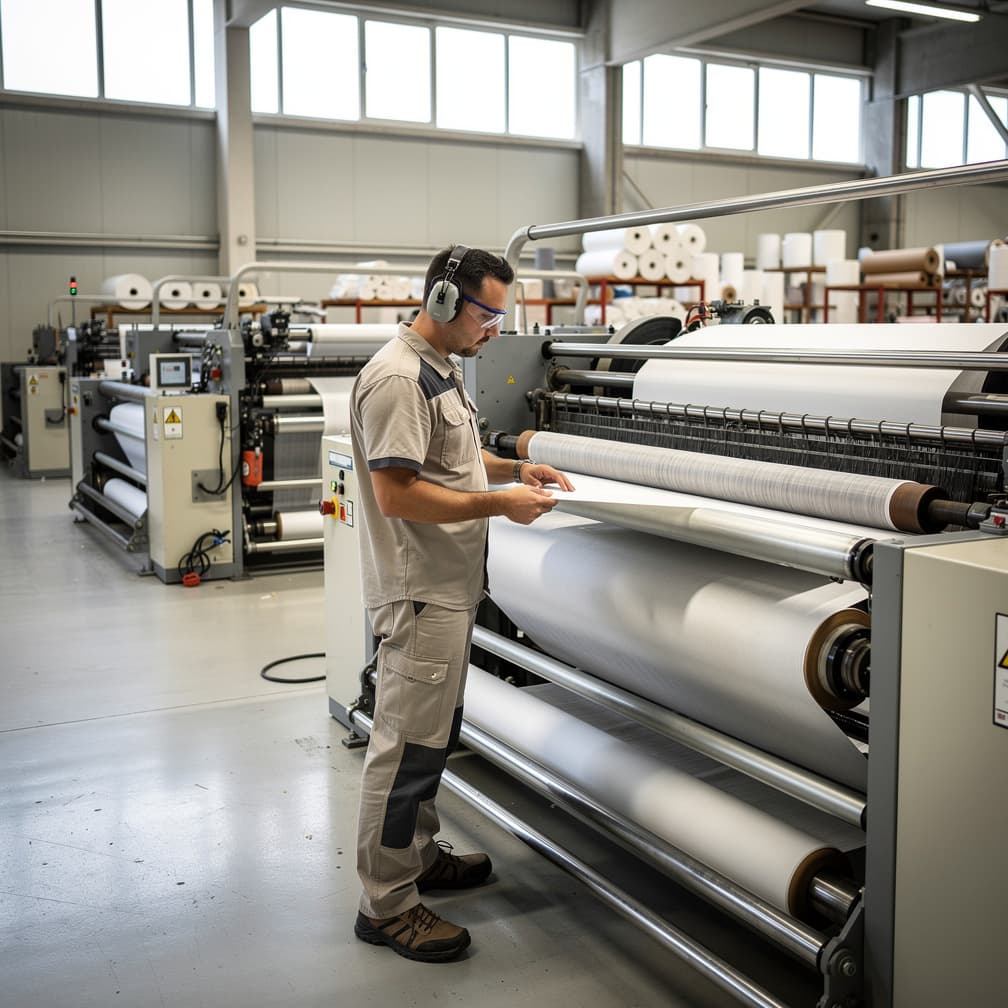

About 67,500 business establishments run across Broward County, and a textile plant sits upstream of more of them than its owner usually counts. Your fabric becomes someone's uniform, someone's furniture, someone's retail line, and each of those buyers can push a defect claim back down the chain. Textile manufacturer insurance in Pompano Beach has to survive that whole chain, well past the plant floor. Product claims arrive late, often after the lot has changed hands twice, and legal defense starts long before anyone proves fault. Limits and how defense is treated decide whether a dispute is an annoyance or an event that reshapes a renewal. Payroll, values, and loss history set the price, roughly in that order. Read the exclusions before you read the premium.
What Makes Pompano Beach Different
Roof leaks find fabric before anyone finds the leak, and water ruins stock overnight and quietly. Wet rolls are not damaged in a way you can argue about; they are simply gone. Stock stored flat on the floor is the first thing lost and the easiest to prevent. Pallets, racking, and a few inches of height turn a claim into a mere nuisance. Commercial Property may respond to sudden water from a storm-damaged roof, subject to your deductible. Water rising from outside the building is a different peril with a different set of rules. That distinction surprises plants every year, and it sits plainly in a policy nobody reads. Ask about it before a storm week reaches Pompano Beach, because coverage in Broward County cannot be added after.
Local Risk Factors in Pompano Beach
A day of high wind can peel back a roof panel and let rain into the very rooms where dye lots and finished rolls sit waiting for shipment. The damage is rarely just the roof; it is the soaked inventory and the electronics on the machines beneath it. Wind is generally a covered peril on a commercial property policy, but a separate hurricane or wind deductible usually applies and lands before the insurer's share begins. Flooding and storm surge remain outside that form and belong to a flood policy instead. Keep the equipment schedule current and stage a shutdown plan so a plant in Pompano Beach can secure stock quickly. Ask a carrier in Florida how the wind deductible is calculated, since a percentage deductible bites harder than owners expect.
What Coverage Does a Textile Manufacturer in Pompano Beach Need?
General Liability
Landlords, buyers, and event venues usually ask for it before they let you operate or ship. General Liability can help cover third-party bodily injury and property damage, such as a delivery driver hurt on your floor or a visitor's damaged goods. It typically excludes damage to your own stock and machinery, which belongs with property coverage instead.
Example: A vendor slips on a wet spot near the dye line and later files a claim for a hurt back. General Liability can respond to the medical bills and your legal defense, up to the policy limit.
Commercial Property
Your building, your looms and finishing equipment, and the raw and finished stock on the floor are the core of what this line addresses. Commercial Property might help cover fire, theft, and sudden water damage to those assets. Flood and slow wear are typically excluded, and a business income limit is what carries the weeks a loss keeps the line down.
Example: A finishing-room fire spreads to a rack of finished rolls one night at a plant in Pompano Beach, and smoke reaches stock the flames never touched. Commercial Property could respond to the damaged goods and the building, subject to your deductible.
Workers Compensation
A loom operator catches a hand in a moving part, or a dye-house worker strains a back lifting a roll: those on-the-job injuries are what this line is meant for. Workers' Compensation might help cover medical treatment and lost wages, and it is rated on payroll and job class. It generally does not respond to a customer or vendor injury, which falls to general liability.
Example: During a night run at a Pompano Beach mill, a sewing operator's hand is caught in a machine, and she needs surgery and weeks off. Workers' Compensation can help with the medical bills and a portion of her lost wages.
Tools & Equipment (Inland Marine)
What a standard building policy leaves behind the moment gear leaves the building is exactly what this line picks up. Inland Marine may help cover portable tools, testing gear, and mobile equipment while off site or in transit. It usually does not reach the fixed production line, which stays with your property policy, and it works best when each item is scheduled at replacement cost.
Example: A portable fabric inspection unit is knocked off a cart and cracked while being moved to a trade show. Inland Marine can respond to the repair or replacement, wherever the damage happened.
Commercial Umbrella
Where an underlying liability limit stops, this layer continues. Commercial Umbrella might help cover a judgment or settlement that runs past your General Liability limit, which matters when a buyer's contract demands a high figure. It sits on top of existing policies rather than replacing them, and it does nothing until the underlying limit is exhausted.
Example: A product-defect suit over a bad dye lot settles for more than the General Liability limit can absorb. A Commercial Umbrella may pick up the excess, so one large claim does not reach the plant's own accounts.
How Much Does Textile Manufacturer Insurance Cost in Pompano Beach?
Textile Manufacturer Insurance is a bundle of separate policies, priced separately. The ranges below are typical figures for Pompano Beach for each line, except workers compensation, which is rated per $100 of payroll; a quote prices each one against your own operations.
| Coverage | Typical range | What moves your price |
|---|---|---|
| General Liability Insurance | $150 - $550 per month | Industry and risk classification, annual revenue, number of employees |
| Commercial Property Insurance | $420 - $1,550 per month | Building value and construction type, roof age and condition, fire protection class |
| Workers Compensation Insurance | $0.75 - $2.74 per $100 of payroll | Employee classification codes, total annual payroll, experience modification rate |
| Inland Marine Insurance | $50 - $210 per month | Total insured value of the scheduled property, type and age of the equipment, where it is stored and how far it travels |
| Commercial Umbrella Insurance | $120 - $370 per month | Umbrella limit requested, limits carried on the underlying policies, loss history on those underlying policies |
Prices shown are general estimates, not guaranteed rates or quotes. Your actual premium will depend on the insurer, coverage selected, business details, location, claims history, and other underwriting factors. Learn about our pricing methodology.
What Are the Insurance Requirements for a Textile Manufacturer in Pompano Beach?
Workers' comp is generally required once you have 4 or more employees. Florida generally requires employers to carry workers' compensation at that point. Common exemptions include sole proprietors, partners, and corporate officers (up to 4). Confirm current thresholds with your state's workers' compensation agency before you hire.
Flood damage is typically excluded from standard policies. Standard commercial property and builders-risk-type policies typically exclude flood. Given Pompano Beach's coastal flood exposure, a separate flood policy is worth pricing; FEMA's National Flood Insurance Program is the usual starting point.
Where to verify licensing and coverage rules. The Florida Office of Insurance Regulation publishes consumer guidance and current insurance requirements for Florida businesses. When a contract or lease demands specific wording, the Florida Office of Insurance Regulation's guidance is the authoritative place to check.
Get Your Textile Manufacturer Quote in Pompano Beach
Compare rates from multiple carriers. Free quotes, no obligation.
Operating in Pompano Beach
- A lender financing a loom usually requires loss-payee wording before releasing funds, so a plant in Pompano Beach can satisfy the bank in full and still leave its own finished stock underinsured.
- Inventory swells ahead of a busy shipping stretch, and a plant in Pompano Beach can find a property limit set at last year's volume leaving the extra stock uninsured when most of it sits on the floor.
- A certificate proves coverage exists, but only the additional-insured endorsement gives a buyer the rights the contract promised, and discovering the gap during a claim is far too late to fix it.
- A fabric defect often surfaces after the goods are sewn and sold, so a third-party claim can arrive months later with legal defense costs that outrun the value of the disputed lot.
How to Buy: Advice for Pompano Beach Owners
Compare on the same submission or you are not really comparing at all. Two carriers can quote the same plant and differ mostly because they were handed different facts. Give each the identical payroll, stock values, equipment list, and loss history, then read the coverage forms side by side. A General Liability quote that looks cheap often just carries a lower limit. Workers' Compensation rates vary between carriers in Florida for the identical class code, so the spread there is worth chasing. Look past the monthly figure to the deductible and the exclusions, where the real differences hide. Hand a plant in Pompano Beach one clean packet, and let participating carriers bid on exactly that.
FAQ
Textile Manufacturer Insurance in Pompano Beach: FAQ
Yes, and it is routine. A landlord behind a Pompano Beach lease can ask to be added as an additional insured and can demand a certificate before handing over keys. Naming them on a certificate is not the same as the endorsement that actually grants those rights, so build the endorsement into the policy from the start. Missing it can stall a lease signing for weeks.
Usually not. Flood and rising surface water typically sit outside a commercial property form and are written as separate coverage. A storm-driven roof leak that lets water in from above is treated differently from water rising off the ground outside. If your building or inventory sits anywhere floodwater can reach, ask about a separate flood policy rather than assuming the property form reaches it.
As high as the strictest contract you have signed, which is increasingly one million per occurrence. A Commercial Umbrella is the usual way to reach a high figure without rebuilding every underlying line. Per-occurrence and aggregate limits are different promises, and a busy year can exhaust the aggregate quietly. Check the Florida Office of Insurance Regulation's guidance before deciding, then match the limit to the contract that demands the most.
Per-occurrence is the ceiling on any single claim; aggregate is the ceiling across the entire policy term. A run of claims in one bad year can use up the aggregate even while each per-occurrence limit still looks healthy. The buyer checking your certificate sees the stated numbers, never how much is already spent. Track what you have promised and how much of the aggregate remains.
The shipment can stop even though nothing is wrong with the goods. Buyers with automated compliance systems flag an expired certificate instantly, and the order freezes until fresh proof arrives. A plant in Pompano Beach can lose a delivery window to a paperwork gap that has nothing to do with a claim. Set renewal dates against your largest contracts so the document never trails the obligation behind it.
That is what Inland Marine is built for. A property policy tends to stay tied to the described location, while Inland Marine can follow tools and mobile equipment off site or in transit. Fixed production machinery is a separate question and may need equipment breakdown wording. Schedule portable items at current replacement cost, because a stale value means a short settlement if one is lost or damaged.
Sources
- 1.U.S. Census Bureau, County Business Patterns (2022), Broward County(Broward County has about 67,500 business establishments.)
- 2.Florida Office of Insurance Regulation(Florida Office of Insurance Regulation publishes consumer guidance for insurance buyers.)
- 3.FEMA / FloodSmart(Flood coverage is typically purchased separately; FEMA administers the National Flood Insurance Program.)


