







































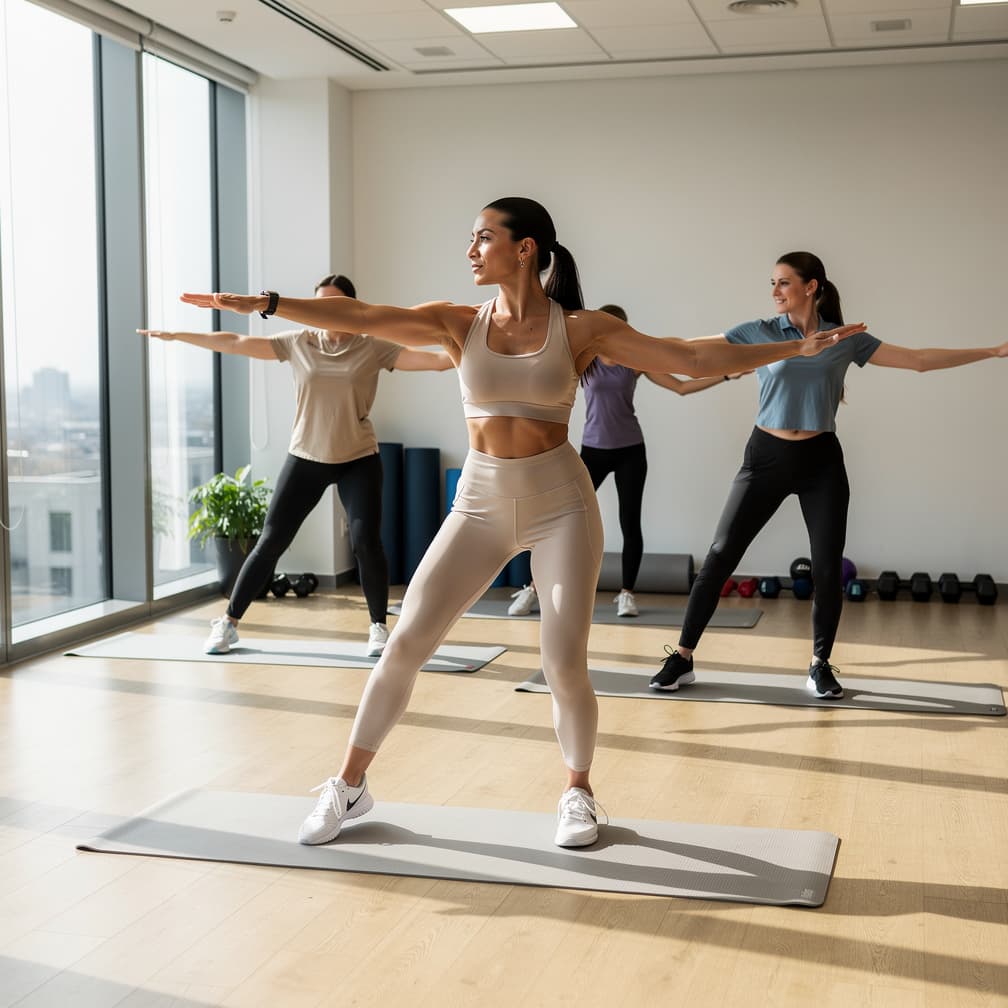

As an aerobics instructor in Port St. Lucie, the two things that end a teaching year are an injury allegation you cannot fund and a venue that drops you over missing paperwork. Both are insurance problems, and both cost less to solve before they arrive. Aerobics instructor insurance in Port St. Lucie sits under both: the third-party claim off the floor and the certificate that keeps you on the schedule. The trade's smaller exposures fill in around them, a crushed phone in a packed row, a slip in a shared lobby the venue blames on your setup, a bag of props that never comes back from a rented room. None of it calls for an unusual policy, but all of it calls for limits chosen on purpose. The rest of the page turns those exposures into questions you can ask.
What Makes Port St. Lucie Different
Renewal dates are where thin-market instructors lose slots, and it is almost never about money. A certificate has an expiry, the venue files it, and nobody rechecks it until the day it matters. When you teach at only two or three rooms, one file failure removes a large slice of your income. The fix is unglamorous: renew early, send the new certificate unprompted, and confirm somebody actually received it. Ask who keeps the file, because the person who booked you often is not the person checking it. If a coordinator in Port St. Lucie changes jobs, your paperwork can vanish with them and nobody will say so. Contracts also change quietly at renewal, and a new clause can demand limits your old policy never carried. Read the Florida agreement each year like it is new, because in the ways that count it is.
Local Risk Factors in Port St. Lucie
A studio without power is a studio without music, ventilation, or safe lighting, and none of those return on your timeline. After a storm passes, the room you teach in may be intact while the building stays closed for inspection, which is a distinction an instructor in Port St. Lucie feels immediately. Business interruption wording generally requires physical damage to insured property, so a precautionary closure often falls outside it entirely. Your gear raises the other question, because a bag left at a venue during an evacuation is out of your hands. Take the speakers home when a warning goes up in St. Lucie County, keep the inventory photographed, and ask each quote where property away from your address actually stands.
What Coverage Does an Aerobics Instructor in Port St. Lucie Need?
General Liability
A participant goes down during class and says the injury was your doing. That third-party bodily injury claim, and the defense that arrives with it, is what this line generally exists for, and it is the line a studio asks to see on your certificate. It can also reach damage you cause to somebody else's property. Injuries to you sit elsewhere.
Example: A student's shoe catches a riser during a fast transition and a wrist takes the landing; general liability may respond to the injury claim and the defense that follows it.
Professional Liability
Allegations about your judgment are the point here. A client says the cueing, the modification, or the progression you programmed caused a strain, and no wet floor is anywhere in the story. General Liability answers the slip; this line is meant for the argument about your instruction itself. It typically does not respond to damage to your gear.
Example: Weeks after a class, a member says the knee modification you suggested made things worse and sends a demand letter; professional liability could pick up the defense from there.
Business Owners Policy
Two contracts or one: that is the practical choice this package offers an instructor who owns real gear, since it puts liability and property on a single renewal date. It commonly suits someone teaching steadily with speakers, mats, and props worth insuring. It is not automatically cheaper, and the property wording still decides where your equipment counts as insured.
Example: An instructor in Port St. Lucie loses a sound system to a break-in and faces a slip claim the same season; one bundled policy might handle both without running two separate files.
Commercial Property
Wear and tear is not a claim, and neither is a speaker that simply reached the end of its life. This line is aimed at sudden damage or theft hitting the equipment you own. Coverage usually attaches to a described location, so gear riding between rooms or parked at a venue overnight depends on how the policy is written. Flood sits outside standard wording.
Example: A cart of mats, risers, and a microphone rig vanishes from a rented hall in Port St. Lucie between the morning and evening sessions; the replacement cost may fall inside the policy, subject to your deductible.
How Much Does Aerobics Instructor Insurance Cost in Port St. Lucie?
Aerobics Instructor Insurance is a bundle of separate policies, priced separately. The ranges below are typical figures for Port St. Lucie for each line; a quote prices each one against your own operations.
| Coverage | Typical range | What moves your price |
|---|---|---|
| General Liability Insurance | $60 - $180 per month | Industry and risk classification, annual revenue, number of employees |
| Professional Liability Insurance | $35 - $130 per month | The services you actually perform, annual revenue or billed fees, limit and retention selected |
| Business Owners Policy Insurance | $85 - $260 per month | Annual revenue and industry class, building and contents values, square footage and building age |
| Commercial Property Insurance | $55 - $200 per month | Building value and construction type, roof age and condition, fire protection class |
Prices shown are general estimates, not guaranteed rates or quotes. Your actual premium will depend on the insurer, coverage selected, business details, location, claims history, and other underwriting factors. Learn about our pricing methodology.
What Are the Insurance Requirements for an Aerobics Instructor in Port St. Lucie?
Workers' comp is generally required once you have 4 or more employees. Florida generally requires employers to carry workers' compensation at that point. Common exemptions include sole proprietors, partners, and corporate officers (up to 4). Confirm current thresholds with your state's workers' compensation agency before you hire.
Flood damage is typically excluded from standard policies. Standard commercial property and builders-risk-type policies typically exclude flood. Given Port St. Lucie's coastal flood exposure, a separate flood policy is worth pricing; FEMA's National Flood Insurance Program is the usual starting point.
Where to verify licensing and coverage rules. The Florida Office of Insurance Regulation publishes consumer guidance and current insurance requirements for Florida businesses. When a contract or lease demands specific wording, the Florida Office of Insurance Regulation's guidance is the authoritative place to check.
Get Your Aerobics Instructor Quote in Port St. Lucie
Compare rates from multiple carriers. Free quotes, no obligation.
Operating in Port St. Lucie
- A gym in Port St. Lucie rebooks its group schedule on a fixed cycle, and the compliance file gets audited on that same cycle rather than when it happens to suit you.
- A crowded class puts phones, watches, and water bottles inside the movement space, which is how a property damage argument starts with somebody you actually like.
- Corporate wellness bookings arrive with procurement paperwork attached, and the limit a company office demands usually runs higher than what a studio asks for.
- An instructor teaching across St. Lucie County may hold contracts with three different limit requirements, and only the strictest of them matters when you buy.
How to Buy: Advice for Port St. Lucie Owners
A waiver is no substitute for coverage, and it is worth knowing why before you buy. Waivers can discourage a claim; they rarely stop an allegation that your modification or your cueing caused a strain. That allegation is what Professional Liability is meant for, and it behaves nothing like a slip on a damp floor. General Liability handles the slip. Instructors sometimes buy one and assume the other came along, which is a discovery best made now instead of after a demand letter arrives. Ask each quote in plain words which line answers which scenario, and get it in writing. Keep your waivers, your class notes, and your incident log regardless, because they are evidence in Port St. Lucie. Comparing offers from participating carriers in Florida is easier once you know which of the two you are short on.
FAQ
Aerobics Instructor Insurance in Port St. Lucie: FAQ
Most venues decide that for you. A studio or gym typically asks for proof of coverage before it puts you on the schedule, because its own lease pushes the requirement down to whoever teaches in the room. The demand is contractual rather than personal, and nobody at the front desk has the power to waive it. What a business must carry varies by state, and the Florida Office of Insurance Regulation publishes the current requirements for small business policies.
Cost follows exposure, not certification. Underwriters price the number of participants in an average class, the hours you teach each week, the formats you run, the number of rooms you work, and your claims history. A high-impact interval class prices differently from a gentle one in the same room. Contract limits push the number too, since a venue demanding more than you would pick is a cost driver you did not choose. Two instructors in Port St. Lucie holding the same certificate can land far apart.
No. A waiver can discourage a claim and can help at the margins once one is filed, but it does not stop a participant from alleging that a fall or a strain was your fault. Defense costs start the moment the allegation does, whatever the paperwork says. Waivers and policies do different jobs: one sets expectations, the other funds the argument. Keep the waivers, and keep them alongside coverage rather than instead of it.
That is the classic General Liability scenario. A third-party bodily injury claim from someone in your class, plus the defense that rides with it, is what the line is generally built around. Limits matter more than instructors expect, because a fall involving a wrist, a knee, or a head rarely stays small. The building owner's policy answers for the building owner and is not standing behind you. Check what a booking contract in Port St. Lucie requires before you settle on a limit.
That allegation belongs to Professional Liability rather than to the slip-and-fall side. When someone says your instruction, your modification, or your programming caused a strain, the argument is about professional judgment and not about the floor. The two lines answer different questions, and an instructor carrying only one tends to discover it after a demand letter arrives. Ask each quote in plain words which of them responds to a complaint about cueing.
Yes, and plenty do. The request is called additional insured status, and it usually needs an endorsement rather than a line typed onto a certificate. The venue wants a claim out of your class to reach your limits before it reaches its own. Insurers treat the request as a real change, so some add it routinely, some price it, and a few decline particular wordings. A venue in Port St. Lucie that sends a clause is asking an underwriting question, so forward the exact wording instead of paraphrasing it.
Sources
- 1.Florida Office of Insurance Regulation(Florida Office of Insurance Regulation publishes consumer guidance for insurance buyers.)
- 2.FEMA / FloodSmart(Flood coverage is typically purchased separately; FEMA administers the National Flood Insurance Program.)


