Updated July 5, 2026

Commercial Auto Insurance in St. Petersburg
St. Petersburg operating costs show up first in your auto limits and deductibles, not just in your rent line. With median household income at $73,118, service calls, deliveries, and client-facing driving often happen in neighborhoods where repair expectations, replacement choices, and liability demands can run higher, so commercial auto insurance in St. Petersburg should be quoted with realistic property damage liability and a deductible your cash flow can absorb after a loss. If one van backs into a customer vehicle or a tech damages a gate entering a condo property, the out-of-pocket decision matters as much as the premium. That is the local difference: you are often driving into denser residential and mixed-use areas where a small claim can become an expensive interruption. Before you bind, match each vehicle to how it is actually used, who drives it, where it parks overnight, and whether you can keep working if a truck is down for several days. Then compare higher liability limits against the savings from a larger deductible, instead of defaulting to a generic fleet setup.
Commercial Auto Insurance Risk Factors in St. Petersburg
Local geography changes how you should review downtime and physical damage choices. Here, business vehicles often move between waterfront neighborhoods, older commercial corridors, and busy retail areas, so even a modest collision can turn into a scheduling problem if the unit carries tools, inventory, or specialized racks. Florida weather risk is already handled on the state page, but the city-level buying point is operational: ask how quickly you could replace a work van, where vehicles are stored after hours, and whether one disabled unit would force you to cancel jobs. If the answer is yes, review **rental reimbursement, towing, and comprehensive and collision deductibles** with that downtime in mind. A lower deductible can make more sense for a vehicle that generates revenue every day, while a higher deductible may fit a spare unit that is easier to sideline temporarily.
Florida has a very high climate risk rating. Top hazards: Hurricane (Very High), Flooding (Very High), Severe Storm (High), Sinkhole (Moderate). The state's expected annual loss from natural hazards is $8.2B, which influences commercial auto insurance premiums and may affect coverage availability in high-risk areas.
What Commercial Auto Insurance Covers
In Florida, commercial auto insurance is built around the vehicle's business use, not just who owns it, so a company car, van, pickup, or specialty vehicle may be covered under one policy if used for work. Core coverages available here include liability, collision, comprehensive, medical payments, and uninsured motorist protection. Hired auto and non-owned auto options are available when your business rents vehicles or relies on employee-owned cars for errands, client visits, or deliveries. Florida's required commercial vehicle minimums apply, and all commercial vehicles must be registered with the Florida DMV, so policy setup and vehicle records need to match how the vehicle is actually used. Because uninsured drivers are a meaningful part of the market here, uninsured motorist coverage is often a practical consideration for business fleets that travel in dense traffic. Comprehensive is especially relevant in a state exposed to hurricanes, flooding, and severe storms, while collision addresses vehicle damage from crashes on busy corridors like I-4 and US-27.
Coverage Included

Bodily Injury Liability
Covers injuries you cause to others in an accident

Property Damage Liability
Covers damage you cause to others' property
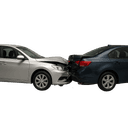
Collision Coverage
Pays for damage to your vehicle in an accident

Comprehensive Coverage
Covers theft, vandalism, weather, and animal damage

Medical Payments
Covers medical costs for your drivers and passengers

Uninsured Motorist
Protection when the other driver lacks insurance
Hired & Non-Owned Auto
Covers rented or employee-owned vehicles used for work
Commercial Auto Insurance Cost in St. Petersburg
Average Cost in Florida
$160 - $550
per month
Businesses in Florida typically see commercial auto insurance premiums of $160 - $550 per month, which tends to run 29% above the national range of $140 - $410 per month.
- Fleet size and vehicle types
- Driver records and experience
- Coverage limits and deductibles
- Business industry and use
- Annual mileage and operating radius
- Claims history
Rates based on small business averages. Your actual premium may vary.
Prices shown are general estimates, not guaranteed rates or quotes. Your actual premium will depend on the insurer, coverage selected, business details, location, claims history, and other underwriting factors. Learn about our pricing methodology.
Florida's 2023 crash volume and average claim severity help explain why liability and collision pricing can move quickly when a business has frequent highway driving or urban stop-and-go routes. Weather exposure also matters, as hurricanes, flooding, and severe storms can push comprehensive pricing higher for vehicles parked outdoors in coastal counties or low-lying areas. Multiple carriers compete for Florida commercial auto business, but the market still reflects the state's elevated risk profile, so quotes can differ widely depending on carrier, vehicle class, and whether you add hired auto, non-owned auto, or commercial auto liability coverage. Businesses in construction, delivery, and other high-mileage operations often see different pricing than office-based companies with limited local travel.
Industries & Insurance Needs in St. Petersburg
Pinellas County has 31,897 business establishments, and the leading sectors are professional, scientific, and technical services at 15.9%, health care and social assistance at 12.4%, and retail trade at 11.8%, so a local commercial auto quote often needs to fit light fleets and mixed-use vehicles rather than heavy trucking assumptions. That matters because these businesses commonly send employees to appointments, job sites, homes, and storefronts throughout the day. A consultant's SUV, a home health vehicle, and a retail delivery van do not present the same driver schedule, cargo, parking pattern, or hired and non-owned exposure. If your operation sits anywhere near those county patterns, ask for vehicle-by-vehicle rating, driver list review, and a clear discussion of whether employees ever use personal cars for errands or client visits. That is usually where a standard quote misses how the business actually moves.
What Makes St. Petersburg Different
The main difference here is density of short-trip, client-facing driving. In a market built around service firms, health care visits, and retail activity, many businesses are not logging long highway runs all day. They are making repeated local stops, backing into tight spaces, entering residential properties, and handing vehicles to several employees across the week. That changes the calculus because frequency can matter as much as mileage. A van that travels fewer total miles can still create steady claim potential if it parks, reverses, loads, and unloads constantly. It also means symbol selection, driver screening, and physical damage deductibles deserve more attention than a generic annual mileage estimate. If your vehicles spend most of their time on short routes, ask your agent to review garaging, radius, driver assignments, and whether any unit should carry different deductibles or higher liability limits than the rest of the schedule.
Our Recommendation for St. Petersburg
Start with a vehicle schedule that separates true work units from owner cars used occasionally for business. Then review who actually drives each one, including part-time staff, office employees making bank deposits, or technicians who take vans home. If your team uses personal vehicles for errands or client visits, ask whether hired and non-owned auto liability should be reviewed alongside the owned autos on the policy. For service and delivery operations, check that permanently attached equipment, shelving, wraps, and aftermarket additions are disclosed so the carrier is rating the vehicle you really operate. If one unit is essential to daily revenue, compare deductibles based on downtime tolerance, not just premium. Florida Office of Insurance Regulation oversight exists at the state level, but your buying decision here is practical: line up titles, driver information, garaging addresses, and loss history before requesting quotes so the proposal reflects actual use instead of broad assumptions.
Get Commercial Auto Insurance in St. Petersburg
Enter your ZIP code to compare commercial auto insurance rates from carriers in St. Petersburg, FL.
Business insurance starting at $25/mo
FAQ
Frequently Asked Questions
St. Petersburg businesses often do, especially if that car visits clients, carries tools, or is titled to the business. One vehicle can still create a liability claim that exceeds what a personal policy is designed to handle for work use.
St. Petersburg buyers should usually decide based on downtime tolerance first. If a van earns revenue every day, a lower deductible may keep work moving after a loss, while higher liability limits can matter when you drive into customer properties and busy residential areas.
Pinellas County has 31,897 business establishments, so many local vehicles operate around other businesses, customers, and delivery activity throughout the day. That makes driver lists, parking patterns, and stop frequency worth reviewing carefully on a quote.
St. Petersburg buyers should describe each vehicle's real job, not just its make and model. In Pinellas County, leading sectors include professional services at 15.9%, health care at 12.4%, and retail at 11.8%, and each uses vehicles differently.
St. Petersburg companies should ask whether hired and non-owned auto liability needs review. That issue comes up when employees run deposits, visit clients, or make small deliveries in personal vehicles that are not listed as owned business autos.
In Florida, it can cover liability, collision, comprehensive, medical payments, and uninsured motorist protection for business-use vehicles, and it can also extend to hired and non-owned autos when those endorsements are added.
Pricing is driven by fleet size, vehicle type, mileage, driver records, and claims history, so quotes can vary widely even between similar operations. A delivery van logging daily highway miles in South Florida will price differently than a single company car used for occasional client visits in Tallahassee. The best way to find your number is to compare quotes with your actual details in hand.
Businesses that use cars, vans, pickups, or trucks for work in Florida usually need it, including companies that visit client sites, make deliveries, transport tools or materials, rent vehicles for jobs, or let employees drive personal cars for business errands.
Sources
- 1.U.S. Census Bureau, ACS 5-Year Estimates, table B19013(With median household income at $73,118, service calls, deliveries, and client-facing driving often happen in neighborhoods where repair expectations, replacement choices, and liability demands can run higher.)
- 2.U.S. Census Bureau, County Business Patterns, Pinellas County(Pinellas County has 31,897 business establishments, and the leading sectors are professional, scientific, and technical services at 15.9%, health care and social assistance at 12.4%, and retail trade at 11.8%.)
- 3.Florida Office of Insurance Regulation(Florida Office of Insurance Regulation oversight exists at the state level.)
Updated July 5, 2026