







































Updated July 5, 2026

Inland Marine Insurance in St. Petersburg
You often do not keep equipment in one place here. A contractor may pull tools from a small warehouse near the Gateway area, stage materials at a client property, then leave part of the job in temporary storage before the next install. A photographer, medical service vendor, or IT firm may carry laptops, diagnostic devices, or rented gear between downtown offices, retail corridors, and customer sites across the peninsula. That operating pattern is why inland marine insurance in St. Petersburg deserves a closer review than a policy built around a single address. The question is not just what property you own. It is where it travels, who has custody, how long it sits off premises, and whether you ever move customer property, leased equipment, or high-value items that are harder to schedule around after a loss. If your workday regularly crosses from office to vehicle to job site to temporary storage, ask for a quote that lists the property classes, transit habits, and valuation method you actually use.
Inland Marine Insurance Risk Factors in St. Petersburg
Local geography changes how mobile property is exposed during an ordinary workweek. Here, equipment often moves through dense downtown blocks, older commercial corridors, waterfront areas, and bridge-connected routes where a short service call can turn into a full day with property left in a van, trailer, or temporary job box between stops. That matters because inland marine claims are often about where property is at the moment of loss, not just what is listed on a schedule. If you move tools, instruments, or customer items between appointments, review whether your policy is written for **scheduled equipment, installation exposures, contractor's equipment**, or another form that matches how the property travels. It is also worth checking sublimits for items kept in vehicles, documentation requirements for rented equipment, and whether temporary storage is treated the same way you assume it is. A tighter review now is easier than arguing over classification after a loss.
Florida has a very high climate risk rating. Top hazards: Hurricane (Very High), Flooding (Very High), Severe Storm (High), Sinkhole (Moderate). The state's expected annual loss from natural hazards is $8.2B, which influences inland marine insurance premiums and may affect coverage availability in high-risk areas.
What Inland Marine Insurance Covers
In Florida, inland marine insurance is designed for business property that leaves a fixed location, including tools, equipment, materials, and goods in transit over land. It can also apply to property at job sites, customer locations, or temporary storage, which is important in a state where hurricanes, flooding, and severe storms can disrupt deliveries and project timelines. The core coverages in this product include tools and equipment, goods in transit, contractors equipment, installation floater, and builders risk. Those coverages are useful for businesses that move materials between coastal and inland job sites or store items offsite while waiting for access after storm damage.
Florida does not set a statewide minimum inland marine limit or a mandated form, so the policy is shaped by carrier underwriting and the specific property being insured. The Florida Office of Insurance Regulation oversees the market, and coverage requirements may vary by industry and business size. That means the policy wording, scheduled items, deductibles, and any endorsements can differ from one carrier to another. Businesses should pay close attention to whether the policy may cover theft, damage, vandalism, and other covered perils while property is away from the primary premises.
Because Florida has elevated property crime and a high overall climate risk rating, a standard commercial property policy often leaves a gap for mobile business property. Inland marine insurance fills that gap by following the property instead of the building. For businesses handling valuable papers, tools, or installation materials, the exact covered items and storage conditions should be reviewed carefully before binding.
Coverage Included
Tools & Equipment
Can help repair or replace hand tools, power tools, and gear that are stolen or damaged on the job or in transit.

Goods in Transit
May cover products, materials, and merchandise while they are being shipped or hauled between locations in your care.
Contractors Equipment
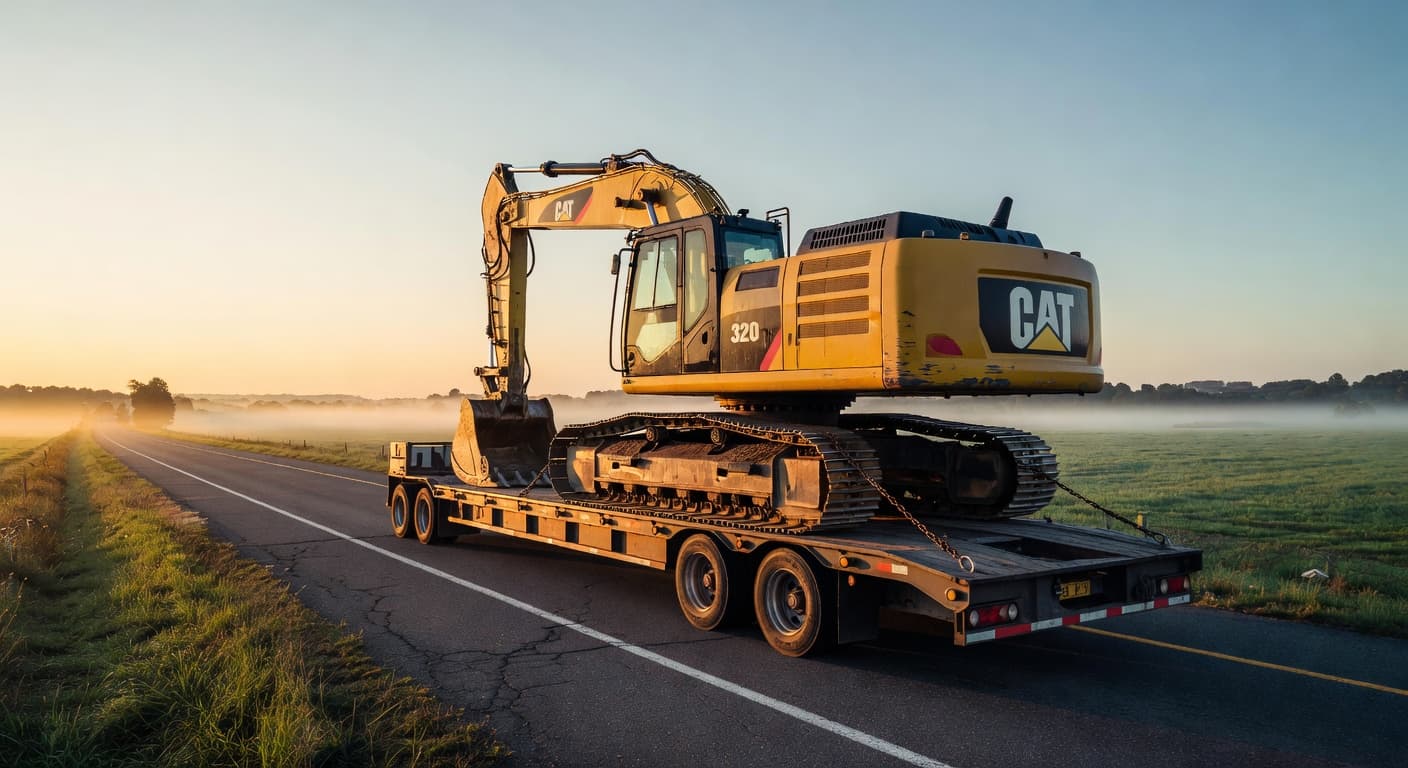
Typically covers heavy machinery like excavators, loaders, and generators against theft or damage at job sites and between them.

Installation Floater
Can help cover materials and fixtures from the moment you buy them until they are installed and accepted at a project.

Builders Risk
May cover a structure under construction, along with materials on site, against damage from fire, wind, theft, and vandalism.
Inland Marine Insurance Cost in St. Petersburg
Average Cost in Florida
$25 - $130
per month
Businesses in Florida typically see inland marine insurance premiums of $25 - $130 per month, which tends to run 29% above the national range of $20 - $100 per month.
- Total insured value of the scheduled property
- Type and age of the equipment
- Where it is stored and how far it travels
- Jobsite security and theft prevention
- Per-item limits and deductibles
- Prior theft and in-transit losses
Contact CPK Insurance for a personalized quote.
Prices shown are general estimates, not guaranteed rates or quotes. Your actual premium will depend on the insurer, coverage selected, business details, location, claims history, and other underwriting factors. Learn about our pricing methodology.
In Florida, inland marine insurance cost is influenced by the state's above-average premium environment, hurricane exposure, and the type of property moved. Pricing can vary by carrier, class of business, and how much equipment is scheduled. Florida's insurance premium index is 138, which signals a market that generally prices above the national baseline of 100. That means a Florida business often pays more for the same coverage than a comparable operation in a lower-risk state, so shopping carefully matters.
Several Florida factors can push premiums up or down. A business operating near coastal counties, in hurricane-prone areas, or in locations with higher theft exposure may see higher pricing than a business with lower-risk routes and secure storage. Coverage limits and deductibles are major rating factors, and claims history, location, industry or risk profile, and policy endorsements also affect the quote. That matters in a state with severe hurricane and flooding risks, 312 disaster declarations on record, and recent major events such as Hurricane Ian, Idalia, Milton, and Michael. That history means carriers price mobile property with storm disruption in mind.
Florida has a large and active insurance market, so a contractor in Orlando with secured tools and modest limits may receive a different result than a builder in coastal Florida with higher-value materials, installation exposures, or temporary storage needs. The most accurate quote can help reflect the property schedule, travel patterns, storage practices, and the endorsements selected.
Industries & Insurance Needs in St. Petersburg
County business mix helps explain who usually needs this coverage around St. Petersburg. Pinellas County has 31,897 business establishments, so a lot of local work is done by smaller firms that move property between offices, client sites, and temporary work locations rather than keeping everything at one permanent premises. The county's leading sectors by establishment share are professional, scientific, and technical services at 15.9%, health care and social assistance at 12.4%, and retail trade at 11.8%, so inland marine often comes up for firms carrying specialized electronics, diagnostic equipment, display property, inventory, or customer items off site. That does not mean every business in those sectors needs the same form. It means your quote should start with the property flow in your operation: what leaves the premises, how often, who transports it, and whether it is owned, leased, or held for others. That is usually where the real coverage differences show up.
What Makes St. Petersburg Different
Mobility across short, frequent stops is the main thing that changes the buying calculus here. In some markets, inland marine is mostly about long hauls or large construction fleets. Around St. Petersburg, many businesses make repeated local trips with smaller batches of higher-use property: tools for service calls, laptops and testing gear for client visits, retail displays for events, or equipment that moves between office, vehicle, and temporary storage in the same day. That pattern can create gaps if your insurance assumes property stays at one premises or only contemplates occasional transit. The practical review is less about distance and more about custody and handoff. You should look closely at what happens when property is left in a vehicle, borrowed by an employee crew, delivered ahead of installation, or stored off site for a few days. If your operation depends on keeping mobile property working, the policy form and item classification matter more than a generic limit.
Our Recommendation for St. Petersburg
Start with a property map, not a limit request. List what actually leaves your main location, including owned tools, leased equipment, customer property, installation materials, and any high-value electronics that travel with staff. Then separate those items by how they move: daily vehicle transport, occasional delivery, temporary storage, or job-site use. That usually tells you whether a blanket approach is realistic or whether certain items should be scheduled more precisely. If you use subcontractors, borrowed equipment, or rented gear, ask how those situations are treated before you bind coverage. If you invoice for setup, repair, field service, pop-up retail, or project-based work, make sure the quote reflects that operating model instead of a static office exposure. A good next step is to request a free, no-obligation quote with your equipment list, largest single item values, and a short description of where property sits overnight and during active jobs.
Get Inland Marine Insurance in St. Petersburg
Enter your ZIP code to compare inland marine insurance rates from carriers in St. Petersburg, FL.
Business insurance starting at $25/mo
FAQ
Frequently Asked Questions
St. Petersburg businesses that stage property between a warehouse, vehicle, and job site should review how the policy treats transit, temporary storage, and items left off premises overnight. Those details often matter more than the street address on the declarations page.
Pinellas County has 31,897 business establishments, and many operate through client visits and field service, not one fixed location. If your tools, electronics, or customer property regularly leave your premises, inland marine is worth reviewing with your equipment schedule in hand.
St. Petersburg area firms in professional, scientific, and technical services often carry laptops, testing devices, and specialized equipment off site. In Pinellas County, that sector represents 15.9% of establishments, so mobile property exposures are common enough to justify a form-specific review.
St. Petersburg buyers should not assume inland marine is only for contractors. In Pinellas County, health care and social assistance account for 12.4% of establishments and retail trade 11.8%, both of which can involve mobile equipment, displays, or property at temporary locations.
St. Petersburg businesses with expensive portable property should confirm how values are reported and settled before binding. If replacing stolen or damaged equipment out of pocket would disrupt cash flow, ask whether scheduled values or a different valuation method fits better.
It may cover tools, equipment, materials, and goods while they are in transit, at job sites, at customer locations, or in temporary storage. In Florida, that matters because property can be exposed to theft, damage, or storm-related disruption away from the fixed business location.
The policy is built to follow covered property as it moves between Florida job sites, warehouses, or temporary storage areas. That is useful when a commercial property policy only protects the main premises and your equipment spends time in the field.
Contractors, electricians, plumbers, landscapers, installers, photographers, caterers, IT service providers, and any business that regularly moves valuable mobile property should review it. Florida's large construction sector and storm exposure make the coverage useful for businesses with portable equipment.
Sources
- 1.U.S. Census Bureau, County Business Patterns, Pinellas County(Pinellas County has 31,897 business establishments.; The county's leading sectors by establishment share are professional, scientific, and technical services at 15.9%, health care and social assistance at 12.4%, and retail trade at 11.8%.)
Updated July 5, 2026





