







































Updated July 16, 2026

Builders Risk Insurance in Tampa
Builders risk insurance in Tampa often starts with a paperwork request, not a job-site decision. Property managers, construction lenders, and prime contractors commonly ask for proof of coverage before draws are released, materials are delivered, or a site badge is issued, and that request usually arrives before the first shovel goes in. Locally, satisfying it usually means showing a policy that matches the named insured structure, project address, contract value, and build timeline. With a median home value of $375,300, a typical residential build represents enough equity that owners and lenders tend to scrutinize limits closely, which means an underinsured project can put a six-figure gap between you and a finished home. A light placeholder policy can create real problems if a loss hits before completion.
Builders Risk Insurance Risk Factors in Tampa
The local risk issue is **coastal weather timing**. On a build here, the exposure is not just the finished structure, but the period when roofing, openings, mechanical equipment, and staged materials are still vulnerable to wind and water intrusion. That makes the schedule itself part of the underwriting conversation. If your project includes a phased roof replacement, open-wall renovation, or a period where materials sit on site before installation, ask how the policy treats temporary storage, soft costs, and any waiting period or sublimit that could matter after a weather-driven loss. The practical move is to map coverage to the construction sequence, not just the total contract amount. If the job will pass through storm season, review whether the insured value should step up as materials and labor are put in place, and make sure the policy start and end dates match the real build calendar rather than the optimistic one.
Florida has a very high climate risk rating. Top hazards: Hurricane (Very High), Flooding (Very High), Severe Storm (High), Sinkhole (Moderate). The state's expected annual loss from natural hazards is $8.2B, which influences builders risk insurance premiums and may affect coverage availability in high-risk areas.
What Builders Risk Insurance Covers
In Florida, the useful review starts with the parts of the job that are most exposed before completion. The highest vulnerability is during framing, dry-in, window installation, roofing, interior rough-in, and while high-value materials are staged for the next trade. That is where you want the quote to match the sequence of construction, not just the address and completed value.
For coastal and inland Florida work alike, ask how the policy treats property in transit, items stored on site, and materials that arrive early because of lead times. If cabinets, mechanical equipment, windows, or finish materials sit in a container, garage, or partially enclosed structure, you want those details reviewed before a loss, not argued after one. The same goes for temporary structures, fencing, and soft cost options if your contract or financing arrangement makes delay expensive.
Renovation work deserves extra attention because the line between existing property and new work can get blurry fast. If you are improving an occupied building, ask where the builders risk policy may end and where the property policy for the existing structure begins. That matters when water enters through an opening created by the work, when materials are stolen before installation, or when a partial loss affects both old and new components.
Florida also has a named regulator, the Florida Office of Insurance Regulation. What that means for you is practical: insurers must file their policy language and endorsements with the state. So if you are comparing forms, keep your review tied to that filed language rather than assumptions from another state. The practical next step is to mark up the site plan and schedule so the coverage review follows the project phase by phase.
Coverage Included

Structure Coverage
Covers the building or structure under construction.

Materials on Site
Covers building materials stored at the construction site.

Materials in Transit
Covers materials being transported to the job site.
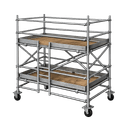
Temporary Structures
Covers scaffolding, fencing, and temporary buildings.

Soft Costs
Covers additional expenses from construction delays due to covered losses.

Equipment Coverage
Covers permanently installed fixtures and equipment.
Industries & Insurance Needs in Tampa
The county business mix changes the kinds of projects that show up and the way coverage should be reviewed. Hillsborough County has 42,366 business establishments, with professional, scientific, and technical services at 15.9%, health care and social assistance at 11.6%, and retail trade at 11.3%. So local builders risk placements often involve office build-outs, medical space renovations, and retail tenant improvements, not only ground-up residential work. Those jobs can carry tighter lease deadlines, lender draw controls, and owner-furnished equipment questions that affect how you set completed value and who needs to be named. If your project is an occupied renovation or a commercial interior build, bring the lease, lender requirements, and construction agreement into the quote process early. That helps you catch gaps around phased turnover, stored materials, and responsibility for fixtures before a certificate request exposes the mismatch.
What Makes Tampa Different
Lender and stakeholder documentation drives the calculus here. In some markets, this coverage is mostly a site protection decision. Here, it is often also a transaction document that has to satisfy a lender, owner, property manager, or upstream contractor before money moves and work proceeds. That changes how you should shop. Instead of asking only whether the site is covered, ask whether the policy structure matches the deal structure. You need to sort out the first named insured, any additional parties, the insured value, and the coverage window relative to draws and substantial completion, because a mismatch in any one of those can hold up financing even when the site itself is adequately protected. Tampa's median household income of $71,302 and median home value of $375,300 mean a residential project here often ties up a large share of an owner's net worth, so a documentation error can delay financing or leave an owner underinsured at a critical stage. Review the declarations page and lender wording before mobilization, not after the first certificate request comes back.
Our Recommendation for Tampa
Start with the contract set, not the application. For a local quote, have the owner-contractor agreement, project budget, draw schedule, and site address ready so the insured value and policy term can be reviewed against the real job. If a lender is involved, ask for its insurance requirements before binding, because lender-specific endorsement language can change the insured value, named insured wording, or coverage window you need to carry. Named insured wording, mortgagee interests, and evidence of coverage requests often drive revisions. On renovation work, separate what is existing structure, what is new work, and what materials will be stored off site or delivered early. On commercial interiors, confirm who is responsible for tenant improvements, fixtures, and equipment that arrives before installation. If several parties are involved, ask who should be listed and who only needs certificate evidence. If you are comparing options, focus on valuation, covered causes of loss, deductibles, and any weather-related limitations tied to the build phase, since those four variables tend to drive most of the cost and coverage differences between quotes.
Get Builders Risk Insurance in Tampa
Enter your ZIP code to compare builders risk insurance rates from carriers in Tampa, FL.
Business insurance starting at $25/mo
FAQ
Frequently Asked Questions
Tampa lenders usually want evidence that the policy matches the project address, insured parties, and construction value before releasing funds. If the declarations page does not line up with the loan file, a draw can stall while endorsements are corrected.
Owners, lenders, and contractors may view the exposure differently, so it pays to settle the question early. Your contract terms, the scope of work, and whether existing structure values need to be addressed separately all shape the answer.
Hillsborough County has 42,366 business establishments, with strong shares in professional services, health care, and retail, which means many local projects are tenant improvements and occupied-space renovations rather than ground-up builds. That concentration makes lease timing, phased turnover, and owner-furnished property worth reviewing before binding.
Tampa has a median home value of $375,300, so a residential project can represent substantial collateral for both owners and lenders, which is why limits, valuation method, and completion timing should be checked carefully before work begins.
Tampa projects often involve an owner, lender, and general contractor, and sometimes a property manager or tenant. The policy should be reviewed against the contract chain so the parties with a documented insurable interest are handled correctly from the start.
In Florida, the buyer is usually the party the contract makes responsible for insuring the work, often the owner, developer, or general contractor. Review the construction agreement and lender requirements together before binding so the named insureds and project responsibilities line up.
Florida projects often need a close review of wind-related terms because storm exposure can change by location, construction phase, and policy wording. Ask specifically about deductibles, protective conditions, and whether materials on site are treated differently before installation.
Florida renovations are often worth reviewing because the exposure is not just the new work, it is also how that work interacts with the existing building. Clarify where builders risk ends, where the property policy begins, and how occupied areas are protected.
Sources
- 1.U.S. Census Bureau, ACS 5-Year Estimates, table B25077(A median home value of $375,300 in Tampa also signals why owners and lenders tend to look closely at limits and valuation on residential projects.)
- 2.U.S. Census Bureau, County Business Patterns, Hillsborough County(Hillsborough County has 42,366 business establishments, with professional, scientific, and technical services at 15.9%, health care and social assistance at 11.6%, and retail trade at 11.3%.)
- 3.U.S. Census Bureau, ACS 5-Year Estimates, table B19013(Tampa's median household income of $71,302 and median home value of $375,300 suggest many residential projects represent meaningful household capital, so documentation mistakes can delay financing or leave an owner underinsured at a critical stage.)
Updated July 16, 2026





