








































Updated July 5, 2026

Commercial Truck Insurance in Tampa
A tighter local market changes truck insurance shopping in practical ways. Fewer carriers may want a given unit mix, radius, or driver profile, and brokers often need cleaner operating details before they can approach the right markets. For commercial truck insurance in Tampa, that usually means your quote process goes better when you can show current vehicle schedules, garaging addresses, driver MVR expectations, and the contracts or certificates your shippers and customers ask for before a load moves. This is also a county economy with 42,366 business establishments, so proof of coverage often matters beyond compliance, because vendors, medical offices, retailers, and professional firms may all want certificates that match their contract language before pickups, deliveries, or service calls begin. If your trucks move between the port area, warehouse corridors, and dense retail stops in the same week, ask for a quote built around those actual route patterns, not a generic Florida submission. You will usually get a more usable proposal if you flag hired or non-owned auto needs, trailer interchange questions, and any after-hours garaging changes up front.
Commercial Truck Insurance Risk Factors in Tampa
Local route density is the difference that matters most here. Your exposure can change fast when the same truck shifts from port-adjacent freight movement to medical deliveries, retail stops, or service calls across a busy county in one workweek. That matters because underwriters look closely at where units are garaged, how often they operate in congested commercial corridors, and whether your stated radius matches the work you actually accept. Florida weather exposure is already handled on the state page, so the local review is more operational: where the truck sits overnight, whether drivers cross bridges or waterfront routes regularly, and how often loading happens at customer premises instead of your yard. If your operation uses mixed routes, ask to review **liability limits**, physical damage deductibles, and downtime planning together. A policy that fits a steady terminal-to-terminal pattern may not fit a truck that alternates between urban delivery windows and longer regional runs.
Florida has a very high climate risk rating. Top hazards: Hurricane (Very High), Flooding (Very High), Severe Storm (High), Sinkhole (Moderate). The state's expected annual loss from natural hazards is $8.2B, which influences commercial truck insurance premiums and may affect coverage availability in high-risk areas.
What Commercial Truck Insurance Covers
Your policy is built around how your truck operates on Florida roads, not just around the vehicle type. Motor carrier liability is the core layer for many trucking businesses. Physical damage coverage can help pay for repair or replacement costs after a covered collision or other covered loss. Cargo insurance may protect freight in transit, and trailer interchange coverage may matter if you haul non-owned trailers under agreement. Bobtail coverage and non-trucking liability are often considered by owner-operators whose truck may be used off-dispatch or without a trailer.
Florida does not provide a special trucking-only minimum. Commercial auto minimums are listed at $10,000 personal injury protection and $10,000 property damage liability, which is Florida's no-fault structure, and bodily injury liability can be required after certain violations. Federal freight-hauling requirements may also apply depending on your operation, and many shippers and brokers ask for higher limits than the minimums. The Florida Office of Insurance Regulation oversees policy forms, endorsements, and carrier availability, which means those details can vary by insurer. Because hurricane, flooding, and severe-storm exposure are elevated, endorsements and deductibles can matter as much as the base policy. This is especially true for trucks parked near coastal routes, depots, or terminals in low-lying areas.
Coverage Included

Motor Carrier Liability
Can help cover injuries and property damage your truck causes to others, a coverage federal regulators require most for-hire carriers to maintain.

Physical Damage
Can help pay to repair or replace your own truck after an accident, fire, theft, or vandalism.
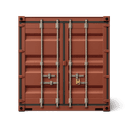
Cargo Coverage
May pay for damage to or theft of the freight you are hauling while it is in your care.
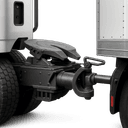
Trailer Interchange
Can help cover damage to trailers you haul under an interchange agreement but do not own.

Bobtail Coverage
May provide liability protection when you drive your tractor without a trailer attached, such as after dropping off a load.

Non-Trucking Liability
Can help cover accidents that happen when you use your truck for personal errands rather than dispatched work.
Commercial Truck Insurance Cost in Tampa
Average Cost in Florida
$460 - $1,475
per month
Businesses in Florida typically see commercial truck insurance premiums of $460 - $1,475 per month, which tends to run 27% above the national range of $400 - $1,125 per month.
- Radius of operation
- Commodities hauled and cargo value
- Number and value of power units
- Driver motor vehicle records and CDL experience
- DOT safety record, inspections, and FMCSA scores
- Liability limits and physical damage deductibles
Contact CPK Insurance for a personalized quote.
Prices shown are general estimates, not guaranteed rates or quotes. Your actual premium will depend on the insurer, coverage selected, business details, location, claims history, and other underwriting factors. Learn about our pricing methodology.
Cost depends on limits, deductibles, claims history, location, industry risk, and endorsements. That premium pattern fits a state where severe storm exposure and a large volume of roadway incidents compound carrier risk. Florida logged 401,000 crashes in 2023, which means carriers see frequent accident claims on the state's highways and push pricing up accordingly. With the average claim cost reaching $21,700, even a single at-fault incident can hit your renewal hard. That is why carriers price conservatively when a truck operates in dense traffic corridors or storm-prone regions. Coastal freight lanes, hurricane evacuation routes, and flood-prone parking areas can change how a carrier views the account.
Coverage limits and deductibles have a direct effect on price, as do endorsements for cargo, trailer interchange, bobtail coverage, and non-trucking liability. A local delivery van, a dump truck, and a long-haul tractor-trailer may not be priced the same way. Florida's large insurance market creates more shopping options, but they do not remove the need to compare terms carefully. A quote should be reviewed against the exact routes, freight type, and operating radius you use today, because those details can move pricing up or down.
Industries & Insurance Needs in Tampa
County business mix changes who asks you for insurance paperwork and how often. In Hillsborough County, the leading sectors by establishment share are professional, scientific, and technical services at 15.9%, health care and social assistance at 11.6%, and retail trade at 11.3%, so many trucking accounts here are not just long-haul freight. They may involve scheduled deliveries to offices, clinics, stores, and mixed commercial sites that expect certificates, additional insured requests, or vendor compliance before work starts. That affects your buying decision because the right policy structure is often about contract fit as much as vehicle count. If you serve medical or retail customers, review cargo descriptions, loading and unloading assumptions, and certificate turnaround before you bind. If you mainly support office and technical clients, confirm whether your contracts push auto liability limits, hired and non-owned auto, or waiver language that should be addressed before a dispatcher promises a start date.
What Makes Tampa Different
Route mix is what changes the calculus here. In many markets, a truck account is easier to place because the operation stays in one lane, one customer type, or one operating pattern. Around Tampa, many insureds blend port-related movement, local delivery, retail drops, and service-oriented trips across the county, and that mixed use can create more underwriting questions than a simple long-haul description. The issue is not that the risk is automatically worse. The issue is that a vague submission leaves too much room for assumptions about garaging, radius, cargo, trailer use, and customer certificate requirements. The practical move is to build your quote around your real dispatch pattern: where units park, what they haul, who owns the trailer, and which customers require certificates on short notice.
Our Recommendation for Tampa
Start with the schedule you actually run, not the one that sounds simplest. List each truck, normal garaging location, operating radius, trailer arrangement, and the customer types you serve most often. If one unit handles retail deliveries while another pulls equipment or containers, separate those uses clearly instead of blending them into one description. Ask your agent to review certificate turnaround expectations as part of the quote, especially if customers will not release freight or allow site access without current proof. If you hire drivers seasonally or rotate vehicles between owners, disclose that before binding so the market can evaluate it correctly. It is also worth reviewing hired and non-owned auto if dispatchers, owners, or staff ever use personal or rented vehicles for business errands tied to the trucking operation. Before you choose a policy, compare the deductible, downtime tolerance, and contract requirements against your cash flow, not just the premium.
Get Commercial Truck Insurance in Tampa
Enter your ZIP code to compare commercial truck insurance rates from carriers in Tampa, FL.
Business insurance starting at $25/mo
FAQ
Frequently Asked Questions
Tampa truck submissions usually go smoother when you provide vehicle schedules, garaging addresses, driver details, operating radius, cargo type, and customer certificate requirements up front. Proof expectations can affect whether work starts on time, especially when customers control site access or unloading.
Tampa-area customers often do, especially when your trucks serve offices, clinics, stores, or mixed commercial sites. Hillsborough County's business base is broad, so you should confirm certificate wording, additional insured requests, and turnaround expectations before accepting a job.
Hillsborough County business mix matters because customer type shapes your insurance paperwork and route pattern. Professional services are 15.9%, health care 11.6%, and retail 11.3%, so many accounts need delivery-friendly coverage terms and fast certificate handling.
Tampa owner-operators usually should. Separate route types help underwriters evaluate garaging, radius, loading locations, and trailer use more accurately. That can lead to a quote built around your actual operation instead of assumptions that create gaps or delays.
Tampa policies are regulated at the state level by the Florida Office of Insurance Regulation. That matters if you are reviewing insurer filings or complaint channels, but your buying decision should still focus first on route mix, contracts, and vehicle use.
In Florida, the policy can be built around motor carrier liability, physical damage, cargo coverage, and other endorsements depending on how the truck is used.
Florida commercial auto minimums apply, while federal freight-hauling requirements may also apply. Check your contracts before assuming the state minimum is enough.
Cost depends on limits, deductibles, claims history, location, industry risk, and endorsements. The quoted range in the state runs from $460 to $1,475 per truck per month, reflecting the spread between local delivery and long-haul operations.
Sources
- 1.U.S. Census Bureau, County Business Patterns, Hillsborough County(This is also a county economy with 42,366 business establishments, so proof of coverage often matters beyond compliance, because vendors, medical offices, retailers, and professional firms may all want certificates that match their contract language before pickups, deliveries, or service calls begin.; In Hillsborough County, the leading sectors by establishment share are professional, scientific, and technical services at 15.9%, health care and social assistance at 11.6%, and retail trade at 11.3%, so many trucking accounts here are not just long-haul freight.)
- 2.Florida Office of Insurance Regulation(Tampa policies are regulated at the state level by the Florida Office of Insurance Regulation.)
Updated July 5, 2026





