
Updated July 16, 2026

Builders Risk Insurance in Atlanta
Professional, scientific, and technical services lead the business mix in Fulton County at 20.2%. In practical terms, your next job may serve an office tenant, a medical practice, or a consulting firm whose lease start date will not move. This shapes how you approach builders risk insurance in Atlanta. The real question is usually less about a ground-up shell and more about how materials, installed systems, and phased turnover line up with lease commitments, financing, and contractor responsibility. Fulton County also has 40,717 business establishments, so the owners, landlords, and vendors around you have seen enough paperwork to spot a missing certificate before the first truck arrives. When you build, renovate, or fit out property here, sit down with your policy and walk through the project delivery method, who holds title to materials, where high-value items sit before installation, and whether soft cost or delay-related options deserve a closer look.
Builders Risk Insurance Risk Factors in Atlanta
Atlanta's top risk factors include Flooding, Hurricane damage, Coastal storm surge, and Wind damage.
Georgia has a high climate risk rating. Top hazards: Hurricane (High), Tornado (High), Severe Storm (High), Flooding (Moderate). The state's expected annual loss from natural hazards is $2.4B, which influences builders risk insurance premiums and may affect coverage availability in high-risk areas.
What Builders Risk Insurance Covers
Your policy can help cover supplies in transit, items stored on site, and temporary works like scaffolding and fencing during construction. That is why your focus should be on how property moves through the site and when responsibility changes hands. If framing lumber is dropped before crews are ready, if mechanical equipment is stored off the slab for a short period, or if a renovation leaves part of an occupied structure open during phased work, those details can change what should be scheduled and how limits should be set.
For a Georgia build, ask specifically about materials in transit, materials stored on site, and materials stored temporarily at another location tied to the job. Those categories matter when delivery timing does not match installation timing. Temporary structures, scaffolding, fencing, and site security measures also deserve a direct review if they are part of how the project is being executed. On renovation work, clarify whether existing structure exposure is being addressed elsewhere or whether the policy is being tailored around the work area and project materials only.
If a covered loss delays completion, the financial hit may show up through added interest, extra carrying costs, or postponed occupancy rather than just damaged materials. These are known as soft costs, and they are worth discussing early if the project has financing milestones, lease-up timing, or a narrow completion window. In Georgia, where weather-related interruptions can affect sequencing, it is smart to match the policy period and any extension options to the real construction schedule, including inspection delays, punch-list work, and change orders that can push completion beyond the original target date.
Coverage Included

Structure Coverage
Covers the building or structure under construction.

Materials on Site
Covers building materials stored at the construction site.

Materials in Transit
Covers materials being transported to the job site.
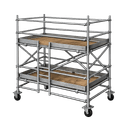
Temporary Structures
Covers scaffolding, fencing, and temporary buildings.

Soft Costs
Covers additional expenses from construction delays due to covered losses.

Equipment Coverage
Covers permanently installed fixtures and equipment.
What Makes Atlanta Different
In a market shaped by professional services, health care, and hospitality users, the financial pressure on a project often comes from occupancy dates, lender draws, and specialized interior build-outs rather than from the structure alone. Fulton County's economy runs on professional and technical services, health care, and food service, so your tenants likely need specialized build-outs, equipment, and firm move-in dates. Many projects involve offices, clinics, restaurants, and mixed-use spaces where equipment, finish selections, and phased completion matter. Take time to review when coverage attaches, whether temporary storage and transit terms fit your procurement plan, and how the policy treats existing structures during renovation. If your contract splits responsibility among owner, general contractor, and tenant improvement parties, line up the named insureds and loss payee language before the first delivery reaches the site.
Our Recommendation for Atlanta
On local projects, builders risk problems often begin when the owner, lender, general contractor, and tenant each assume someone else is insuring materials, change orders, or partially completed improvements. When property values run high, that kind of gap can turn a minor loss into a serious dispute over who pays. Atlanta's median home value is $420,600, which means a modest residential build here carries enough replacement cost to justify a careful look at completed value, debris removal, and ordinance or law coverage. For higher-end custom work, Atlanta's median household income of $81,938 tells you buyers in this market can afford upgraded finishes and appliances, so your insured value should reflect those selections before they arrive on site. A solid quote review tests the policy against your draw schedule, your stored materials plan, and the question of who is financially exposed if completion slips.
Get Builders Risk Insurance in Atlanta
Enter your ZIP code to compare builders risk insurance rates from carriers in Atlanta, GA.
Business insurance starting at $25/mo
FAQ
Frequently Asked Questions
Tenant improvement work often deserves closer review because Fulton County's business mix leans toward office, health care, and hospitality users. Pay attention to occupancy dates, specialized finishes, and contract responsibility before materials are delivered.
Local projects often involve multiple stakeholders on one schedule. With 40,717 business establishments in Fulton County, owners, landlords, and vendors have the volume to demand clear certificates, named insured alignment, and lender-ready documentation before they release funds or access.
Custom home projects should be valued carefully against the completed project cost, not a rough placeholder. The city's median home value is $420,600, so underestimating upgraded finishes, built-ins, or change orders can leave a meaningful gap.
Commercial build-outs often serve professional offices, clinics, and restaurants. Fulton County's leading sectors include professional services at 20.2%, health care at 11.2%, and accommodation and food services at 9.4%, so plan for storage, installation timing, and phased turnover accordingly.
Property owners should match the policy to the contract before the first delivery. If the owner, contractor, lender, or tenant has a financial interest in the project, sort out named insured and loss payee language early to avoid disputes.
Georgia projects usually place that responsibility on the party named in the construction contract, often the owner or general contractor. Review the agreement first, then confirm the policy setup matches the financial interest that would be affected if the job is delayed or damaged.
Many Georgia builders risk policies may help cover off-site stored materials if you disclose the storage location and tie it to the project schedule during quoting. If deliveries will be staged away from the job before installation, raise that point early so the location is added to the policy.
Georgia lender requirements vary, but many financed projects need proof of coverage before funds are released or work begins. Compare the loan documents with the construction contract early so completed value, named parties, and timing requirements line up.
Sources
- 1.U.S. Census Bureau, County Business Patterns, Fulton County(Professional, scientific, and technical services lead the business mix in Fulton County at 20.2%.; Fulton County has 40,717 business establishments.; Fulton County's leading sectors are professional, scientific, and technical services at 20.2%, health care and social assistance at 11.2%, and accommodation and food services at 9.4%.)
- 2.U.S. Census Bureau, ACS 5-Year Estimates, table B25077(Atlanta's median home value is $420,600.)
- 3.U.S. Census Bureau, ACS 5-Year Estimates, table B19013(Atlanta's median household income is $81,938.)
Updated July 16, 2026