







































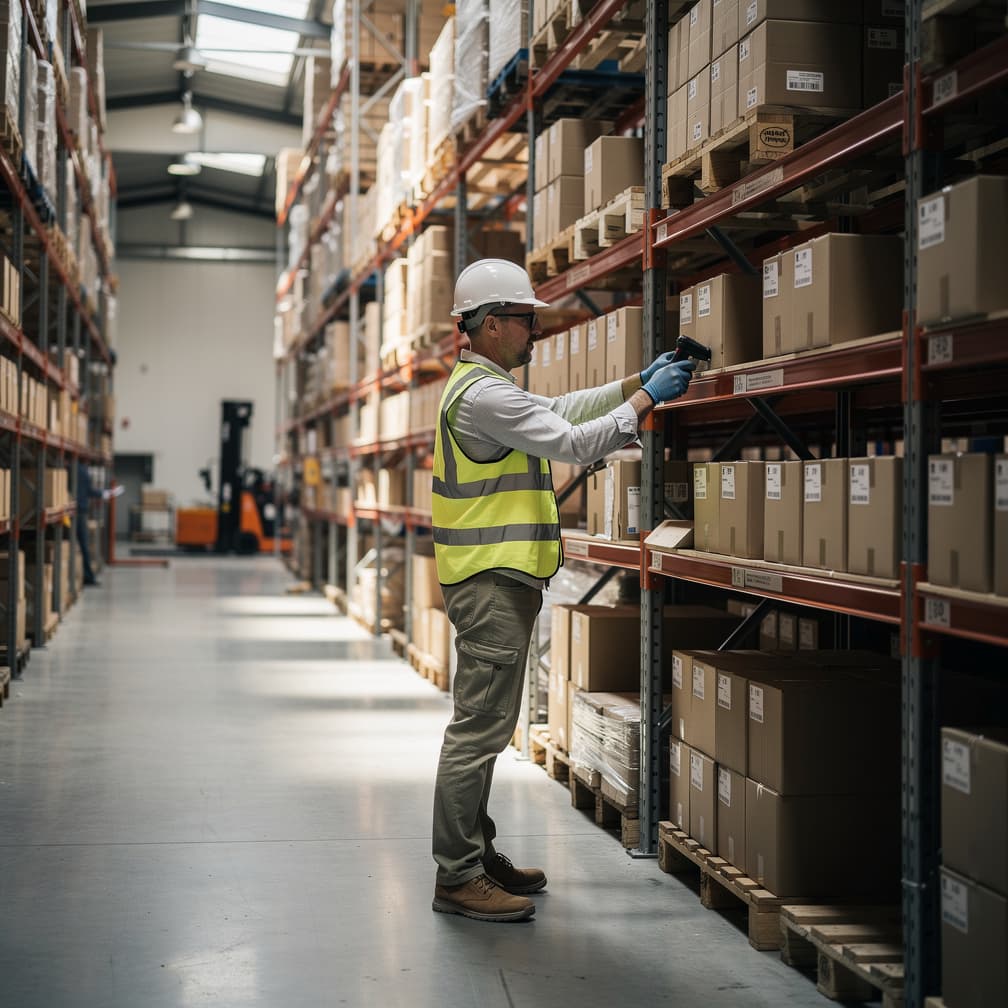

As a warehouse in Augusta, your reputation travels by word of mouth, and so does a bad claim. A single fire that takes out a customer's seasonal stock is the story every shipper in the area hears about. Warehouse insurance in Augusta is partly how you keep that story short: money that arrives quickly, freight that gets replaced, an account that stays. In a thinner market the practical problem is who shows up. Fewer adjusters, racking crews, and restoration vendors within reach of Richmond County can stretch the wait between the loss and the first pallet back in the bay. Ask a carrier how claims get handled where your building actually sits, not where an office sits, and get that answer before you buy on price alone.
What Makes Augusta Different
A storm week reshapes the schedule before it damages anything, and that is the part that costs money quietly. Trailers do not arrive, dock doors stay open longer than they should, and staged freight sits where water can find it. A building in Augusta that loses power for two days has a security problem, and sometimes a temperature problem as well. Alarms and access control run on electricity, and freight is worth stealing exactly when nobody is watching it. In a thin market, the contractor who can tarp a roof section may be booked solid for the whole area at once. That queue turns a small repair into a long interruption, and interruption is where warehouse losses grow teeth. Ask participating carriers in Georgia what a policy treats as a covered cause of loss and what it treats as maintenance. The honest answer to that question is worth more than a lower premium.
Local Risk Factors in Augusta
Decide now who calls the roofer, because that question gets answered slowly in the days after a storm. If you lease, the roof belongs to the landlord while the stock belongs to you, and their repair timeline runs independently of your interruption clock. A building in Richmond County may share a contractor queue with every other damaged property nearby, which stretches a small repair into a long shutdown. Interruption terms are worth reading before that happens: what starts the clock, how long it can run, and what proof is expected. Read the lease beside the policy while the weather is calm. Where the two disagree in Georgia, the difference is yours to carry.
What Coverage Does a Warehouse in Augusta Need?
Commercial Property
Racking, dock equipment, building contents, and the stock you own are what this line is built around. It can respond to fire, storm damage, theft, and vandalism, subject to the values you reported at binding. Goods belonging to customers usually need separate wording and a separate limit, and flood typically sits outside the form.
Example: A pallet jack clips a sprinkler head on a night shift, water runs over four bays of cartons for hours, and the stock is scrap by morning. A property policy might respond to the contents you reported.
General Liability
Landlords and shippers ask for this one by name, usually with a limit and additional insured wording attached. It points at people who are not your employees: a driver who slips at the dock, a visitor struck in an aisle, a passerby hurt in the yard. Property sitting in your care typically falls outside it.
Example: A freight broker walking your aisle catches a heel on stretch film and fractures a wrist. The demand letter arrives four months later, and defense costs can fall to this line from the day it lands.
Workers Compensation
Injuries to your own crew sit here, not with the line that answers for visitors. Lifting, stacking, and lift operation produce strains, crush injuries, and falls, and medical costs plus a share of lost wages are what this coverage is meant to address. Requirements and thresholds vary by state and are worth confirming locally.
Example: A picker drags a heavy carton off a top beam, feels his back give, and is out for six weeks. Medical bills and part of the lost wages could be handled here rather than out of pocket.
Tools & Equipment (Inland Marine)
Property that moves is the dividing line. Scanners, pallet jacks, and a lift sent out for service can fall here, while the building and its fixed contents stay with the property policy. Cover generally follows a schedule, so serial numbers and values do more work than descriptions, and wear and tear typically stays excluded.
Example: A reach truck loaded onto a trailer for a repair shop is damaged in transit and never reaches the yard. Equipment scheduled with make, model, and value might be picked up here.
Commercial Umbrella
When a storage agreement names a limit your primary lines cannot reach, this is the usual route to that number. It sits above the liability underneath and can raise the ceiling on one bad claim. It generally follows the form below it, so a gap in the primary wording tends to be a gap up here as well.
Example: A rack collapse injures two visitors and destroys a customer's seasonal stock in one afternoon at an Augusta building. Once the underlying limit is exhausted, an excess layer may take it from there.
How Much Does Warehouse Insurance Cost in Augusta?
Warehouse Insurance is a bundle of separate policies, priced separately. The ranges below are typical figures for Augusta for each line, except workers compensation, which is rated per $100 of payroll; a quote prices each one against your own operations.
| Coverage | Typical range | What moves your price |
|---|---|---|
| Commercial Property Insurance | $160 - $775 per month | Building value and construction type, roof age and condition, fire protection class |
| General Liability Insurance | $80 - $270 per month | Industry and risk classification, annual revenue, number of employees |
| Workers Compensation Insurance | $0.75 - $2.74 per $100 of payroll | Employee classification codes, total annual payroll, experience modification rate |
| Inland Marine Insurance | $35 - $160 per month | Total insured value of the scheduled property, type and age of the equipment, where it is stored and how far it travels |
| Commercial Umbrella Insurance | $70 - $280 per month | Umbrella limit requested, limits carried on the underlying policies, loss history on those underlying policies |
Prices shown are general estimates, not guaranteed rates or quotes. Your actual premium will depend on the insurer, coverage selected, business details, location, claims history, and other underwriting factors. Learn about our pricing methodology.
What Are the Insurance Requirements for a Warehouse in Augusta?
Workers' comp is generally required once you have 3 or more employees. Georgia generally requires employers to carry workers' compensation at that point. Common exemptions include sole proprietors, partners, and corporate officers. Confirm current thresholds with your state's workers' compensation agency before you hire.
Flood damage is typically excluded from standard policies. Standard commercial property and builders-risk-type policies typically exclude flood damage. Flood exposure varies address by address, so check your premises in FEMA's Flood Map Service Center before deciding; if you sit in a mapped flood zone, a separate policy through the National Flood Insurance Program is the usual starting point.
Where to verify licensing and coverage rules. The Georgia Office of Insurance and Safety Fire Commissioner publishes consumer guidance and current insurance requirements for Georgia businesses. When a contract or lease demands specific wording, the Georgia Office of Insurance and Safety Fire Commissioner's guidance is the authoritative place to check.
Get Your Warehouse Quote in Augusta
Compare rates from multiple carriers. Free quotes, no obligation.
Operating in Augusta
- A customer whose stock burns does not wait for your rebuild. They move the freight, and in a market the size of Richmond County it may never come back through the door.
- Nobody reads a storage agreement until something is damaged, and then it is the only document anybody reads, including the adjuster and the customer's lawyer.
- Drivers, brokers, and vendors walk through the building all day, and none of them are on your payroll. Every one of them is a third party, which runs down a different claim track than an injury to your own crew.
- A property manager in Augusta can withhold occupancy paperwork until a certificate naming them is on file, so a lapse of a week between renewals stalls considerably more than the policy.
How to Buy: Advice for Augusta Owners
Walk the building before you buy anything, with a notepad, and write down what could go wrong at each station. The dock, the charging area, the mezzanine, the aisle where lifts and people share space: each one produces a different claim. Match those notes to lines. Injuries to your own crew sit with Workers Compensation, injuries to visitors sit with General Liability, and the racking and stock sit with Commercial Property. That mapping is most of the purchase and it takes an hour. Owners who skip it buy a limit that sounds fine and later discover the wrong policy was the one that needed it. Do the walk in Augusta while the building is full rather than empty, because peak is what a policy has to survive. Then compare quotes from participating carriers in Georgia against your own list, station by station.
FAQ
Warehouse Insurance in Augusta: FAQ
Often, yes. A commercial lease usually names a liability limit, asks for the building owner to be added as an additional insured, and wants a certificate on file before occupancy. That wording is a contract term rather than a suggestion, so read the insurance exhibit before signing anything. If a landlord in Augusta demands language your quote does not include, ask whether the endorsement is available at all. Two policies at the same price can differ entirely on that point.
It follows floor area, rack height, sprinkler protection, stock value at peak, payroll, and your claims history. Revenue matters less than owners expect; what you store and how high you stack it matter more. A building with current sprinkler records and a clean loss run generally prices better than an identical building without them. Ask each quote which inputs drove the number, then compare on identical limits rather than on the monthly figure alone.
Not automatically. Commercial Property is written around your own building contents, racking, and equipment, and goods belonging to other people are usually handled by separate wording and a separate limit. What you owe on that freight comes from the storage agreement, which may make you answerable only for negligence or close to answerable outright. Read both documents together and ask how property of others is treated before you assume the freight is inside your limit.
That depends on whose property was struck and who was operating. Damage to goods you were storing is usually a property-of-others question rather than a General Liability question, since liability forms typically exclude property in your care, custody, and control. Owners get caught by that exclusion constantly. Ask directly which part of your program is meant to answer for stock you accepted, and at what limit, well before you need the answer.
Rules vary by state and by headcount, and thresholds change, so no general answer can tell you where your operation lands. The Georgia Office of Insurance and Safety Fire Commissioner publishes the current requirements for employer coverage. What stays consistent is the exposure: lifting, stacking, and lift operation produce strains and crush injuries, and those claims run long even when they start small. Payroll by class code and your experience modification factor drive the price, so pull both before you shop in Georgia.
It turns on cause. A property form typically responds to sudden accidental damage and typically excludes deterioration, so a seam that had been failing for years is a different conversation than a storm that tore it open. Adjusters ask when the roof was last serviced, and invoices answer that faster than memory does. If you lease, the roof belongs to the landlord while the stock belongs to you, which splits the repair timeline from your interruption clock.
Sources
- 1.Georgia Office of Insurance and Safety Fire Commissioner(Georgia Office of Insurance and Safety Fire Commissioner publishes consumer guidance for insurance buyers.)
- 2.FEMA / FloodSmart(Flood coverage is typically purchased separately; FEMA administers the National Flood Insurance Program.)


