








































Updated July 16, 2026

Commercial Truck Insurance in Augusta
For businesses shopping for commercial truck insurance in Augusta, the local decision is shaped by more than the truck itself. Augusta's 2024 profile shows a cost of living index of 101, a median household income of $77,777, and a business base of 5,254 establishments. Those numbers tell you most buyers here are small operators working with thin margins, so every coverage dollar has to earn its place. That matters whether you run a single tractor, a small delivery route, or a mixed local-and-regional hauling operation. Augusta also has a flood zone percentage of 27% and a risk profile centered on flooding, hurricane damage, and wind damage, so the way you store tractors, park trailers, and set physical damage deductibles can change the policy discussion. Local traffic and loss conditions add another layer: 5,046 annual crashes, 19 fatal crashes, and an uninsured driver rate of 14.2% mean roughly one in seven drivers on the road with you has no coverage, which makes uninsured motorist protection worth a hard look. If your fleet moves through dense commercial corridors, the right coverage mix should reflect the routes you run, the cargo you haul, and how often your trucks sit exposed between loads.
Commercial Truck Insurance Risk Factors in Augusta
Augusta’s risk profile pushes trucking buyers to look closely at **physical damage coverage for trucks** and cargo insurance for trucks, not just liability. The city’s flood zone percentage is 27%, and the listed top risks are flooding, hurricane damage, coastal storm surge, and wind damage. For a truck parked at a yard, jobsite, or customer location, that can make deductible choices and garaging practices more important than in a lower-exposure market. Augusta also logged 5,046 annual crashes in 2023, with 19 fatal crashes and a crash rate per 100k of 2,241, so collision exposure is not theoretical for local operators. The top crash causes, following too closely at 31.5%, reckless driving at 25.1%, drowsy driving at 22.9%, and speeding at 20.5%, are especially relevant for long haul and regional routes that spend time on busy roads. With an uninsured driver rate of 14.2%, truck liability insurance in Augusta should be reviewed carefully for limits and deductibles that fit the route profile.
Georgia has a high climate risk rating. Top hazards: Hurricane (High), Tornado (High), Severe Storm (High), Flooding (Moderate). The state's expected annual loss from natural hazards is $2.4B, which influences commercial truck insurance premiums and may affect coverage availability in high-risk areas.
What Commercial Truck Insurance Covers
Commercial truck insurance in Georgia is usually built around motor carrier liability, physical damage, cargo coverage, trailer interchange, bobtail coverage, and non-trucking liability. Your policy structure often needs to reflect whether the truck is hauling under a motor carrier authority, running under a shipper contract, or operating empty between loads. Motor carrier liability can help cover accidents involving third parties. Physical damage helps address repair or replacement after a collision or other covered loss. Cargo insurance is separate from liability and is designed for freight you are transporting, with terms that vary by commodity and route. Trailer interchange can matter if you swap trailers under contract. Bobtail or non-trucking liability may help when a truck is used off-dispatch.
Georgia does not set a unique truck-only liability minimum here. Commercial auto minimums generally apply, and federal freight requirements still matter for interstate operations. Many policies in this market are shaped by carrier underwriting tied to your DOT history, freight type, and operating radius. Coverage can differ based on whether you haul general freight, refrigerated loads, flatbeds, or tankers. Hazardous materials may require higher limits than standard freight. Because Georgia has significant storm exposure, some policies also need careful deductible and endorsement review for weather-related damage to tractors, trailers, and cargo.
Coverage Included

Motor Carrier Liability
Can help cover injuries and property damage your truck causes to others, a coverage federal regulators require most for-hire carriers to maintain.
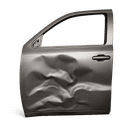
Physical Damage
Can help pay to repair or replace your own truck after an accident, fire, theft, or vandalism.
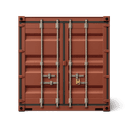
Cargo Coverage
May pay for damage to or theft of the freight you are hauling while it is in your care.
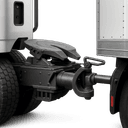
Trailer Interchange
Can help cover damage to trailers you haul under an interchange agreement but do not own.

Bobtail Coverage
May provide liability protection when you drive your tractor without a trailer attached, such as after dropping off a load.

Non-Trucking Liability
Can help cover accidents that happen when you use your truck for personal errands rather than dispatched work.
Commercial Truck Insurance Cost in Augusta
Average Cost in Georgia
$480 - $1,425
per month
Businesses in Georgia typically see commercial truck insurance premiums of $480 - $1,425 per month, which tends to run 25% above the national range of $400 - $1,125 per month.
- Radius of operation
- Commodities hauled and cargo value
- Number and value of power units
- Driver motor vehicle records and CDL experience
- DOT safety record, inspections, and FMCSA scores
- Liability limits and physical damage deductibles
Contact CPK Insurance for a personalized quote.
Prices shown are general estimates, not guaranteed rates or quotes. Your actual premium will depend on the insurer, coverage selected, business details, location, claims history, and other underwriting factors. Learn about our pricing methodology.
Several state-specific factors push pricing up or down, including location, claims history, coverage limits, deductibles, endorsements, and the type of freight you haul. A truck based in Atlanta, Savannah, or another high-traffic corridor may face different pricing than a unit running less congested routes. Georgia sees a fatal crash rate of 1.56 per 100 million vehicle miles traveled, above the national average of 1.33, which means insurers see higher severity potential on Georgia roads and may place your operation in a higher premium tier or require higher liability limits. The state also has a 12.4% uninsured driver rate, so if your truck is hit by an uninsured motorist, your policy may bear more of the repair and liability cost. Consider uninsured motorist coverage to help manage that gap.
Georgia weather is another pricing driver. The state's overall climate risk is rated high, with hurricane, tornado, and severe storm hazards all marked high and flooding moderate. That history means insurers may pay close attention to where trucks are parked, how trailers are stored, and whether physical damage deductibles are set appropriately. Georgia's large number of active insurers creates competition, but it does not remove the impact of underwriting details. The most useful inputs for comparing options are your vehicle list, cargo type, route profile, loss history, and any bobtail or trailer interchange needs.
What Makes Augusta Different
The biggest Augusta-specific change to the insurance calculus is the combination of flood exposure and crash exposure in a market with many smaller businesses. A 27% flood zone percentage, plus top risks that include flooding, hurricane damage, and wind damage, means a truck parked in the wrong lot during a storm can become a total loss before it ever leaves the yard. At the same time, Augusta's 5,046 annual crashes and 14.2% uninsured driver rate keep liability and collision concerns front and center. In Augusta, buyers need to think about where the truck is parked, how often it is on the road, whether it carries cargo, and whether it sits exposed between loads. For a local fleet, that often means the best conversation is not just about your policy, but about how motor carrier liability, physical damage, and cargo coverage work together in a weather- and traffic-sensitive environment.
Our Recommendation for Augusta
For Augusta buyers, start by mapping the truck's actual operating pattern: local delivery, regional hauling, or mixed use. From there, the coverage choices should follow directly from what that truck actually does on a given day. When the truck spends time parked in flood-prone or wind-exposed areas, review your physical damage coverage with attention to deductibles and storage practices. Operations carrying customer freight should make sure cargo coverage is tied to the commodities you haul rather than a generic assumption. Routes heavy with stop-and-go traffic call for a close look at how the carrier views collision exposure and uninsured driver risk. For businesses with trailers or changing equipment use, trailer interchange should be confirmed before binding. Augusta's mix of smaller establishments also means many buyers should compare quotes from more than one carrier and review the coverage structure line by line, not just the monthly number. The goal is a policy built around the routes your trucks run, the cargo they carry, and the lots where they sit between loads.
Get Commercial Truck Insurance in Augusta
Enter your ZIP code to compare commercial truck insurance rates from carriers in Augusta, GA.
Business insurance starting at $25/mo
FAQ
Frequently Asked Questions
Start with how the truck is used, then review motor carrier liability, physical damage, and cargo coverage based on whether the unit runs local, regional, or mixed routes in Augusta.
With 27% of the area in flood zones and top risks that include flooding, hurricane damage, and wind damage, a truck parked in the wrong location during a storm can be a total loss before it ever moves.
With 5,046 annual crashes, 19 fatal crashes, and common causes like following too closely and speeding, Augusta operators should review liability and collision exposure carefully. Fatal crashes in particular can drive up claim severity, which makes adequate liability limits critical.
The structure can vary, but smaller operators still need coverage that matches their routes, cargo, and parking exposure. Augusta has 5,254 establishments, so many buyers are protecting one or a few trucks rather than a large fleet.
If your operation swaps trailers under contract or uses equipment that changes hands between businesses, trailer interchange should be reviewed as part of your policy.
In Georgia, the core package usually includes motor carrier liability, physical damage, cargo coverage, trailer interchange, bobtail coverage, and non-trucking liability, but the exact mix depends on whether you haul freight, swap trailers, or operate off-dispatch.
Georgia lists commercial auto minimums at $25,000/$50,000/$25,000, and the market is regulated by the Georgia Office of Insurance and Safety Fire Commissioner; if you haul interstate freight, federal motor carrier requirements may also apply.
Your actual price will vary based on limits, deductibles, claims history, location, endorsements, and the type of freight you haul.
Updated July 16, 2026





