Updated July 16, 2026

Dealer Open Lot Insurance in Augusta
A summer storm clips the lot after closing, water starts moving toward the low end of the pavement, and by morning several units need inspection before they can be shown. That is the kind of inventory interruption your policy can help account for, especially if your vehicles sit outside overnight, rotate between a main frontage lot and a back storage area, or stay parked close enough together for one loss event to affect multiple units at once. Here, the buying decision is less about a generic Georgia form and more about how your property actually drains, how secure the perimeter stays after hours, and whether your reported inventory values keep up with what is physically on hand. When you are carrying older trade-ins, higher-value trucks, or a mix of retail-ready units and vehicles waiting on recon, ask your underwriter to factor those conditions into the quote. You want the lot layout, storage pattern, and seasonal inventory swings reflected before a weather event or theft loss turns into a valuation dispute.
Dealer Open Lot Insurance Risk Factors in Augusta
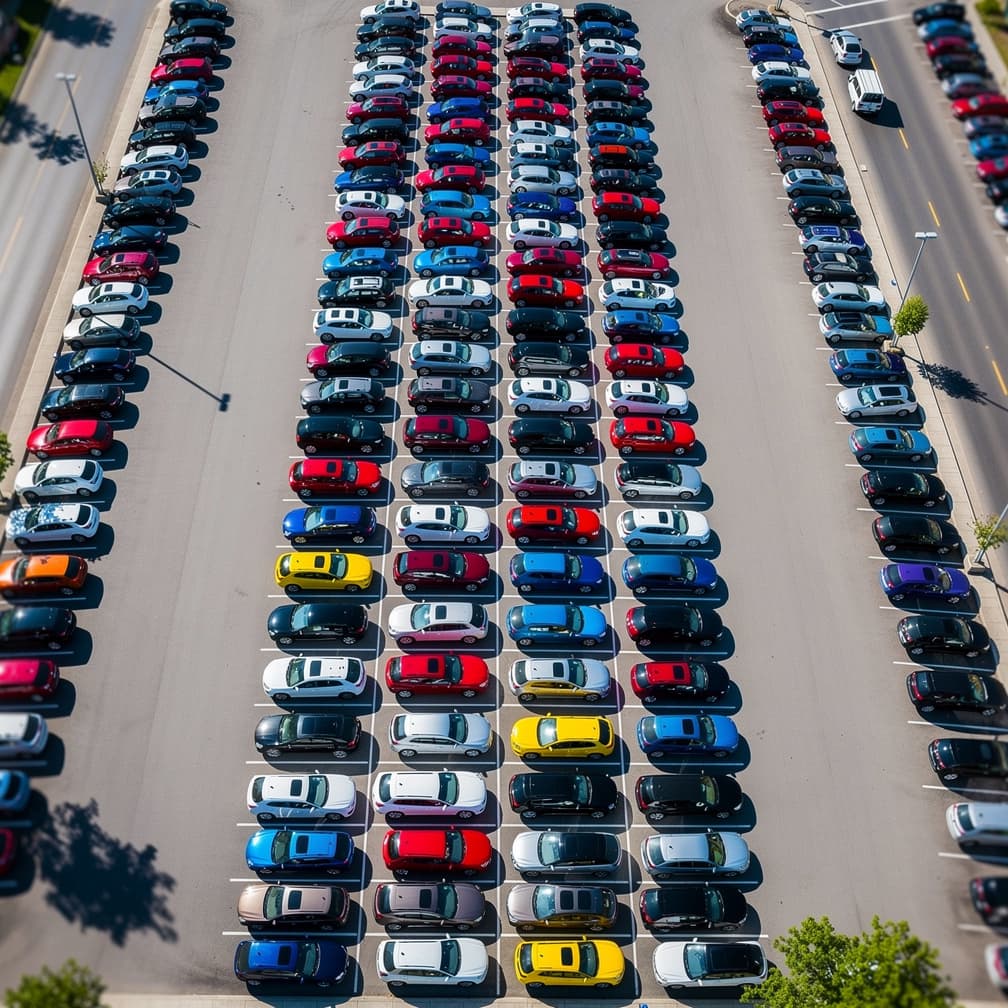
Local lot exposure starts with concentration and site conditions. If your inventory is packed tightly on a paved lot with only one practical entrance, a single storm, runoff issue, or after-hours breach can affect several vehicles before staff arrives. That makes basic underwriting details matter more here than many dealers expect: **grade and drainage**, fencing and gate controls, lighting, camera placement, key management, and whether any units are stored off the main sales frontage. Review how vehicles are positioned during heavy weather, where the lowest part of the property sits, and whether overflow parking changes your exposure on weekends or month-end. If your operation uses more than one storage area, confirm each location is scheduled correctly and that your peak inventory values are updated often enough to match reality. Dealer open lot claims get harder when the carrier sees one exposure on paper and a different one on the ground.
Georgia has a high climate risk rating. Top hazards: Hurricane (High), Tornado (High), Severe Storm (High), Flooding (Moderate). The state's expected annual loss from natural hazards is $2.4B, which influences dealer open lot insurance premiums and may affect coverage availability in high-risk areas.
What Dealer Open Lot Insurance Covers
For a Georgia dealership, the useful review is not the broad national description of lot coverage. It is the way your policy language matches the places and handling patterns that create loss on your operation. If inventory sits on a paved front line during business hours, moves to a rear storage area overnight, and occasionally shifts to another address because space tightens, those facts should be reflected clearly in the submission. The goal is to avoid a policy that looks adequate until a claim turns on where a unit was parked or why it was being moved.
Weather exposure deserves a close read in Georgia because open-lot inventory can take concentrated damage from a single event. That can create a second problem if cleanup, glass replacement, or body work backs up across the region. Theft and vandalism also need practical attention. An underwriter will usually want to understand fencing, lighting, camera placement, key control, and whether certain vehicles are isolated or grouped by value. A given inventory total can produce very different claim outcomes depending on how the lot is laid out and supervised.
You should also review how the policy treats temporary storage, dealer trades, service-area parking, and any routine movement between owned or leased locations. If your operation uses overflow space during busy periods, ask for that exposure to be addressed before binding, not after a loss. In Georgia, the regulator is the Georgia Office of Insurance and Safety Fire Commissioner, which oversees carrier licensing, form approvals, and consumer complaints. That means you have a place to turn if a dispute arises over form language or claim handling, so keep copies of applications, schedules, and endorsements from the start.
Coverage Included

Weather Damage
Covers hail, wind, flood, and storm damage to lot inventory.
Theft Protection
Covers vehicles stolen from your lot.
Fire Damage
Covers fire and explosion damage to inventory vehicles.

Vandalism
Covers intentional damage to vehicles on your lot.
Test Drive Coverage
Covers vehicles during customer and employee test drives.
Transit Coverage
Covers vehicles being moved between lot locations.
What Makes Augusta Different
Inventory concentration is the main local issue. Richmond County has 4,246 business establishments, and the leading sectors by establishment share are retail trade at 18.2%, health care and social assistance at 14.3%, and accommodation and food services at 11.1%. In practical terms, that means your dealership likely operates near other active commercial properties, which can affect traffic patterns, overflow storage, and shared parking pressure in ways that matter more than they look on an application. For a dealer, the question is not only how many vehicles you own but where they sit, how visible they are after hours, and whether nearby activity changes theft opportunity or access to your lot. If your lot backs up to other active commercial uses, the underwriter should see the actual perimeter conditions, not just the street address.
Our Recommendation for Augusta
Start with a walk of the property, not just a spreadsheet. Note the low points where water collects, how close vehicles are parked, and which units would be hardest to move quickly before a storm, then compare that against the inventory values you report to the carrier. If your mix changes fast, consider setting a routine for updating peak values so a loss does not expose an avoidable reporting gap. Security deserves the same practical review. Look at whether fencing is continuous, whether gates are controlled after hours, whether cameras actually cover the inventory rows, and whether keys are stored in a way that limits a theft crew's options. If you keep vehicles at a secondary area, ask that the location be specifically reviewed rather than assumed. For a useful quote, send the underwriter your current inventory range, every storage address, and clear photos of the lot layout and perimeter.
Get Dealer Open Lot Insurance in Augusta
Enter your ZIP code to compare dealer open lot insurance rates from carriers in Augusta, GA.
Business insurance starting at $25/mo
FAQ
Frequently Asked Questions
You should assume any regular storage location needs to be reviewed specifically. If you use a back lot, overflow area, or separate recon storage space, check that it is scheduled correctly before a loss happens.
Drainage, vehicle spacing, fencing, lighting, and access points can change how one storm or theft event spreads across your inventory. Those details often affect how accurately the policy matches your real exposure.
With 4,246 establishments across the county, many dealer properties sit near other active commercial uses. That can affect traffic flow, visibility after hours, and overflow parking decisions, which are worth reviewing during quoting.
Consider reviewing reported inventory values whenever stock rises materially. If more units are on the ground than the carrier expects, a weather or theft claim can turn into a valuation problem instead of a straightforward adjustment.
You can contact the Georgia Office of Insurance and Safety Fire Commissioner with a policy complaint or regulatory question. For buying decisions, it is still smarter to resolve lot addresses, values, and storage details before binding coverage.
Yes. List every address where sale inventory is regularly stored, even if a location is used as overflow space. That helps the quote reflect the real exposure and reduces the chance of a dispute over where a damaged or stolen unit was kept.
Weather can turn one event into damage across multiple vehicles, so storage layout, drainage, and concentration of higher-value units matter during underwriting. Ask how the quote treats inventory kept outdoors, moved between lots, or parked at temporary storage locations.
Oversight runs through the Georgia Office of Insurance and Safety Fire Commissioner. If you are comparing policy forms, asking a complaint question, or checking licensing information, keep that regulator in mind and retain your application and endorsements.
Sources
- 1.U.S. Census Bureau, County Business Patterns, Richmond County(In Richmond County, there are 4,246 business establishments.; The leading sectors by establishment share are retail trade at 18.2%, health care and social assistance at 14.3%, and accommodation and food services at 11.1%.)
- 2.Georgia Office of Insurance and Safety Fire Commissioner(The Georgia insurance regulator is the Georgia Office of Insurance and Safety Fire Commissioner.)
Updated July 16, 2026