
Updated July 5, 2026

Homeowners Insurance in Augusta
In a tighter market like Augusta, your options can narrow faster once an insurer looks past the ZIP code and into the house itself. Older housing stock, neighborhood-by-neighborhood condition differences, and varying rebuild expectations mean two similar homes can draw very different underwriting questions. That is why shopping homeowners insurance in Augusta usually works better when you bring specifics up front: roof age, updates to wiring or plumbing, prior claims, and the dwelling limit you actually want reviewed.
Local home values also shape the conversation. Many owners here are insuring homes where market value and replacement cost may not line up cleanly. That gap matters most in a quote review, because a lower purchase price does not automatically mean a lower cost to rebuild after a covered loss. If you are buying, renewing, or comparing policies here, ask for a line-by-line look at dwelling, other structures, personal property, and loss of use instead of judging the policy by price alone.
Georgia has a high climate risk rating. Top hazards: Hurricane (High), Tornado (High), Severe Storm (High), Flooding (Moderate). The state's expected annual loss from natural hazards is $2.4B, which influences homeowners insurance premiums and may affect coverage availability in high-risk areas.
What Homeowners Insurance Covers
For a Georgia home, the practical review is less about naming standard policy parts and more about checking where claim friction usually shows up. Start with the structure itself. You want the dwelling amount supported by a current replacement cost estimate, then you want to see whether roof loss settlement changes with age, whether cosmetic versus functional damage language appears anywhere, and whether detached structures are enough for the way you use the property. A workshop, fence line, storage building, or pool enclosure can push that review beyond a quick checkbox.
Water is another place where buyers miss important distinctions. A standard policy may treat sudden internal water damage very differently from sewer backup, seepage, or rising water from outside the home. That means you should ask specifically about backup endorsements, service line options, and any exclusions tied to repeated leakage or deferred maintenance. If your home has finished lower-level space, built-in cabinetry, or upgraded flooring, those details are worth listing before you compare forms.
Personal property and loss-of-use terms also deserve a closer read if your household would need temporary housing after a serious loss. Instead of assuming the default limit works, test it against your actual living arrangement, pets, commuting pattern, and storage needs. Liability should be reviewed the same way. If you host often, have a pool, own a dog, or have frequent visitors on the property, ask whether the liability limit still feels adequate and whether an umbrella quote should be reviewed alongside the home policy.
Georgia buyers should also confirm who regulates policy forms and complaint handling. That gives you a clear place to verify licensing and consumer guidance while comparing policy documents and agent disclosures.
Coverage Included

Dwelling
Repairs or rebuilds your home itself, the walls, roof, floors, built-in appliances, and attached structures like a garage, after a covered loss. Set this limit to the full cost of rebuilding, not market value.
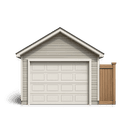
Other Structures
Detached structures on your property, such as a fence, shed, detached garage, or gazebo. Usually set at about 10 percent of your dwelling limit [2].

Personal Property
Your belongings, furniture, clothing, electronics, and appliances, generally written at 50 to 70 percent of your dwelling limit [2]. High-value items like jewelry and art carry special limits.

Additional Living Expenses
Also called loss of use. Pays your added living costs, hotel stays, meals, and a temporary rental, while a covered loss makes your home uninhabitable. Usually set at about 20 percent of your dwelling limit.

Liability
Covers you if someone is injured on your property, or you damage someone else's property, and you are found responsible. The standard $100,000 limit [2] is often raised to $300,000 or $500,000.

Medical Payments
Pays small medical bills, commonly $1,000 to $5,000, if a guest is hurt at your home regardless of fault, without a formal liability claim.
Homeowners Insurance Cost in Augusta
Average Cost in Georgia
$120 - $290
per month
In Georgia, homeowners insurance premiums typically run $120 - $290 per month, which tends to run 14% above the national range of $110 - $250 per month.
- Home replacement cost, age, and construction type
- Roof age, material, and condition
- ZIP code and local weather risk (wind, hail, wildfire, hurricane)
- Coverage limits and endorsements
- All-peril and percentage wind/hail deductibles
- Claims history and insurance score where allowed
Typical range for many standard homeowners profiles; lower-risk homes fall below it and coastal, wildfire, or older-roof homes can run well above. Final pricing depends on property details, location, underwriting, and selected coverage.
Prices shown are general estimates, not guaranteed rates or quotes. Your actual premium will depend on the insurer, coverage selected, personal details, location, claims history, and other underwriting factors. Learn about our pricing methodology.
Homeowners pricing in Georgia moves most when the carrier is pricing your specific house rather than a broad average. The biggest drivers are usually the rebuild estimate, roof age and material, prior claims, deductible choice, protection class, updates to plumbing, wiring, and HVAC, and whether the home has features that increase repair complexity. Two houses with similar square footage can price very differently if one has an aging roof, custom finishes, older electrical components, or a recent water loss on record.
Location inside the state also changes the quote because storm patterns, contractor demand after widespread losses, and local rebuilding costs do not hit every area the same way. That is why a useful comparison does not stop at premium. You should also compare settlement terms, special deductibles, endorsements, and whether the quote assumes replacement cost or inserts tighter conditions around roofs, water damage, or older systems.
Many homes in Georgia see premiums from $120 to $290 per month, depending on the home's age, construction details, claims history, deductible, and selected endorsements. For a typical Georgia home insured around $300,000 in dwelling coverage with a mid-range deductible, that range gives you a starting point. If your quote lands at the low end, check whether the roof settlement, water backup, and ordinance or law terms have been trimmed to get there. If it lands at the high end, confirm whether the policy includes broader endorsements and lower deductibles that justify the cost. Use the same dwelling amount, deductible, and core endorsements wherever possible, then review what still changes.
What Affects Homeowners Insurance Rates in Augusta
Affordability changes how many homeowners here set deductibles, trim optional endorsements, or delay updates that underwriters ask about. Augusta’s median household income is $53,134, so even a modest premium change can affect what feels workable month to month. That makes it worth reviewing the tradeoff between premium and out-of-pocket risk before you renew.
A practical quote comparison should test more than one deductible and confirm whether the policy assumptions match the home as it stands today. If you have replaced the roof, updated electrical service, or added security features, make sure those details are in the application. If you are stretching to keep premiums manageable, focus first on core property limits and policy terms, then decide which optional features you want priced separately. That approach helps you avoid solving for payment alone while leaving a coverage gap you only discover during a claim.
What Makes Augusta Different
The key difference here is the gap between local home prices and the amount it can take to rebuild well after a serious loss. Augusta’s median home value is $162,900, which can make a policy look expensive if you compare the premium to what you paid for the house or what nearby homes sell for. For insurance buying, though, the more important question is whether the dwelling limit reflects current reconstruction assumptions for your specific property.
That matters even more in a smaller local market, where some carriers are quicker to decline homes with older roofs, deferred maintenance, or incomplete updates. If one quote comes back much lower than another, do not assume it is the better fit. Check whether the lower quote is using a different dwelling amount, a more restrictive settlement basis for personal property, or tighter conditions around water damage and other common claim areas. The useful move is to compare forms and limits side by side before you decide.
Our Recommendation for Augusta
Start with the house file, not the rate sheet. For a local quote, gather the year of the roof, dates for electrical or plumbing updates, any prior inspection reports, and a recent mortgage escrow statement if you have one. That gives the underwriter cleaner information and reduces the chance that a quote is built on assumptions you later have to correct.
Next, ask for a coverage review that separates market value from rebuild value. If your home would be hard to reconstruct with like kind materials or current labor costs, that deserves attention before renewal. You should also ask how personal property is settled, whether water-related losses have sublimits or exclusions, and what deductible options do to the premium and your claim responsibility.
If you are comparing multiple offers, keep the dwelling limit and deductible as consistent as possible. That is the fastest way to see whether you are looking at a real pricing difference or just thinner coverage.
Get Homeowners Insurance in Augusta
Enter your ZIP code to compare homeowners insurance rates from carriers in Augusta, GA.
Home insurance starting at $50/mo
FAQ
Frequently Asked Questions
Augusta quotes can separate quickly because underwriters look closely at roof age, updates, claims history, and the dwelling limit chosen for that specific house. Here, a lower market price does not always mean a lower rebuild estimate, so matching assumptions matters.
Augusta home values can affect how a policy feels priced, but your coverage should be reviewed against rebuild expectations for your own property, not just sale price. That is why local buyers should compare dwelling limits carefully before choosing the lowest premium.
Augusta buyers often consider a higher deductible to keep premiums workable, but the better test is whether you could comfortably absorb that out-of-pocket amount after a covered loss. Review deductible options alongside dwelling and personal property limits, not by price alone.
Augusta homeowners usually get a cleaner quote review when they have roof age, update dates for wiring and plumbing, prior claims details, and the coverage limits they want reviewed. Better application detail can prevent avoidable repricing later.
Georgia homeowners insurance is regulated at the state level, which matters when you want to verify licensing, review consumer guidance, or understand where to start if a policy or claims issue needs formal escalation.
Georgia quotes can separate quickly because carriers weigh roof age, prior claims, system updates, deductible choices, and endorsement differences differently. If two prices are far apart, compare roof settlement terms, water options, and exclusions before assuming the lower quote is the better buy.
Georgia buyers often review water backup separately because standard homeowners coverage may treat backup, repeated seepage, and outside flooding differently. Ask for the endorsement, the limit offered, and the exact exclusion language so you know which water losses remain yours.
Georgia homes with older roofs can face tighter underwriting, different settlement terms, or inspection requirements. Before you bind, confirm the roof age on the application, ask how losses are settled, and find out whether repairs or replacement conditions apply after inspection.
Sources
- 1.U.S. Census Bureau, ACS 5-Year Estimates, table B25077(Augusta’s median home value is $162,900)
- 2.U.S. Census Bureau, ACS 5-Year Estimates, table B19013(Augusta’s median household income is $53,134)
Updated July 5, 2026