







































Updated July 16, 2026

Inland Marine Insurance in Augusta
If your business moves ladders, materials, or customer property across Augusta job sites, inland marine insurance is the coverage that follows those items beyond a fixed address. The city has 5,254 business establishments and a median household income of $77,777. In practical terms, that is a market where many owners run lean and would struggle to replace stolen or damaged gear out of pocket. Augusta's economy includes professional services, healthcare, retail, and transportation, so the need for mobile property protection spans several trades. For Augusta owners, the key question is not whether the property is valuable but where it is when a loss happens.
Inland Marine Insurance Risk Factors in Augusta
Augusta’s risk profile makes mobile property planning more important for businesses that rely on tools, equipment, and materials. The city has a **27% flood-zone percentage**, and its top risks include flooding, hurricane damage, coastal storm surge, and wind damage. Even when inland marine property is not sitting at a permanent location, those hazards can still affect it at a job site, in transit, or in temporary storage. Augusta also has a crime index of 114, with burglary and property crime among the local loss concerns, which can matter when tools or materials are left in vehicles, trailers, or staging areas. For inland marine insurance coverage in Augusta, that means storage practices, transport routes, and overnight parking arrangements can change how carriers view the exposure. Businesses that move property through flood-prone or wind-exposed areas may need to pay closer attention to how the form responds away from the main premises.
Georgia has a high climate risk rating. Top hazards: Hurricane (High), Tornado (High), Severe Storm (High), Flooding (Moderate). The state's expected annual loss from natural hazards is $2.4B, which influences inland marine insurance premiums and may affect coverage availability in high-risk areas.
What Inland Marine Insurance Covers
In Georgia, inland marine insurance is designed for business property that moves, is installed offsite, or sits in temporary storage away from a fixed location. The core protections in this market commonly include tools and equipment, goods in transit, contractors equipment, installation floaters, and builders risk. That matters for businesses working on job sites in metro Atlanta, coastal counties exposed to hurricane conditions, or inland areas that still face severe storms and tornadoes. Georgia does not set a blanket statewide mandate for this product, so the exact requirements vary by industry, contract, and policy form. The Georgia Office of Insurance and Safety Fire Commissioner regulates the market, which means carriers and agents should align the policy with state-approved processes and the specific risk you are insuring. Your policy may apply while property is in transit, at customer locations, at temporary storage, or on a job site, but the exact triggers, exclusions, and endorsements vary by carrier. If your business stores materials in a trailer, stages equipment near a site, or installs items before project completion, the policy should be reviewed for those locations and handling conditions.
Coverage Included
Tools & Equipment
Can help repair or replace hand tools, power tools, and gear that are stolen or damaged on the job or in transit.

Goods in Transit
May cover products, materials, and merchandise while they are being shipped or hauled between locations in your care.
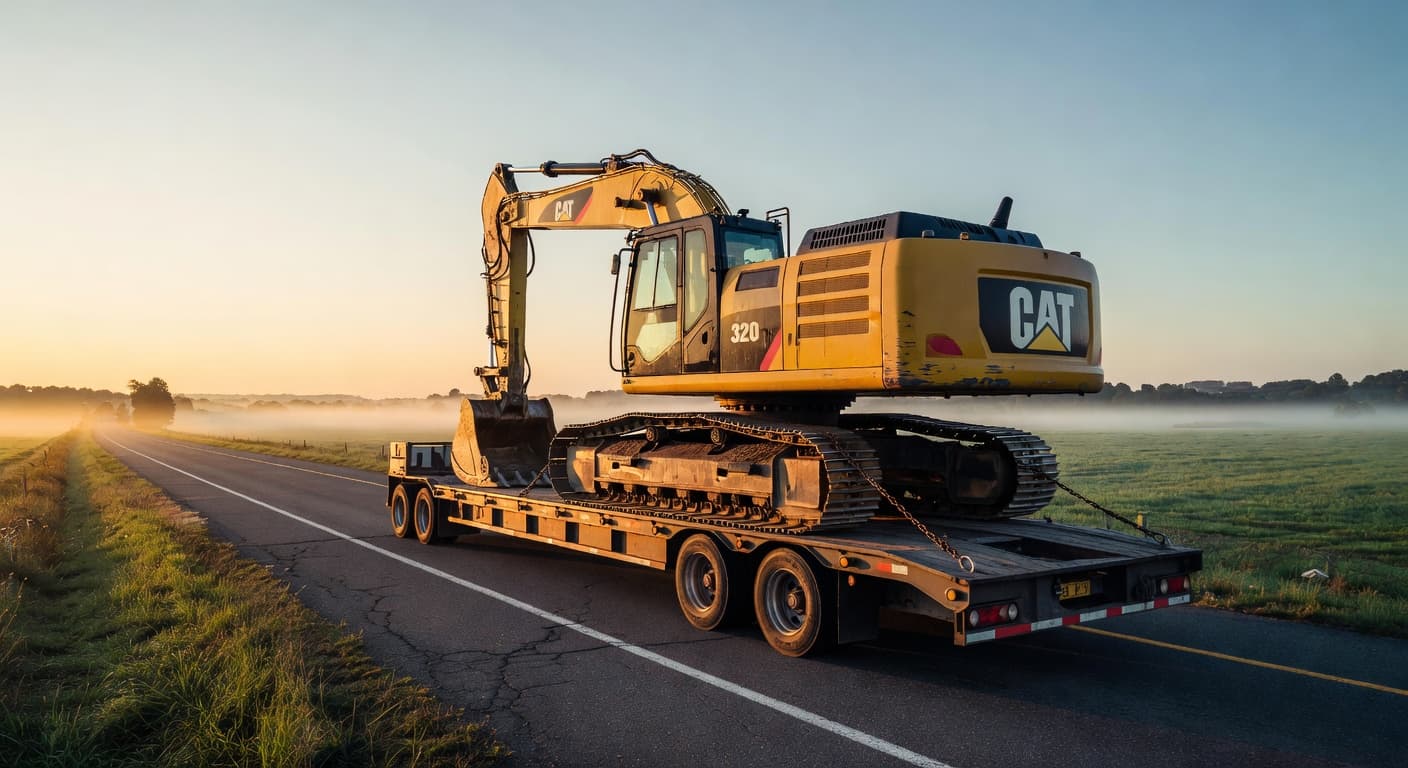
Contractors Equipment
Typically covers heavy machinery like excavators, loaders, and generators against theft or damage at job sites and between them.

Installation Floater
Can help cover materials and fixtures from the moment you buy them until they are installed and accepted at a project.
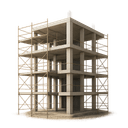
Builders Risk
May cover a structure under construction, along with materials on site, against damage from fire, wind, theft, and vandalism.
Inland Marine Insurance Cost in Augusta
Average Cost in Georgia
$25 - $110
per month
Businesses in Georgia typically see inland marine insurance premiums of $25 - $110 per month, which tends to run 13% above the national range of $20 - $100 per month.
- Total insured value of the scheduled property
- Type and age of the equipment
- Where it is stored and how far it travels
- Jobsite security and theft prevention
- Per-item limits and deductibles
- Prior theft and in-transit losses
Contact CPK Insurance for a personalized quote.
Prices shown are general estimates, not guaranteed rates or quotes. Your actual premium will depend on the insurer, coverage selected, business details, location, claims history, and other underwriting factors. Learn about our pricing methodology.
The cost in Georgia is shaped by the state's above-average pricing, storm exposure, and the specific property you move. Georgia's exposure to hurricanes, tornadoes, and severe storms can push premiums upward for businesses that move equipment through exposed areas or store property in vulnerable places. Other major pricing drivers include coverage limits, deductible choices, claims history, industry or risk profile, and policy endorsements. A contractor with expensive portable tools, a business that stages materials at multiple job sites, or a company that keeps customer property in temporary storage may see a different rate than a low-hazard operation with limited mobile assets. Because most Georgia businesses are small operations, many quotes are built around modest but frequent exposures rather than large fixed facilities.
What Makes Augusta Different
The single biggest local factor is the combination of flood exposure and property movement. With 27% of the city in a flood zone, businesses that move tools or materials cannot assume the risk ends at the warehouse door, meaning your gear may be most vulnerable when it sits on a truck or at a temporary staging area. Augusta also has a crime index of 114. Put differently, a break-in at your job site or parking lot is more likely here than in many comparable cities. Ask directly how your policy treats equipment left in vehicles, trailers, or staging areas overnight.
Our Recommendation for Augusta
Map every place your property spends time, from the office to customer locations to temporary storage, then match the policy to how your business actually moves tools and materials. Pay special attention if your routes cross flood-prone or wind-exposed zones. A useful quote addresses the specific categories relevant to your work, whether that is tools in transit, installation floaters, or builders risk. Because the city's cost of living index of 101 sits close to the national average, you can expect replacement pricing to track fairly closely with national figures. There is little reason to guess on limits when local replacement costs mirror national numbers. Look closely at how each policy handles overnight storage and property left at active sites, and if your work involves multiple stops in a day, make sure the quote reflects that frequency. Compare more than one option so you can see how different forms treat the same exposure.
Get Inland Marine Insurance in Augusta
Enter your ZIP code to compare inland marine insurance rates from carriers in Augusta, GA.
Business insurance starting at $25/mo
FAQ
Frequently Asked Questions
Service firms, retailers with mobile assets, and transportation or warehousing operations all fit this profile. If your operation moves tools or materials between job sites, customer locations, and temporary storage, you are a likely candidate.
Because 27% of Augusta is in a flood zone, property that is stored temporarily or left at a job site may face weather-related exposure away from a fixed building. That can affect how you set limits, storage practices, and deductibles.
Augusta's cost of living index of 101 and median household income of $77,777 suggest a market near the national baseline, so quotes are often shaped more by the value and movement of your property than by broad local costs.
When tools or equipment regularly stay in vehicles or trailers, bring that up when you request a quote. Policy form and storage terms determine whether your gear is protected at parking locations, job sites, or in transit.
Professional services, healthcare, retail, food service, and transportation businesses all work with movable property or items stored away from a fixed location. If your operation fits any of those sectors, it is worth checking whether your current policy follows your property where it actually goes.
It can cover business property that is mobile or in transit, including tools, equipment, materials, and goods being transported between locations. In Georgia, that is especially relevant if your property moves between Atlanta job sites, coastal projects, or temporary storage.
The policy is designed for property that is away from your fixed location, so it may respond when items are at job sites, in temporary storage, or in transit. The exact treatment of offsite storage depends on the policy form and endorsements you buy in Georgia.
Contractors, electricians, plumbers, landscapers, and other businesses that carry portable equipment across Georgia job sites are common buyers. It is also useful for firms that keep expensive items in trucks, trailers, or temporary storage.
Updated July 16, 2026





