Updated July 5, 2026

Dealer Open Lot Insurance in Columbus
A summer storm rolls across the Chattahoochee Valley after closing, water starts moving across the low side of your lot, and the next morning you are sorting out which units took on damage before a buyer ever saw them. That is the local version of why dealer open lot insurance in Columbus deserves a closer review. Here, the question is not just how many vehicles you carry. It is how your inventory sits on the property, how quickly you rotate it, and whether your storage pattern changes during busy sales periods. Columbus buyers are price aware, and the city's median household income is $56,622, so many independent dealers lean into older, value-driven inventory that can sit longer and leave more units exposed between sale cycles. That makes lot layout, drainage, perimeter controls, and reporting discipline more important than a generic limit. If you keep vehicles at more than one address, park overflow tightly, or move units around to match weekend traffic, ask for a quote review built around the way your lot actually operates.
Dealer Open Lot Insurance Risk Factors in Columbus
**Water movement** is the local issue to look at first. Columbus sits in a part of Georgia where heavy rain and wind events are part of the broader state hazard picture, so a dealer should look closely at grade, stormwater flow, and where the lowest rows of inventory sit after a hard downpour. A lot that looks manageable on a dry afternoon can collect runoff overnight, especially if you stack vehicles tightly or use edge areas for overflow. That changes how you should review deductibles, valuation method, and any conditions tied to storage locations. Theft control also matters more when units are packed close and moved frequently, because keys, temporary fencing, and camera sightlines tend to break down during busy periods. Before you bind or renew, walk the lot after rain, document every storage address, and make sure the schedule matches where vehicles are actually kept.
Georgia has a high climate risk rating. Top hazards: Hurricane (High), Tornado (High), Severe Storm (High), Flooding (Moderate). The state's expected annual loss from natural hazards is $2.4B, which influences dealer open lot insurance premiums and may affect coverage availability in high-risk areas.
What Dealer Open Lot Insurance Covers
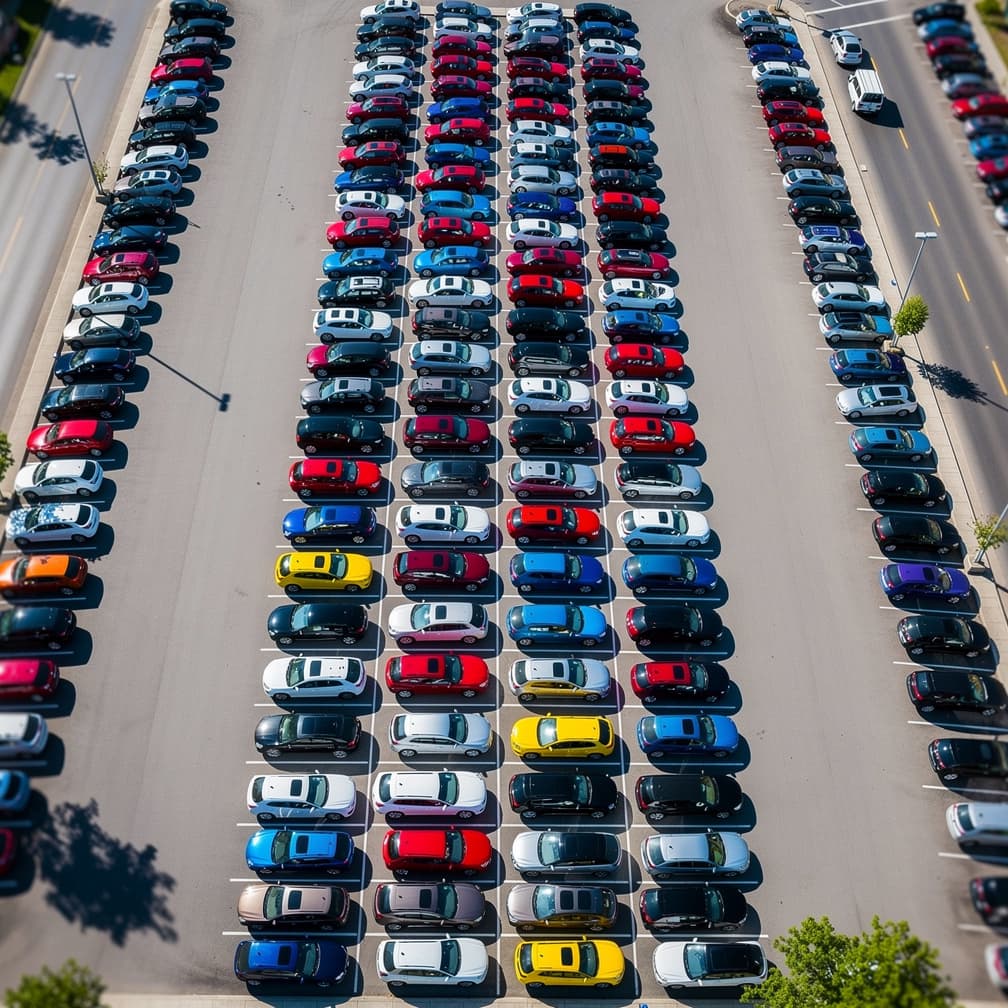
For a Georgia dealership, the useful review is not the broad national description of lot coverage. It is the way your policy language matches the places and handling patterns that create loss on your operation. If inventory sits on a paved front line during business hours, moves to a rear storage area overnight, and occasionally shifts to another address because space tightens, those facts should be reflected clearly in the submission. The goal is to avoid a policy that looks adequate until a claim turns on where a unit was parked or why it was being moved.
Weather exposure deserves a close read in Georgia because open-lot inventory can take concentrated damage from a single event. That can create a second problem if cleanup, glass replacement, or body work backs up across the region. Theft and vandalism also need practical attention. An underwriter will usually want to understand fencing, lighting, camera placement, key control, and whether certain vehicles are isolated or grouped by value. A given inventory total can produce very different claim outcomes depending on how the lot is laid out and supervised.
You should also review how the policy treats temporary storage, dealer trades, service-area parking, and any routine movement between owned or leased locations. If your operation uses overflow space during busy periods, ask for that exposure to be addressed before binding, not after a loss. In Georgia, the regulator is the Georgia Office of Insurance and Safety Fire Commissioner, which oversees carrier licensing, form approvals, and consumer complaints. That means you have a place to turn if a dispute arises over form language or claim handling, so keep copies of applications, schedules, and endorsements from the start.
Coverage Included

Weather Damage
Covers hail, wind, flood, and storm damage to lot inventory.
Theft Protection
Covers vehicles stolen from your lot.
Fire Damage
Covers fire and explosion damage to inventory vehicles.

Vandalism
Covers intentional damage to vehicles on your lot.

Test Drive Coverage
Covers vehicles during customer and employee test drives.

Transit Coverage
Covers vehicles being moved between lot locations.
Industries & Insurance Needs in Columbus
Muscogee County has 4,506 business establishments, and the leading sectors by establishment share are retail trade at 18.3%, health care and social assistance at 15%, and accommodation and food services at 11.6%. For a local dealer, that matters because these sectors create steady demand for practical transportation, shift-work commuting, and replacement vehicles bought on payment-sensitive budgets. That demand pattern can push independent lots toward fast-moving used inventory, frequent trade-ins, and occasional overflow storage when the right units come in at once. It also means your exposure can change quickly if you buy opportunistically at auction or hold extra vehicles ahead of tax refund season or holiday traffic. A quote review should account for how often inventory count changes, whether vehicles are stored off the main lot, and how quickly newly acquired units are reported.
What Affects Dealer Open Lot Rates in Columbus
Columbus households operate on a different budget than some larger Georgia markets, and the local median household income is $56,622. For a dealer, that often translates into a stronger market for used vehicles at accessible price points, which can change how long certain units stay on the lot and how mixed your inventory values become. Longer holding times can increase the number of vehicles exposed to a single weather or theft event, while a wide spread in unit values can make blanket limits less precise than they first appear. Cost review here is less about chasing a low number and more about matching the policy to turnover speed, peak inventory counts, and where higher-value units are parked. If your sales mix ranges from basic commuters to a few more expensive trucks or SUVs, ask for limit options that reflect that spread instead of assuming one flat approach fits every row.
What Makes Columbus Different
Inventory mix is the main thing that changes the calculus here. Columbus is a market where many dealers compete for buyers focused on usable, affordable transportation rather than purely discretionary purchases. That tends to produce lots with older model years, uneven vehicle values, and units that may stay parked longer while you wait for the right buyer or financing fit. Longer dwell time raises the importance of where each vehicle sits, how often staff move inventory, and whether overflow areas have the same drainage and security controls as the front line. It also increases the chance that a single storm or perimeter failure affects multiple unsold units at once. The practical takeaway is simple: review your peak count, your oldest units, and every place you store vehicles after hours. If your current policy was built around a cleaner, faster-turning inventory profile, it may need to be updated before the next weather event or theft loss tests it.
Our Recommendation for Columbus
Start with a physical lot review, not just a declarations page. Walk the property after a hard rain if you can, note the low spots, and identify which rows would take the first runoff. Then compare that map to where you usually park your highest-value units and your slowest-moving inventory. If those are the same rows, your exposure is more concentrated than it looks on paper. Next, check whether every storage address and overflow area is actually scheduled. Dealers often tighten operations on the main lot but get casual with side parcels, back rows, or temporary storage during busy buying periods. Finally, ask your agent to review limit adequacy against your real peak inventory, not an average month. If your count swings after auctions or seasonal demand, a stale limit can leave you carrying more lot exposure than you intended. Bring a current inventory list, all addresses, and photos of the property layout when you request a quote.
Get Dealer Open Lot Insurance in Columbus
Enter your ZIP code to compare dealer open lot insurance rates from carriers in Columbus, GA.
Business insurance starting at $25/mo
FAQ
Frequently Asked Questions
Columbus lot layout can affect how an underwriter views your exposure because drainage, low spots, fencing, and overflow parking all change how many vehicles could be hit by one event. Bring a site map and photos so the quote reflects the property you actually use.
Columbus dealers should disclose every address where unsold vehicles are stored. If you use overflow parking, back lots, or temporary storage, ask for those locations to be reviewed before a loss tests whether that inventory was properly contemplated.
Muscogee County has 4,506 business establishments, so local vehicle demand can shift with commuting, service work, and retail traffic. That can change your inventory count quickly, which is a good reason to review peak lot values instead of relying on a stale estimate.
Columbus has a median household income of $56,622, which can support stronger demand for value-oriented used vehicles. That often means mixed inventory values and some longer holding times, so you should review whether your limit still fits your actual lot composition.
Columbus policyholders can raise insurance complaints through the Georgia Office of Insurance and Safety Fire Commissioner. For buying decisions, the better first step is to review addresses, peak inventory, and lot conditions before binding so fewer disputes arise later.
Yes. List every address where sale inventory is regularly stored, even if a location is used as overflow space. That helps the quote reflect the real exposure and reduces the chance of a dispute over where a damaged or stolen unit was kept.
Weather can turn one event into damage across multiple vehicles, so storage layout, drainage, and concentration of higher-value units matter during underwriting. Ask how the quote treats inventory kept outdoors, moved between lots, or parked at temporary storage locations.
Oversight runs through the Georgia Office of Insurance and Safety Fire Commissioner. If you are comparing policy forms, asking a complaint question, or checking licensing information, keep that regulator in mind and retain your application and endorsements.
Sources
- 1.U.S. Census Bureau, ACS 5-Year Estimates, table B19013(Columbus median household income is $56,622, so many independent dealers lean into older, value-driven inventory that can sit longer and leave more units exposed between sale cycles.)
- 2.U.S. Census Bureau, County Business Patterns, Muscogee County(Muscogee County has 4,506 business establishments, and the leading sectors by establishment share are retail trade at 18.3%, health care and social assistance at 15%, and accommodation and food services at 11.6%.)
- 3.Georgia Office of Insurance and Safety Fire Commissioner(Columbus policyholders can raise insurance complaints through the Georgia Office of Insurance and Safety Fire Commissioner.)
Updated July 5, 2026