







































Updated July 16, 2026

Inland Marine Insurance in Columbus
Columbus operating budgets often leave less room for replacing stolen or damaged mobile equipment out of pocket. With median household income at $56,622, many local owners feel the pressure of a surprise tool, camera, or leased equipment loss more directly. That means limits and deductibles deserve a closer review before renewal. Your policy should reflect what actually leaves the shop, rides in a van, or sits at a client location during the week. If you carry a deductible that looks manageable on paper but would force you to delay payroll, rent a substitute unit, or turn down work after a loss, it is worth recalibrating. Start by listing the equipment that travels, flagging anything you could not replace quickly, then checking whether your policy values, transit terms, and temporary location language still fit how you operate now.
Inland Marine Insurance Risk Factors in Columbus
Columbus's top risk factors include Flooding, Hurricane damage, Coastal storm surge, and Wind damage.
Georgia has a high climate risk rating. Top hazards: Hurricane (High), Tornado (High), Severe Storm (High), Flooding (Moderate). The state's expected annual loss from natural hazards is $2.4B, which influences inland marine insurance premiums and may affect coverage availability in high-risk areas.
What Inland Marine Insurance Covers
In Georgia, inland marine insurance is designed for business property that moves, is installed offsite, or sits in temporary storage away from a fixed location. The core protections in this market commonly include tools and equipment, goods in transit, contractors equipment, installation floaters, and builders risk. That matters for businesses working on job sites in metro Atlanta, coastal counties exposed to hurricane conditions, or inland areas that still face severe storms and tornadoes. Georgia does not set a blanket statewide mandate for this product, so the exact requirements vary by industry, contract, and policy form. The Georgia Office of Insurance and Safety Fire Commissioner regulates the market, which means carriers and agents should align the policy with state-approved processes and the specific risk you are insuring. Your policy may apply while property is in transit, at customer locations, at temporary storage, or on a job site, but the exact triggers, exclusions, and endorsements vary by carrier. If your business stores materials in a trailer, stages equipment near a site, or installs items before project completion, the policy should be reviewed for those locations and handling conditions.
Coverage Included
Tools & Equipment
Can help repair or replace hand tools, power tools, and gear that are stolen or damaged on the job or in transit.

Goods in Transit
May cover products, materials, and merchandise while they are being shipped or hauled between locations in your care.
Contractors Equipment
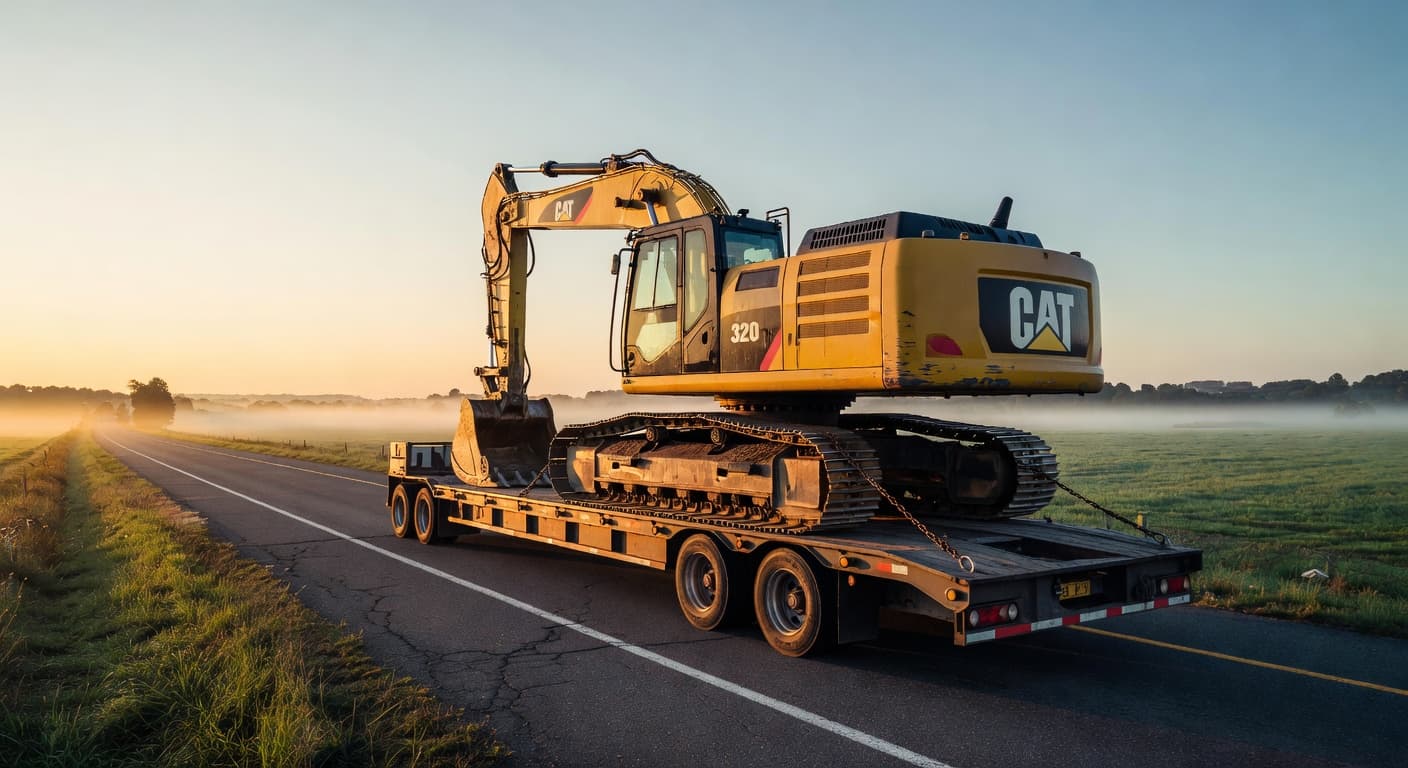
Typically covers heavy machinery like excavators, loaders, and generators against theft or damage at job sites and between them.

Installation Floater
Can help cover materials and fixtures from the moment you buy them until they are installed and accepted at a project.

Builders Risk
May cover a structure under construction, along with materials on site, against damage from fire, wind, theft, and vandalism.
Inland Marine Insurance Cost in Columbus
Average Cost in Georgia
$25 - $110
per month
Businesses in Georgia typically see inland marine insurance premiums of $25 - $110 per month, which tends to run 13% above the national range of $20 - $100 per month.
- Total insured value of the scheduled property
- Type and age of the equipment
- Where it is stored and how far it travels
- Jobsite security and theft prevention
- Per-item limits and deductibles
- Prior theft and in-transit losses
Contact CPK Insurance for a personalized quote.
Prices shown are general estimates, not guaranteed rates or quotes. Your actual premium will depend on the insurer, coverage selected, business details, location, claims history, and other underwriting factors. Learn about our pricing methodology.
The cost in Georgia is shaped by the state's above-average pricing, storm exposure, and the specific property you move. Georgia's exposure to hurricanes, tornadoes, and severe storms can push premiums upward for businesses that move equipment through exposed areas or store property in vulnerable places. Other major pricing drivers include coverage limits, deductible choices, claims history, industry or risk profile, and policy endorsements. A contractor with expensive portable tools, a business that stages materials at multiple job sites, or a company that keeps customer property in temporary storage may see a different rate than a low-hazard operation with limited mobile assets. Because most Georgia businesses are small operations, many quotes are built around modest but frequent exposures rather than large fixed facilities.
Industries & Insurance Needs in Columbus
Muscogee County has 4,506 business establishments, and the county mix leans toward retail trade at 18.3%, health care and social assistance at 15%, and accommodation and food services at 11.6%, so a lot of local insurance conversations involve property that moves outside a fixed office footprint. That matters for inland marine buying decisions because these sectors often rely on mobile point of sale hardware, diagnostic or therapy equipment, catering gear, event property, signs, and leased items that travel between locations or sit offsite temporarily. If your operation serves any of those businesses, your own exposure can expand with each delivery, setup, service call, or short term storage arrangement. The useful step is to quote coverage around the property that actually moves, not just the property listed at your main address. Ask for item scheduling where values justify it, and review whether customer property, borrowed equipment, or installation exposures should be addressed separately.
What Makes Columbus Different
Cash flow constraints shape most coverage decisions in this market. A deductible that looks minor on paper can still interrupt replacement timing, payroll, or job scheduling after a loss. The local decision is not simply whether to carry this coverage, but how to structure it so a claim is survivable without draining operating cash. A lower limit can look efficient until one theft or transit loss takes out several high-use items at once. A higher deductible can trim premium, but it only works if you can absorb it and still keep jobs moving. The practical move is separating must-have equipment from nice-to-have items, then matching limits to replacement cost. If you rent, borrow, or move specialized property for client work, ask for a quote that shows at least two deductible options so you can compare premium savings against the amount you would actually have to fund after a loss.
Our Recommendation for Columbus
Start with a moving property inventory, not your building schedule. For this market, the most useful quote request usually includes serial-numbered tools, electronics, leased items, and any property that rotates through vehicles or customer premises. If one missing item would stop revenue for several days, consider scheduling it specifically instead of relying only on a broad unscheduled approach. Review valuation carefully, because actual cash value and replacement cost can produce very different claim outcomes once depreciation enters the conversation. If you serve retail, health care, or hospitality accounts, ask whether customer property or rented equipment should be reviewed alongside your core form. Keep the conversation practical: what travels, where it sits overnight, who has custody, and how fast you would need to replace it. Then compare deductible options against the cash you could comfortably deploy this quarter, not just the premium difference on the quote.
Get Inland Marine Insurance in Columbus
Enter your ZIP code to compare inland marine insurance rates from carriers in Columbus, GA.
Business insurance starting at $25/mo
FAQ
Frequently Asked Questions
Columbus buyers usually get the clearest answer by comparing the deductible to actual cash reserves. A deductible that looks minor on paper can still interrupt replacement timing, payroll, or job scheduling after a loss.
Muscogee County does. With 4,506 establishments and strong shares in retail trade, health care and social assistance, and accommodation and food services, many operations rely on mobile equipment, leased property, or items used away from the main premises. That concentration means more local owners face exposure to offsite property loss than in markets dominated by office-based work.
Columbus quote reviews work better when you bring a current equipment list, serial numbers, replacement values, and notes on where property travels or stays overnight. That lets you test whether limits, valuation, and temporary location terms still fit your operation.
If devices, displays, therapy equipment, or service tools leave the premises regularly, ask whether they should be scheduled and whether borrowed, leased, or customer property needs separate attention.
It can cover business property that is mobile or in transit, including tools, equipment, materials, and goods being transported between locations. In Georgia, that is especially relevant if your property moves between Atlanta job sites, coastal projects, or temporary storage.
The policy is designed for property that is away from your fixed location, so it may respond when items are at job sites, in temporary storage, or in transit. The exact treatment of offsite storage depends on the policy form and endorsements you buy in Georgia.
Contractors, electricians, plumbers, landscapers, and other businesses that carry portable equipment across Georgia job sites are common buyers. It is also useful for firms that keep expensive items in trucks, trailers, or temporary storage.
Coverage limits, deductibles, claims history, location, industry risk, and endorsements all affect pricing. Georgia's above-average pricing and high storm risk can also influence what carriers quote for mobile property.
Sources
- 1.U.S. Census Bureau, ACS 5-Year Estimates, table B19013(Columbus median household income is $56,622.)
- 2.U.S. Census Bureau, County Business Patterns, Muscogee County(Muscogee County has 4,506 business establishments.; In Muscogee County, leading sectors by establishment share are retail trade 18.3%, health care and social assistance 15%, and accommodation and food services 11.6%.)
Updated July 16, 2026





