Updated July 16, 2026

Car Insurance in Macon
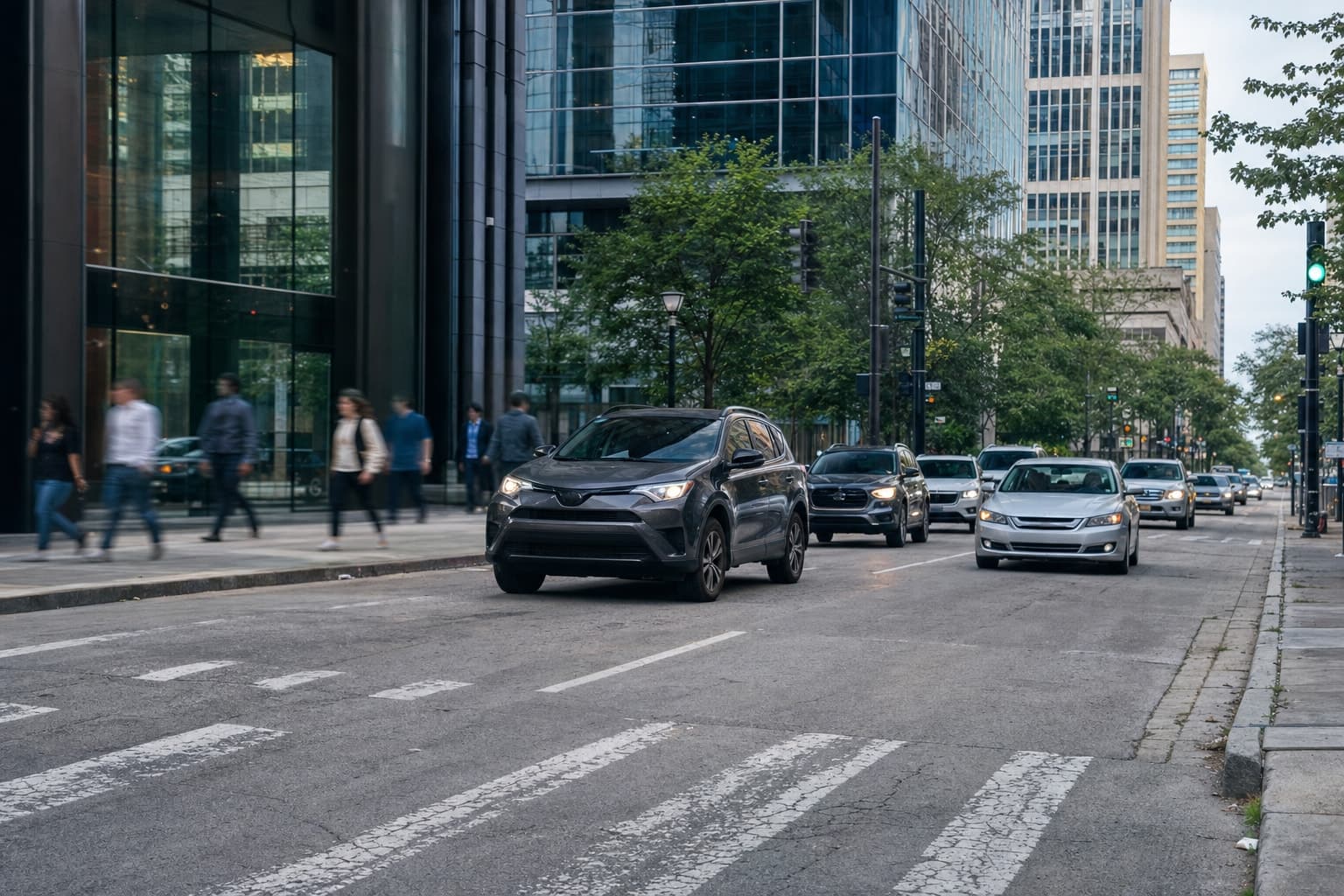
Driving in Macon is rarely just a quick neighborhood loop. Your week might include commuting across town, running errands along busy retail strips, or making repeated trips between medical offices, restaurants, and service businesses spread through the county. A proper look at your policy should start with how you actually use the vehicle: daily commuting, family driving, business errands, or long hours parked in lots. Bibb County has 4,248 business establishments, which means more cars backing out, more doors opening in tight spaces, and more chances for a low-speed bump during your daily routine. That concentration raises the odds of parking lot claims and fender damage, so it is worth asking how your deductible and rental reimbursement would hold up if one of those happened to you. If your routine includes school drop-offs, shift work, or frequent stops at shopping centers, ask for quotes that compare a few key coverage features side by side so you can see the tradeoffs clearly.
Georgia has a high climate risk rating. Top hazards: Hurricane (High), Tornado (High), Severe Storm (High), Flooding (Moderate). The state's expected annual loss from natural hazards is $2.4B, which influences car insurance premiums and may affect coverage availability in high-risk areas.
What Car Insurance Covers
Car insurance coverage in Georgia is built around the same core protections, but the way you choose them should reflect local driving and weather risk. Liability coverage is the foundation, and Georgia's minimum liability requirements are listed as split limits for bodily injury and property damage, which is a useful benchmark when you compare personal policy limits and decide whether to raise them. Collision coverage helps pay for repairs after an auto accident involving your vehicle, while comprehensive coverage is the part that matters more in Georgia than many drivers expect because severe storms, hurricanes, tornadoes, and flooding can all affect parked or moving vehicles. Uninsured motorist protection matters here because roughly one in eight drivers carries no insurance, so you may want protection if another driver has too little or no insurance. Medical payments coverage can help with medical expenses tied to a crash, and rental reimbursement coverage can matter if your car needs time in the shop after a covered loss.
A policy built for a driver in Atlanta may look different from one for someone in a smaller city or a coastal county exposed to storm activity. Because the state is regulated by the Georgia Office of Insurance and Safety Fire Commissioner, it is smart to confirm that every quoted coverage amount, deductible, and endorsement is written clearly before you bind the policy.
Coverage Included

Liability
Can help pay for injuries and property damage you cause to others in an accident, coverage most states require drivers to carry.
Collision
Can help pay to repair or replace your car after a crash with another vehicle or object, regardless of fault.

Comprehensive
Typically covers damage to your car from events other than collisions, such as theft, hail, fire, flooding, or hitting an animal.

Uninsured Motorist
May pay for your injuries and, in some states, car damage when an at-fault driver has no insurance or too little.

Medical Payments
Can help cover medical bills for you and your passengers after an accident, no matter who was at fault.
Rental Reimbursement
May pay for a rental car while your vehicle is in the shop for repairs after a covered claim.
Car Insurance Cost in Macon
Average Cost in Georgia
$110 - $250
per month
In Georgia, car insurance premiums typically run $110 - $250 per month, which tends to run 6% above the national range of $110 - $230 per month.
- Driving record and age
- Vehicle make, model, and year
- Location and commute distance
- Credit-based insurance score
- Coverage limits and deductibles
Contact CPK Insurance for a personalized quote.
Prices shown are general estimates, not guaranteed rates or quotes. Your actual premium will depend on the insurer, coverage selected, personal details, location, claims history, and other underwriting factors. Learn about our pricing methodology.
Car insurance cost in Georgia depends on coverage limits, deductibles, claims history, location, and policy endorsements. Prices in this market run above the national baseline, meaning Georgia drivers may pay more on average than drivers in many other states. In Georgia, those factors can move quickly depending on whether you drive in a dense metro area like Atlanta, commute through higher-traffic corridors, or live in a region exposed to hurricane, tornado, or severe storm risk.
Frequent crashes point to real repair and loss costs that can influence how insurers view collision and comprehensive coverage choices. Georgia's market is competitive, and that competition can create more quote variation, so it helps to request quotes from several carriers. Location is a major pricing factor here because vehicle theft and break-ins run slightly above the national average, which can influence comprehensive coverage pricing in some areas. If you want a more accurate number, ask for a personalized quote that reflects your deductible, limits, and the exact way you use your vehicle in Georgia.
Industries & Insurance Needs in Macon
Bibb County's business mix changes how many local drivers use their cars during the week. Retail trade accounts for 18.5% of establishments, health care and social assistance 15.3%, and accommodation and food services 11.3%, so many vehicles are used for shift work, short errands, customer-facing jobs, and repeated trips between stores, clinics, and restaurants. That pattern matters because frequent starts, stops, parking lot movement, and irregular work hours can affect the coverages worth reviewing, especially collision, comprehensive, rental reimbursement, and uninsured motorist protection. If you use one car for commuting, picking up supplies, and family transportation, tell the agent exactly how the vehicle is used and who drives it. A policy built around occasional pleasure driving may miss the way your car actually operates during the week.
What Affects Car Insurance Rates in Macon
Macon households often have to make coverage choices with a close eye on monthly cash flow. The city's median household income is $50,747, so a small premium difference can push drivers toward higher deductibles or lower optional coverages than they really want. That does not automatically change your rate, but it does change the buying decision: you need to test whether the premium savings are worth the out-of-pocket risk after a crash, theft claim, or windshield loss. A practical quote review here should compare more than one deductible level and show what happens if you add or remove collision, comprehensive, roadside assistance, or rental reimbursement. If one option lowers the bill now but leaves you unable to absorb a repair bill later, it may not fit your budget as well as it first appears. Ask for a quote layout that shows the tradeoff clearly before you renew.
What Makes Macon Different
The way you drive every day shapes your real claims exposure more than any single trip does. A car that moves between work, shopping, school, and appointments in the same day sees more traffic, more parking maneuvers, and more shared use than one that sits in a driveway between commutes. The concentration of retail, health care, and food service establishments reinforces that pattern, with traffic tied to shift changes, errands, and customer turnover rather than long freeway commuting. For you, the key question is not just whether you carry the state minimum but whether your policy matches frequent everyday use, where a modest crash or non-crash loss can still disrupt work and family logistics. Keep deductibles, transportation expense options, and driver listings aligned with that daily pattern.
Our Recommendation for Macon
Begin by listing every vehicle and regular driver, then think honestly about how the car gets used during a normal week. If the same vehicle handles commuting, school runs, grocery trips, and occasional work errands, ask for a quote that shows at least two deductible options for collision and comprehensive so you can weigh premium against out-of-pocket risk. If you park outside at home or leave the car in public lots for long stretches, look at comprehensive carefully instead of treating it as optional by default. If more than one household member uses the car, confirm every regular driver is disclosed and rated correctly. For financed vehicles, compare lender-required coverage with what you would still want even after the loan is paid off. If a claim would leave you scrambling for transportation, build rental reimbursement into the same quote set so you can decide with the numbers in front of you.
Get Car Insurance in Macon
Enter your ZIP code to compare car insurance rates from carriers in Macon, GA.
Car insurance starting at $59/mo
FAQ
Frequently Asked Questions
Liability limits, collision and comprehensive deductibles, and rental reimbursement tend to matter most for Macon drivers. Repeated short trips, shared household use, and parking lot exposure mean the lowest-priced quote is not always the easiest one to live with after a claim, so weigh each option against how you would actually handle a repair delay or out-of-pocket cost.
Your daily route through Macon probably involves more stops, more lot parking, and more shared use than a simple commute would. If your car moves between work, school, shopping, and appointments all week, the repeated stops and lot parking add exposure that a bare-minimum policy may not handle well. That makes collision, comprehensive, and uninsured motorist options worth comparing against your actual daily route.
Bibb County has 4,248 business establishments, so many local roads and parking areas stay active with workers, customers, and deliveries. With that many destinations generating daily traffic, low-speed collisions and lot damage become more likely than in a quieter area. It is worth checking whether your deductible and coverage limits would hold up if a parking lot incident happened tomorrow.
Macon households often need a deductible that fits real cash flow, not just a lower premium. With median household income at $50,747, a high deductible could take a meaningful bite out of monthly cash on hand. Weighing at least two deductible levels side by side helps you avoid saving a little each month only to face a repair bill you cannot comfortably absorb.
Macon drivers should describe that use clearly during the quote process. If your car handles commuting plus supply runs, client visits, or other job-related errands, the way you classify that use changes how the policy responds at claim time. Misclassifying that use could leave gaps when you need the coverage most.
In Georgia, liability coverage can help if you cause injuries or damage to others. Collision coverage may repair your vehicle after an auto accident, and comprehensive coverage can help with non-collision losses such as storm-related damage. Medical payments coverage can help with crash-related medical expenses, and rental reimbursement coverage can help if your car needs time in the shop.
Georgia's minimum liability requirements are $25,000/$50,000/$25,000, and the market is regulated by the Georgia Office of Insurance and Safety Fire Commissioner. Because requirements can vary by policy type and use, you should confirm the exact liability limits and any endorsements on your quote.
Monthly cost in Georgia depends on coverage limits, deductibles, claims history, location, and endorsements. Drivers in higher-traffic or storm-prone areas may see different pricing than drivers in lower-risk parts of the state.
Sources
- 1.U.S. Census Bureau, County Business Patterns, Bibb County(In Bibb County, there are 4,248 business establishments, so local traffic is shaped by workers, customers, deliveries, and short in-town trips that can increase the odds of low-speed collisions and parking lot claims.; Bibb County's business mix changes how many local drivers use their cars during the week. Retail trade accounts for 18.5% of establishments, health care and social assistance 15.3%, and accommodation and food services 11.3%, so many vehicles are used for shift work, short errands, customer-facing jobs, and repeated trips between stores, clinics, and restaurants.)
- 2.U.S. Census Bureau, ACS 5-Year Estimates, table B19013(The city's median household income is $50,747, so a small premium difference can push drivers toward higher deductibles or lower optional coverages than they really want.)
Updated July 16, 2026