Updated July 5, 2026

On-Hook Towing Insurance in Macon
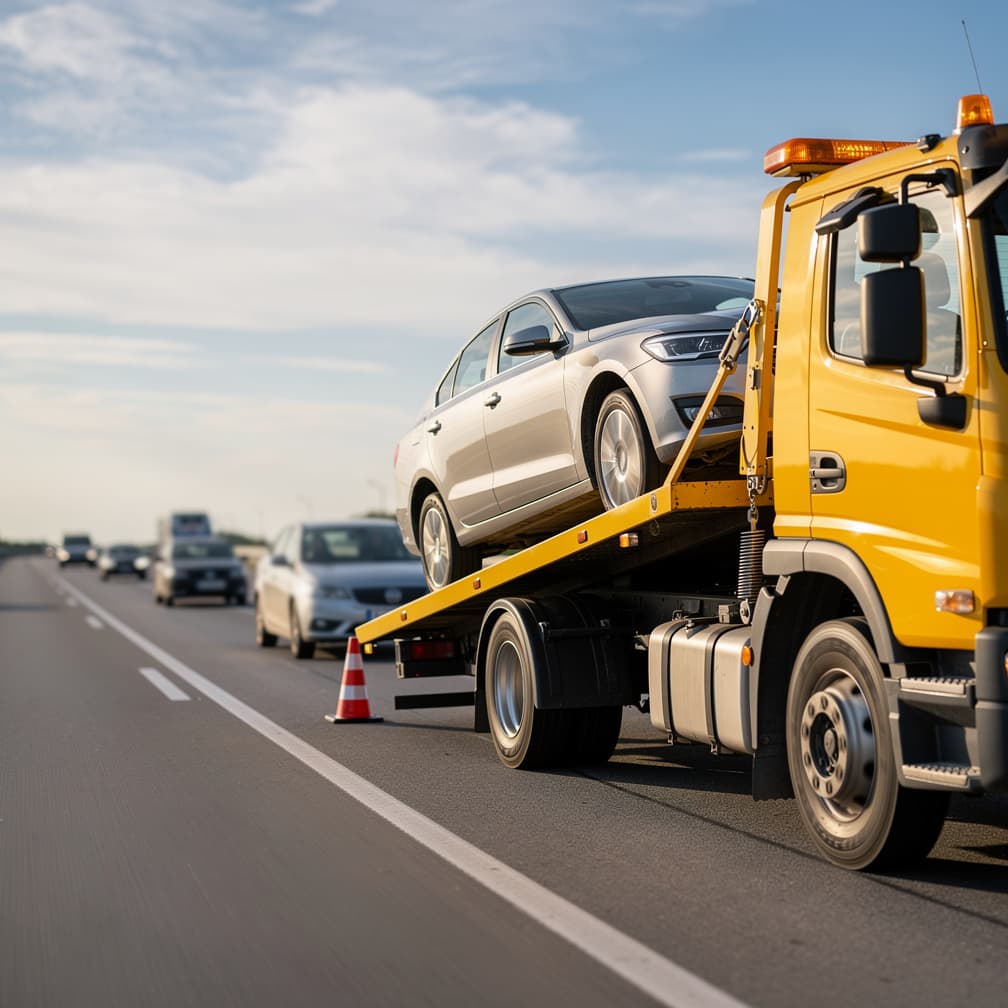
A tow business here often works out of a small yard or shared service lot, then runs short local hauls for repair shops, apartment complexes, retail parking lots, and roadside calls that can change by the hour. That operating pattern matters when you review on-hook towing insurance in Macon, because the handoff points, storage setup, and mix of customer vehicles can shift across a single day. You may pick up a disabled commuter car in one part of town, move a shop customer's SUV across town for diagnostics, then clear a private-property tow before night. Each step changes where damage can happen and which procedures an underwriter will want documented. Bibb County has 4,248 business establishments, so local towers often serve a broad mix of commercial accounts and vendor relationships rather than one narrow source of work. That makes it worth checking how your policy addresses vehicles in transit between pickup and drop-off, who is authorized to drive customer units, and whether your submission clearly separates towing from storage, recovery, or roadside service. Before you request quotes, line up your dispatch records, yard details, and the types of vehicles you move most often.
On-Hook Towing Insurance Risk Factors in Macon
Macon's top risk factors include Flooding, Hurricane damage, Coastal storm surge, and Wind damage.
Georgia has a high climate risk rating. Top hazards: Hurricane (High), Tornado (High), Severe Storm (High), Flooding (Moderate). The state's expected annual loss from natural hazards is $2.4B, which influences on-hook towing insurance premiums and may affect coverage availability in high-risk areas.
What On-Hook Towing Insurance Covers
The real exposure is not the basic definition of on-hook coverage, but the handoff moments where claims widen. A policy review should focus on who inspected the vehicle before hookup, what pre-existing damage was noted, whether photos were taken at pickup, and how the destination condition was confirmed.
You should also look closely at how your policy treats different operating patterns. A truck doing scheduled transport for repair shops or auctions presents a different claims profile than a unit dispatched to roadside breakdowns or weather-related recoveries. If your operation does more than one of those, ask for wording and limits that are reviewed against each service line rather than assuming one setup fits the whole fleet.
The practical coverage question is whether the policy structure matches your equipment and loading methods. Flatbeds, wheel-lifts, dollies, and winching setups create different damage scenarios, and those scenarios affect how a claim is investigated. You should ask how the policy responds to loading and unloading allegations, whether attached vehicles are treated consistently across your equipment types, and what documentation the carrier expects after an incident.
It also helps to review where your exposure shifts during severe weather and roadside recovery conditions. Wet shoulders, fallen limbs, and low-visibility scenes can complicate both the tow and the later claim narrative. Before renewing, compare your current form against your actual dispatch mix and ask for any endorsements in writing, not verbal assumptions.
Coverage Included
Collision on Hook
Covers damage to towed vehicles from collisions during transport.
Comprehensive on Hook
Covers theft, fire, and weather damage to vehicles being towed.
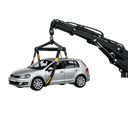
Loading & Unloading
Covers damage during the process of loading and unloading vehicles.
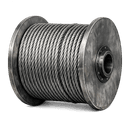
Winching Coverage
Covers damage to vehicles during winching and recovery operations.

Multiple Vehicle
Covers all vehicles on multi-car carriers and rollback flatbeds.
Industries & Insurance Needs in Macon
Bibb County's business mix changes who calls you and what you are likely to tow. Retail trade accounts for 18.5% of county establishments, health care and social assistance 15.3%, and accommodation and food services 11.3%. That matters because a tower serving shopping centers, medical offices, restaurants, and hotels may handle everything from employee vehicles and customer cars to vendor units parked where they should not be. The exposure is not just the tow itself. It is the turnover of locations, after-hours authorizations, and the need to document condition at pickup when a vehicle owner may not be present. If your book includes private-property towing or commercial account work, ask for a quote review that matches those site types instead of treating every job like a simple roadside call. A cleaner submission usually includes your main account categories, whether you tow mostly passenger vehicles, and how drivers verify authorization before hookup.
What Makes Macon Different
Account diversity is the main thing that changes the buying decision here. In a market tied to retail corridors, health care sites, restaurants, and lodging properties, a towing company may rely on several referral channels at once: repair shops, property managers, parking enforcement relationships, and roadside dispatch. That creates more variation in pickup conditions than a book built mostly around one dealer or one contract. Bibb County's 4,248 establishments support that kind of mixed workflow, so your coverage review should focus on operational consistency. Ask whether your insurer wants separate detail on private-property tows, shop-to-shop moves, and roadside work, because combining them loosely can blur the actual exposure. It also helps to confirm how you document pre-tow condition, keys, and release procedures when the vehicle owner is absent or upset. If your operation changes by shift or by account, your insurance file should show that clearly before renewal or remarketing.
Our Recommendation for Macon
Start with the jobs that create the most disagreement after a loss, not the jobs you do most often. For many local towers, that means reviewing private-property pickups, after-hours shop transfers, and any tow where the owner is not present at hookup. Build your quote request around those scenarios with plain operating detail: where vehicles are picked up, who photographs condition, where units are stored if delivery is delayed, and which drivers handle higher-value vehicles. If you also run roadside service, separate that from pure towing in your submission so the underwriter can see the difference in handling. Macon households report a median household income of $50,747, so many customer vehicles you tow may be essential daily transportation, which can make disputes more immediate when damage is alleged. That is a practical reason to tighten dispatch notes, condition photos, and release logs before you shop. If a policy form looks similar across quotes, compare the carrier questions and exclusions line by line instead of deciding on price first.
Get On-Hook Towing Insurance in Macon
Enter your ZIP code to compare on-hook towing insurance rates from carriers in Macon, GA.
Business insurance starting at $25/mo
FAQ
Frequently Asked Questions
Macon towing companies should lead with dispatch records, driver lists, yard details, and the types of jobs they actually accept. Here, mixed work for shops, property accounts, and roadside calls can look very different to an underwriter if your submission does not separate them clearly.
Macon account mix can change the review because Bibb County businesses span retail, health care, and hospitality sites. That variety means you should explain where authorizations come from, when owners are absent, and how drivers document vehicle condition before hookup.
Bibb County has 4,248 business establishments, which supports a broad base of commercial towing relationships. For a Macon operator, that usually means more site types, more handoff conditions, and a stronger need to match coverage review to actual account categories.
Macon-area towing workflows often track county sectors such as retail trade at 18.5%, health care and social assistance at 15.3%, and accommodation and food services at 11.3%. Those locations can produce frequent parking, vendor, and customer-vehicle towing situations that need clear procedures.
Macon buyers with regulatory questions in Georgia can look to the Georgia Office of Insurance and Safety Fire Commissioner. For shopping purposes, use that as a reminder to keep policy documents, endorsements, and claim handling records organized before disputes arise.
Yes. Impound claims often come down to condition, custody, and documentation during the tow, so this coverage can help protect your business when a vehicle owner disputes damage.
Insurers usually underwrite those services differently because roadside calls, recovery scenes, and after-hours dispatches can create a different damage profile than scheduled dealer moves. Ask for quotes built around each service category, not one blended description.
Insurance regulation is overseen by the Georgia Office of Insurance and Safety Fire Commissioner, so policy review and complaint pathways run through that office. Use Georgia-issued policy documents and endorsements when you compare terms, not generic marketing summaries.
Sources
- 1.U.S. Census Bureau, County Business Patterns, Bibb County(Bibb County has 4,248 business establishments.; Retail trade accounts for 18.5% of county establishments, health care and social assistance 15.3%, and accommodation and food services 11.3%.)
- 2.U.S. Census Bureau, ACS 5-Year Estimates, table B19013(Macon households report a median household income of $50,747.)
- 3.Georgia Office of Insurance and Safety Fire Commissioner(Georgia's insurance regulator is the Georgia Office of Insurance and Safety Fire Commissioner.)
Updated July 5, 2026