







































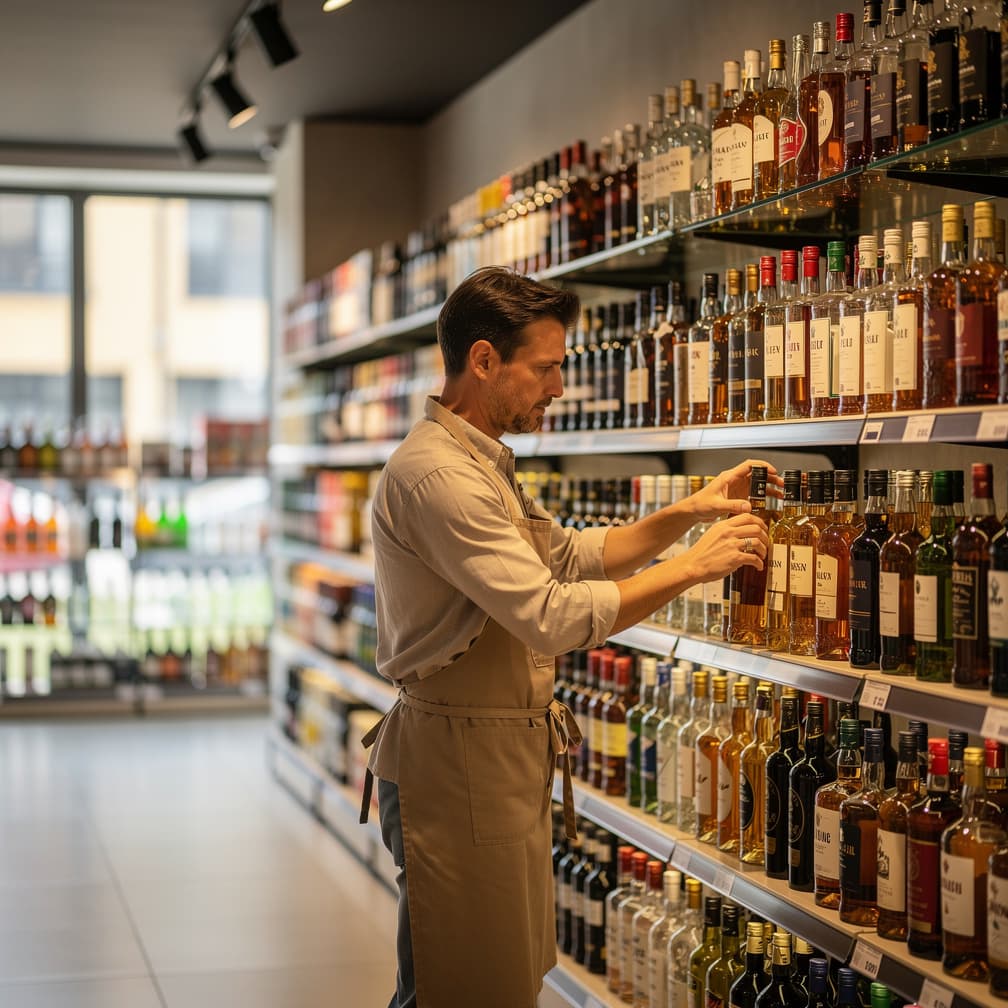

Commercial Property for a store typically runs from $65 a month at the low end, and what sits in your coolers is the reason it climbs from there. Liquor store insurance in Savannah prices the shelves, the refrigeration, the register gear, and the alcohol itself, which is what makes a small footprint expensive. Underwriters writing this class in Georgia ask what the stock is worth on an average night, and the honest answer often surprises the owner giving it. Alarms, camera coverage, and how the safe gets handled all pull on the number. So does history: two break-ins in three years reads differently than none. Take a real inventory value into the comparison, because a low quote built on a low number is a shortfall waiting for a claim.
What Makes Savannah Different
Claims history follows a store across state lines, and it costs more than any discount a small market can offer. Where competition is thin, there is less pressure on price and fewer carriers interested in a Savannah storefront. That combination means the paperwork you submit does more work for you than negotiation ever will. An accurate stock value, honest payroll, and a clean account of your controls are the whole pitch. Distance is a cost driver nobody names: a vendor who drives an hour to board a window bills the hour. Repairs run longer, closures run longer, and lost income wording matters more than the monthly figure. Rating varies across Georgia, so a number quoted for one town says little about the next one. Compare on identical limits and deductibles, or the comparison is just two numbers side by side.
Local Risk Factors in Savannah
Before the season turns, get three answers in writing: what the wind deductible is, how spoilage is treated, and when lost income begins. Wind deductibles near the coast are often a percentage of the building value rather than a flat figure, which is a very different number than owners expect. Spoiled stock after an outage may be left out unless someone added the extension, and a full cooler is a large loss. Flood sits outside a standard property form, so the water arriving with the storm is a separate purchase in Chatham County. None of this can be arranged once a system is in the forecast. Ask now, and ask what a carrier in Georgia would want to see afterward.
What Coverage Does a Liquor Store in Savannah Need?
General Liability
A shopper goes down on a wet tile by the entrance, and the store rather than the shopper answers for it. General Liability is built around customer injury and damage you do to someone else's property, and it usually funds the defense as well. Claims tied to alcohol you sold are typically excluded and belong to Liquor Liability instead.
Example: A case slips off a hand truck and lands on a customer's foot during a busy evening; general liability may respond to the medical bills and the demand letter that follows.
Commercial Property
Landlords ask about this one and lenders insist on it. Commercial Property is aimed at the building where you hold an interest in it, plus the shelving, coolers, registers, and the alcohol inventory inside. Fire, storm damage, and vandalism are common causes of loss, while flood and wear and tear generally sit outside the form.
Example: A fire in a neighboring unit smokes out your stockroom overnight and the coolers quit; commercial property could help with the repairs and the inventory that has to be written off.
Liquor Liability
General Liability will not touch a claim tied to the alcohol you sold, and that gap is the space this line fills. Liquor Liability is meant for dram shop exposure: a sale to a minor, a sale to someone already impaired, and the suit that shows up long afterward. Intentional acts and unlicensed sales usually stay outside it.
Example: A sale made near closing becomes a lawsuit months later, assembled from a receipt and camera footage; liquor liability might carry the defense costs and whatever settlement lands.
Commercial Crime
Money is the exposure here, together with the stock that leaves in a staff bag. Commercial Crime is intended for employee theft, forgery, robbery, and losses tied to cash handling, subject to what you can document. Unexplained shrink generally falls outside the form, which is why counts and camera retention earn their keep.
Example: A clerk with the safe code skims deposits for six months before the numbers stop matching; commercial crime is designed to answer for documented employee dishonesty like that.
Workers Compensation
Where General Liability deals with the customer, this line deals with the person on your payroll. Workers Compensation is meant for medical bills and lost wages after a work injury: a back strained lifting cases, a cut from broken glass, a fall in the stockroom. Requirements vary by state, and it is rated per hundred dollars of payroll.
Example: A clerk breaks a bottle while restocking a cooler in Savannah and needs stitches; workers compensation can generally take on the treatment and the shifts missed afterward.
How Much Does Liquor Store Insurance Cost in Savannah?
Liquor Store Insurance is a bundle of separate policies, priced separately. The ranges below are typical figures for Savannah for each line, except workers compensation, which is rated per $100 of payroll; a quote prices each one against your own operations.
| Coverage | Typical range | What moves your price |
|---|---|---|
| General Liability Insurance | $70 - $230 per month | Industry and risk classification, annual revenue, number of employees |
| Commercial Property Insurance | $190 - $675 per month | Building value and construction type, roof age and condition, fire protection class |
| Liquor Liability Insurance | $95 - $370 per month | Share of sales that comes from alcohol, type of venue and how late you serve, server training and service procedures |
| Commercial Crime Insurance | $25 - $85 per month | Employees who handle money or inventory, internal controls and separation of duties, funds and securities on hand |
| Workers Compensation Insurance | $0.75 - $2.74 per $100 of payroll | Employee classification codes, total annual payroll, experience modification rate |
Prices shown are general estimates, not guaranteed rates or quotes. Your actual premium will depend on the insurer, coverage selected, business details, location, claims history, and other underwriting factors. Learn about our pricing methodology.
What Are the Insurance Requirements for a Liquor Store in Savannah?
Workers' comp is generally required once you have 3 or more employees. Georgia generally requires employers to carry workers' compensation at that point. Common exemptions include sole proprietors, partners, and corporate officers. Confirm current thresholds with your state's workers' compensation agency before you hire.
Flood damage is typically excluded from standard policies. Standard commercial property and builders-risk-type policies typically exclude flood. Given Savannah's coastal flood exposure, a separate flood policy is worth pricing; FEMA's National Flood Insurance Program is the usual starting point.
Where to verify licensing and coverage rules. The Georgia Office of Insurance and Safety Fire Commissioner publishes consumer guidance and current insurance requirements for Georgia businesses. When a contract or lease demands specific wording, the Georgia Office of Insurance and Safety Fire Commissioner's guidance is the authoritative place to check.
Get Your Liquor Store Quote in Savannah
Compare rates from multiple carriers. Free quotes, no obligation.
Operating in Savannah
- Mopping a spill is a two minute job that turns into a five figure argument when nobody wrote down the time it happened.
- A distributor who fronts your first pallet can ask to be named on the policy, and the endorsement has to exist before that promise means anything.
- Storm weeks cost a Savannah store its busiest hours and none of its fixed bills, so lost income wording matters more than the damage estimate does.
- A clerk closing alone handles the cash, the door, and the last sale of the night, which is three exposures resting in one pair of hands.
How to Buy: Advice for Savannah Owners
What you do after closing changes what you pay, so bring it to the quote in writing. Cameras with real retention, a monitored alarm, a bolted safe, and a rule about how much stays in the drawer are all answers carriers ask for. Commercial Property and Commercial Crime both look at those controls from opposite directions: one at the stock, the other at the money. If your alarm was upgraded last year, say so rather than assuming it sits on file somewhere. Photographs of the storefront and the stockroom help more than adjectives do. The Georgia Office of Insurance and Safety Fire Commissioner publishes consumer guidance on loss prevention for retailers in Georgia. Present the store you actually run, then let participating carriers price it against each other.
FAQ
Liquor Store Insurance in Savannah: FAQ
Landlords ask first, usually before keys change hands. A license office can ask at application and again at renewal, and a distributor who fronts inventory may want naming on the policy. A property manager in Savannah can hold a lease renewal until a current certificate is on file. None of them read the policy behind the paper, which is why the limits stay your problem to check.
Yes, and it tends to surface months after the fact. A dram shop claim is usually built from a receipt, a register log, and whatever the camera kept. Liquor Liability is intended for that scenario, though wordings differ on training records and on what counts as a knowing sale. Your documentation is what turns a hazy memory into a defensible file.
Cost tracks payroll, revenue, the value of your stock, your limits, your deductible, and your claims history. Square footage matters less than most owners expect. A store with cameras, a monitored alarm, and three clean years prices differently from one without any of them. The published ranges on this page describe the class; your own numbers decide where a Savannah store lands inside them.
Standard property forms typically exclude flood, and that holds whether the water arrives from a swollen creek or a storm surge. Flood gets priced as its own decision, and the federal program is where most owners start reading. A burst supply line inside your own building is usually a different question with a different answer.
It asks your carrier to extend protection to the landlord for claims arising out of your operation. The certificate alone does not create it; the endorsement does, so ask to see the endorsement itself. Landlords want it because it puts your policy in front of theirs when a customer falls in a space they own. Expect a small charge and a specific form number.
Per occurrence is the most a policy may pay for a single claim. The aggregate is the ceiling across the whole policy year, however many claims arrive. A store that has already had one serious injury claim can discover the aggregate is what limits the next one. Ask for both numbers, since a certificate showing only one tells you half the story.
Sources
- 1.Georgia Office of Insurance and Safety Fire Commissioner(Georgia Office of Insurance and Safety Fire Commissioner publishes consumer guidance for insurance buyers.)
- 2.FEMA / FloodSmart(Flood coverage is typically purchased separately; FEMA administers the National Flood Insurance Program.)


