Updated July 5, 2026

Dealer Open Lot Insurance in Savannah
A lot review often starts here when you sign a lease near the core, add an overflow row before a busy selling stretch, or move inventory between a main frontage lot and a tighter secondary site. Dealer open lot insurance in Savannah gets more practical at that moment, because the question is not the policy in the abstract, it is where each unit sits after hours, how quickly inventory turns, and whether your schedule of locations still matches real operations. Local dealers often work with constrained urban parcels, visible roadside inventory, and occasional off-site storage decisions that happen faster than paperwork catches up. That makes address accuracy, lot layout, lighting, fencing, and key control worth reviewing before you ask for terms. You also want your quote request to show how vehicles are staged, whether any units sit on gravel or low areas, and who has authority to move them between locations. If your inventory plan changes with the season or with nearby events that affect traffic, say that up front so the lot exposure is evaluated the way you actually operate.
Dealer Open Lot Insurance Risk Factors in Savannah
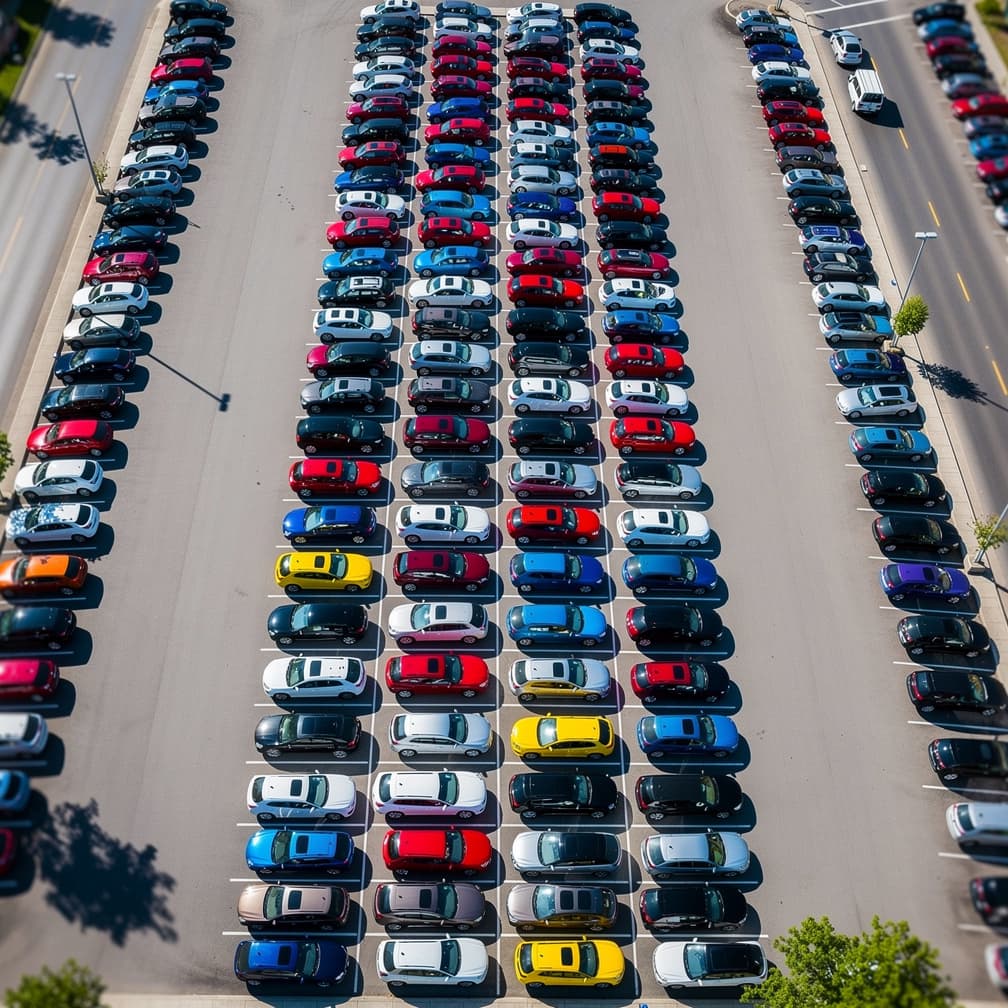
The local difference is lot configuration. Here, many dealers balance visibility with space limits, which can push part of the inventory onto secondary parcels, side rows, or temporary overflow areas. For [dealer open lot coverage](/insurance/dealer-open-lot-insurance), that matters because underwriters look closely at where vehicles are kept, how the perimeter is controlled, and whether every storage location is disclosed the same way your operation uses it day to day. Coastal Georgia hazard patterns are already part of the state conversation, but the practical local issue is how your specific parcel handles standing water, wind exposure, and after-hours access. A low corner of the lot, a weak gate line, or inconsistent camera coverage can change how a carrier views the risk. Before you request terms, walk the property like a loss control reviewer would: note drainage, lighting, fencing gaps, key storage, transporter drop areas, and any place inventory sits away from the main office sightline.
Georgia has a high climate risk rating. Top hazards: Hurricane (High), Tornado (High), Severe Storm (High), Flooding (Moderate). The state's expected annual loss from natural hazards is $2.4B, which influences dealer open lot insurance premiums and may affect coverage availability in high-risk areas.
What Dealer Open Lot Insurance Covers
For a Georgia dealership, the useful review is not the broad national description of lot coverage. It is the way your policy language matches the places and handling patterns that create loss on your operation. If inventory sits on a paved front line during business hours, moves to a rear storage area overnight, and occasionally shifts to another address because space tightens, those facts should be reflected clearly in the submission. The goal is to avoid a policy that looks adequate until a claim turns on where a unit was parked or why it was being moved.
Weather exposure deserves a close read in Georgia because open-lot inventory can take concentrated damage from a single event. That can create a second problem if cleanup, glass replacement, or body work backs up across the region. Theft and vandalism also need practical attention. An underwriter will usually want to understand fencing, lighting, camera placement, key control, and whether certain vehicles are isolated or grouped by value. A given inventory total can produce very different claim outcomes depending on how the lot is laid out and supervised.
You should also review how the policy treats temporary storage, dealer trades, service-area parking, and any routine movement between owned or leased locations. If your operation uses overflow space during busy periods, ask for that exposure to be addressed before binding, not after a loss. In Georgia, the regulator is the Georgia Office of Insurance and Safety Fire Commissioner, which oversees carrier licensing, form approvals, and consumer complaints. That means you have a place to turn if a dispute arises over form language or claim handling, so keep copies of applications, schedules, and endorsements from the start.
Coverage Included

Weather Damage
Covers hail, wind, flood, and storm damage to lot inventory.
Theft Protection
Covers vehicles stolen from your lot.

Fire Damage
Covers fire and explosion damage to inventory vehicles.

Vandalism
Covers intentional damage to vehicles on your lot.

Test Drive Coverage
Covers vehicles during customer and employee test drives.

Transit Coverage
Covers vehicles being moved between lot locations.
Industries & Insurance Needs in Savannah
Chatham County has 8,829 business establishments, and its largest establishment shares are retail trade at 15.8%, accommodation and food services at 13%, and health care and social assistance at 10.7%, so local traffic patterns and nearby commercial neighbors can affect how your lot is used and watched after hours. For a dealer, that does not create a separate insurance rule, but it does change the underwriting conversation around frontage visibility, customer parking overlap, delivery timing, and whether inventory sits beside businesses with late-night activity or heavy daytime turnover. If your lot is near a retail cluster or hospitality corridor, explain how test drives are controlled, where sold units wait for pickup, and how noncustomer foot traffic is separated from inventory. A cleaner submission usually includes a site map, photos of entry points, and a clear list of every place vehicles are stored overnight.
What Makes Savannah Different
Space discipline is what changes the calculus here. In a market where a dealer may rely on a compact primary lot and a second place to hold overflow, the biggest mistake is treating the operation like all inventory stays in one simple, fully visible row. That gap between paperwork and reality is where coverage disputes and valuation problems can start after a loss. The local issue is less about a unique city rule and more about operational sprawl inside a tight footprint. If units move between a sales frontage, a back parcel, and a temporary holding area, your submission needs to show that movement clearly. The more specific you are about addresses, maximum unit counts by location, security controls, and who can relocate vehicles, the easier it is for an underwriter to price the exposure as it actually exists. That is usually more useful than chasing a fast quote built on incomplete lot details.
Our Recommendation for Savannah
Start with a location schedule review, not just a declarations review. Confirm every parcel where vehicles sit overnight, even if it is used only during a busy stretch or while reconciling trades. Then document the controls that matter most on an open lot: fencing, gate routines, camera placement, lighting, key storage, and who checks the property after closing. If a secondary area has weaker controls than the main frontage lot, say so and ask how that affects terms instead of assuming it is automatically acceptable. You should also match your inventory reporting habits to your real turnover speed. If units arrive, move, or leave quickly, stale records can create avoidable problems during a claim review. Photos, a simple site diagram, and a written process for moving vehicles between locations can make your quote request stronger. If you are comparing options, ask each carrier how they want overflow storage described before binding anything.
Get Dealer Open Lot Insurance in Savannah
Enter your ZIP code to compare dealer open lot insurance rates from carriers in Savannah, GA.
Business insurance starting at $25/mo
FAQ
Frequently Asked Questions
Savannah dealers should disclose every place vehicles are stored overnight or held for overflow. If units move between a main lot and a secondary parcel, ask for that location to be reviewed before binding so the schedule matches actual operations.
Savannah lots with limited space usually need closer review of fencing, lighting, camera sightlines, drainage, and key control. A compact site can work well, but the quote should reflect how inventory is stacked, accessed, and monitored after hours.
Chatham County has 8,829 business establishments, so nearby retail and service activity can change traffic flow, parking pressure, and after-hours visibility around your lot. That is a good reason to document entry points, customer parking, and perimeter controls clearly.
Savannah dealers should mention neighboring uses if they affect foot traffic, delivery timing, or where sold units wait for pickup. In Chatham County, retail trade is 15.8% of establishments and accommodation and food services is 13%, which can shape lot activity around you.
Savannah's median household income is $56,782, which can influence the mix of vehicles you stock and how quickly units turn. If your inventory strategy changes toward lower or higher value units, update values and reporting practices before renewal.
Yes. List every address where sale inventory is regularly stored, even if a location is used as overflow space. That helps the quote reflect the real exposure and reduces the chance of a dispute over where a damaged or stolen unit was kept.
Weather can turn one event into damage across multiple vehicles, so storage layout, drainage, and concentration of higher-value units matter during underwriting. Ask how the quote treats inventory kept outdoors, moved between lots, or parked at temporary storage locations.
Oversight runs through the Georgia Office of Insurance and Safety Fire Commissioner. If you are comparing policy forms, asking a complaint question, or checking licensing information, keep that regulator in mind and retain your application and endorsements.
Sources
- 1.U.S. Census Bureau, County Business Patterns, Chatham County(Chatham County has 8,829 business establishments.; Chatham County's largest establishment shares are retail trade at 15.8%, accommodation and food services at 13%, and health care and social assistance at 10.7%.)
- 2.U.S. Census Bureau, ACS 5-Year Estimates, table B19013(Savannah's median household income is $56,782.)
Updated July 5, 2026