







































Updated July 16, 2026

Inland Marine Insurance in Savannah
Property managers, lenders, venue operators, and general contractors in Savannah often want proof that your tools, leased equipment, or customer property stay insured once they leave your main address. For many buyers, inland marine insurance becomes a contract-compliance issue before it becomes a claims issue. That shows up in practical requests like a certificate before load-in at an event space, evidence of scheduled equipment coverage before financed gear goes to a site, or confirmation that materials in transit are insured while crews move between downtown renovations, hospitality properties, and medical offices.
What matters is whether your policy description matches how property actually moves during the week. Chatham County has 8,829 business establishments, so you are likely to face documentation demands from landlords, project partners, and customers before any work begins. If your operation depends on mobile tools, installation materials, or property you temporarily hold for others, the right step is to build an itemized list of what travels, where it sits between stops, and whether rented or borrowed gear needs its own line.
You need clean evidence of coverage to satisfy a property manager, lender, venue, or upstream contractor before equipment is delivered or work begins. A policy that simply says business personal property may not answer the real question if your gear is in transit, at a temporary site, or being installed for a customer. Vague certificate language can stall approvals and push back your start date.
Inland Marine Insurance Risk Factors in Savannah
Savannah's top risk factors include Flooding, Hurricane damage, Coastal storm surge, and Wind damage.
Georgia has a high climate risk rating. Top hazards: Hurricane (High), Tornado (High), Severe Storm (High), Flooding (Moderate). The state's expected annual loss from natural hazards is $2.4B, which influences inland marine insurance premiums and may affect coverage availability in high-risk areas.
What Inland Marine Insurance Covers
In Georgia, inland marine insurance is designed for business property that moves, is installed offsite, or sits in temporary storage away from a fixed location. The core protections in this market commonly include tools and equipment, goods in transit, contractors equipment, installation floaters, and builders risk. That matters for businesses working on job sites in metro Atlanta, coastal counties exposed to hurricane conditions, or inland areas that still face severe storms and tornadoes. Georgia does not set a blanket statewide mandate for this product, so the exact requirements vary by industry, contract, and policy form. The Georgia Office of Insurance and Safety Fire Commissioner regulates the market, which means carriers and agents should align the policy with state-approved processes and the specific risk you are insuring. Your policy may apply while property is in transit, at customer locations, at temporary storage, or on a job site, but the exact triggers, exclusions, and endorsements vary by carrier. If your business stores materials in a trailer, stages equipment near a site, or installs items before project completion, the policy should be reviewed for those locations and handling conditions.
Coverage Included
Tools & Equipment
Can help repair or replace hand tools, power tools, and gear that are stolen or damaged on the job or in transit.

Goods in Transit
May cover products, materials, and merchandise while they are being shipped or hauled between locations in your care.
Contractors Equipment
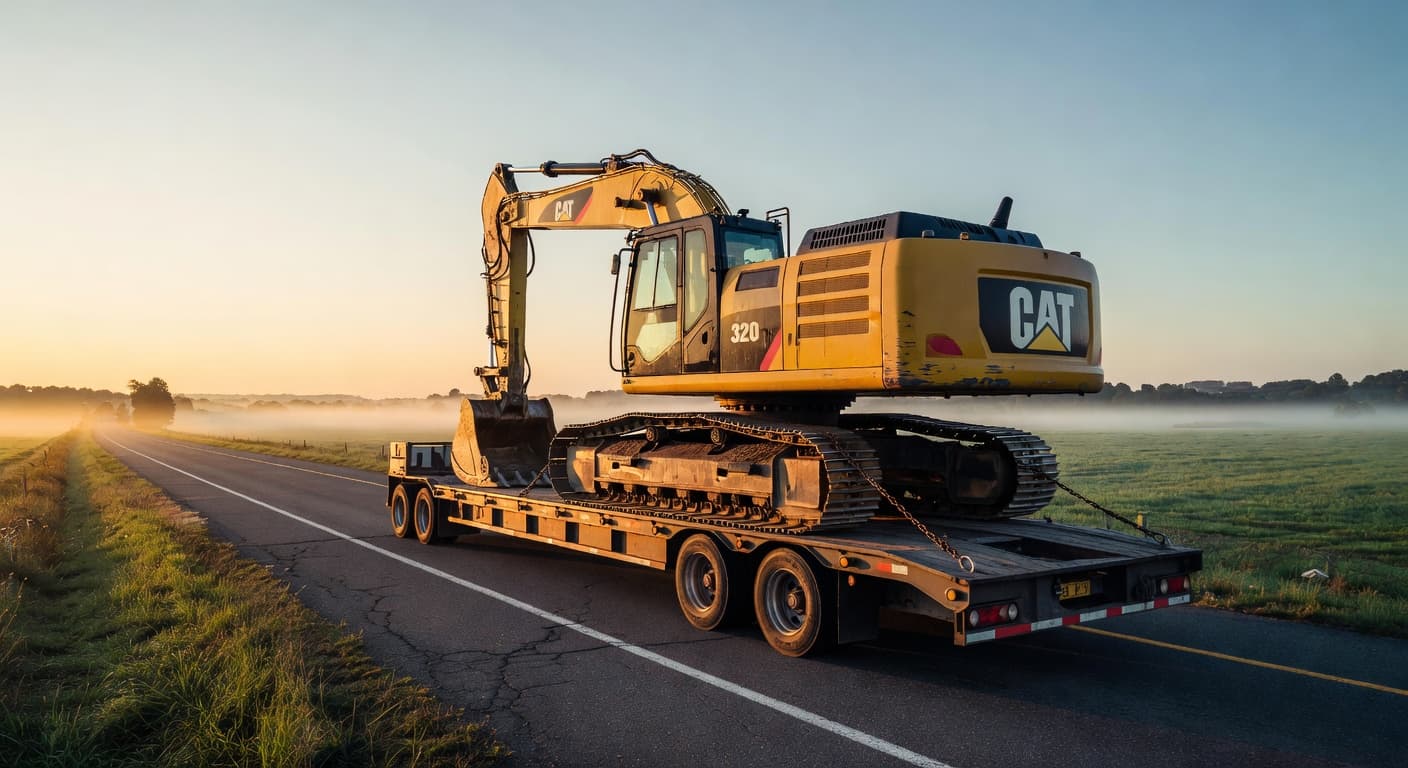
Typically covers heavy machinery like excavators, loaders, and generators against theft or damage at job sites and between them.

Installation Floater
Can help cover materials and fixtures from the moment you buy them until they are installed and accepted at a project.

Builders Risk
May cover a structure under construction, along with materials on site, against damage from fire, wind, theft, and vandalism.
Inland Marine Insurance Cost in Savannah
Average Cost in Georgia
$25 - $110
per month
Businesses in Georgia typically see inland marine insurance premiums of $25 - $110 per month, which tends to run 13% above the national range of $20 - $100 per month.
- Total insured value of the scheduled property
- Type and age of the equipment
- Where it is stored and how far it travels
- Jobsite security and theft prevention
- Per-item limits and deductibles
- Prior theft and in-transit losses
Contact CPK Insurance for a personalized quote.
Prices shown are general estimates, not guaranteed rates or quotes. Your actual premium will depend on the insurer, coverage selected, business details, location, claims history, and other underwriting factors. Learn about our pricing methodology.
The cost in Georgia is shaped by the state's above-average pricing, storm exposure, and the specific property you move. Georgia's exposure to hurricanes, tornadoes, and severe storms can push premiums upward for businesses that move equipment through exposed areas or store property in vulnerable places. Other major pricing drivers include coverage limits, deductible choices, claims history, industry or risk profile, and policy endorsements. A contractor with expensive portable tools, a business that stages materials at multiple job sites, or a company that keeps customer property in temporary storage may see a different rate than a low-hazard operation with limited mobile assets. Because most Georgia businesses are small operations, many quotes are built around modest but frequent exposures rather than large fixed facilities.
Industries & Insurance Needs in Savannah
County business mix is the useful local signal here. In Chatham County, the leading sectors by establishment share are retail trade at 15.8%, accommodation and food services at 13%, and health care and social assistance at 10.7%, so a lot of local work involves stocked goods, tenant improvements, kitchen and service equipment, point of sale hardware, and specialized devices moving between vendors, storage, and operating locations. That matters because inland marine reviews are stronger when they follow the property class, not just a generic tools-and-equipment label.
If you serve stores, restaurants, hotels, clinics, or care providers, ask your quote to separate contractor equipment from installation floaters, leased items, and customer property in your care. That makes it easier to match limits to the property you actually move and to show a lender, landlord, or project owner that the coverage was built around the job rather than copied from a standard package.
What Makes Savannah Different
If you work with local households, remember the city's median household income is $56,782. Put differently, a delayed replacement or disputed claim can strain a family's monthly budget quickly, which makes clear valuation and documentation procedures worth reviewing before a job starts. If financing is involved, confirm whether the lender wants specific items scheduled. If you move between multiple stops in a week, ask how the policy treats transit, temporary storage, and property left at a job site overnight.
Our Recommendation for Savannah
Start with the schedule, not the premium. Build a list of the property that actually leaves your main location, including tools by class, higher-value individual items, materials you install, rented or borrowed equipment, and any customer property you transport or store for short periods. Then compare that list against your contracts and certificate requests so the policy language answers the same questions your counterparties ask.
Get Inland Marine Insurance in Savannah
Enter your ZIP code to compare inland marine insurance rates from carriers in Savannah, GA.
Business insurance starting at $25/mo
FAQ
Frequently Asked Questions
Property managers, lenders, venues, and general contractors are the most common sources. They want clean certificates and clear item descriptions before equipment is delivered or work starts, so your policy language needs to speak their language.
Yes, because separate categories let you match limits to how property actually moves. That matters most when you carry installation materials, use rented equipment, or need to show a lender or project owner exactly what is insured.
Chatham County's leading sectors are retail trade at 15.8%, accommodation and food services at 13%, and health care and social assistance at 10.7%. In plain terms, your work likely involves mobile equipment, installation materials, and specialized property that a generic property form may not protect when gear is in transit or sitting at a job site.
Pull together an equipment list, values for higher-cost items, any lease or loan requirements, and examples of certificate requests you have received. The more specific your inventory, the more precisely a participating provider can match limits to your actual exposures.
Households may want to ask how a contractor insures customer property in transit or temporary custody. With the city's median household income at $56,782, a family waiting on replacement or repair may feel budget pressure quickly, so documentation and clear responsibility matter before the job begins.
Request a free quote built around your property movements, including owned tools, rented equipment, materials awaiting installation, and any customer property you pick up, transport, or hold temporarily.
It can cover business property that is mobile or in transit, including tools, equipment, materials, and goods being transported between locations. In Georgia, that is especially relevant if your property moves between Atlanta job sites, coastal projects, or temporary storage.
The policy is designed for property that is away from your fixed location, so it may respond when items are at job sites, in temporary storage, or in transit. The exact treatment of offsite storage depends on the policy form and endorsements you buy in Georgia.
Sources
- 1.U.S. Census Bureau, County Business Patterns, Chatham County(Chatham County has 8,829 business establishments, so you are often working in a market where landlords, project partners, and customers expect organized documentation before work starts.; In Chatham County, the leading sectors by establishment share are retail trade at 15.8%, accommodation and food services at 13%, and health care and social assistance at 10.7%, so a lot of local work involves stocked goods, tenant improvements, kitchen and service equipment, point of sale hardware, and specialized devices moving between vendors, storage, and operating locations.)
- 2.U.S. Census Bureau, ACS 5-Year Estimates, table B19013(If you work with local households, remember the city's median household income is $56,782.)
Updated July 16, 2026





