Updated July 16, 2026

On-Hook Towing Insurance in Hilo
Space and property values shape how a tow claim feels on your balance sheet here. With Hilo median household income at $78,713, a damaged customer vehicle can represent a meaningful asset for the owner. When a repair dispute reaches into the thousands, that income level tells you the owner likely feels the loss personally and may push back hard. Your policy is less about buying a generic limit and more about matching your typical unit mix, storage setup, and deductible tolerance. If you handle late-model pickups, family SUVs, or financed daily drivers around Downtown, Waiakea, and the routes feeding the hospital and retail corridors, a low limit can leave you arguing over out-of-pocket repairs right when you need to keep trucks moving.
A deductible that looks manageable on paper can also pinch cash flow if two incidents land close together, especially when your revenue depends on keeping every truck rolling. Build your quote around the vehicles you actually tow, how often you transfer custody, where loading happens, and whether you move units straight through or hold them briefly before release. Bring a recent job mix to the quote request, then test higher limits against a deductible you can absorb without slowing payroll, repairs, or dispatch.
On-Hook Towing Insurance Risk Factors in Hilo
Local risk here starts with weather and road conditions that can change quickly between a routine pickup and a disputed damage claim. Hawaii's broader hazard profile means you should review how your on-hook coverage responds when rain, debris, slick pavement, or unstable roadside conditions complicate loading and transport, especially if your drivers work both town calls and longer county routes in the same week. For a towing operator, that is less about naming every peril and more about tightening procedures that underwriters care about: pre-tow photos, documented vehicle condition, securement steps, winching protocols, and where a handoff occurs if conditions deteriorate. If your crew takes calls during heavy rain or after localized disruptions, ask whether your policy language, limits, and deductibles still fit the kinds of vehicles you most often move. It is also worth reviewing whether your dispatch notes and driver training create a clean record when a customer later says damage happened while the vehicle was in tow.
Hawaii has a high climate risk rating. Top hazards: Hurricane (Very High), Tsunami (High), Volcanic Activity (High), Flooding (High). The state's expected annual loss from natural hazards is $380M, which influences on-hook towing insurance premiums and may affect coverage availability in high-risk areas.
What On-Hook Towing Insurance Covers
In Hawaii, the most useful review starts with where damage allegations are most likely to arise in your actual workflow. A tow company working Waikiki garages, condo driveways, and narrow commercial access lanes can face a different claim pattern than an operator handling roadside breakdowns on open stretches or moving disabled vehicles from hotel and rental fleets. The policy review should focus on the moments where contact points, clearance, and vehicle condition are easiest to dispute after delivery.
Ask for wording to be reviewed against your loading method, your bed or wheel-lift setup, and the kinds of units you accept. If your drivers regularly handle low-clearance cars, all-wheel-drive vehicles, lifted pickups, motorcycles, or vehicles with pre-existing body damage, those details matter because claim investigations often turn on whether the tow method matched the vehicle and whether condition was documented before movement.
Hawaii conditions also make route and scene management important. Sudden rain, slick pavement, salt air exposure near the coast, and steep grades can change how a routine tow is performed and how a claim is argued later. If you do recovery work after storms or move vehicles from properties with tight turning radiuses, ask how those operations are treated and what exclusions or sublimits need attention.
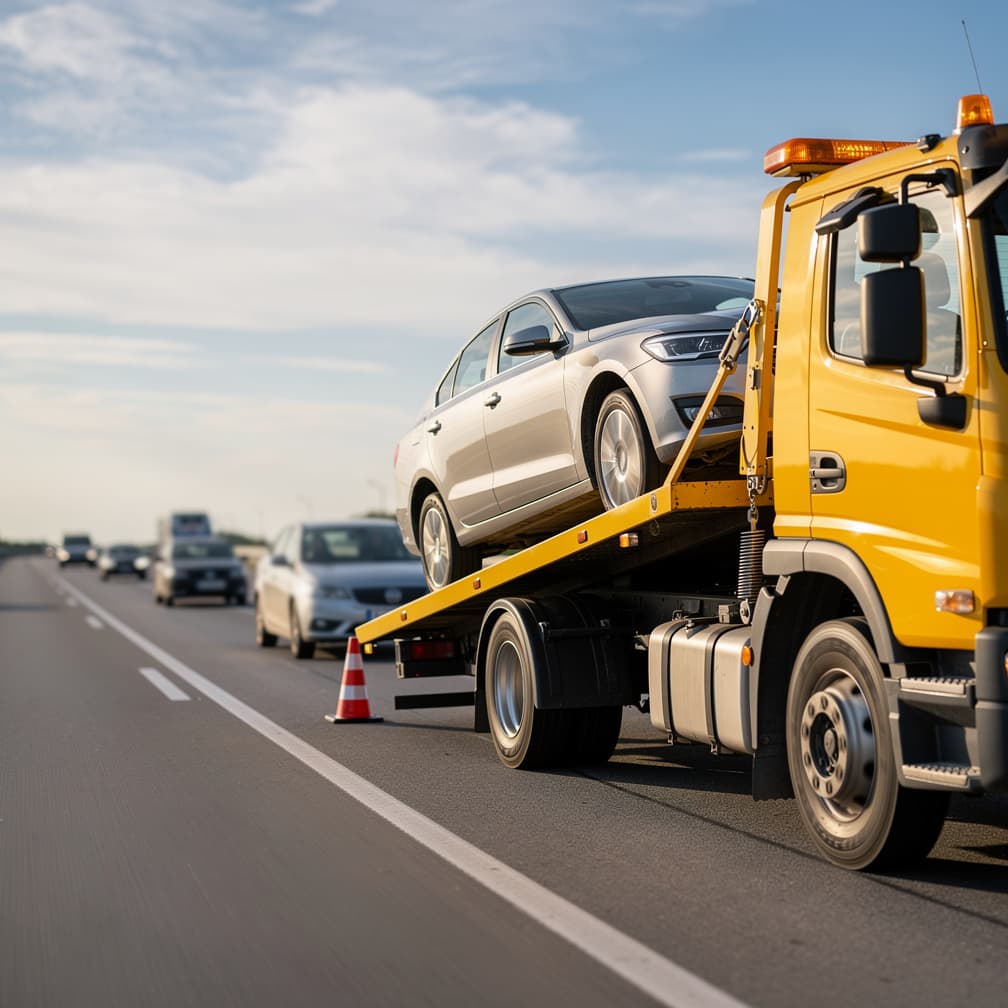
A strong quote request includes your dispatch radius, storage relationships, impound activity, after-hours calls, and whether you subcontract overflow work. That gives you a better chance to compare policy terms on the exposures that actually create on-hook losses, meaning damage to a customer vehicle while it is attached to your truck, loaded on your bed, or in your custody during transport, instead of comparing only price.
Coverage Included

Collision on Hook
Covers damage to towed vehicles from collisions during transport.

Comprehensive on Hook
Covers theft, fire, and weather damage to vehicles being towed.

Loading & Unloading
Covers damage during the process of loading and unloading vehicles.

Winching Coverage
Covers damage to vehicles during winching and recovery operations.

Multiple Vehicle
Covers all vehicles on multi-car carriers and rollback flatbeds.
Industries & Insurance Needs in Hilo
County demand is the useful signal here. Hawaii County has 4,365 business establishments, and the leading sectors by establishment share are retail trade at 14.3%, health care and social assistance at 11.5%, and accommodation and food services at 11.2%, so a local towing operation often serves customer vehicles tied to shopping trips, employee parking, patient or visitor access, and hospitality traffic rather than one narrow commercial niche. That matters for on-hook buying because the vehicle mix can be broad, the urgency of the call can be high, and the owner is often quick to notice even minor damage on a daily-use car. If your book includes retail lot removals, hospital-area recoveries, or restaurant and lodging calls, ask for limits that reflect ordinary consumer vehicles, not just older impounds. It also helps to review whether your insurer wants different underwriting detail for consensual tows, private property impounds, and short-distance relocations, because those jobs can produce different claim arguments even when the mileage is low.
What Makes Hilo Different
What changes the calculus here is how much your customers depend on their vehicles. In a market where many households rely on one primary vehicle, a damage dispute is not just a repair issue for the owner. It can become an immediate transportation and financial problem, which tends to make claims more sensitive and documentation more important. For a towing company, the on-hook decision should focus on claim severity and defensibility, not just premium.
A scraped wheel, bumper damage, or undercarriage issue on a financed daily driver can escalate quickly if the customer needs that vehicle for work, school, or medical appointments. The practical response is to build a file that shows condition before hookup, securement during transport, and condition at release. Good documentation is what keeps a disagreement from becoming a paid claim. If your current policy was quoted off a rough truck count and a broad service description, re-rate the account around actual call types, common vehicle classes, and how long units stay in your care.
Our Recommendation for Hilo
Start your review with the jobs that create the most argument, not the most mileage. Sort your recent calls into consensual tows, impounds, recoveries, and short relocations, then flag the ones that involve tighter loading areas, after-hours releases, or customers who are not present at pickup. An underwriter can price your real exposure more accurately from that detail than from a simple truck count.
Next, compare at least two deductible options against your cash reserves. A higher deductible can work if you have room to absorb a claim without delaying truck repairs or payroll. It is risky if one damaged vehicle would force you to juggle operating cash. Ask whether your quote assumptions match the vehicles you actually move most often, especially late-model personal vehicles. Finally, review your evidence trail: timestamped photos, dispatch notes, securement checklists, and release documentation. In a disputed damage claim, the right records can be the difference between a closed file and a paid loss. Bring those procedures into the quote conversation instead of treating them as an afterthought.
Get On-Hook Towing Insurance in Hilo
Enter your ZIP code to compare on-hook towing insurance rates from carriers in Hilo, HI.
Business insurance starting at $25/mo
FAQ
Frequently Asked Questions
Hilo operators should size limits around the vehicles they actually tow and the cash impact of a claim. Many customer vehicles are essential household assets, so low limits and high deductibles deserve a careful review before you bind coverage.
Impound work can change how claims are argued because the vehicle owner may not be present at pickup. That makes pre-tow photos, dispatch notes, and release documentation especially important when you review on-hook terms and deductibles.
Hawaii County has 4,365 business establishments, with retail trade, health care and social assistance, and accommodation and food services leading by share. Those sectors generate steady customer traffic and parking pressure, so your quote should reflect a broad vehicle mix.
Hilo conditions can make loading and transport harder when rain or debris affects traction and visibility. Reviewing your policy terms, deductibles, and documentation practices against the calls your drivers handle in wet weather can help you spot gaps before a claim does.
Buyers with policy or licensing questions can look to the Hawaii Insurance Division for regulatory information. When you request a quote through CPK Insurance, the practical step is to match policy terms to your actual tow types, vehicle mix, and claim documentation process.
Hotel and resort calls often mean tight access and vehicles owned by visitors who may not be present at pickup. If your trucks take custody of customer vehicles in those settings, review on-hook terms around loading, transport, and unloading before accepting those assignments.
Hawaii insurers usually look at your specific dispatch patterns and equipment. Honolulu work can mean frequent hook-ups in dense traffic and garages, while rural routes can mean longer tows, steeper grades, and fewer recovery resources nearby.
Hawaii insurance oversight sits with the Hawaii Insurance Division, which regulates insurers and handles consumer insurance matters in the state. If you are comparing policies, keep copies of forms and endorsements so you can review terms carefully before binding.
Sources
- 1.U.S. Census Bureau, ACS 5-Year Estimates, table B19013(Hilo median household income is $78,713.)
- 2.U.S. Census Bureau, County Business Patterns, Hawaii County(Hawaii County has 4,365 business establishments.; In Hawaii County, the leading sectors by establishment share are retail trade 14.3%, health care and social assistance 11.5%, and accommodation and food services 11.2%.)
- 3.Hawaii Insurance Division(Hawaii's insurance regulator is the Hawaii Insurance Division.)
Updated July 16, 2026