







































Updated July 5, 2026

Dealer Open Lot Insurance in Honolulu
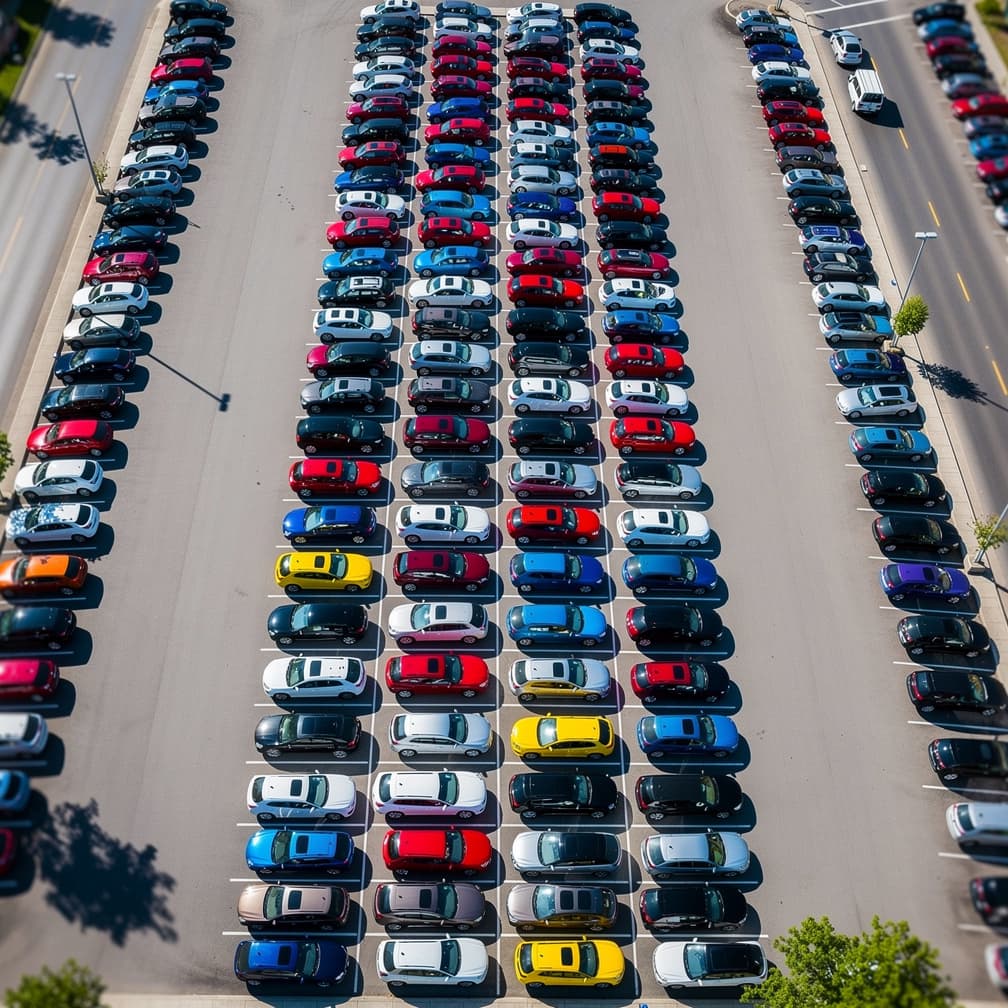
Property managers, lenders, and floorplan sources around Honolulu usually want proof that your lot coverage matches the address where sale inventory actually sits, not a vague statement that vehicles are stored somewhere on Oahu. For dealer open lot insurance in Honolulu, satisfying that request often means showing a schedule that separates your main frontage inventory from any back-lot, rooftop, or overflow storage and explains how units move between them. That matters here because a local dealer may operate on a tighter footprint, with inventory staged behind mixed-use buildings, near retail corridors, or at a second fenced site rather than on one large suburban parcel. If a landlord or lender reviews your insurance, they are looking for consistency between the policy, the storage layout, and the values at each location. Before you ask for quotes, line up the exact addresses, maximum unit counts by site, and who controls each gate, key set, and camera system. That gives the underwriter a cleaner picture and reduces the chance that a storage detail becomes a problem after a loss.
Dealer Open Lot Insurance Risk Factors in Honolulu
Honolulu's top risk factors include Flooding, Hurricane damage, Coastal storm surge, and Wind damage.
Hawaii has a high climate risk rating. Top hazards: Hurricane (Very High), Tsunami (High), Volcanic Activity (High), Flooding (High). The state's expected annual loss from natural hazards is $380M, which influences dealer open lot insurance premiums and may affect coverage availability in high-risk areas.
What Dealer Open Lot Insurance Covers
In Hawaii, the coverage review should focus less on a generic lot description and more on where inventory is exposed during a normal week. A dealership may have front line units visible from the road, overflow vehicles parked on a separate parcel, and recently acquired inventory waiting for reconditioning before it is sale ready. If you keep vehicles at more than one address, ask whether each storage point is specifically scheduled and how the policy treats temporary overflow.
That scheduling question matters most when space is tight and units rotate between the main lot, a back storage area, and a vendor location. You also want to review how the form handles vehicles while employees reposition them, take them for fueling, or shuttle them between business locations. Those are ordinary dealership movements, but they still need to fit the policy language. Hawaii operations also need a practical conversation about weather and catastrophe handling. Ask which causes of loss are included, whether any exclusions or higher deductibles apply, and what documentation you would need after a widespread event.
Coverage Included

Weather Damage
Covers hail, wind, flood, and storm damage to lot inventory.
Theft Protection
Covers vehicles stolen from your lot.

Fire Damage
Covers fire and explosion damage to inventory vehicles.

Vandalism
Covers intentional damage to vehicles on your lot.
Test Drive Coverage
Covers vehicles during customer and employee test drives.
Transit Coverage
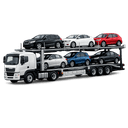
Covers vehicles being moved between lot locations.
Industries & Insurance Needs in Honolulu
Honolulu County's business base changes how a dealer should think about lot exposure because nearby commercial activity affects where inventory is parked, shown, and moved. The county has 20,964 business establishments, so vehicle inventory often sits near other occupied properties, shared access points, and customer traffic rather than in isolated auto rows. The leading sectors are retail trade at 12.8%, accommodation and food services at 12.5%, and health care and social assistance at 12.2%, so your lot may border shopping, hospitality, or service uses that increase daily movement around the property. That does not automatically change price by itself, but it does change what you should document. Ask for a quote using a site diagram, note any shared parking or delivery lanes, and explain whether sale units are ever staged where nonemployees regularly pass through. That helps the carrier evaluate the real operating environment instead of assuming a standard standalone dealership layout.
What Makes Honolulu Different
Space is the difference. Here, dealer inventory is more likely to be split across constrained urban parcels, mixed-use properties, or overflow areas that make the storage story harder to explain than it would be on a single large lot. That changes the buying calculus because dealer open lot coverage is easier to place and review when each storage point is clearly identified, valued, and controlled. A lender or landlord is not just asking whether you carry insurance. They are asking whether the policy matches the way your inventory is actually staged day to day. In a market where Honolulu median household income is $85,428, buyers may expect a polished retail experience, so dealers often keep more units presentation-ready and visible, with faster rotation between display and storage. Review how many vehicles stay at the customer-facing address versus an overflow site, whether keys are centralized, and whether temporary parking arrangements ever become routine. If they do, bring that up before binding, not after a claim.
Our Recommendation for Honolulu
Start with a location-by-location review, even if the addresses are only a short drive apart. For a local dealer, the most useful quote request usually includes the maximum total inventory value at each site, how long units stay there, and whether any location is used only during peak intake or sales periods. If your frontage lot is small, ask the agent to review whether your overflow arrangement is scheduled clearly enough for a lender or property manager to accept without follow-up. If vehicles are parked near other commercial tenants, note who is responsible for lighting, fencing, and after-hours access. If your operation uses shared pavement, valet-style movement, or stacked parking, say so plainly. You can also ask whether the policy language should be reviewed for newly acquired inventory timing and off-premises movement between listed locations. If there is any uncertainty about how a site should be described, resolve it before delivery loads increase or a seasonal sales push fills every available space.
Get Dealer Open Lot Insurance in Honolulu
Enter your ZIP code to compare dealer open lot insurance rates from carriers in Honolulu, HI.
Business insurance starting at $25/mo
FAQ
Frequently Asked Questions
Honolulu landlords usually want proof that the policy matches the exact overflow address, the vehicles stored there, and the party controlling the premises. A quote request works better when you include the site layout, security details, and the highest inventory values expected there.
Honolulu dealers can often insure split storage, but the policy review needs each address and a realistic description of how units move between them. If one site is only used during busy periods, say that up front so the underwriter can evaluate it correctly.
Honolulu County has 20,964 business establishments, so dealer inventory often sits near shared access, customer traffic, and neighboring tenants rather than on a standalone parcel. That makes a site diagram and clear control procedures more important during underwriting and after a loss.
Honolulu County's leading sectors include retail trade at 12.8%, accommodation and food services at 12.5%, and health care and social assistance at 12.2%. That mix can mean more surrounding traffic and shared parking patterns, so explain how sale units are separated and secured.
Honolulu's median household income is $85,428, which can support a more presentation-driven sales environment with visible, fast-turn inventory. Review whether your customer-facing lot carries higher values than your back-lot storage and make sure the policy reflects that concentration.
You usually should list each place sale inventory is stored, especially if vehicles rotate through overflow or offsite areas. That gives the underwriter a clearer picture of exposure and helps you confirm the policy matches how your inventory is actually handled.
The Hawaii Insurance Division regulates insurance in the state. That is why you should review forms, notices, and claim procedures with local operations in mind instead of assuming a mainland setup fits your dealership without changes.
You often can insure overflow inventory, but the safer approach is to disclose that location up front and ask how it should be scheduled. That helps avoid a mismatch between where vehicles actually sit and what the policy contemplates.
Sources
- 1.U.S. Census Bureau, County Business Patterns, Honolulu County(Honolulu County has 20,964 business establishments.; Honolulu County's leading sectors are retail trade at 12.8%, accommodation and food services at 12.5%, and health care and social assistance at 12.2%.)
- 2.U.S. Census Bureau, ACS 5-Year Estimates, table B19013(Honolulu median household income is $85,428.)
Updated July 5, 2026





