Updated July 16, 2026

Homeowners Insurance in Honolulu
When a coastal storm sends wind-driven rain through your roof, the damage is rarely limited to one room or one weekend. Homeowners insurance in Honolulu needs to be reviewed against the home you actually own, not just a generic Hawaii template. A house in Manoa, a hillside property above town, and a residence closer to the urban core can present very different repair logistics, drainage concerns, and access issues once a claim starts moving. Local housing values also raise the stakes, so a coverage review should test whether your dwelling limit, ordinance or law language, and loss of use amount still fit current rebuilding expectations and your neighborhood's price level. If you are buying, renewing, or comparing quotes here, pull your latest declarations page, note any renovations, and prepare questions about roof age, water backup, and deductible structure before you decide.
Hawaii has a high climate risk rating. Top hazards: Hurricane (Very High), Tsunami (High), Volcanic Activity (High), Flooding (High). The state's expected annual loss from natural hazards is $380M, which influences homeowners insurance premiums and may affect coverage availability in high-risk areas.
What Homeowners Insurance Covers
Homeowners insurance in Hawaii is built around the same core protections as anywhere else, but the local exclusions and endorsements matter more because of the state's hazard profile. Your policy typically includes dwelling coverage, which can help pay to repair or rebuild the structure of your home. In Hawaii, set that limit against local rebuilding costs, not just the home's market value. Personal property coverage can help protect belongings inside the home, while liability coverage applies if someone is injured on your property. Additional living expenses coverage can help if a covered loss makes your home uninhabitable and you need temporary housing while repairs are completed. Other structures coverage can apply to detached items on the property, and medical payments coverage is also included.
Hawaii-specific exclusions and options are important. Standard policies do not cover flood damage, and flood insurance is sold separately through NFIP. That separation matters because Hawaii has high flooding risk and recent disaster history that includes flash flooding and mudslides. Wind and hurricane deductibles may apply separately in coastal areas, so the deductible structure can be as important as the premium. Policy terms still vary by carrier and endorsement. If your home is in a hurricane-prone, shoreline, or higher-risk area, ask how wind-related loss is handled before you bind coverage.
Coverage Included

Dwelling
Repairs or rebuilds your home itself, the walls, roof, floors, built-in appliances, and attached structures like a garage, after a covered loss. Set this limit to the full cost of rebuilding, not market value.
Other Structures
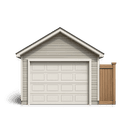
Detached structures on your property, such as a fence, shed, detached garage, or gazebo. Usually set at about 10 percent of your dwelling limit [2].

Personal Property
Your belongings, furniture, clothing, electronics, and appliances, generally written at 50 to 70 percent of your dwelling limit [2]. High-value items like jewelry and art carry special limits.

Additional Living Expenses
Also called loss of use. Pays your added living costs, hotel stays, meals, and a temporary rental, while a covered loss makes your home uninhabitable. Usually set at about 20 percent of your dwelling limit.

Liability
Covers you if someone is injured on your property, or you damage someone else's property, and you are found responsible. The standard $100,000 limit [2] is often raised to $300,000 or $500,000.

Medical Payments
Pays small medical bills, commonly $1,000 to $5,000, if a guest is hurt at your home regardless of fault, without a formal liability claim.
Homeowners Insurance Cost in Honolulu
Average Cost in Hawaii
$110 - $310
per month
In Hawaii, homeowners insurance premiums typically run $110 - $310 per month, which tends to run 17% above the national range of $110 - $250 per month.
- Home replacement cost, age, and construction type
- Roof age, material, and condition
- ZIP code and local weather risk (wind, hail, wildfire, hurricane)
- Coverage limits and endorsements
- All-peril and percentage wind/hail deductibles
- Claims history and insurance score where allowed
Typical range for many standard homeowners profiles; lower-risk homes fall below it and coastal, wildfire, or older-roof homes can run well above. Final pricing depends on property details, location, underwriting, and selected coverage.
Prices shown are general estimates, not guaranteed rates or quotes. Your actual premium will depend on the insurer, coverage selected, personal details, location, claims history, and other underwriting factors. Learn about our pricing methodology.
The cost of homeowners insurance in Hawaii is shaped by local hazard exposure and rebuilding expense more than by the national average. The broader market shows Hawaii's premium index at 126, meaning premiums run about 26% above the national benchmark. That difference reflects the state's high overall risk rating, very high hurricane hazard, high tsunami and flooding risk, and a reconstruction cost index of 148.
Several factors can move a quote up or down. Coverage limits and deductibles are major drivers, especially if you choose higher dwelling coverage or lower out-of-pocket deductibles. Claims history also matters, along with location, policy endorsements, and the home's roof age and material. Proximity to a fire station and hydrants has a moderate impact, and home security and safety features have a lower impact. Because the state has many active insurance companies, pricing can vary by carrier, but the quote still needs to reflect coastal wind exposure, rebuilding costs, and any separate wind or hurricane deductible.
If you are comparing options, look at the full policy structure, not only the monthly premium. A lower premium can come with higher deductibles or narrower coverage, while a higher premium may reflect stronger dwelling limits or added endorsements. The best comparison is the one that matches your home's location, construction, and risk profile.
What Makes Honolulu Different
The city's median household income is $85,428, while the median home value sits at $834,100. That ten-to-one ratio means a single underinsured claim could wipe out years of savings, so the math behind every coverage choice matters more here than on the mainland. A deductible or sublimit that feels manageable on paper can become much harder to absorb after a serious loss. That is why the buying decision here is less about finding a bare-bones policy and more about pressure-testing the parts of the contract that control recovery after damage. Review whether your dwelling amount still tracks the home's current characteristics, whether personal property limits fit what you actually keep on site, and whether loss of use would carry you through a realistic displacement period. Numbers set at purchase or before a remodel are the ones most likely to be out of date.
Our Recommendation for Honolulu
Start by pulling together a clear picture of the property itself, including the year built, roof age, square footage, construction type, and any updates to major systems or interior finishes. Then ask for a coverage review that compares your current declarations page against the home's present condition. If your household budget is tight relative to the value of the property, pay close attention to deductible choices and to whether loss of use would realistically support a temporary move after a covered claim. You should also ask how water-related losses are handled, what exclusions or sublimits apply, and whether detached structures or retaining features need separate attention. If you are shopping before closing, request the quote early enough to resolve underwriting questions about roof condition or prior claims before your lender timeline gets tight.
Get Homeowners Insurance in Honolulu
Enter your ZIP code to compare homeowners insurance rates from carriers in Honolulu, HI.
Home insurance starting at $50/mo
FAQ
Frequently Asked Questions
Honolulu homeowners often insure a high-value asset. A dwelling limit that has not been revisited after upgrades or market changes can leave you carrying more of a repair bill than expected.
Bring the property address, basic details like year built and square footage, renovation history, and any prior loss information. That lets you compare deductible structure, loss of use, and key limits instead of judging a policy by premium alone.
Honolulu households may want to test deductible choices against real cash reserves. The city's median household income is $85,428, so a higher deductible can lower premium but still create strain after a covered loss.
Honolulu remodeling work can change replacement needs, interior finish values, and other structures exposure. After a kitchen upgrade, addition, or major systems update, ask for a fresh review of dwelling, contents, and loss of use limits.
In Hawaii, homeowners insurance may cover the dwelling, personal property, liability, additional living expenses, other structures, and medical payments. The local difference is that you also need to check how the policy handles wind exposure and whether separate hurricane deductibles apply in coastal areas.
Monthly cost varies by coverage limits, deductibles, claims history, location, and endorsements. Because the state's premium index sits at 126, meaning premiums run about 26% above the national benchmark, comparing quotes from multiple carriers can help you find the right balance of price and protection.
Yes. Hawaii does not make homeowners insurance legally required for every owner, but mortgage lenders usually require it before and after closing. They typically want proof that the dwelling is insured for enough to protect the structure.
Yes, if you want protection from flood damage, you need a separate policy. Standard policies exclude flood damage, and flood insurance is sold separately through NFIP or private flood insurers.
Sources
- 1.U.S. Census Bureau, ACS 5-Year Estimates, table B25077(Honolulu's median home value is $834,100.)
- 2.U.S. Census Bureau, ACS 5-Year Estimates, table B19013(Honolulu's median household income is $85,428.)
Updated July 16, 2026