







































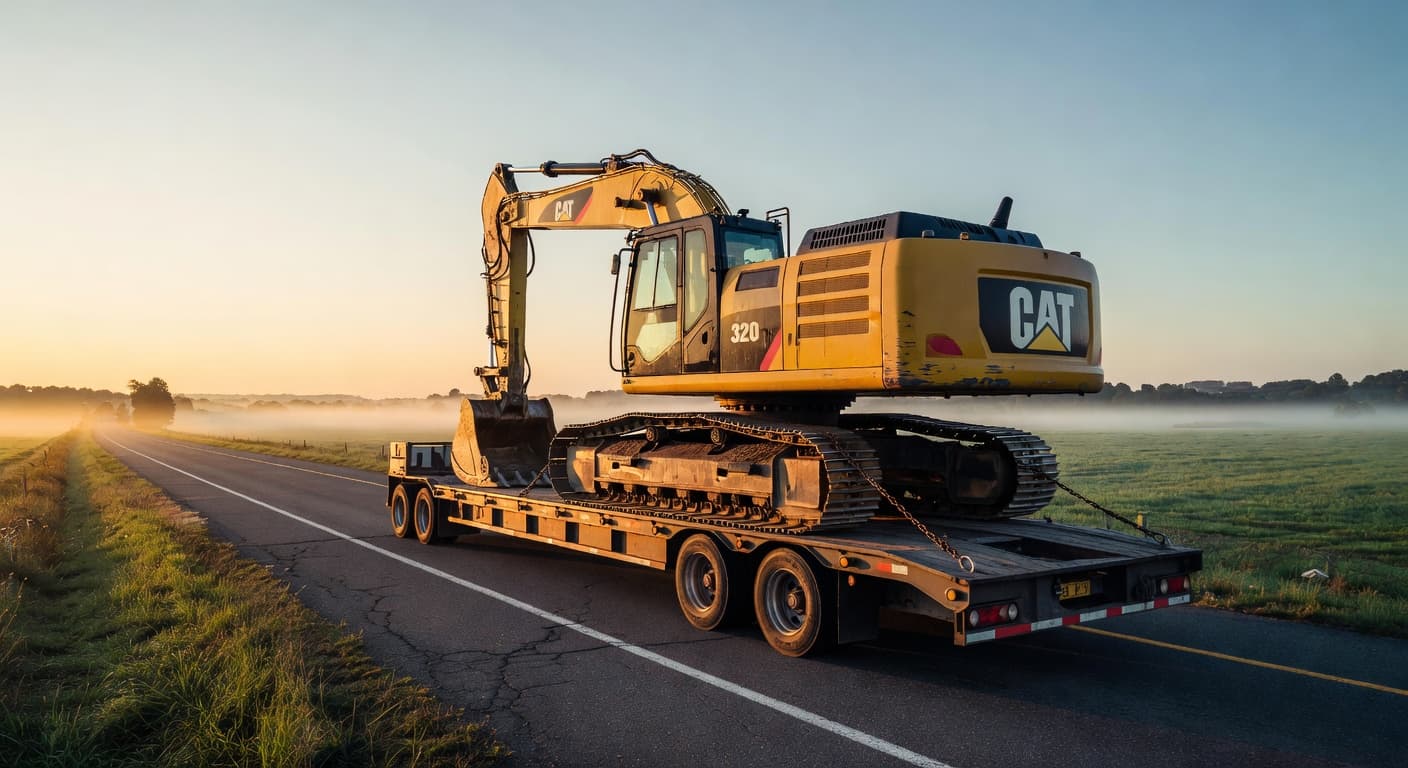
Updated July 5, 2026

Inland Marine Insurance in Honolulu
Honolulu County’s 20,964 business establishments create a dense operating environment where landlords, general contractors, venues, and commercial clients often expect clear proof that mobile property is scheduled correctly before work starts or equipment is dropped on site. For many firms, inland marine insurance in Honolulu becomes less about a generic add-on and more about documenting exactly what leaves your shop, who has custody, and where it sits between stops. That matters if your day includes restaurant equipment deliveries in Waikiki, medical devices headed to a clinic, retail inventory moving between storage and a storefront, or contractor tools staged at a mid-rise renovation in Kakaako. In a market this active, small paperwork gaps turn into claim disputes fast, especially when property rotates between vehicles, temporary storage, and customer premises. A useful quote here starts with a current equipment list, realistic values, and a clear description of how property moves during a normal week. If you use rented gear, carry customer property, or leave materials at multiple locations before installation, ask for those situations to be reviewed line by line.
Inland Marine Insurance Risk Factors in Honolulu
Local movement and temporary staging are the real exposure here. On Oahu, property often shifts through tight urban routes, shared loading areas, hotel and retail service entrances, and job sites with limited secure storage, so loss control depends on how you document custody and where items sit overnight. That is especially relevant in a state shaped by major natural hazards, because portable equipment and materials are more vulnerable while in transit or waiting for installation than when locked inside a permanent premises. For this market, the practical review is simple: identify which items travel daily, which stay in vehicles, which are left at customer locations, and which are borrowed, rented, or held for others. Then **match those facts to the form you request**. If your operation relies on tools, installation materials, electronics, or specialized equipment that move between stops, ask whether unnamed limits are enough or whether key items should be scheduled individually.
Hawaii has a high climate risk rating. Top hazards: Hurricane (Very High), Tsunami (High), Volcanic Activity (High), Flooding (High). The state's expected annual loss from natural hazards is $380M, which influences inland marine insurance premiums and may affect coverage availability in high-risk areas.
What Inland Marine Insurance Covers
In Hawaii, this coverage may help protect property that moves, sits at job sites, or is stored away from your primary location, which is especially relevant for businesses working across islands or in coastal areas. Typical protected property includes tools, contractors equipment, building materials, goods in transit, installation materials, and other mobile business property, subject to the policy terms you buy. Unlike commercial property insurance, your policy can travel with the property rather than staying tied to one building. A contractor moving equipment to a Maui job site may need contractors equipment coverage, while a business installing fixtures may need an installation floater. A company shipping materials between islands may focus on goods in transit protection. Because the state has elevated exposure to hurricanes and other natural events, policy terms, endorsements, and storage conditions can matter more here than in lower-risk states. Details can also vary for temporary storage, loading and unloading, and property left at customer locations, so the policy wording should match the way your business actually operates.
Coverage Included
Tools & Equipment
Can help repair or replace hand tools, power tools, and gear that are stolen or damaged on the job or in transit.

Goods in Transit
May cover products, materials, and merchandise while they are being shipped or hauled between locations in your care.
Contractors Equipment
Typically covers heavy machinery like excavators, loaders, and generators against theft or damage at job sites and between them.

Installation Floater
Can help cover materials and fixtures from the moment you buy them until they are installed and accepted at a project.

Builders Risk
May cover a structure under construction, along with materials on site, against damage from fire, wind, theft, and vandalism.
Inland Marine Insurance Cost in Honolulu
Average Cost in Hawaii
$25 - $130
per month
Businesses in Hawaii typically see inland marine insurance premiums of $25 - $130 per month, which tends to run 29% above the national range of $20 - $100 per month.
- Total insured value of the scheduled property
- Type and age of the equipment
- Where it is stored and how far it travels
- Jobsite security and theft prevention
- Per-item limits and deductibles
- Prior theft and in-transit losses
Contact CPK Insurance for a personalized quote.
Prices shown are general estimates, not guaranteed rates or quotes. Your actual premium will depend on the insurer, coverage selected, business details, location, claims history, and other underwriting factors. Learn about our pricing methodology.
Pricing for this coverage in Hawaii starts at roughly $25 to $130 per month, though actual rates vary by carrier, limits, and the property you insure. A business insuring basic hand tools may pay less than a contractor with higher-value machinery, because coverage limits and deductible choices are major pricing factors. Claims history, location, industry risk profile, and policy endorsements also affect price, and those factors can matter more in Hawaii because carriers are evaluating island geography, coastal exposure, and storage conditions. Because many active insurance companies compete for business in the state, shopping across several carriers gives you a real chance to find one that prices your specific risk more favorably. If you are requesting a quote, the most price-sensitive choices are usually the value of the property, how often it moves between islands or job sites, and whether you add endorsements for installation floater or builders risk coverage.
Industries & Insurance Needs in Honolulu
The county mix changes who should look closely at this coverage. Retail trade accounts for 12.8% of establishments, accommodation and food services 12.5%, and health care and social assistance 12.2%, so a large share of local businesses depend on property that is delivered, installed, serviced, demonstrated, or temporarily stored away from a main location. That creates inland marine exposure beyond construction. A restaurant supplier may move refrigeration components and small equipment between storage and client sites. A retailer may shift higher-value inventory for pop-ups, repairs, or off-site events. A health care vendor may transport devices, diagnostic equipment, or customer property that needs clear valuation and custody records. If your business touches portable property in any of those ways, your quote should describe the property class, where it travels, who handles it, and whether you ever hold property that belongs to someone else. That is usually where a basic property policy stops being enough.
What Makes Honolulu Different
Density is what changes the calculus here. In a spread-out market, you may have one yard, one route, and one predictable handoff. Around Honolulu, property often moves through more handoffs in less time: supplier to van, van to loading dock, dock to temporary storage, then into a tenant space or customer suite. Each transfer creates a question a claim file will ask later, namely who had the item, where it was supposed to be, and whether it was specifically described on the policy. That means more shared buildings, more vendor access rules, and more jobs where your property sits on someone else’s premises before use. Documentation becomes more important than many buyers expect. If your operation depends on mobile tools, installation materials, leased equipment, or customer property, build your quote around movement patterns and custody changes, not just total property value. That is usually the difference between a policy that reads well and one that responds the way you expect.
Our Recommendation for Honolulu
Start with a property schedule that matches your actual week, not your year-end asset list. If certain tools, devices, or materials leave the premises constantly, separate them from items that rarely move and review whether they should be scheduled individually. Next, map your custody chain. Note when property is in your vehicle, at a job site, in temporary storage, or left with a subcontractor or customer before installation. That detail matters more in a dense service market where handoffs happen quickly. If you serve hotels, retailers, clinics, or tenant improvement projects, ask whether customer property, rented equipment, and installation exposures should be reviewed together instead of as isolated add-ons. Keep serial numbers, photos, and replacement values current, and update the list when you buy or retire equipment. If you want a cleaner quote comparison, send the same inventory and movement summary to each option so you can compare terms, sublimits, and exclusions on the same facts.
Get Inland Marine Insurance in Honolulu
Enter your ZIP code to compare inland marine insurance rates from carriers in Honolulu, HI.
Business insurance starting at $25/mo
FAQ
Frequently Asked Questions
Honolulu businesses that move tools, equipment, materials, or customer property between sites are the clearest fit. In a county with a dense business base, clients and landlords often expect organized proof of what property travels and how it is insured.
Honolulu retail and restaurant vendors often need it too. County industry mix includes retail trade at 12.8% and accommodation and food services at 12.5%, so off-site deliveries, installations, and temporary storage are common parts of normal operations.
Honolulu health care suppliers often review inland marine for devices and equipment that travel to clinics or customer locations. Health care and social assistance makes up 12.2% of county establishments, so portable professional equipment is a real local exposure.
Honolulu buyers should prepare an equipment list with values, serial numbers, where items travel, and whether you carry customer property or rented gear. In a dense local market, that information helps you compare terms based on actual movement and custody.
Honolulu businesses can look to the Hawaii Insurance Division for state insurance oversight information. For buying decisions, the more useful step is still reviewing your inventory, transit pattern, and temporary storage exposures before you request quotes.
It can cover mobile business property such as tools, equipment, materials, and goods in transit when they are away from a fixed location, but the exact scope depends on the policy and carrier. In Hawaii, that matters for inter-island work, temporary storage, and job sites where property may not stay at one address.
If your tools and equipment are regularly mobile or stored away from your main location, contractors equipment coverage may be the right part of an inland marine policy to review. The key is whether the policy wording matches how often the property is in transit or at offsite locations.
Goods in transit coverage may help cover property that is being transported over land or moved between locations, which can be important when materials travel from a warehouse to a customer site or between islands. The carrier may usually want details about how the goods are packed, moved, and stored.
Sources
- 1.U.S. Census Bureau, County Business Patterns, Honolulu County(Honolulu County’s 20,964 business establishments create a dense operating environment where landlords, general contractors, venues, and commercial clients often expect clear proof that mobile property is scheduled correctly before work starts or equipment is dropped on site.; Retail trade accounts for 12.8% of establishments, accommodation and food services 12.5%, and health care and social assistance 12.2%, so a large share of local businesses depend on property that is delivered, installed, serviced, demonstrated, or temporarily stored away from a main location.)
- 2.Hawaii Insurance Division(Honolulu businesses can look to the Hawaii Insurance Division for state insurance oversight information.)
Updated July 5, 2026





