Updated July 16, 2026

On-Hook Towing Insurance in Honolulu
Fewer carriers may want towing risks with frequent urban hook-ups, and property managers, repair facilities, and fleet accounts often want clean proof of coverage before they release a vehicle. On-hook towing insurance in Honolulu is less about chasing a generic form and more about presenting a clear operating story. You need to show your pickup locations, towing equipment, release authorization process, and driver documentation practices in a way that reads like a cohesive operation rather than a checklist. That means having your lot procedures, vehicle restrictions, and photo process organized and ready to discuss before you ever request terms.
Many calls here happen in parking decks, condo lots, hotel loading areas, and curbside spaces where bystanders, cameras, and tight clearances raise the stakes after a damage allegation. If your work mixes lot removals, roadside recoveries, and shop-to-shop moves, ask for terms that match those handoffs. Before you request terms, line up your tow tickets, photo process, storage handoff steps, and any subcontracted work. The goal is demonstrating how you control a claim from hook-up to drop-off.
Density is what drives claim frequency in this city. You may complete more short tows with more handoffs, more witnesses, and more property-specific rules than an operator serving longer intercity routes. That shifts the buying decision away from broad assumptions and toward claim defensibility. Your dispatch notes, timestamped photos, signed authorizations, lot signage records, and release logs matter just as much as the policy itself. Honolulu median household income is $85,428, meaning a customer's daily driver is likely a larger loan balance and a bigger repair bill than you would see in lower-income markets. When loan balances run higher, even minor damage allegations can become serious disputes if the customer expects a quick repair, rental, or reimbursement response.
Review your limits, deductibles, and any exclusions against the kinds of vehicles and locations you actually handle most often. Pairing a quote request with a realistic discussion of your documentation standards and the properties that generate your calls gives underwriters the context they need to price your risk accurately.
On-Hook Towing Insurance Risk Factors in Honolulu
Honolulu's local risk is concentration. A damaged vehicle claim here can turn on how your operator handles a short, crowded move rather than a long highway tow. Tight ramps, valet lanes, underground garages, and narrow service areas increase the chance of contact with low overhangs, curbs, gates, or adjacent vehicles during loading and unloading. That makes documentation discipline more important than broad promises. You should review whether your process captures pre-tow photos, wheel and body condition, authorization source, destination changes, and the exact point where custody transfers back to an owner, lot manager, or repair shop. If you run wheel-lift and flatbed units for different call types, separate those operations in your submission so the carrier can evaluate the exposure accurately. It is also worth checking whether your policy terms fit after-hours releases and impound work, because disputes often start with who had the keys, who approved the tow, and when damage was first noticed.
Hawaii has a high climate risk rating. Top hazards: Hurricane (Very High), Tsunami (High), Volcanic Activity (High), Flooding (High). The state's expected annual loss from natural hazards is $380M, which influences on-hook towing insurance premiums and may affect coverage availability in high-risk areas.
What On-Hook Towing Insurance Covers
In Hawaii, the most useful review starts with where damage allegations are most likely to arise in your actual workflow. A tow company working Waikiki garages, condo driveways, and narrow commercial access lanes can face a different claim pattern than an operator handling roadside breakdowns on open stretches or moving disabled vehicles from hotel and rental fleets. The policy review should focus on the moments where contact points, clearance, and vehicle condition are easiest to dispute after delivery.
Ask for wording to be reviewed against your loading method, your bed or wheel-lift setup, and the kinds of units you accept. If your drivers regularly handle low-clearance cars, all-wheel-drive vehicles, lifted pickups, motorcycles, or vehicles with pre-existing body damage, those details matter because claim investigations often turn on whether the tow method matched the vehicle and whether condition was documented before movement.
Hawaii conditions also make route and scene management important. Sudden rain, slick pavement, salt air exposure near the coast, and steep grades can change how a routine tow is performed and how a claim is argued later. If you do recovery work after storms or move vehicles from properties with tight turning radiuses, ask how those operations are treated and what exclusions or sublimits need attention.
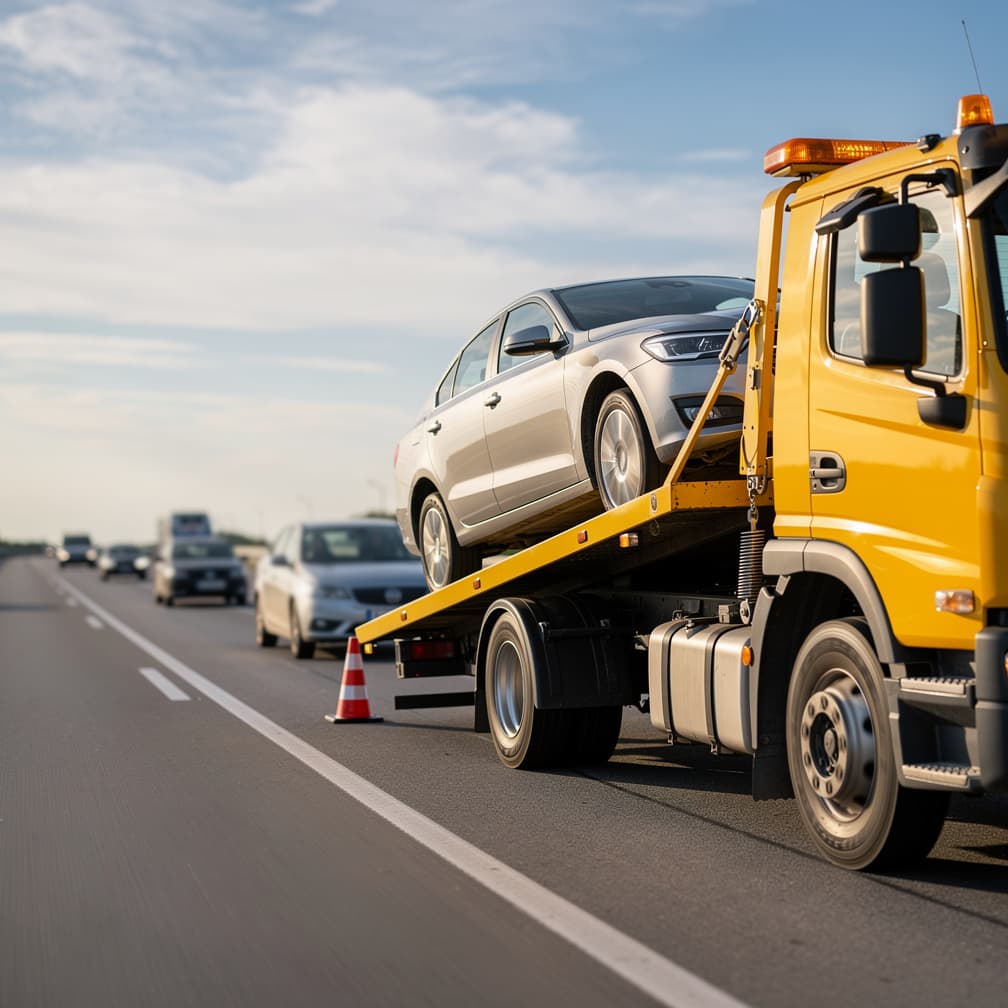
A strong quote request includes your dispatch radius, storage relationships, impound activity, after-hours calls, and whether you subcontract overflow work. That gives you a better chance to compare policy terms on the exposures that actually create on-hook losses, meaning damage to a customer vehicle while it is attached to your truck, loaded on your bed, or in your custody during transport, instead of comparing only price.
Coverage Included

Collision on Hook
Covers damage to towed vehicles from collisions during transport.

Comprehensive on Hook
Covers theft, fire, and weather damage to vehicles being towed.
Loading & Unloading
Covers damage during the process of loading and unloading vehicles.

Winching Coverage
Covers damage to vehicles during winching and recovery operations.

Multiple Vehicle
Covers all vehicles on multi-car carriers and rollback flatbeds.
Industries & Insurance Needs in Honolulu
County business mix changes who sends you work and what that means for on-hook exposure. Honolulu County has 20,964 business establishments, and the largest establishment shares are retail trade at 12.8%, accommodation and food services at 12.5%, and health care and social assistance at 12.2%, so a local towing company often deals with commercial parking lots, guest vehicle issues, employee parking disputes, delivery areas, and time-sensitive vehicle removals tied to customer-facing properties. That matters because these clients usually expect fast certificates, clear incident documentation, and consistent release procedures before they refer repeat work. If your book includes retail centers, hotels, restaurants, clinics, or care facilities, ask for a quote built around those premises exposures instead of describing your operation only as general roadside towing. Your application should spell out private property impounds, after-hours calls, and any contracted lot enforcement, because the setting of the tow often shapes how a damage claim is argued later.
What Makes Honolulu Different
Density is what drives claim frequency in this city. You may complete more short tows with more handoffs, more witnesses, and more property-specific rules than an operator serving longer intercity routes. That shifts the buying decision away from broad assumptions and toward claim defensibility. Your dispatch notes, timestamped photos, signed authorizations, lot signage records, and release logs matter just as much as the policy itself. Honolulu median household income is $85,428, meaning a customer's daily driver is likely a larger loan balance and a bigger repair bill than you would see in lower-income markets. When loan balances run higher, even minor damage allegations can become serious disputes if the customer expects a quick repair, rental, or reimbursement response.
Our Recommendation for Honolulu
Start your review with your dispatch mix, not just your truck list. Break out your lot removals, roadside calls, accident tows, dealer transfers, and contract work for commercial properties so each category can be matched to how damage is most likely to be alleged. Whether during hook-up, while maneuvering in a structure, during transport, or at drop-off, the exposure differs by job type. If you use multiple drivers, ask whether the underwriter wants driver schedules, MVR review practices, or written loading procedures. Explaining these distinctions clearly can help show why one operation presents a better risk than another.
Keep your quote request tight and specific. Include your unit types, typical vehicle classes, service radius, storage arrangements, and photo protocol before and after loading as part of a single coherent narrative rather than a bare list. If a client or property manager asks for proof quickly, have sample certificates and contact information ready. You do not want to delay a release or lose an account while paperwork catches up. The right fit is coverage and process working together for how you actually tow here.
Get On-Hook Towing Insurance in Honolulu
Enter your ZIP code to compare on-hook towing insurance rates from carriers in Honolulu, HI.
Business insurance starting at $25/mo
FAQ
Frequently Asked Questions
Risks here often involve tight commercial properties, short moves, and multiple handoffs. The questions target where damage could be alleged and how you document condition, authorization, and release at each step.
Honolulu County has 20,964 establishments, with retail trade, accommodation and food services, and health care among the largest sectors. That concentration of customer-facing businesses means your referrals likely come from properties that expect fast certificates and clear incident records.
Operators should usually separate impounds from roadside work in the application. The authorization chain, property rules, and dispute pattern can differ, which helps an underwriter evaluate the exposure more accurately.
When a customer earns more, they are more likely to hire an attorney over a scratch and demand a rental car while their vehicle sits in your lot. That makes limits, deductibles, photos, and signed tow records worth reviewing before you bind coverage.
Policyholders can look to the Hawaii Insurance Division for regulatory information. Your first practical step is usually to review the policy wording, endorsements, and claim reporting instructions with your agent before a dispute grows.
Hotel and resort calls often mean tight access and vehicles owned by visitors who may not be present at pickup. If your trucks take custody of customer vehicles in those settings, review on-hook terms around loading, transport, and unloading before accepting those assignments.
Hawaii insurers usually look at your specific dispatch patterns and equipment. Honolulu work can mean frequent hook-ups in dense traffic and garages, while rural routes can mean longer tows, steeper grades, and fewer recovery resources nearby.
Hawaii insurance oversight sits with the Hawaii Insurance Division, which regulates insurers and handles consumer insurance matters in the state. If you are comparing policies, keep copies of forms and endorsements so you can review terms carefully before binding.
Sources
- 1.U.S. Census Bureau, County Business Patterns, Honolulu County(Honolulu County has 20,964 business establishments.; The largest establishment shares in Honolulu County are retail trade at 12.8%, accommodation and food services at 12.5%, and health care and social assistance at 12.2%.)
- 2.U.S. Census Bureau, ACS 5-Year Estimates, table B19013(Honolulu median household income is $85,428.)
- 3.Hawaii Insurance Division(Hawaii's insurance regulator is the Hawaii Insurance Division.)
Updated July 16, 2026