Updated July 16, 2026

Key Takeaways
- Review your construction contract before requesting a quote, so the named insureds and insurance responsibility match the job documents.
- Prepare the project budget, timeline, address, and scope summary before applying, so the quote reflects the work actually being built.
- Check whether the policy addresses on-site materials, transit, temporary structures, and soft costs before the first delivery arrives.
- Compare the policy term against your realistic completion schedule, then ask about extension options before the original term gets close to expiring.
- Map builders risk against your liability, installation, and equipment policies, so you avoid both coverage gaps and overlapping property insurance.
Builders Risk Insurance in Hawaii
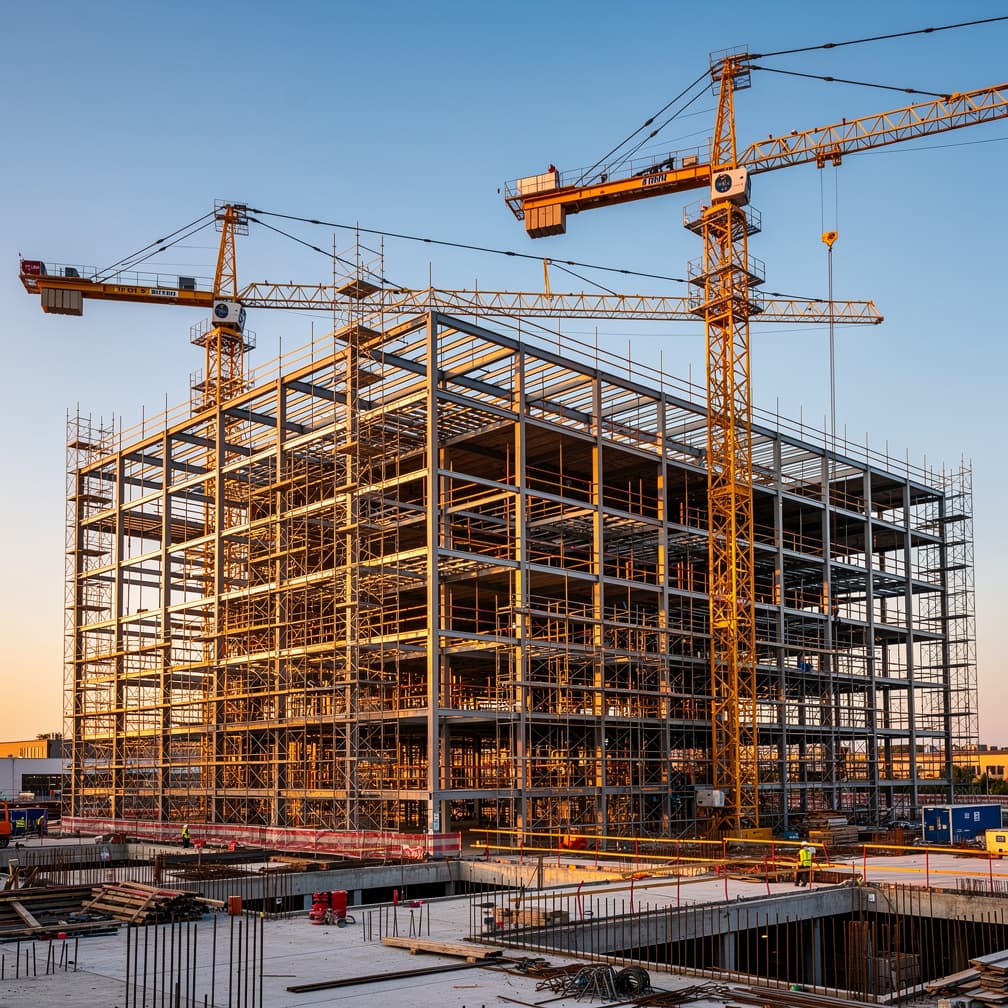
You are at the point where the owner is ready to sign, the lender wants evidence of property coverage during construction, and the general contractor is asking who is carrying the course-of-construction form. At that point, your policy stops being a line item and becomes a project control issue. On an island job, a delay in replacing damaged materials can push schedules, change subcontractor sequencing, and create disputes over who absorbs soft costs or rework. A renovation on an occupied property raises different questions than a ground-up build, especially if materials are staged off site or arrive in phases.
Before you bind coverage, review who must be named, what property is included while in transit or temporary storage, how delay-related expenses are handled, and whether the policy term matches the real construction timeline. Hawaii projects also deserve a closer look at weather and catastrophe assumptions, because hazard-driven delays and damage can affect both the build and the financing. The practical move is to line up the contract, project budget, and site logistics before you request quotes.
What Builders Risk Insurance Covers
In Hawaii, the useful coverage conversation usually starts with where property sits between delivery and installation. If your project depends on shipped materials, custom components, or long-lead items, you should review whether the form addresses property in transit, temporary storage, and materials waiting to be installed. That matters more on island projects, where replacement timing can affect the critical path instead of just adding a minor inconvenience.
You should also look closely at how the policy treats existing structures during a renovation. A condo remodel, hotel upgrade, or addition to an occupied commercial building can create a split exposure between the new work, the existing building, and the owner's ongoing operations. If the contract pushes responsibility for certain property back to the owner or tenant, the builders risk form should be checked against that language before work starts.
Another Hawaii-specific review point is debris removal, temporary works, and equipment or materials stored at more than one location. If staging yards, docks, or supplier warehouses are part of the job flow, ask for each location and property category to be addressed clearly. The state's insurance regulator is the Hawaii Insurance Division, which means you can verify a provider's license or file a complaint through their office if a dispute arises over policy forms or endorsements. Checking that license status before you buy helps you confirm you are working with an authorized provider and gives you a clear path to resolution if something goes wrong with the transaction. For a cleaner purchase, ask your agent to walk line by line through covered property, excluded causes of loss, valuation, and any sublimits that could matter to your schedule.

Structure Coverage
Covers the building or structure under construction.

Materials on Site
Covers building materials stored at the construction site.

Materials in Transit
Covers materials being transported to the job site.
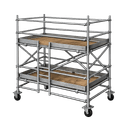
Temporary Structures
Covers scaffolding, fencing, and temporary buildings.

Soft Costs
Covers additional expenses from construction delays due to covered losses.
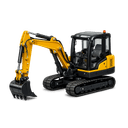
Equipment Coverage
Covers permanently installed fixtures and equipment.
Builders Risk Insurance Requirements in Hawaii
- Hawaii projects often need a closer review of transit and temporary storage terms because materials may spend meaningful time off site before installation begins.
- If your build depends on shipped specialty materials or custom components, replacement timing can affect both the loss amount and the project schedule after damage.
- Projects with lender oversight should align policy dates, named interests, and evidence of coverage requirements before the first draw or contract milestone.
How Much Does Builders Risk Insurance Cost in Hawaii?
For Hawaii projects, builders risk pricing is usually driven by the job's completed value, construction method, project length, site conditions, and how difficult the property is to replace if damage interrupts the schedule. A carrier may also look at where materials are stored, whether they move by water or air before installation, and how much of the budget sits in specialty finishes or imported components.
The project type matters too. A straightforward ground-up build with a clean timeline is underwritten differently from a phased renovation in an occupied building. If tenants, guests, or business operations remain on site, underwriters often want a clearer picture of separation between existing property and new work. The more precise your values and sequencing are, the easier it is to avoid paying for assumptions you do not need. Deductibles, policy term, covered causes of loss, and optional extensions also shape cost. If you ask for broader treatment of temporary storage, transit, delay-related exposures, or testing, expect the quote to move with that broader scope.
The practical way to control cost is to submit a complete package the first time: signed contract requirements, total completed value, construction schedule, site security details, material storage plan, and a breakdown of any high-value items. That gives you a quote tied to the real job instead of a rough placeholder that may need to be reworked before closing.
Request a Quote Comparison
Enter your ZIP code to compare builders risk insurance rates from top carriers.
Business insurance starting at $25/mo
Who Needs Builders Risk Insurance?
In Hawaii, the buyer is often the party that carries the contractual obligation, but the real question is who has money at risk while the work is in progress. That can include the property owner, developer, general contractor, construction manager, lender, or another party the contract requires to be named. On a project with layered financing or multiple prime contracts, you should confirm that the insurance responsibility is not split in a way that leaves a gap.
Owners should review builders risk early if they are funding materials before installation, especially when those materials are shipped in stages or stored away from the site. Contractors should review it when they are responsible for protecting work in place, temporary structures, or owner-furnished items once they arrive. Lenders usually want evidence that the property value being created during construction is insured before funds continue to be advanced. This coverage is also worth a close look for renovation work in occupied buildings. In Hawaii, that can include hospitality, multifamily, retail, and mixed-use properties where construction happens alongside ongoing operations. Those jobs create practical questions about what belongs under builders risk, what stays under the owner's property policy, and how a loss would be adjusted if both are involved.
If your contract uses terms like additional insured, loss payee, mortgagee, or waiver of subrogation, do not assume the policy handles each one the same way. Match the insurance requirement to the actual form before mobilization. That step is often what separates a clean closing from a last-minute scramble.
Builders Risk Insurance by City in Hawaii
Builders Risk Insurance rates and coverage options can vary across Hawaii. Select your city below for localized information:
How to Buy Builders Risk Insurance
Start with the construction contract, then move to the project schedule and budget. In Hawaii, that order matters because shipping timelines, phased deliveries, and off-site storage can affect what needs to be scheduled or endorsed. If the contract says the owner buys the policy, confirm whether the general contractor, subcontractors, lender, and design-build entity need to be named, and in what capacity. If the contractor buys it, verify that the owner's requirements are still satisfied.
Next, build a submission that reflects how the job will actually run. Include the site address, scope of work, completed value, start date, expected completion date, construction type, security measures, and any special materials or equipment with long replacement times. If the project includes renovation, identify the value of existing structures separately from the value of new work so the quote is built on the right property interest. Then review the logistics that are easy to miss. Tell the agent whether materials will be stored off site, moved between islands, or held by suppliers before delivery. If there is a lender, ask what evidence of coverage they need and when they need it. If permits or lease obligations require proof before work starts, build that timing into the purchase process.
Before binding, read the declarations, covered property language, causes of loss, valuation method, deductible, term, and endorsements together. Ask direct questions about delay exposures, temporary works, and any exclusions that could matter to your site. The goal is not just to buy a policy, but to buy one that matches the contract and the build sequence. Request a quote through CPK Insurance to compare your options with participating licensed providers.
How to Save on Builders Risk Insurance
The strongest way to save on builders risk in Hawaii is to reduce uncertainty for the underwriter. Start with a realistic completed value and a schedule that reflects actual procurement and installation timing. If your budget is understated or your timeline is too optimistic, the quote may need to be rewritten later, and that can cost more than getting it right at the start.
You can also save by tightening site controls. Document fencing, lighting, locked storage, water shutoff procedures, and who checks the site when crews are gone. If materials are stored off site, explain where, for how long, and under what security conditions. Another savings move is to separate exposures clearly. If the job is a renovation, distinguish existing property from new work. If owner-furnished materials are part of the project, identify when responsibility transfers and who insures them before installation. If there are multiple project phases, ask whether one policy term or staged coverage makes more sense for the way the work is financed and built.
Do not chase a lower quote by trimming terms you have not reviewed. A smaller premium can become expensive if transit, temporary storage, debris removal, or delay-related needs are left too narrow for the project. A better approach is to compare quotes on the same values, term, deductible, and endorsements, then ask where stronger documentation or risk controls could justify a better price.
Our Recommendation for Hawaii
For Hawaii, treat logistics as a coverage issue, not just an operations issue. If your project depends on shipped materials, ask specifically how the policy handles property before it reaches the site and while it sits in temporary storage. That is often where a practical gap appears.
Read the contract language on named insureds, loss payees, and lender requirements before you request quotes. Builders risk forms do not all handle those interests the same way, and the mismatch usually shows up right before closing or draw approval. Finally, ask for the quote to be reviewed against your schedule, not just your budget. If replacement lead times are long or the project has little float, broader treatment for storage, transit, or delay-related exposures may be worth the added premium. The right buying move is to test the policy against how the job actually moves from delivery to installation to completion.
FAQ
Frequently Asked Questions
In Hawaii, the buyer is usually the party the construction contract assigns responsibility to, often the owner or general contractor. Before binding, confirm whether the lender, owner, and contractor each need to be named differently on the policy.
Hawaii projects often need that point reviewed carefully because shipped materials may sit in transit or temporary storage before installation. Coverage can vary by policy terms, so ask for those locations and property categories to be addressed explicitly.
Hawaii renovation jobs are often the ones that need the closest review, especially in occupied buildings. You should confirm how the policy treats new work, existing structures, staged materials, and any overlap with the owner's property coverage.
Hawaii lenders commonly want evidence that the value being added during construction is insured before funds continue to move. Ask early what proof they require, who must be shown on the policy, and when documents are due.
Hawaii buyers should check the contract, completed value, project term, storage plan, transit exposures, and named parties before purchase. The state's insurance regulator is the Hawaii Insurance Division, which means you can verify a provider's license or file a complaint through their office if a dispute arises over policy documentation. Checking that license status before you buy helps you confirm you are working with an authorized provider and gives you a clear path to resolution if something goes wrong with the transaction.
Hawaii condo and hotel renovations often need builders risk reviewed because construction can happen alongside ongoing occupancy. That setup raises practical questions about existing property, new work, and how a loss would be handled if both are affected.
Hawaii policy term should match the real construction timeline, not just the target completion date in the bid set. If shipping, phased work, or permit timing could extend the job, review whether the term leaves enough room for delays.
Builders risk insurance may cover, subject to policy terms, the structure under construction, materials on site, materials in transit, temporary structures, and fixtures or equipment being installed. Depending on the policy, you can also review soft costs and delay-related coverage tied to a covered property loss.
Sources
- 1.Hawaii Insurance Division(The state’s insurance regulator is the Hawaii Insurance Division.)
Updated July 16, 2026