Updated July 16, 2026

General Liability Insurance in Hawaii
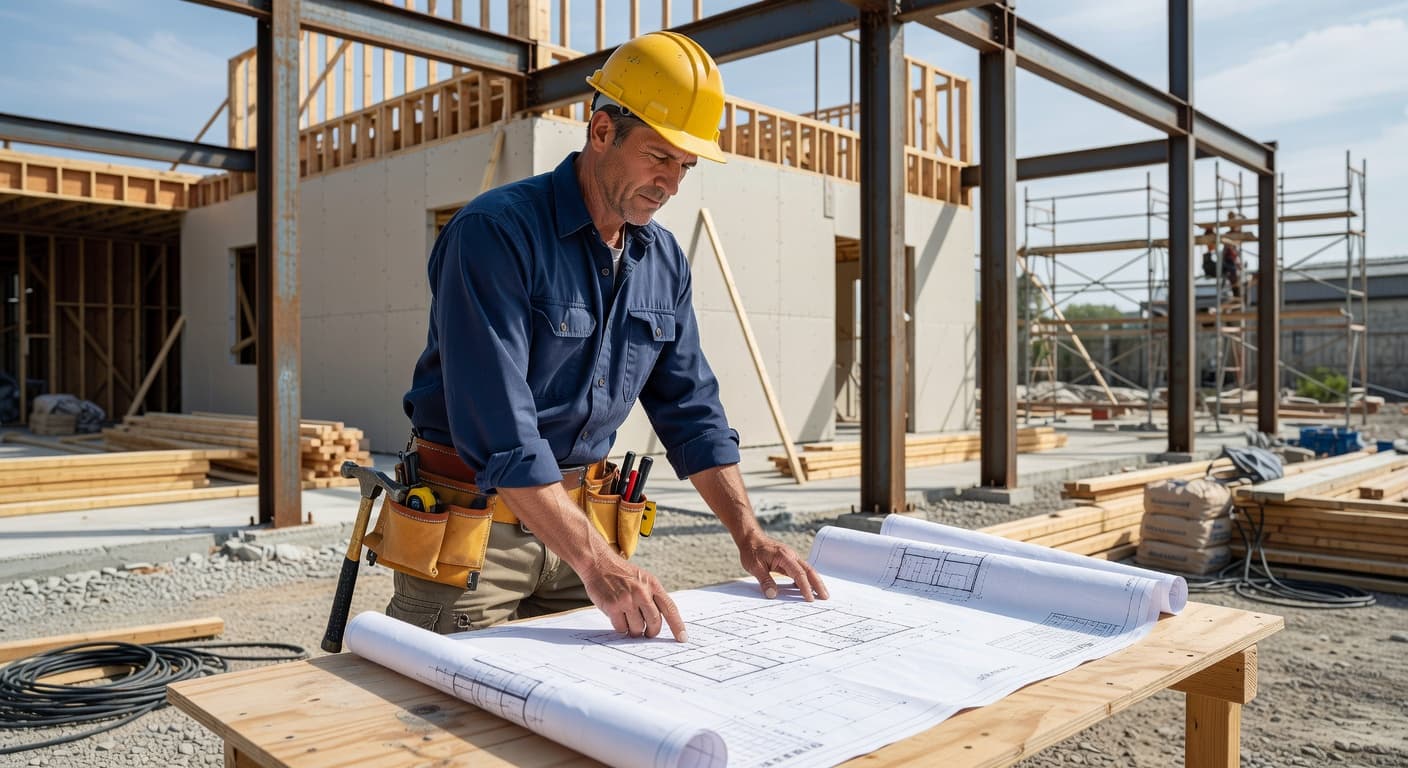
Buying general liability insurance in Hawaii is often less about checking a box and more about fitting a policy to an island market. Coverage here tends to run higher than on the mainland. A high-risk environment that includes hurricanes, flooding, tsunamis, and volcanic activity also shapes how insurers view your operation. For a small business in Honolulu, Hilo, Kailua, or Līhuʻe, the right policy can help with third-party claims that come from a customer slip-and-fall, accidental damage to a client's property, or an advertising dispute tied to your marketing.
Most owners here operate lean and need coverage that fits real contract terms. Many need proof of general liability before signing leases, meeting contract terms, or working with larger clients. The state does not set a general liability minimum for most businesses, but many contracts do. An accommodation business on Oʻahu, a contractor on Maui, or a retailer near high-foot-traffic areas may face different claim patterns and pricing than a mainland-based business would.
That is why Hawaii-specific quote comparisons should focus on coverage limits, deductibles, and the insurer's experience in the islands. Local and national carriers both write policies in the islands, giving buyers real options to compare.
What General Liability Insurance Covers
General liability insurance in Hawaii is built around third-party claims, not claims from your own employees or your own property. It can respond if a customer slips on a wet floor in a Honolulu storefront, if a visitor is injured at a café in Hilo, or if your business accidentally damages a client's property while working in Maui County. It may also help with bodily injury, property damage, and personal and advertising injury claims, which matters if a business is accused of libel, slander, or copyright-related issues in advertising. Most small businesses also use the medical payments feature for smaller injury claims, which can help resolve incidents quickly before they become larger disputes.
Hawaii does not impose a state-mandated general liability minimum for most businesses, but the Hawaii Insurance Division oversees insurance compliance. Many landlords, clients, and contract owners ask for proof before work starts. In practice, that means your policy often needs to be certificate-ready for leases, vendor agreements, and government or association requirements.
Products and completed operations coverage may also matter if your work creates a later claim after the job is finished. The policy still has limits, deductibles, and exclusions that vary by carrier, so it is important to confirm how each insurer treats the type of work you do, the islands you serve, and whether your operations are storefront-based, mobile, or project-based.
Bodily Injury Liability
Covers injuries to third parties on your premises or from your operations
Property Damage Liability
Covers damage you cause to others' property

Personal & Advertising Injury
Covers libel, slander, and copyright claims

Products & Completed Operations
Covers claims from products sold or work completed

Medical Payments
Covers minor injuries regardless of fault

Defense Costs
Legal defense costs are covered in addition to policy limits
General Liability Insurance Requirements in Hawaii
- The Hawaii Insurance Division oversees insurance compliance, so certificate wording should match contract or landlord requirements.
- No state-mandated minimum for general liability applies to most businesses in Hawaii, but many contracts require it.
- Hawaii businesses may want at least $1M per occurrence when that limit is requested by a client or lease.
- General liability can help with bodily injury, property damage, personal and advertising injury, medical payments, and products and completed operations.
How Much Does General Liability Insurance Cost in Hawaii?
Average Cost in Hawaii
$40 - $150
per month
Businesses in Hawaii typically see general liability insurance premiums of $40 - $150 per month, which tends to run 15% above the national range of $35 - $130 per month.
- Industry and risk classification
- Annual revenue
- Number of employees
- Claims history
- Coverage limits and deductibles
- Business location
Based on small business averages with $1M/$2M limits.
General liability insurance cost in Hawaii tends to run above the national average. Final pricing varies by carrier, business type, and risk profile.
Several Hawaii factors can push pricing up or down. Insurers look at industry and risk classification, annual revenue, number of employees, claims history, coverage limits and deductibles, and business location. In Hawaii, location matters because hurricane risk is very high, flooding risk is high, and some areas also face tsunami and volcanic exposure. Even though those hazards are not the same as a slip-and-fall claim, they can influence overall underwriting and how carriers view your operation. A retail shop in Honolulu, a restaurant in the accommodation and food services sector, or a construction business serving multiple islands may be priced differently from a low-traffic office business.
Comparing multiple quotes can help you see how underwriting differs by carrier. The best way to evaluate price is to compare the same limits, same deductible, and same endorsements across carriers.
| Coverage | What's Covered | What's NOT Covered |
|---|---|---|
| Bodily Injury | Customer/visitor injuries on premises or from operations | Employee injuries (use Workers Comp) |
| Property Damage | Damage to others' property from your work | Damage to your own property (use Commercial Property) |
| Personal Injury | Libel, slander, copyright infringement | Intentional criminal acts |
| Advertising Injury | False advertising claims, misappropriation of ideas | Knowing violations of law |
| Medical Payments | Minor injury medical bills regardless of fault | Major injury claims (handled as liability) |
| Products/Completed Ops | Claims from products sold or work completed | Product recalls (use Product Recall coverage) |
Bodily Injury
- What's Covered
- Customer/visitor injuries on premises or from operations
- What's NOT Covered
- Employee injuries (use Workers Comp)
Property Damage
- What's Covered
- Damage to others' property from your work
- What's NOT Covered
- Damage to your own property (use Commercial Property)
Personal Injury
- What's Covered
- Libel, slander, copyright infringement
- What's NOT Covered
- Intentional criminal acts
Advertising Injury
- What's Covered
- False advertising claims, misappropriation of ideas
- What's NOT Covered
- Knowing violations of law
Medical Payments
- What's Covered
- Minor injury medical bills regardless of fault
- What's NOT Covered
- Major injury claims (handled as liability)
Products/Completed Ops
- What's Covered
- Claims from products sold or work completed
- What's NOT Covered
- Product recalls (use Product Recall coverage)
Prices shown are general estimates, not guaranteed rates or quotes. Your actual premium will depend on the insurer, coverage selected, business details, location, claims history, and other underwriting factors. Learn about our pricing methodology.
Request a Quote Comparison
Enter your ZIP code to compare general liability insurance rates from top carriers.
Business insurance starting at $25/mo
Who Needs General Liability Insurance?
Many Hawaii businesses need this coverage because clients, landlords, and contract partners often ask for proof even when state law does not set a minimum. A restaurant or café in Honolulu, Waikīkī, or along a busy retail corridor may need it because customer traffic raises the chance of slip-and-fall claims or other third-party injury claims. Retail businesses across the islands can also benefit because merchandise areas, entryways, and loading zones create property damage and customer injury exposure.
Construction and trade businesses are another clear fit. The state has a meaningful construction sector, and project-based work can create claims if a job damages a client's property or if a completed project later leads to a third-party claim. Accommodation and food services, a major employment sector in Hawaii, also commonly use this coverage because guests, vendors, and visitors move through high-traffic spaces every day.
A $1M per occurrence limit is commonly requested when a client, landlord, or contract asks for proof. That makes this policy especially important for small businesses that want to stay contract-ready. Even service businesses that work off-site may need it, because a claim can arise at a customer location, in a common area, or through advertising-related allegations. If your business serves the public in Honolulu, Hilo, Kahului, or another island community, general liability is often part of the basic insurance package buyers expect to see.
General Liability Insurance by City in Hawaii
General Liability Insurance rates and coverage options can vary across Hawaii. Select your city below for localized information:
How to Buy General Liability Insurance
Start by requesting a quote with the same information for each carrier. You will need your business name, island location, annual revenue, number of employees, years in business, and a plain-language description of your operations. Comparing multiple quotes can help you see how underwriting differs by carrier. If your business is based in Honolulu but serves other islands, say so up front, because business location and service area can affect price and eligibility.
Before you buy, confirm whether a landlord, client, or contract requires a specific limit, often a standard per-occurrence limit in Hawaii business practice. Ask whether the policy includes medical payments, products and completed operations, and personal and advertising injury coverage, because those features can matter for storefronts, food service, contractors, and other public-facing businesses.
When reviewing a quote, compare deductibles, per-occurrence limits, aggregate limits, and any endorsements that narrow or expand coverage. If you also need property insurance, ask whether a Business Owners Policy makes sense, but do not assume bundling is always right for every Hawaii business. For a clean buying process, keep your business license details, lease requirements, and contract language ready so the agent can match the policy to the real exposure instead of a generic template.
Request a quote through CPK Insurance to compare your options with participating licensed providers.
How to Save on General Liability Insurance
Underwriters price your policy based on the risk details you hand them. Your job is to make those details look as clean as possible. Keep your claims history clear, choose coverage limits that fit real contract needs, and pick a deductible you can actually afford if a claim happens. Since Hawaii premiums already run above the national average, even small changes in risk profile can matter.
Location and operations also affect savings. A low-traffic office in Honolulu may price differently than a customer-facing restaurant in a busy tourist area or a contractor working across multiple islands. If your business can document safety procedures, clear walkways, staff training, and regular maintenance, that may help carriers view your operation more favorably. For businesses with physical customer traffic, reducing slip-and-fall exposure can also support better underwriting results over time.
You can also compare quotes from several Hawaii carriers rather than relying on the first offer. Ask each insurer to quote the same limits and endorsements so you can compare apples to apples. If you only need a certificate for a lease or contract, avoid buying more coverage than the requirement calls for, but do not trim so much that you lose meaningful protection for bodily injury, property damage, or advertising claims.
Finally, review your revenue and employee counts each year. Because those are key rating factors, keeping your information current can prevent surprises at renewal and may help you avoid paying for a risk level that no longer matches your business.
Our Recommendation for Hawaii
For Hawaii buyers, the smartest approach is to match the policy to the island, the customer traffic, and the contract requirement. If you operate in Honolulu, Maui, Hilo, or another high-traffic area, focus on slip-and-fall exposure, property damage exposure, and whether your policy includes medical payments and completed operations. If a landlord or client asks for proof, confirm the exact limit and wording before binding coverage.
A standard per-occurrence target is a common practical benchmark in Hawaii, but the right choice still depends on your lease, contract, and budget. Compare at least three quotes, keep the coverage terms identical, and ask how each carrier treats your business location and industry class.
FAQ
Frequently Asked Questions
For a Hawaii storefront, it can respond to third-party bodily injury, property damage, personal and advertising injury, and medical payments. That matters if a customer slips in your shop, if your staff damages a visitor's property, or if an advertising claim leads to a dispute.
Many do, even though Hawaii does not set a state minimum for most businesses. Lease agreements often require proof before you can move into space, so your policy should be certificate-ready and match the wording the landlord expects.
Final pricing varies by industry, revenue, employee count, claims history, coverage limits, deductibles, and business location across the islands.
A $1M per occurrence limit is commonly recommended in Hawaii business practice when a client, landlord, or contract asks for proof.
It can. That feature matters if your business work is finished on a job and a later third-party claim arises, so ask the carrier to confirm whether it is included in the quote before you buy.
Compare the same limits, deductibles, and endorsements across carriers. In Hawaii, it also helps to ask how your island location, revenue, and business type affect the quote you receive from each insurer.
Public-facing businesses like restaurants, retail shops, contractors, and hospitality operations often need it because they face customer injury, property damage, and third-party claims more often than office-based or low-traffic businesses do.
General liability insurance can help cover third-party bodily injury, property damage, personal and advertising injury, and medical payments. If a customer slips in your store, if your work damages a client's property, or if you're accused of libel or copyright infringement in your advertising, general liability responds.
Updated July 16, 2026